My Belgium travel summary:
Visited: July 1991, May 2012, July 2026
Duration of visit: 8 days
Capital city: Brussels
Population: 11.8 million (2026)
Belgium travel blog reading time: 7 minutes
Attractions and places I visited in Belgium:
- 1991 – unimpressive Brussels, red-light district and wild camping.
- Attending the world’s largest label event, Label Expo.
- 2026 – improved opinion and perception of Europeanized Brussels.
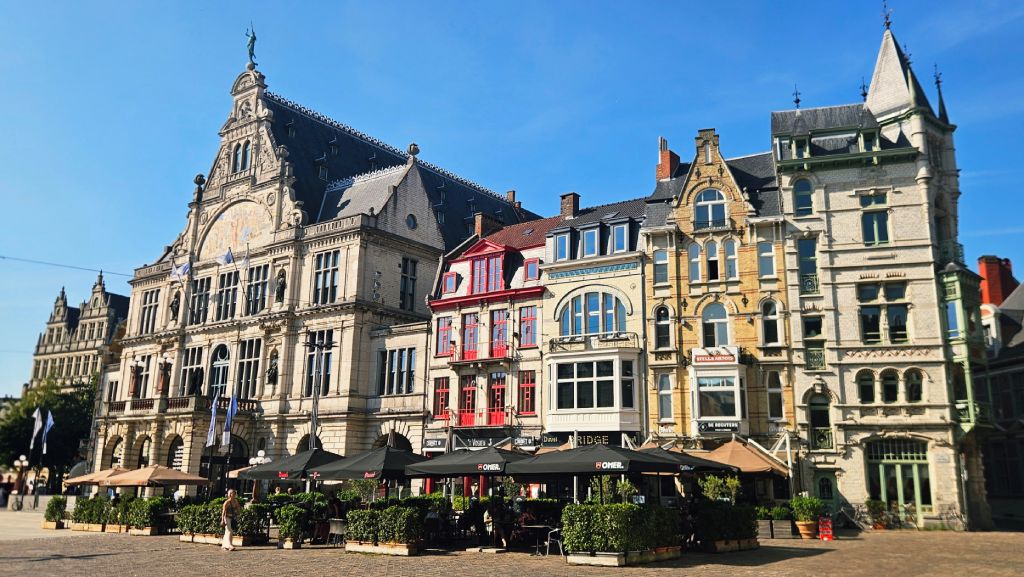
- Historic old towns lined with canals in Ghent and Bruges.
Belgium had never ranked high on my travel priorities, despite being home to countless world-famous attractions, picturesque places to visit, and exciting things to do.
Although it was one of the first countries I visited while backpacking through Western Europe (1991), I only properly explore it in 2026, as part of a trip combined with The Netherlands.
My first hitchhiking adventure – 1991
My first real backpacking adventure began in the summer of 1991, when my schoolmate Andrey and I traveled around Western Europe. He dreamed of seeing the Eiffel Tower, while I was eager to hitchhike and meet new people.
In the middle of Slovenia’s War of Independence, my father drove us through military barricades in his old Yugo to Ljubljana. From there, we took a train to the Italian border and began hitchhiking along the highways.
We made a stop in Brussels, primarily because it was situated on the road between Paris and Amsterdam.
Without a defined plan, we ventured into the city center to check out some attractions. At the end, we opted to camp in a somewhat neglected area due to the exaggerated accommodation costs.
Littered surroundings, strange people and loud arguments from nearby apartments disturbed our peace at night. Although nothing serious happened, I developed a certain resistance to Belgium’s capital.
Label Expo – 2012
In 2012, while working for a Slovenian printing company, we participated in Expo Label exhibition. The world’s largest event of its kind, showcasing the latest technology, printing equipment and security solutions.
In the evenings, I took the opportunity to stroll through the city center with my colleagues. Brussels seemed much more attractive and orderly than during my previous visit as a backpacker.
Brussels, Ghent and Bruges – 2026
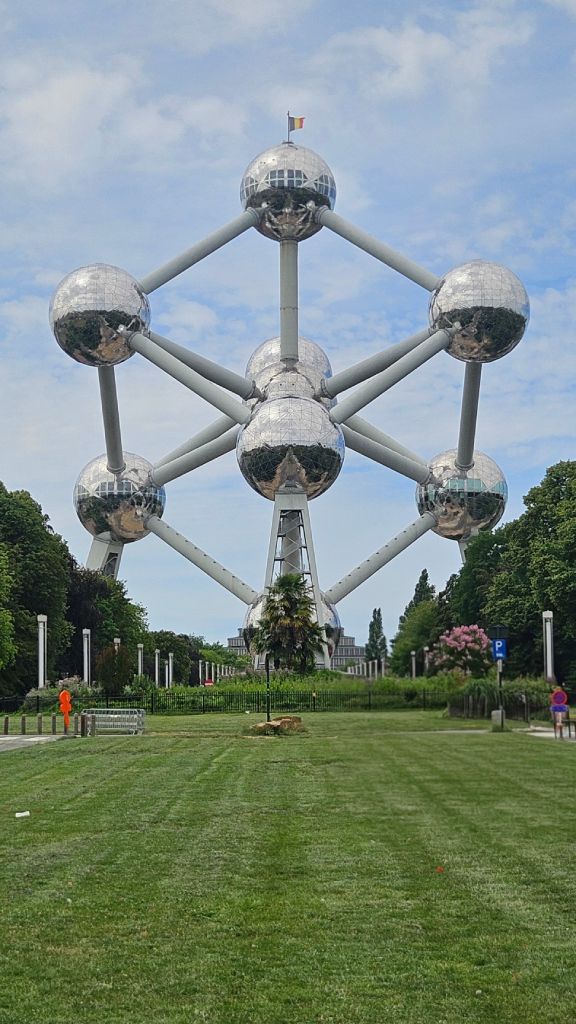
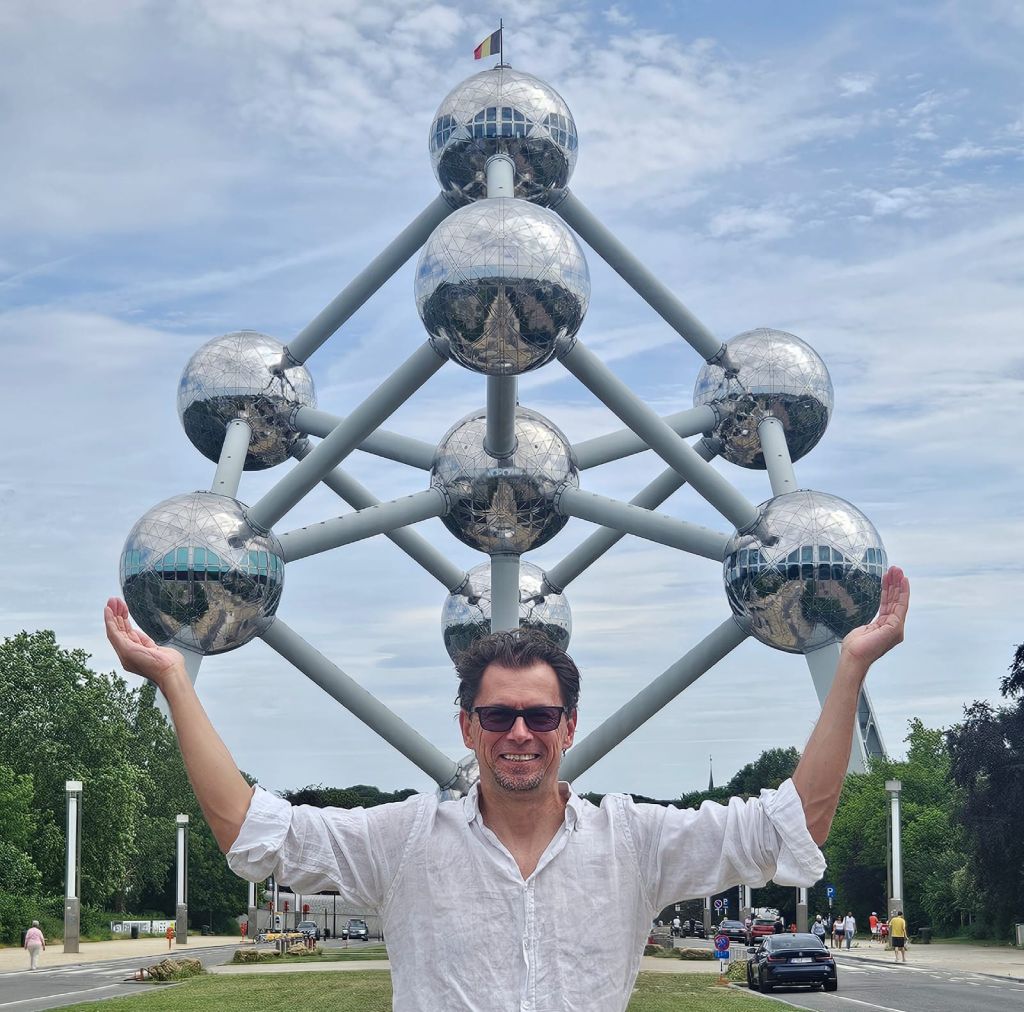
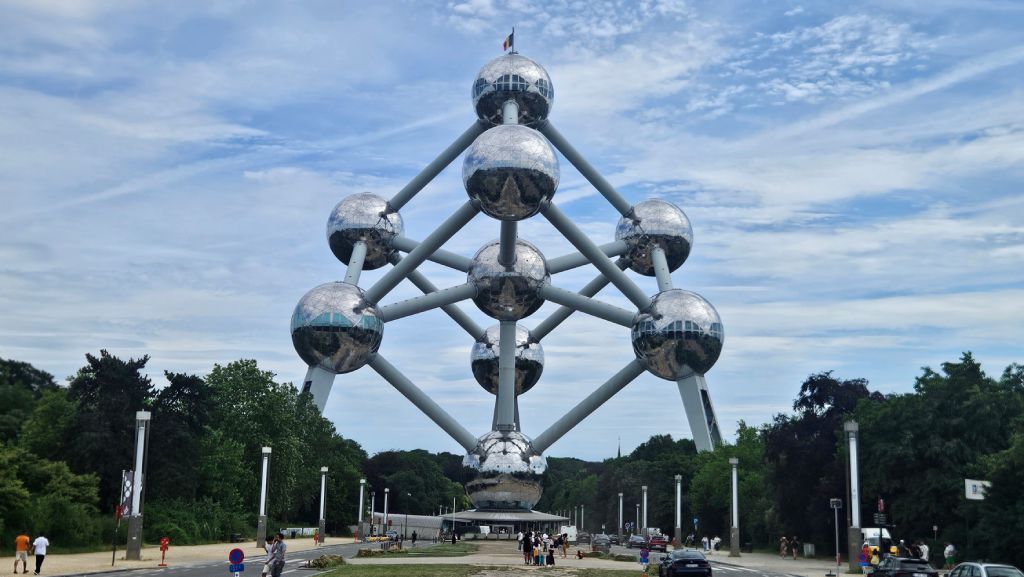
The first stop on my Belgium travel adventure in 2026 was the famous Atomium, one of the main landmarks and places to visit in the country. It stands in the northern part of Brussels.
As I had no intention of going inside, I simply parked by the roadside, like many other visitors, and observed this unique monument from different angles and distances.
Built for the 1958 World Expo, the Atomium represents an enlarged iron crystal and has become one of Belgium’s best-known landmarks.
Brussels, the European capital
The Belgian and European capital welcomed me completely differently in the summer of 2026.
After settling on the southern outskirt of Brussels, I drove towards the center on winding roads, passing numerous speed bumps and 30 km/h speed limits. Along the way, I already noticed many impressive historic buildings, which became even more numerous in the center.
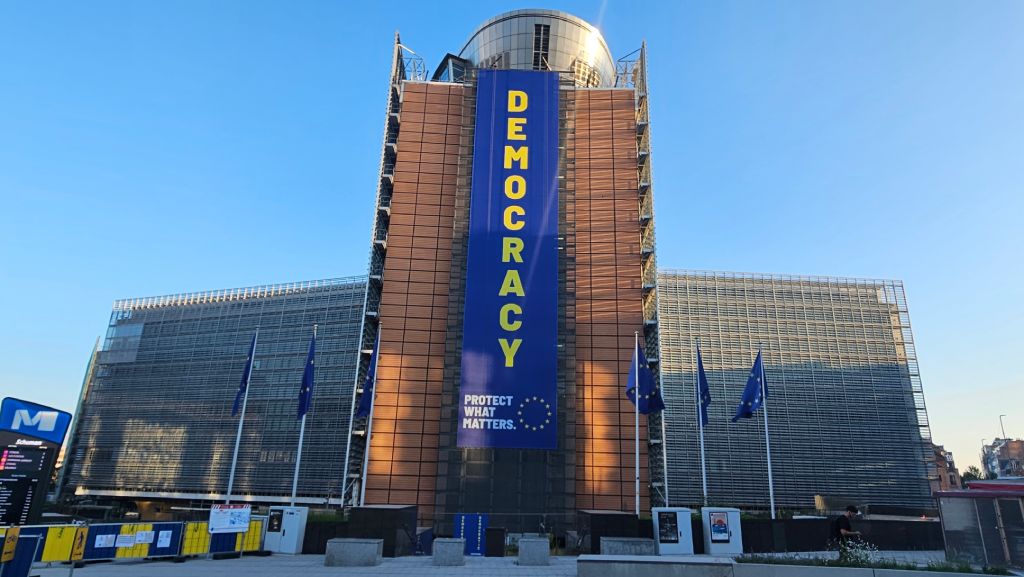
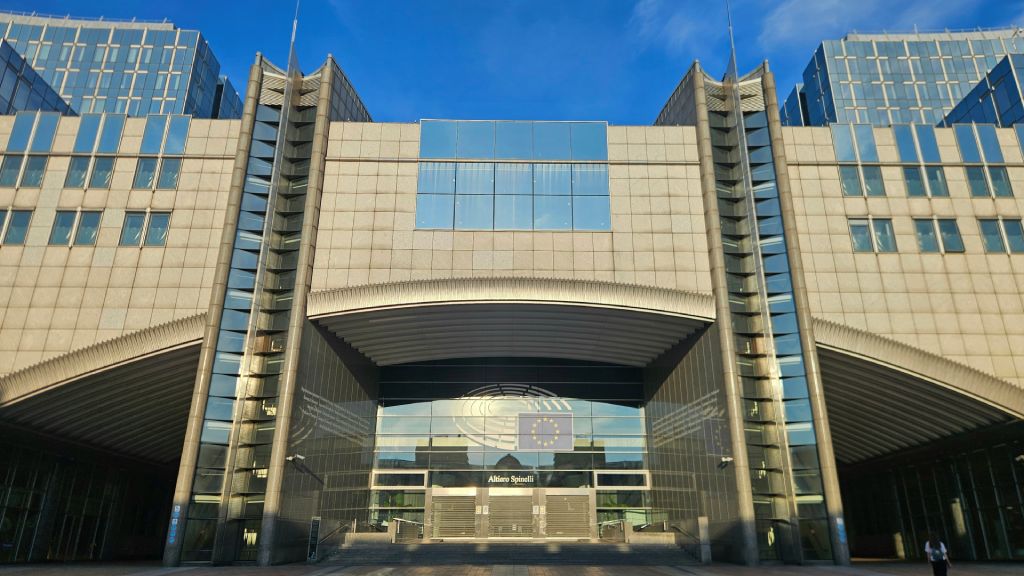
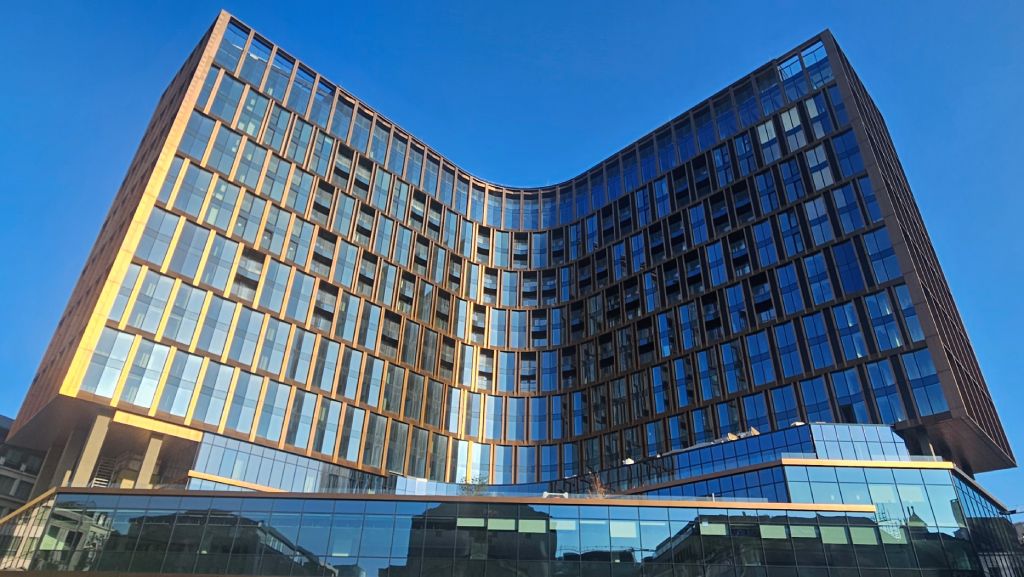
I first stopped at the European Union institutions, which add an unusual touch of modernity to Brussels.
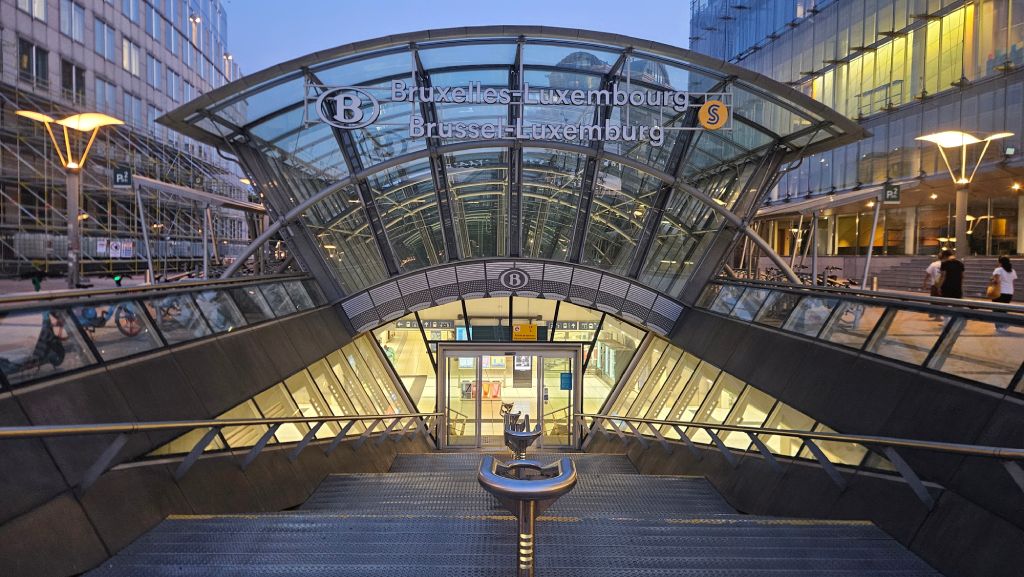
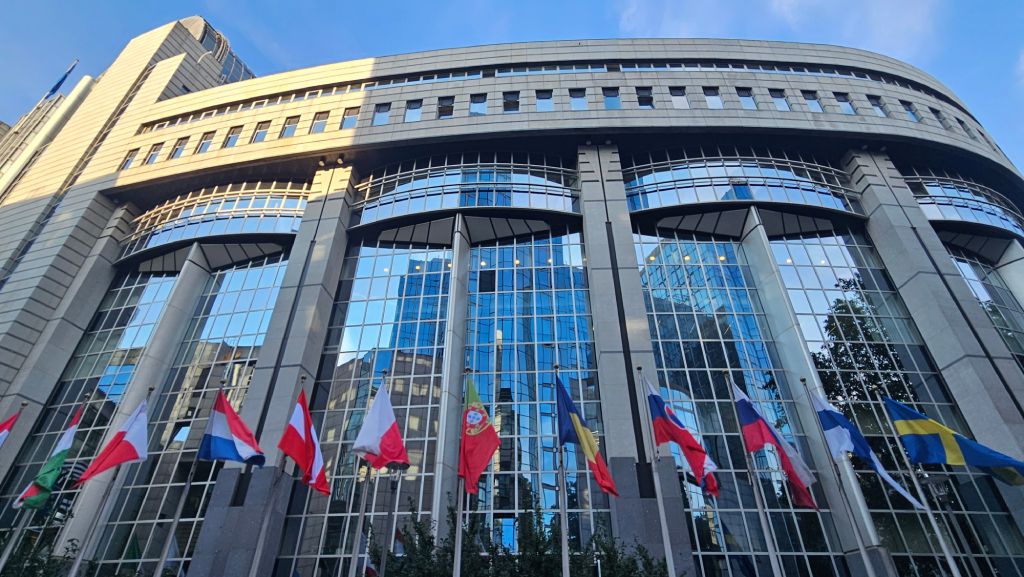
In the late afternoon, the Leopold Quarter around Place de Luxembourg was practically deserted. There was little life or atmosphere. The European Parliament is an impressive building where officials from EU countries make important decisions about the future of the community, I am also part of.
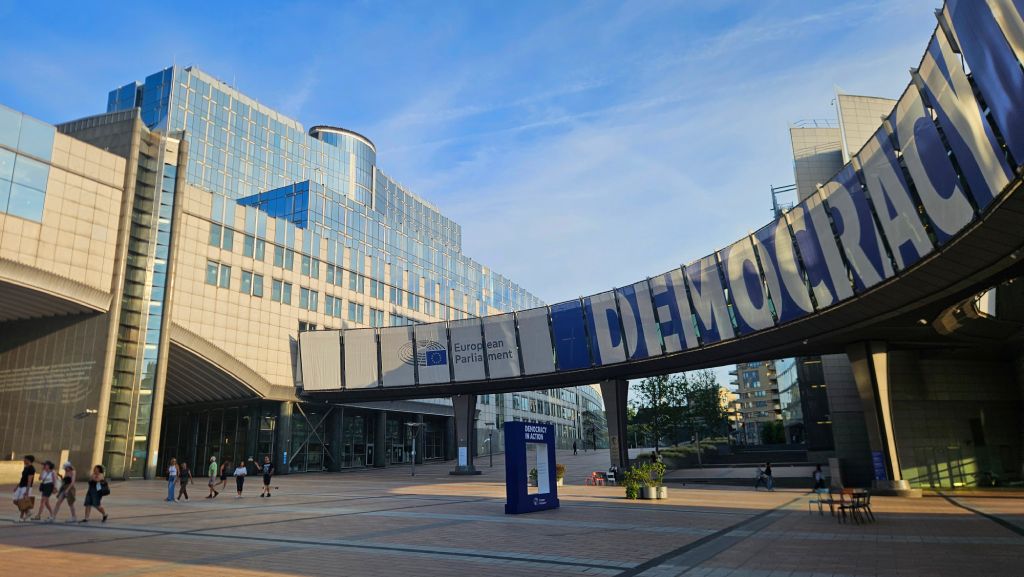
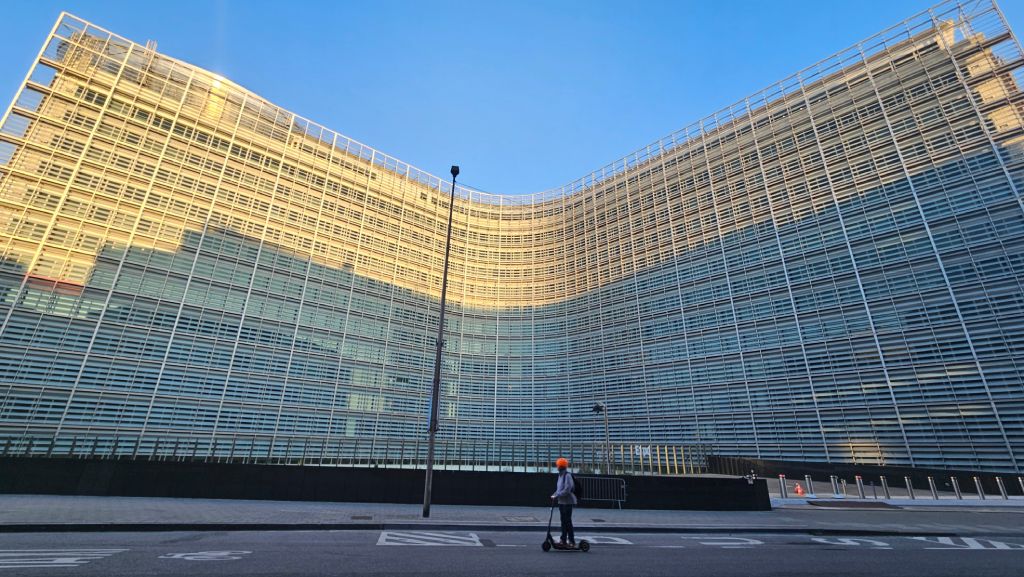
Just a kilometer away stands the Berlaymont, the European Commission headquarters, opened in 1969. Its distinctive facade with more than 3,000 windows has become one of the symbols of the European quarter. The building was closed for more than a decade because of asbestos problems and reopened after a major renovation in 2004.
Brussels’ historic center
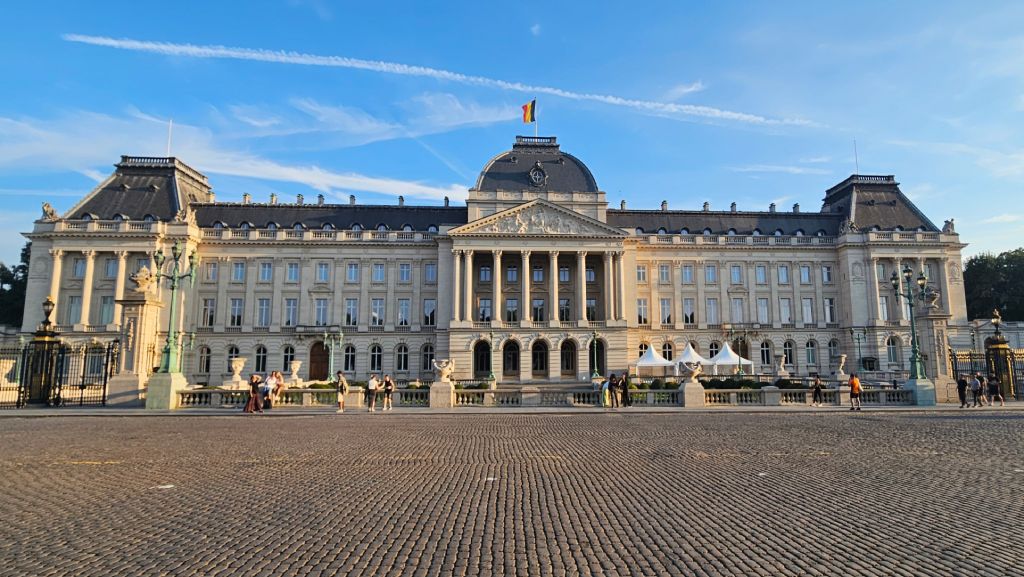
I continued my Belgium travel adventure walking past the Royal Palace of Brussels, one of the official places where the Belgian King carries out his duties. The palace is mainly used for official ceremonies and meetings.
The view from Mont des Arts was particularly beautiful at sunset. On one side, I could observe the historic center, and on the other the upper part the Royal Quarter. Several tourists, a pleasant atmosphere in a nearby bar and a street musician added to the nice vibe.
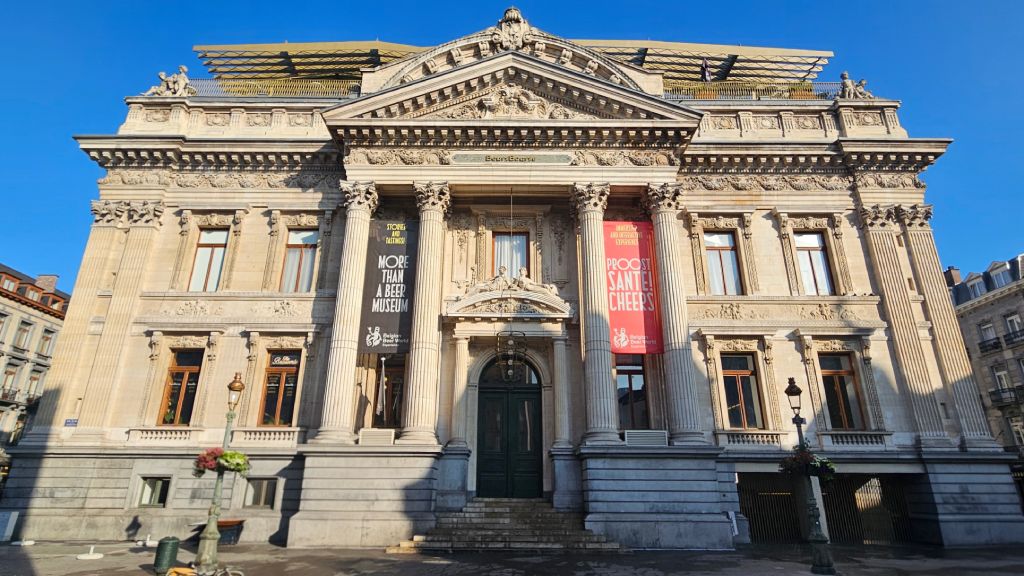
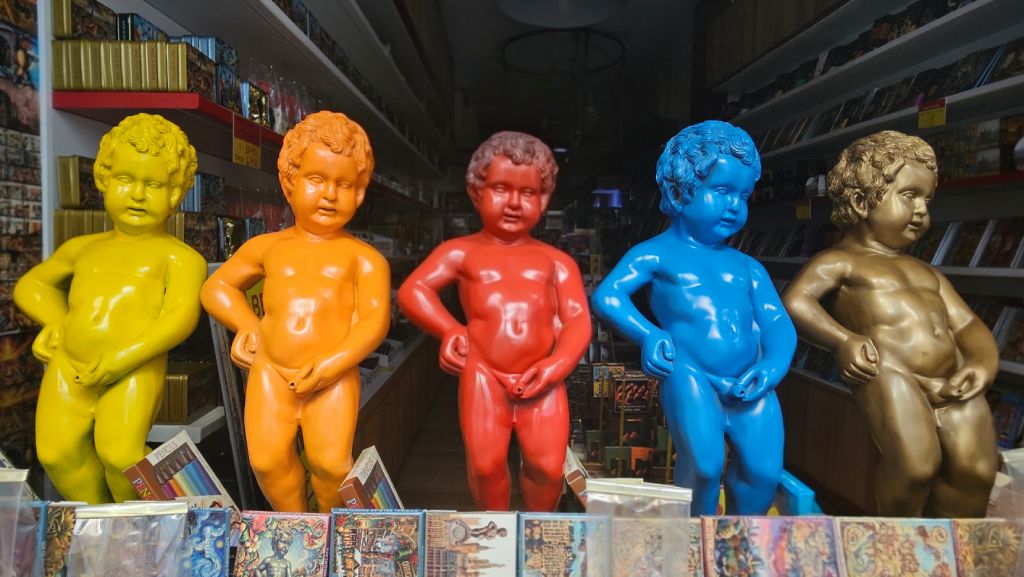
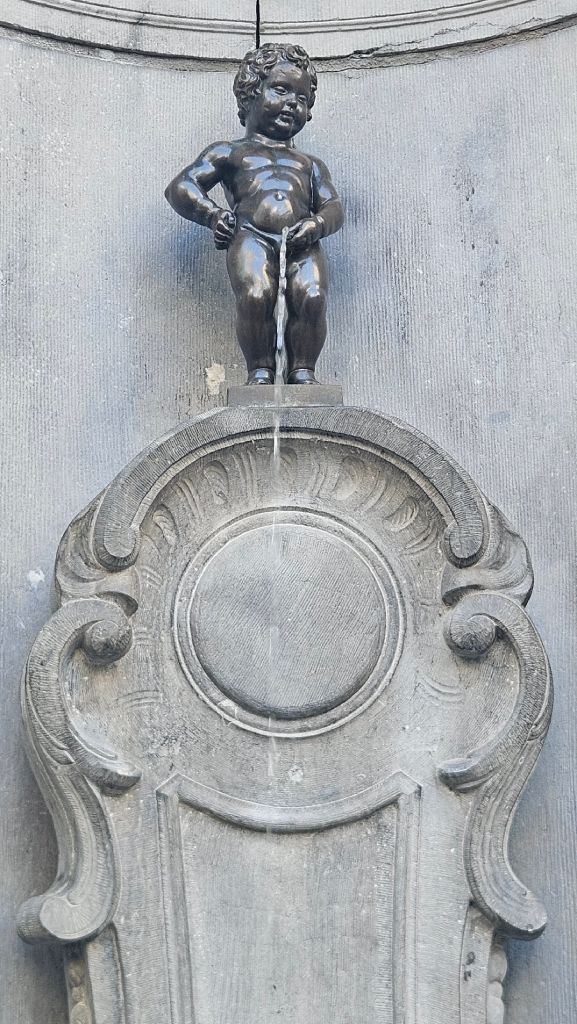
I headed through the narrow streets of the historic downtown towards Manneken Pis. The little boy peeing seemed to be especially popular with Asian visitors, who photographed the attraction from every possible angle. Luckily, it was already getting late, so the crowd was much smaller than the one I found later in the Grand Palace.
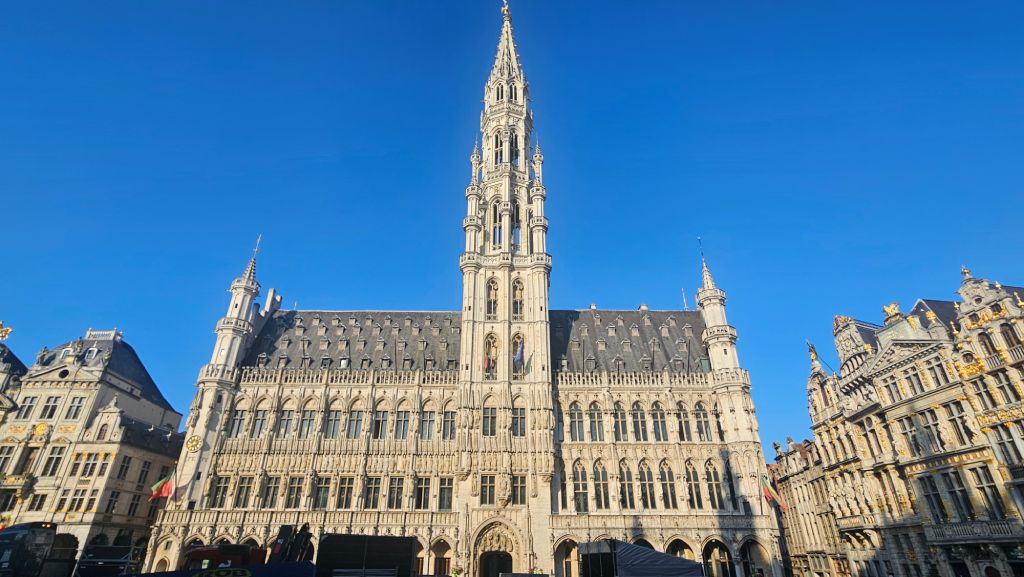
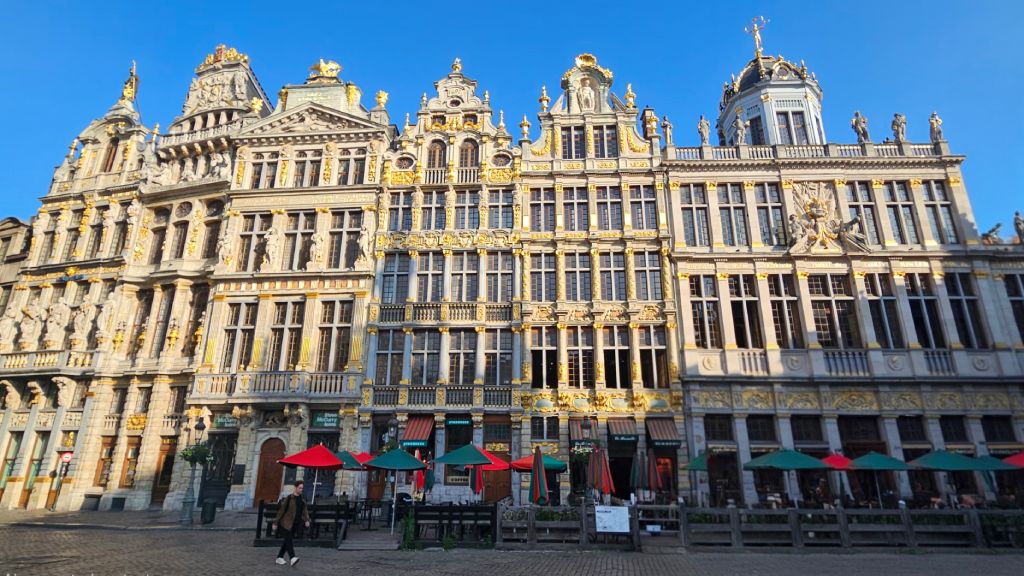
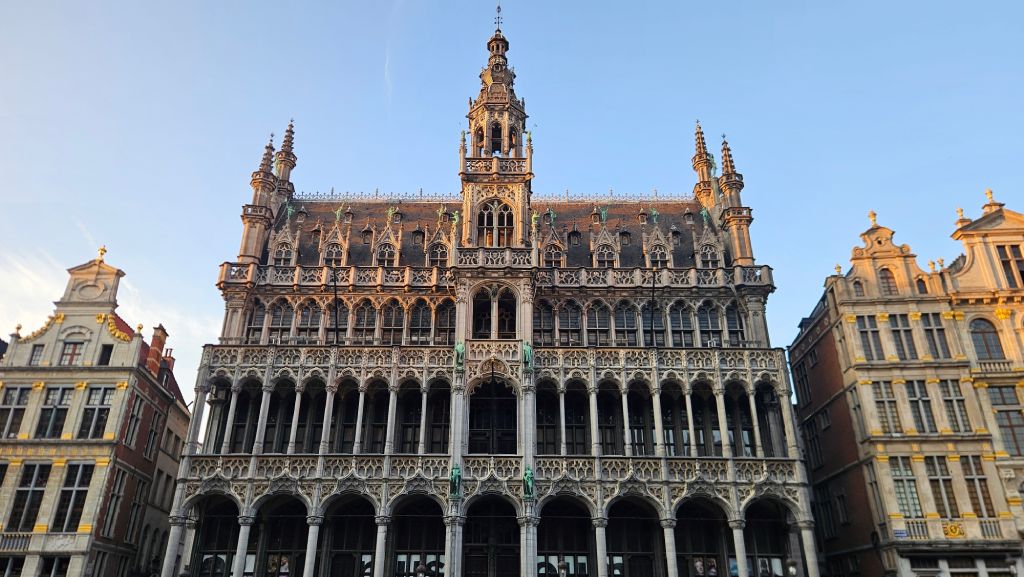
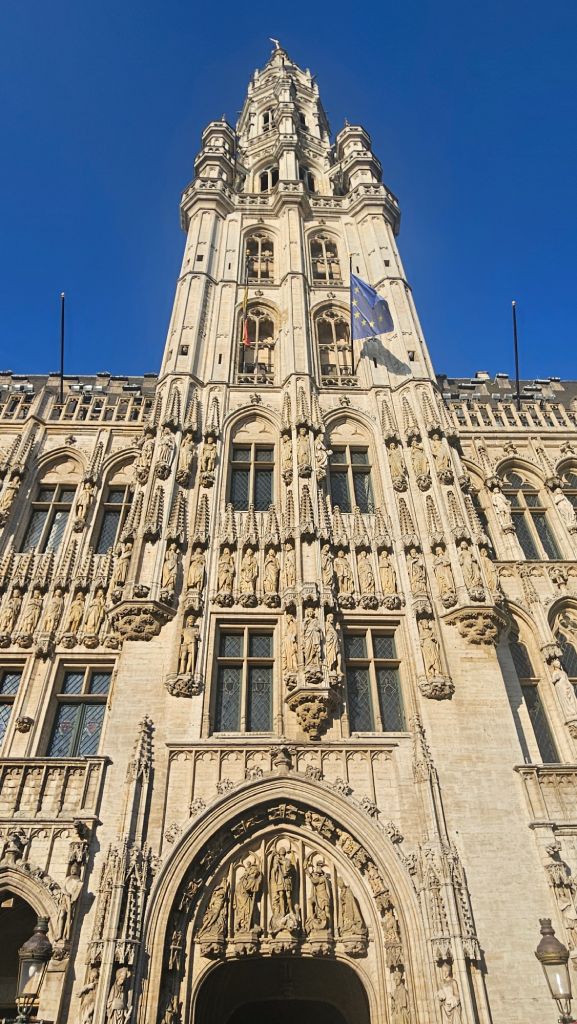
Grand Place is the heart of the historic center and is surrounded by richly decorated guildhalls and the impressive City Hall.
Most of the buildings date from the late 17th century, after the square was destroyed by French bombardment in 1695 and rebuilt soon afterwards.
I didn’t visit the inside of any of the buildings. Despite the late hour, there were still many people; mostly foreign visitors.
Chocolate, waffles and fries
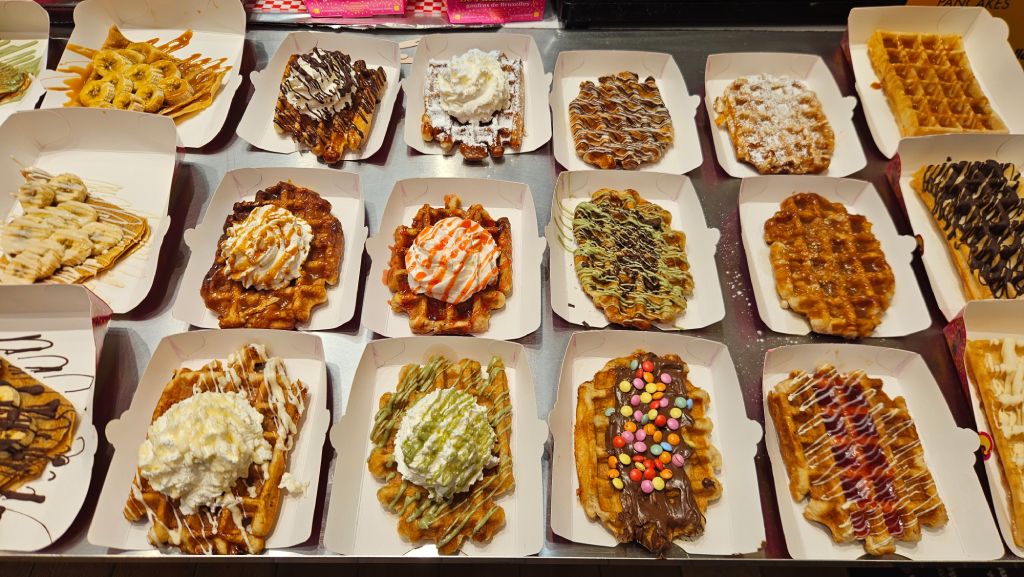
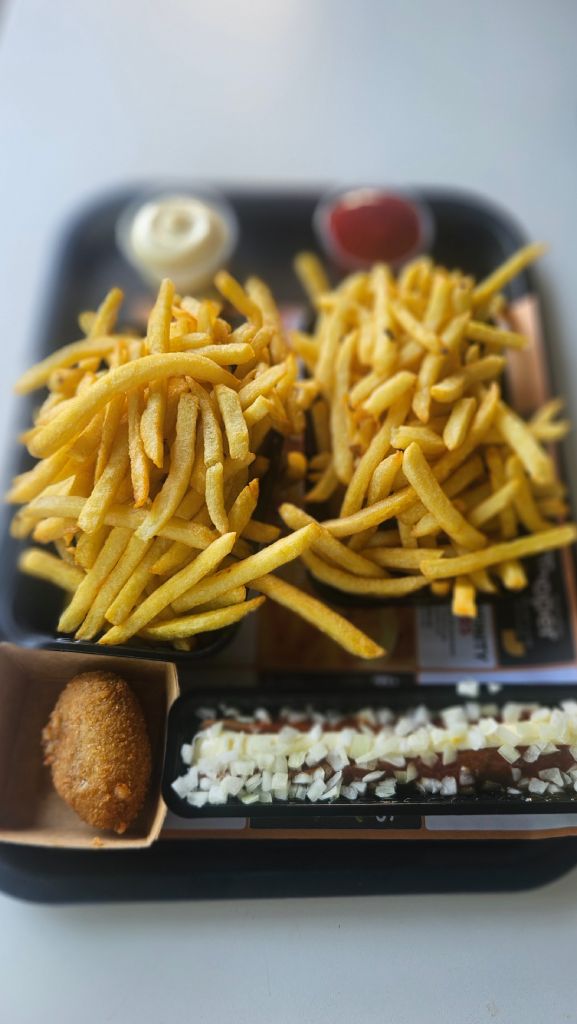
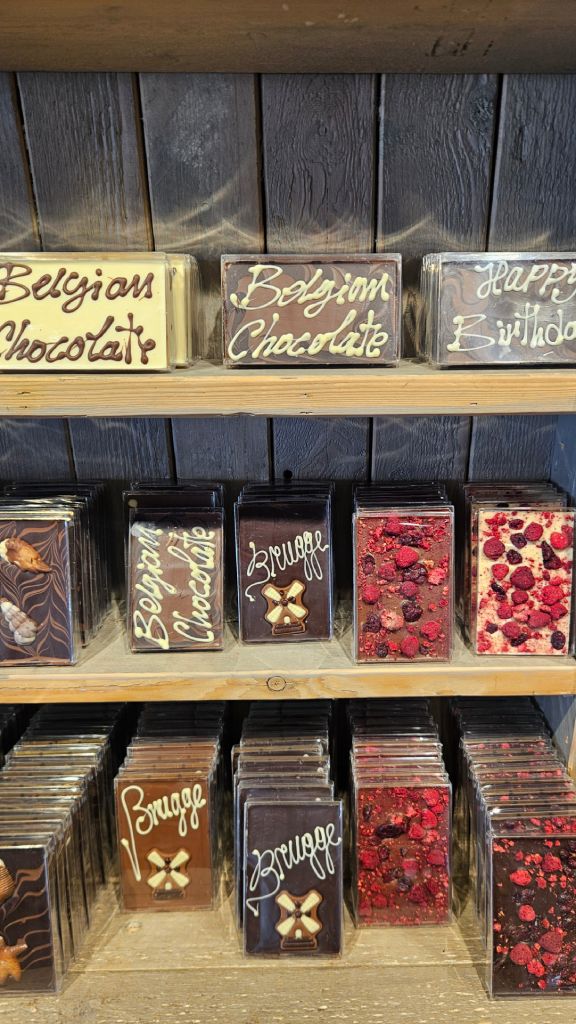
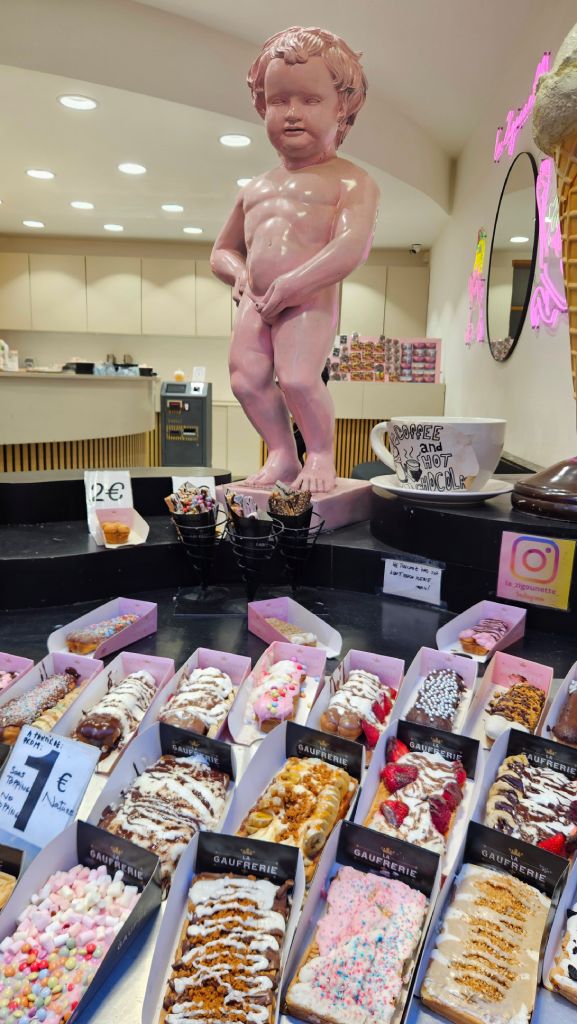
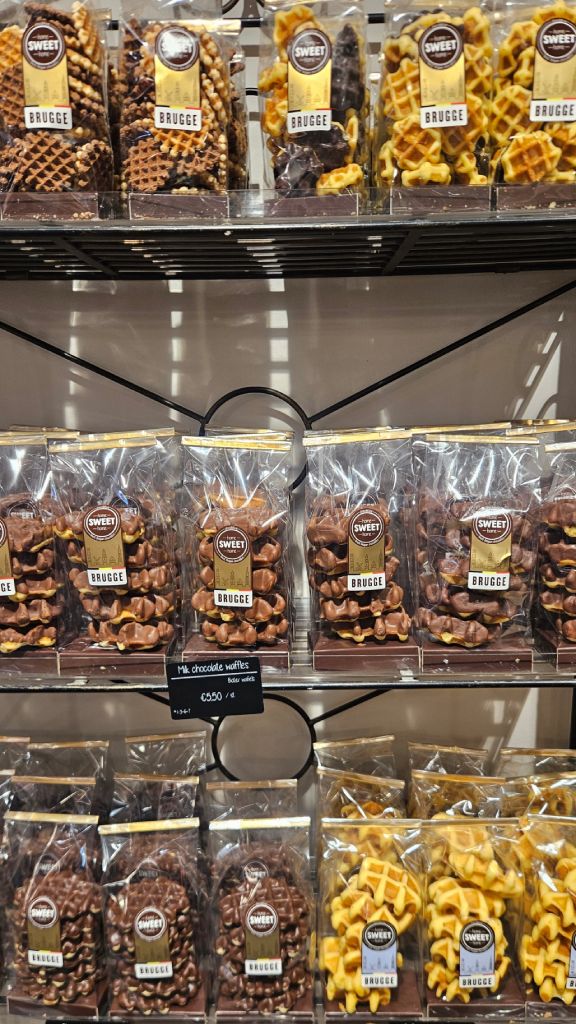
I had the feeling that everything in the tourist areas revolved around waffles, chocolate and fries. All three are famous Belgian specialties, but they have become too commercialized.
While a traditional Belgian waffle is very simple, or just served with sugar, I could find at least 20 different combinations in tourist places. Waffles with cream, strawberries and different fruits are simply not traditional.
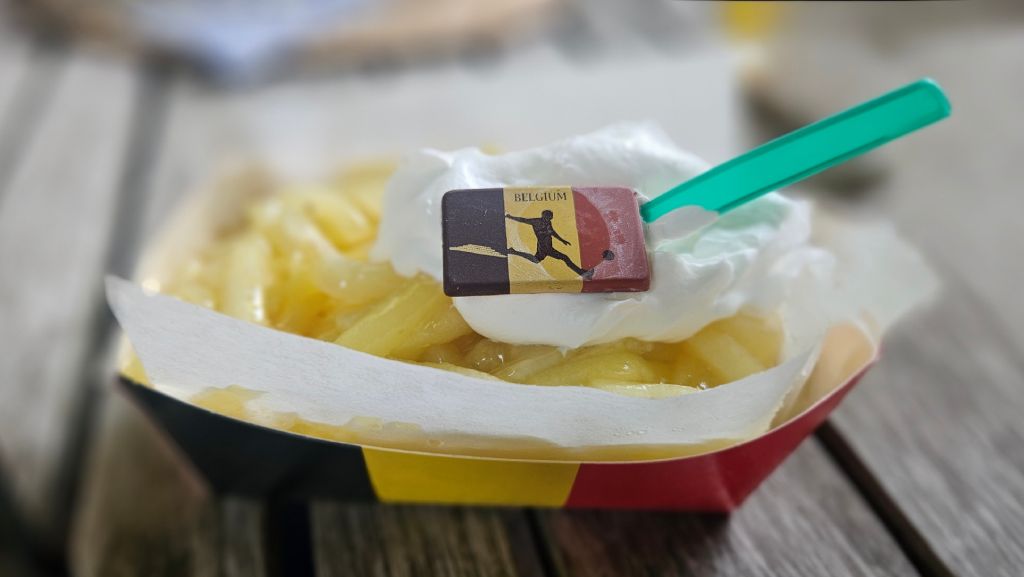
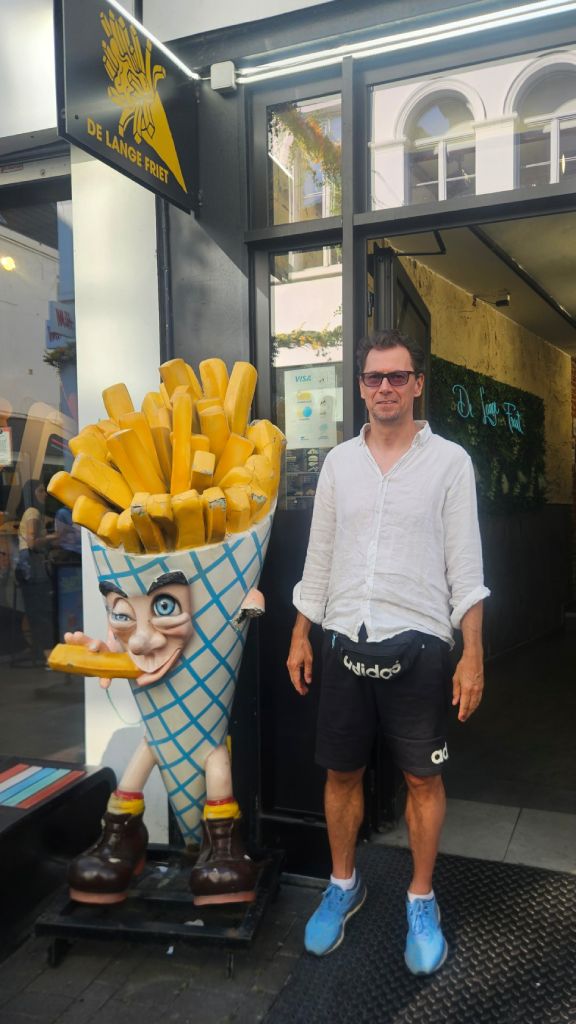
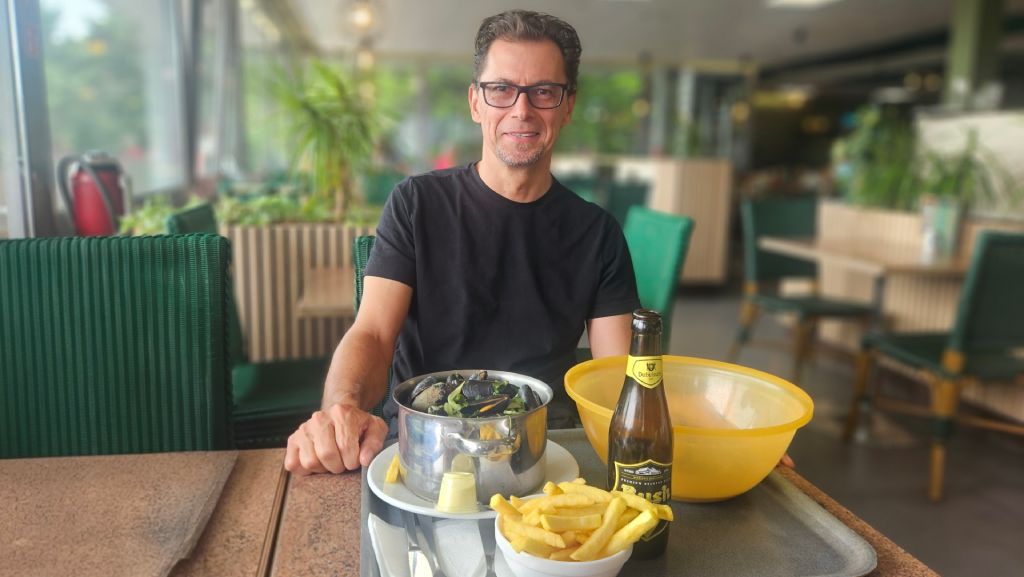
Belgian fries are also sold everywhere, in large quantities, with many different flavors at inflated prices. On the recommendation of a local friend, I visited a restaurant that was supposed to serve authentic and good-quality fries. I was not particularly impressed by the taste or texture.
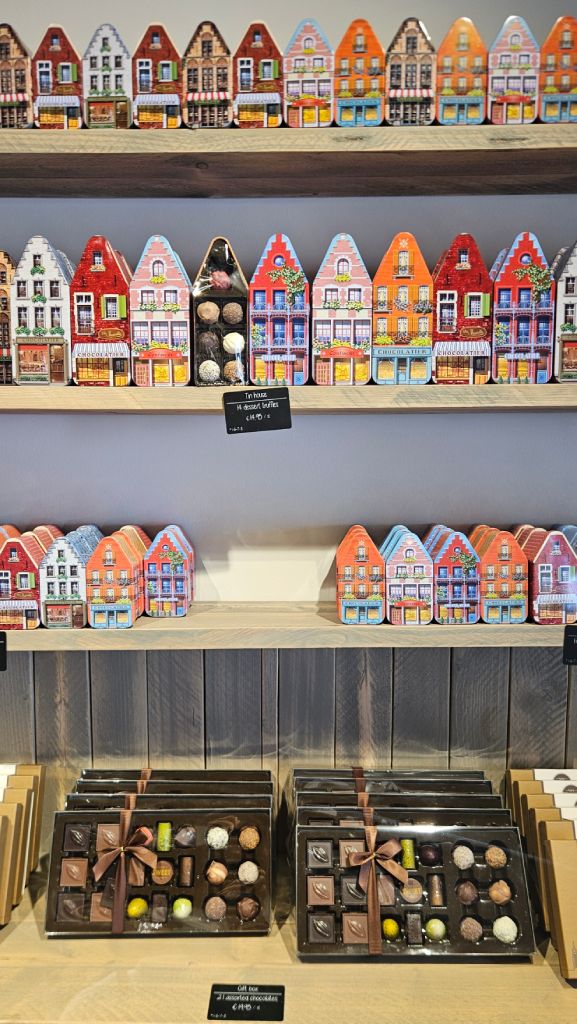
Chocolate is sold in all possible shapes and flavors. From pralines and chocolate bars to combinations with waffles and even chocolates shaped like the most famous Belgian landmarks. They all have one thing in common: they are very expensive, so I mostly stayed away from them.
Brussels has changed
The next morning, I returned to Brussel’s center at 6:00am, because I wanted to explore it once again. The early morning light, almost no traffic and the quiet streets showed me the city from different perspective.
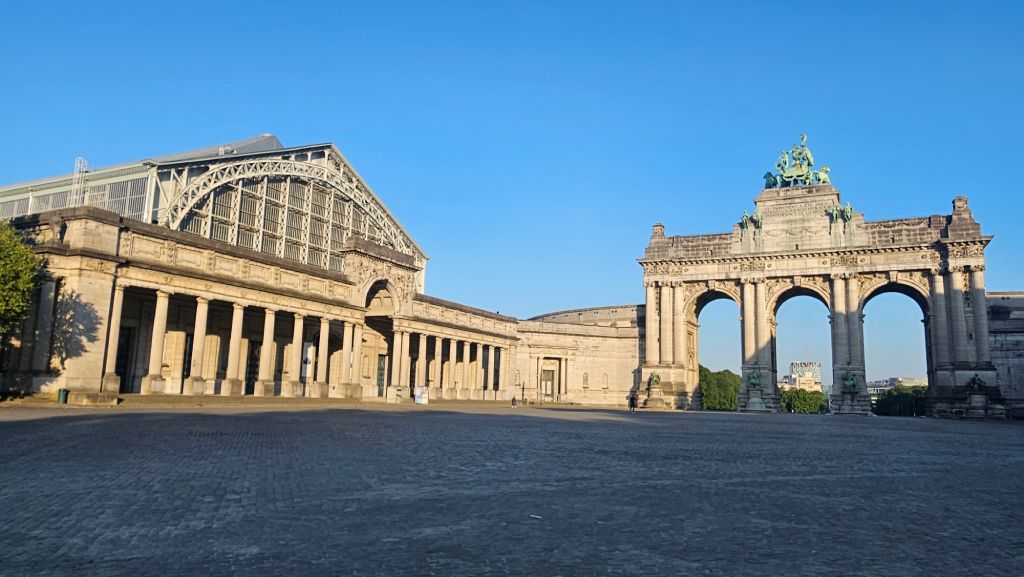
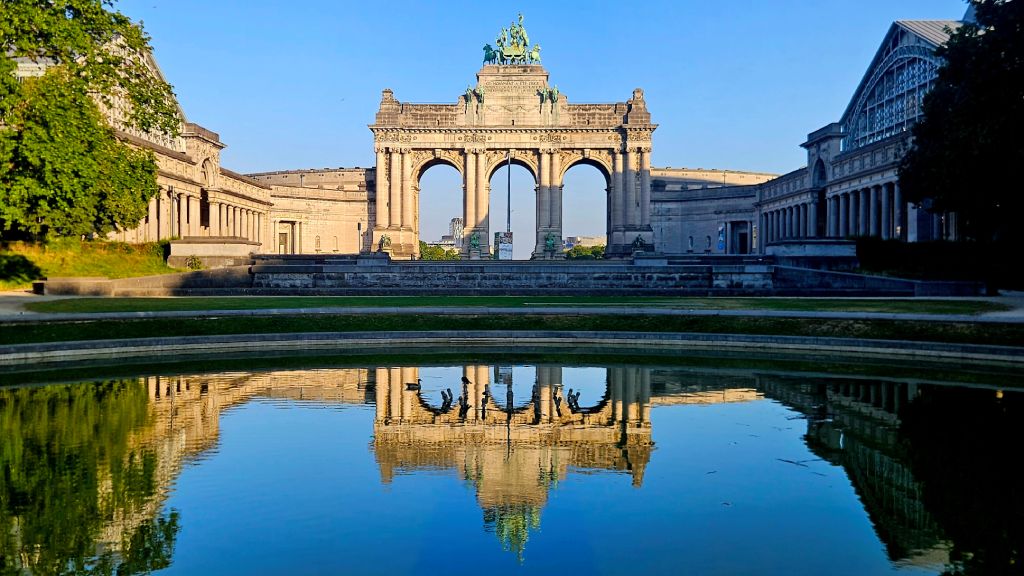
I easily found a parking place not far from Parc du Cinquantenaire. During a pleasant walk through the park, I watched the first joggers running before work. The Triumphal Arch was perfectly reflected in a small lagoon. The Berlaymont was waking up in the first rays of sunlight, although construction work on the square was still not finished.
In the center of Brussels, I came across quite a few homeless people and beggars resting in specially designated areas. Street cleaners only started collecting the remains of the previous day around 8:00am. At the Grand Place they were preparing a stage for people to watch a football match that Belgium would play the next day.
Brussels will stay in my memory in a much better way than it did 35 years ago, when I visited it as a backpacker.
Europeanization and multiculturalism have significantly changed the Belgian capital. Probably for the better for some, and for the worse for others.
Medieval Ghent and Bruges
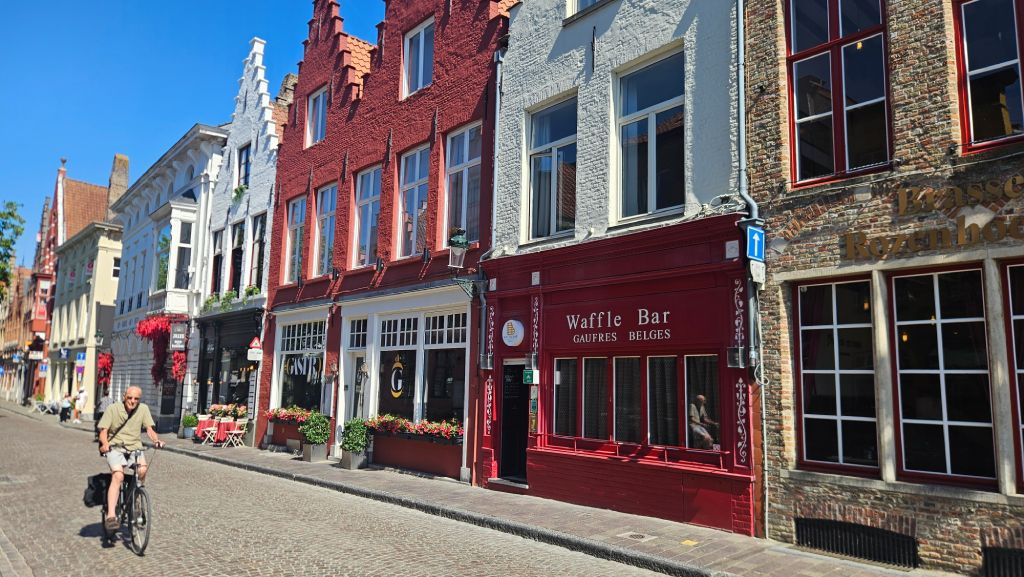
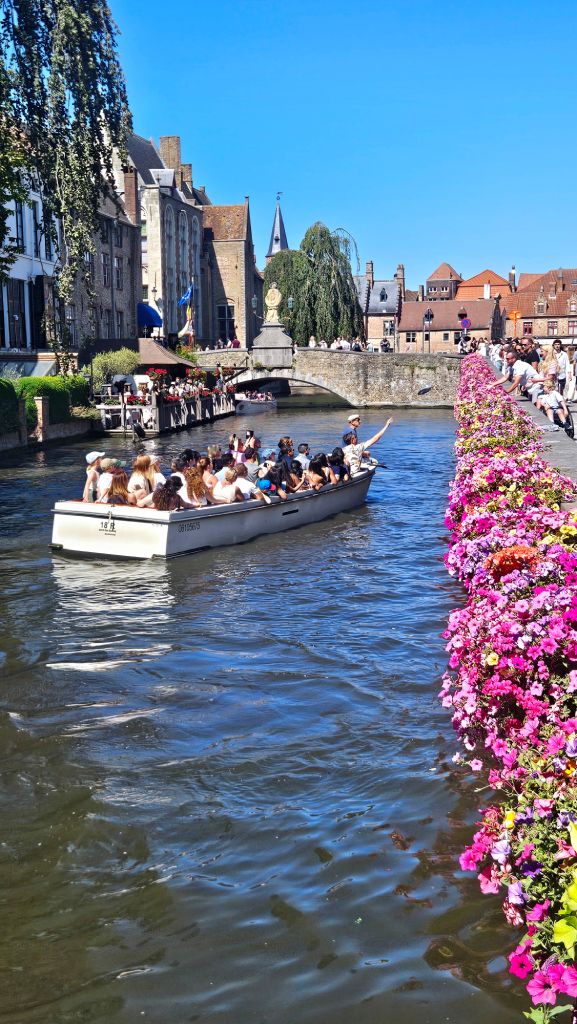
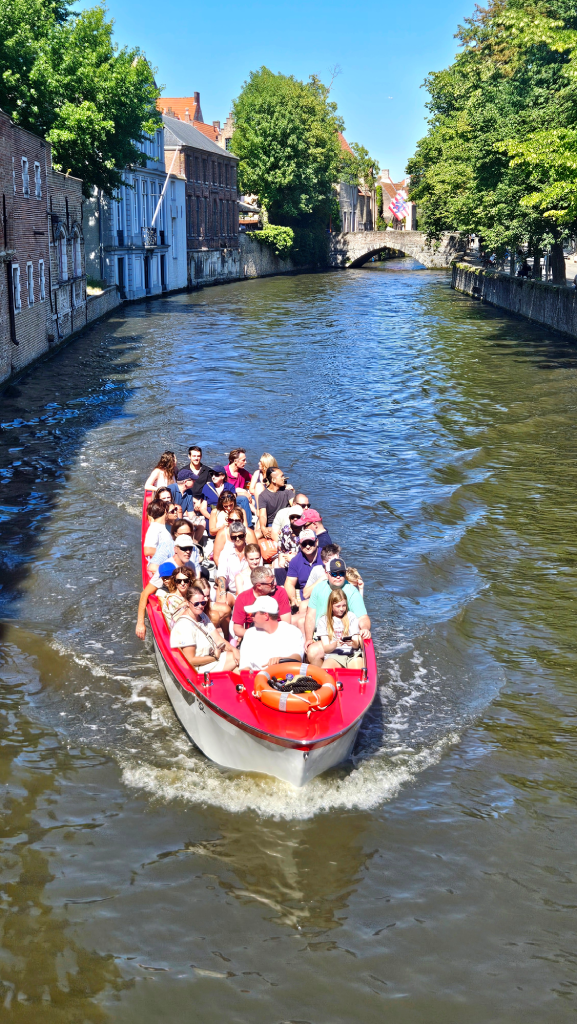
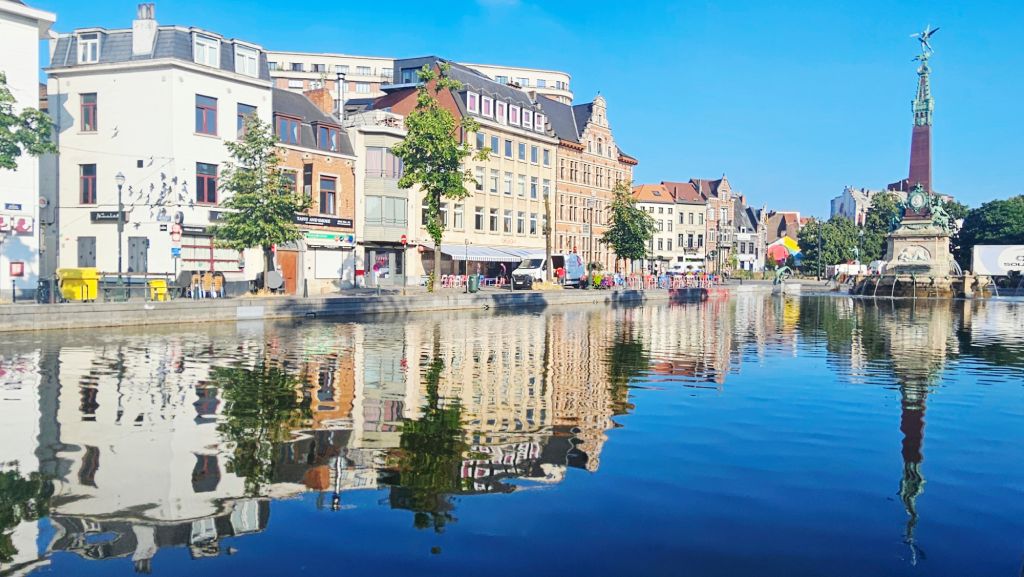
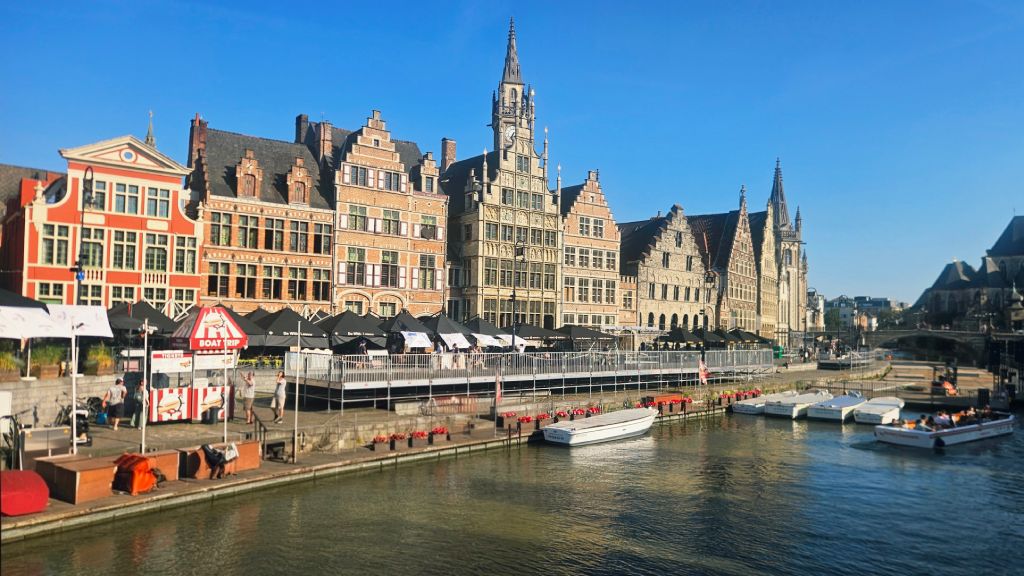
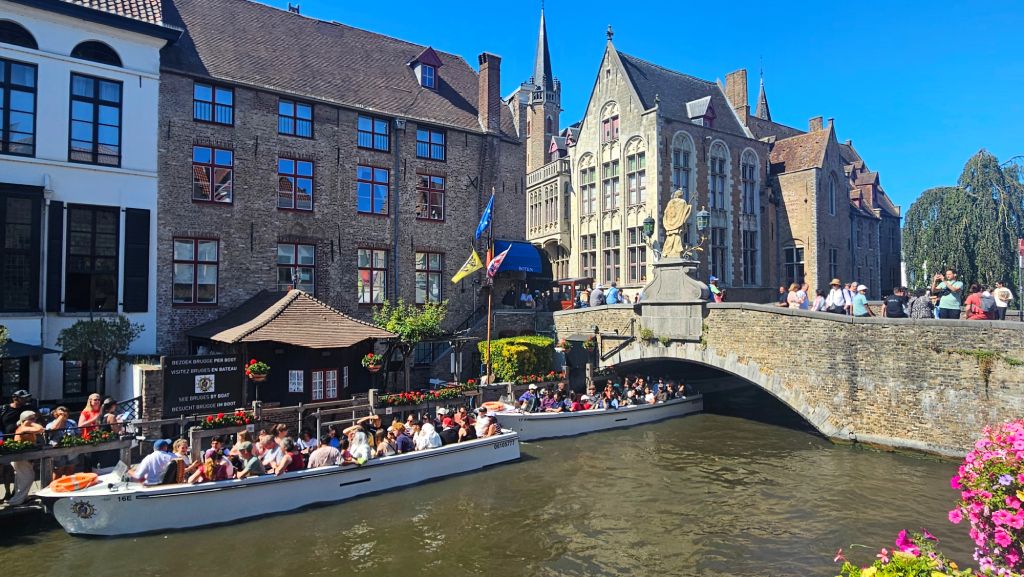
Ghent and Bruges felt similar to me in terms of architecture and history. Both are historic Flemish cities with canals, medieval architecture, guild houses and churches. They are very popular with tourists, and one of the main attractions is a boat ride along the canals.
Although seeing the historic buildings from the water is so popular activity, I decided to avoid it and simply walked through the city centers.
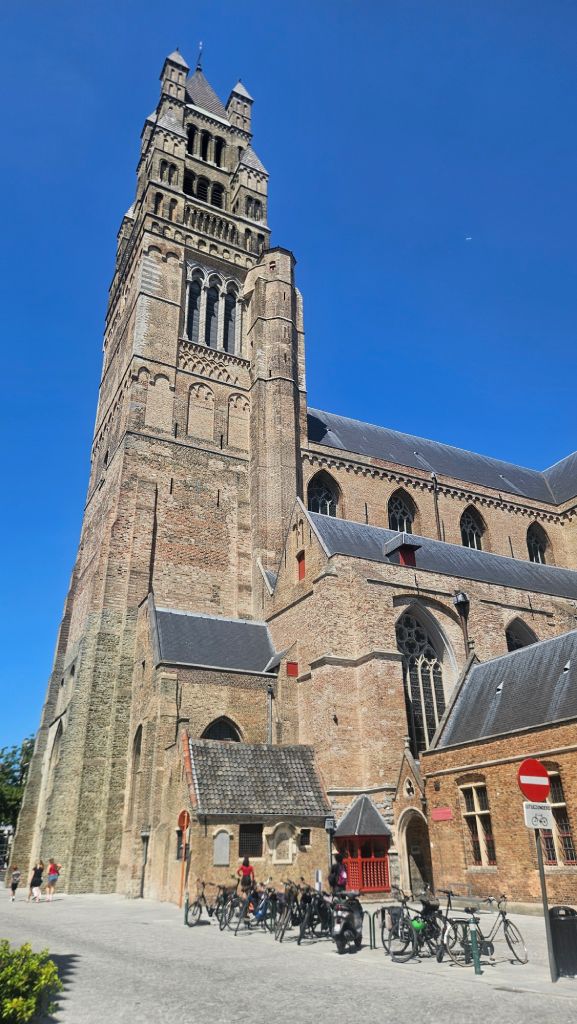
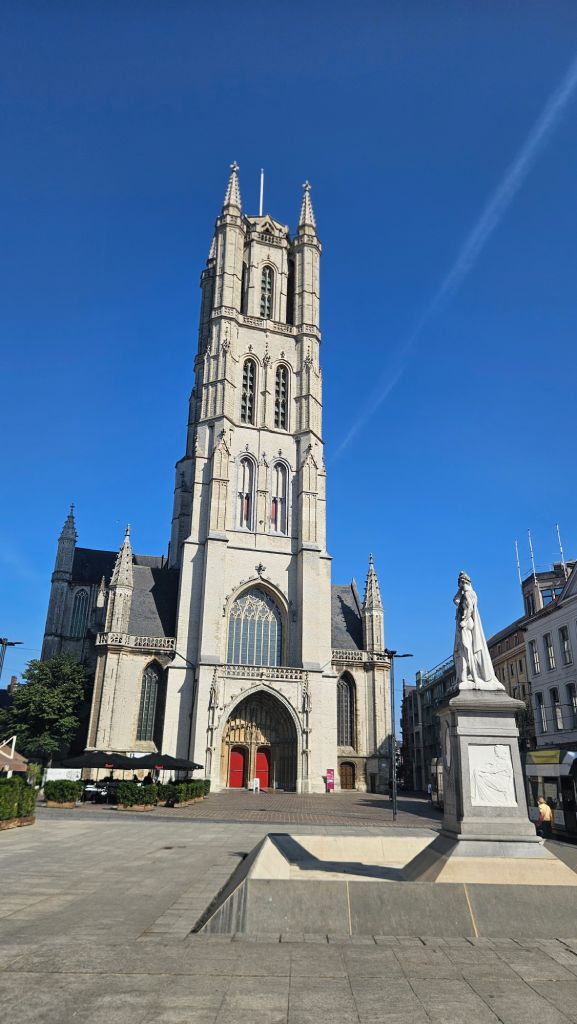
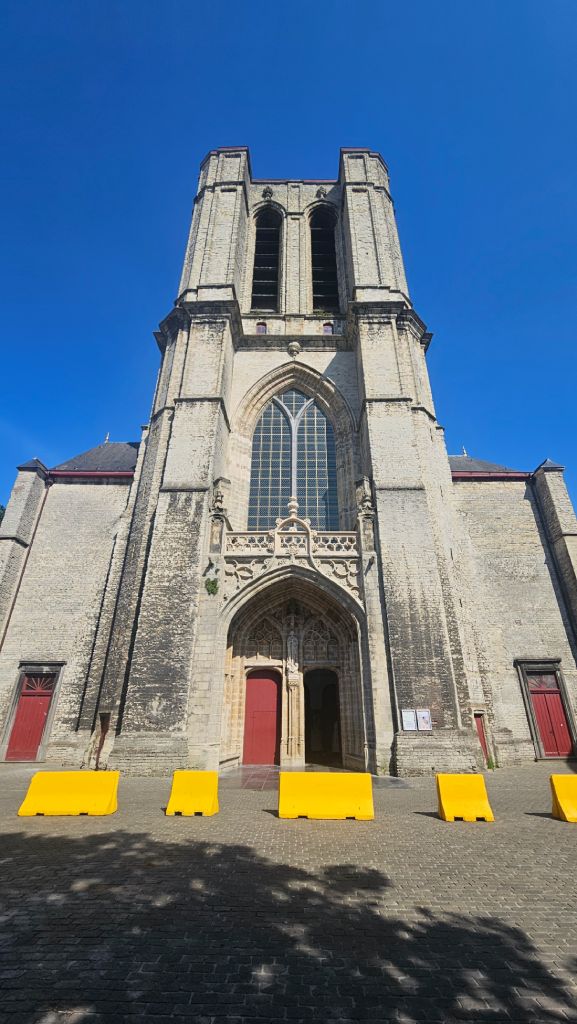
I parked my car in a parking garage near Saint Michael’s Church and walked towards Ghent old town. It was hot in the middle of summer, but not too humid.
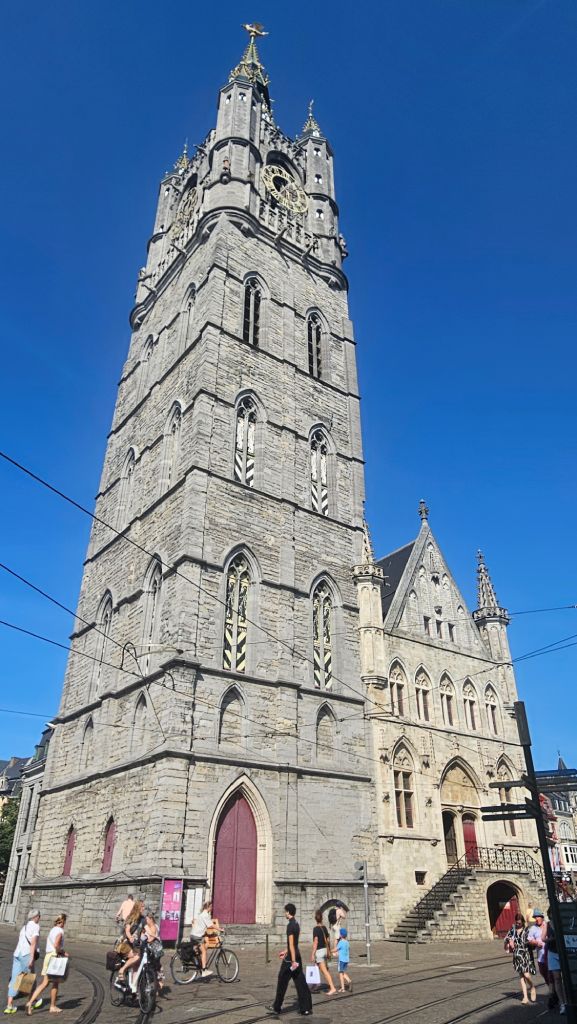
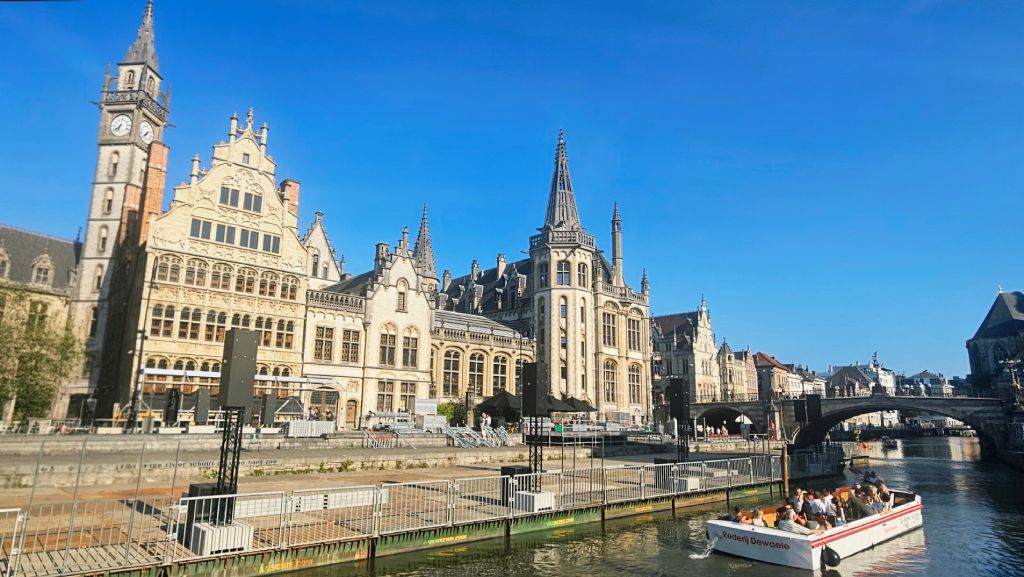
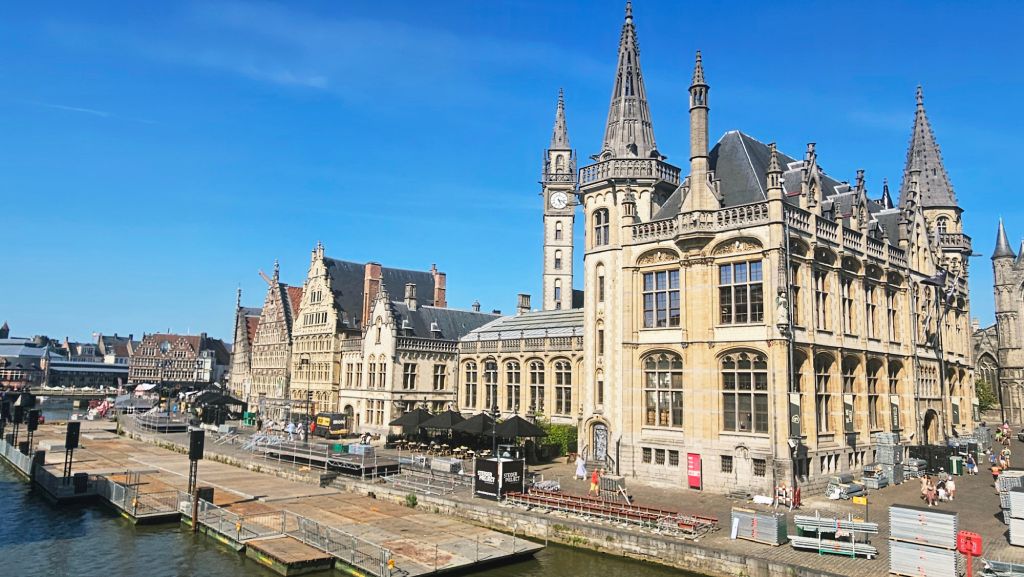
I stopped at some of the most popular places to visit, which were, after all, just sights. Medieval castle, impressive churches, famous Belfry, and the picturesque waterfront around Graslei and Korenlei.
Belgian fries are popular, but I did not try them because I found the prices quite high.
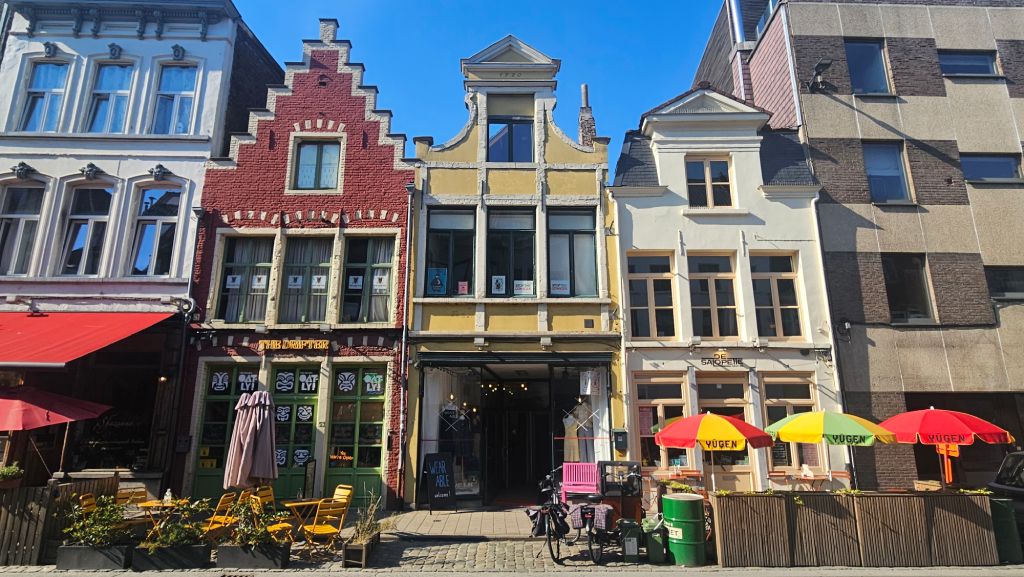
Bruges has a more consistently preserved medieval center therefore the entire historic town is part of UNESCO world heritage.
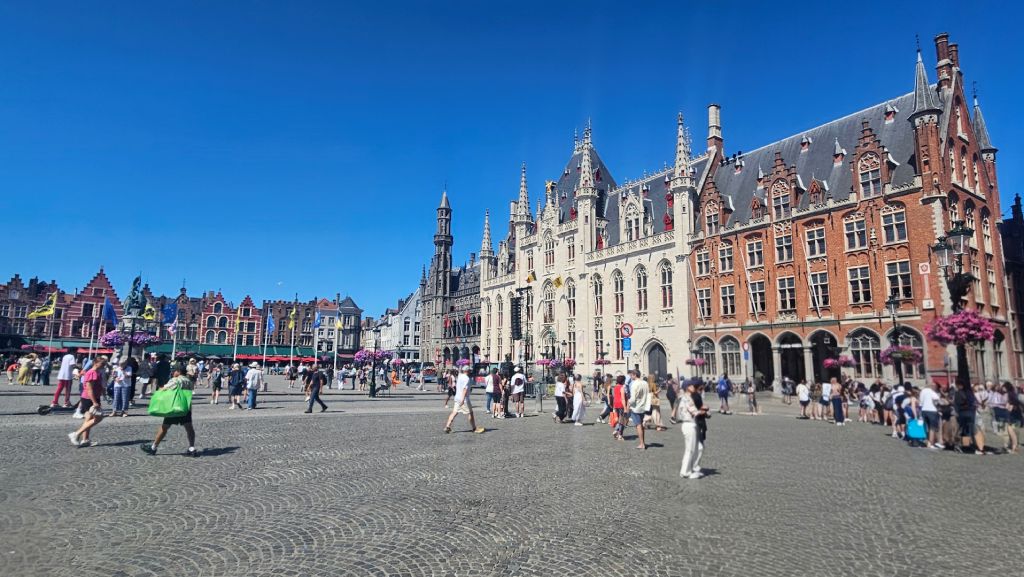
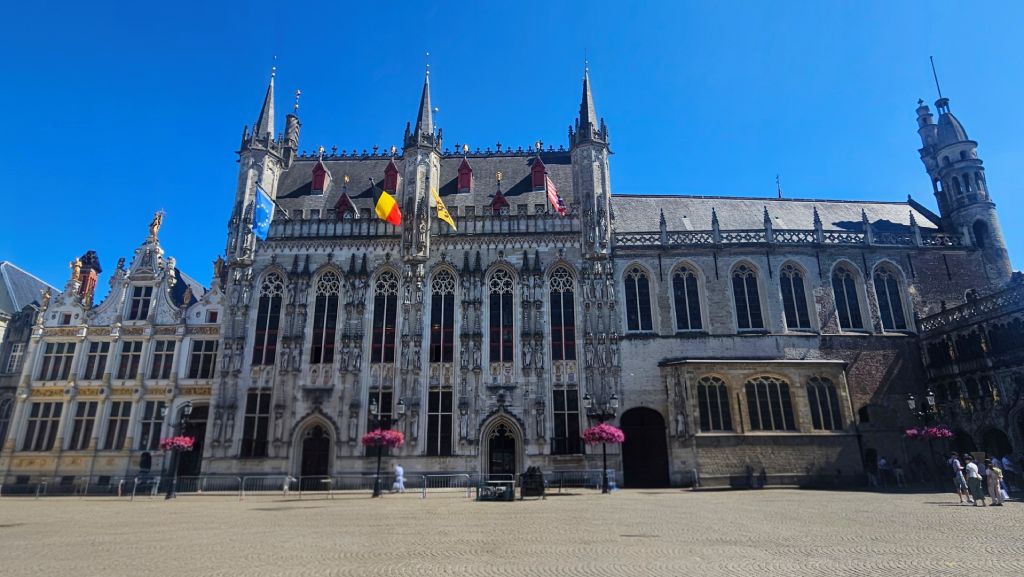
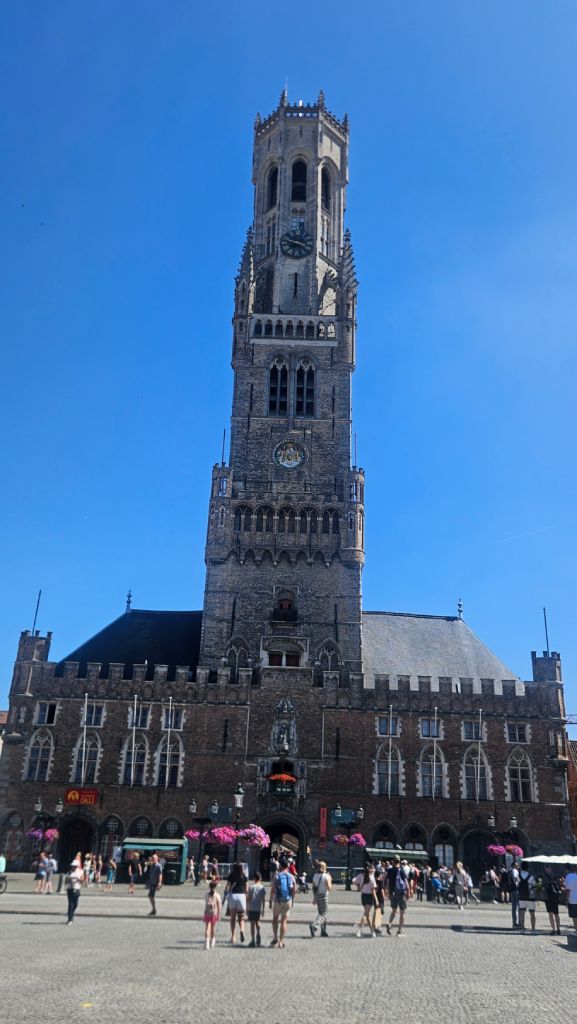
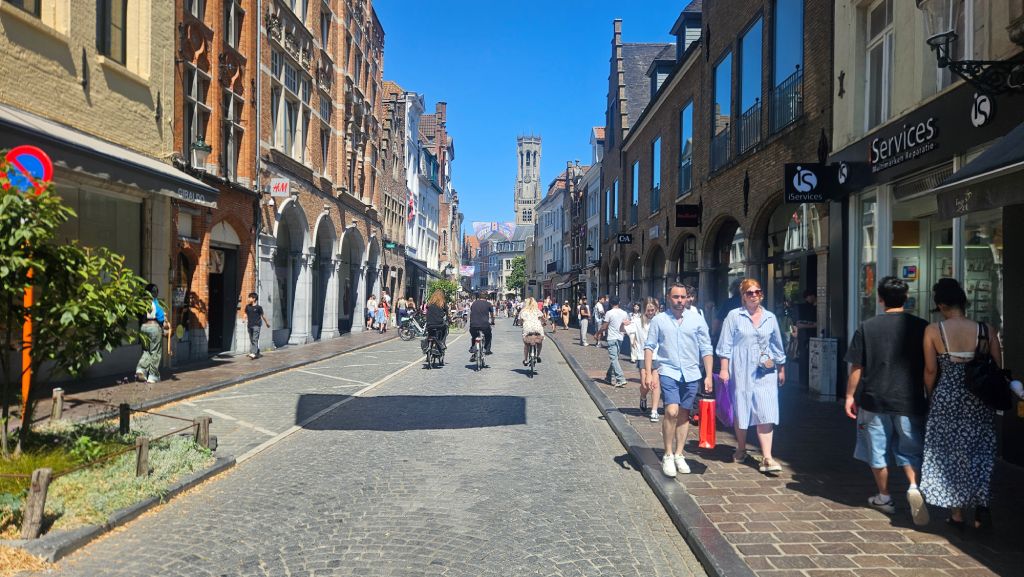
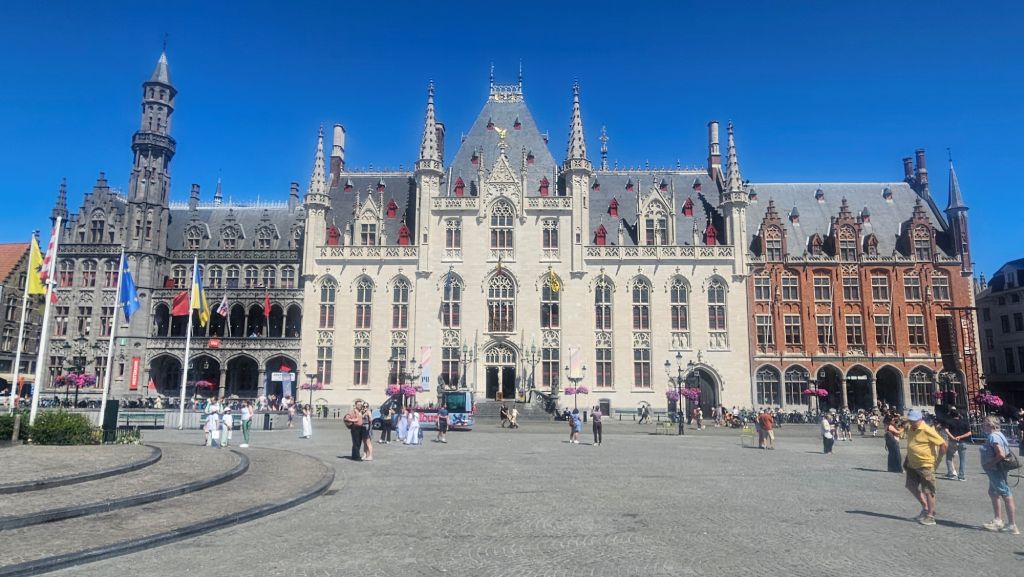
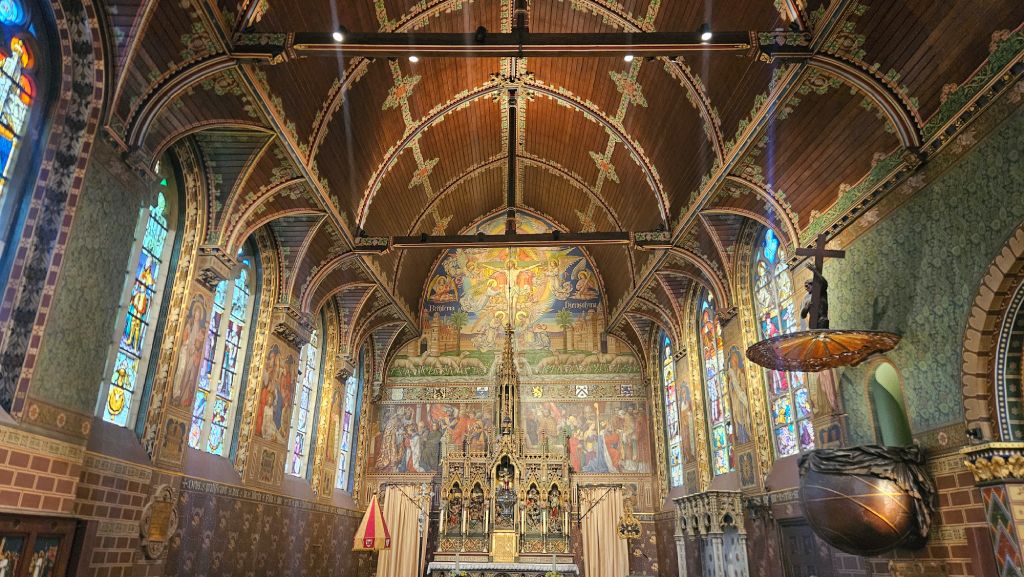
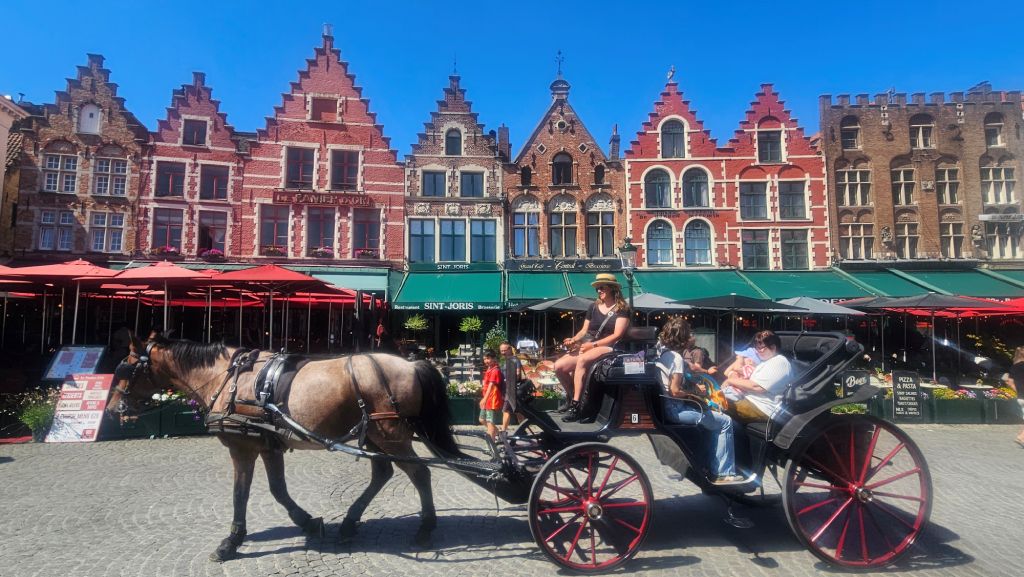
I walked through the historic center and along the canals, lined with many beautiful medieval buildings. I visited the main sights of Bruges, located around Markt Square, including the City Hall, the Jan Breydel and Pieter de Coninck Monument, the Basilica of the Holy Blood and the famous Belfry.
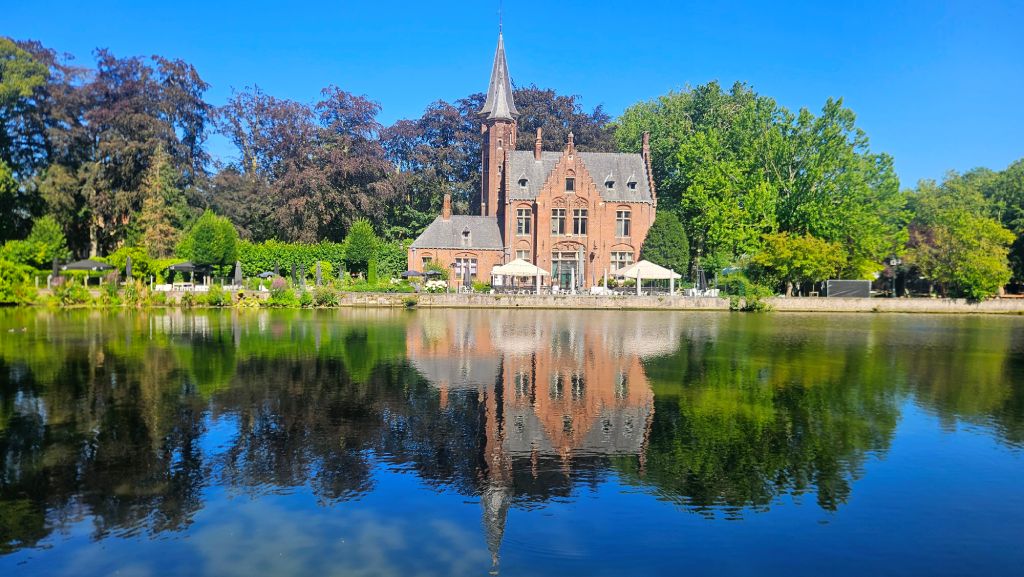
Kasteel de la Faille, directly beside the canal, was especially beautiful in the afternoon when it was reflected in the water.
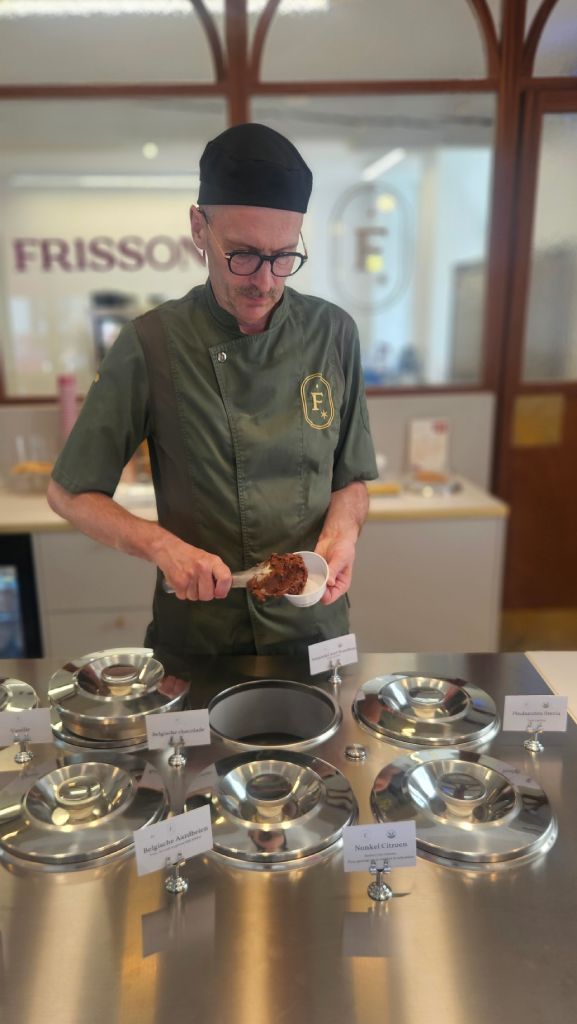
To finish my visit, I went far from the downtown and treated myself with artisanal ice cream.
Reflections on my visit to Belgium
Belgium is a developed Western European country with a lot of international influence. Brussels is a world of its own. With so many expats, especially Europeans, the city has a very different atmosphere from the rest of the country. It is home to more than 180 nationalities, while the European institutions give the capital a strong international character.
After spending some time with locals, I got the feeling that many Belgians distance themselves from what happens there and don’t see Brussels as a real reflection of Belgian culture.
The high quality of life and well-preserved old towns attract more and more tourists. At times, the centers of Brussels, Ghent and Bruges can feel too touristy, crowded and even a bit kitschy.
Belgium Travel Photo Gallery