My Netherlands travel summary:
Visited: July 1991, July 2026
Duration of visit: 8 days
Capital city: Amsterdam
Population: 18.4 million (2026)
The Netherlands travel blog reading time: 10 minutes
Attractions and places I visited in The Netherlands:
- After mi time in Paris, Amsterdam emerged as the singular European city I desired to discover.
- The expensive city is distinguished by numerous bicycles, scenic canals and liberal principles.
The Netherlands had never ranked high on my travel priorities, despite being home to countless world-famous attractions, picturesque places to visit, and exciting things to do.
Although it was one of the first countries I visited while backpacking through Western Europe (1991), I didn’t return until July 2026, when I finally explored it properly as part of a trip combined with Belgium.
My first hitchhiking adventure – 1991
My first backpacking adventure began in the summer of 1991, when my schoolmate Andrey and I traveled around Western Europe. He dreamed of seeing the Eiffel Tower, while I was eager to hitchhike and meet new people.
In the middle of Slovenia’s War of Independence, my father drove us through military barricades in his old Yugo to Ljubljana. From there, we took a train to the Italian border and began hitchhiking along the highways. After visiting Paris, our only goal was to reach Amsterdam.
Red-Light district and police Porsche
Amsterdam, the capital of the Netherlands, is famous for its canals, liberal culture, Red Light District, and tolerant approach to marijuana. It is also one of Europe’s most expensive cities, with more bicycles than residents, compact houses, and high prices.
One of Amsterdam’s best-known attractions is the Red-Light District, where prostitution is legal and regulated. Along the canals and narrow side streets, sex workers stand behind illuminated windows, while customers negotiate services before entering.
Naturally, we couldn’t resist visiting this famous neighborhood. My friend was particularly curious and, after researching the market, finally chose the most attractive woman and went inside to ask about her rates.
I waited outside while he spent about five minutes talking with her. When she returned to her window, it was obvious that no agreement had been reached.
“This is absurd, Rok! Why are we so poor? Let’s get out of here.”
As young backpackers from Central Europe, we simply couldn’t afford the prices. Spending that much money would have left my friend without enough funds to continue our Netherlands travel adventure.
While hitchhiking along a Dutch motorway, we found ourselves in a rather unusual situation. As the rain started, we took shelter under a bridge and used the opportunity to dry our tent. To our surprise, a police car suddenly appeared and warned us to move out of the highway.
I couldn’t believe that the Dutch traffic police were driving a Porsche 911.
Unfortunately, this time they did not give us a ride in their vehicle, as had happened two weeks earlier in France.
The Hague, Rotterdam, Amsterdam
In the summer of 2026, I returned to the Netherlands with my family by car. This time, our journey focused on the Randstad, the country’s largest urban region of 8 million people around Amsterdam, The Hague, Rotterdam, and Utrecht. This region has to most of the Netherlands’ top attractions, famous landmarks, and exciting things to do.
Kinderdijk windmill complex
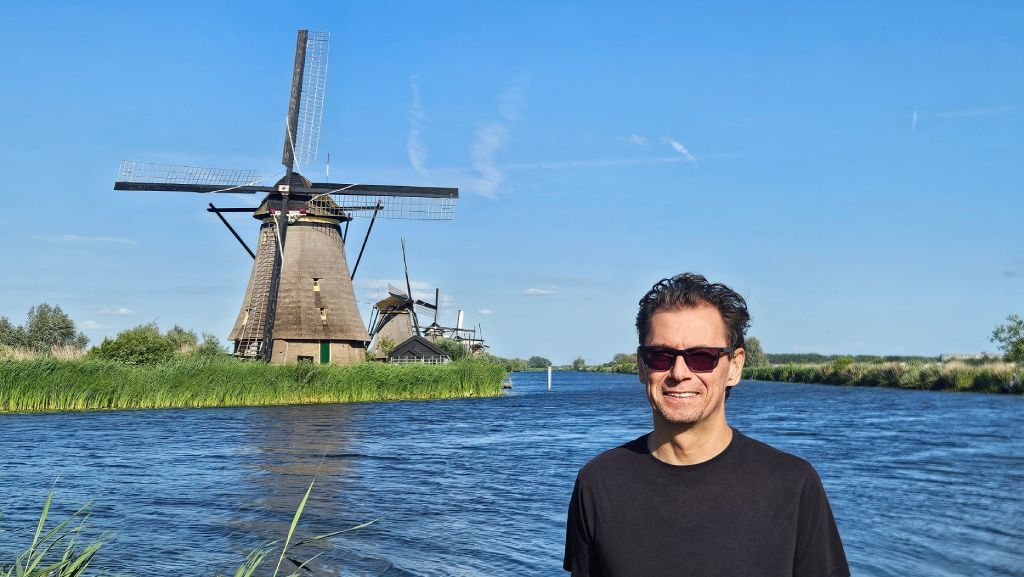
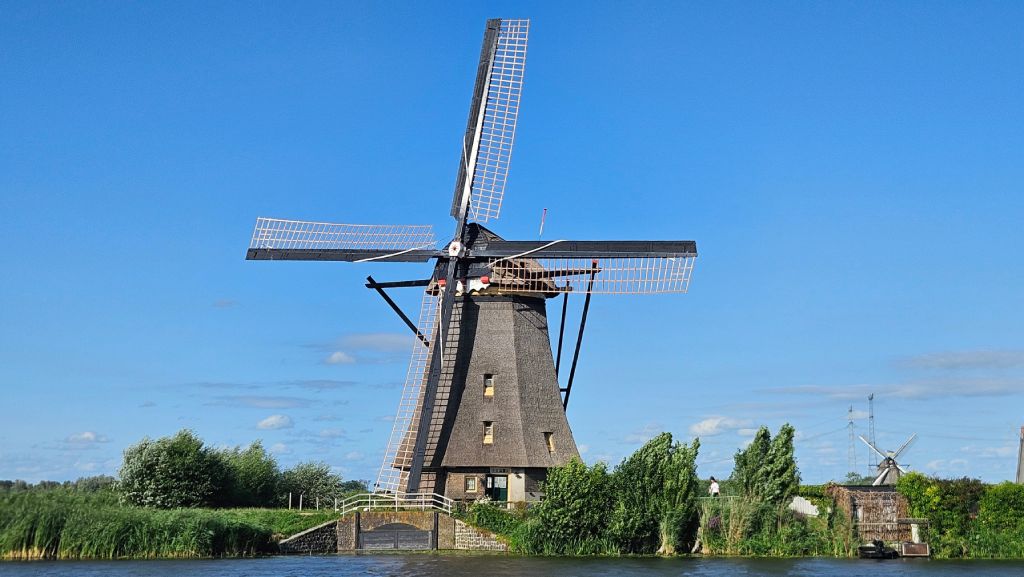
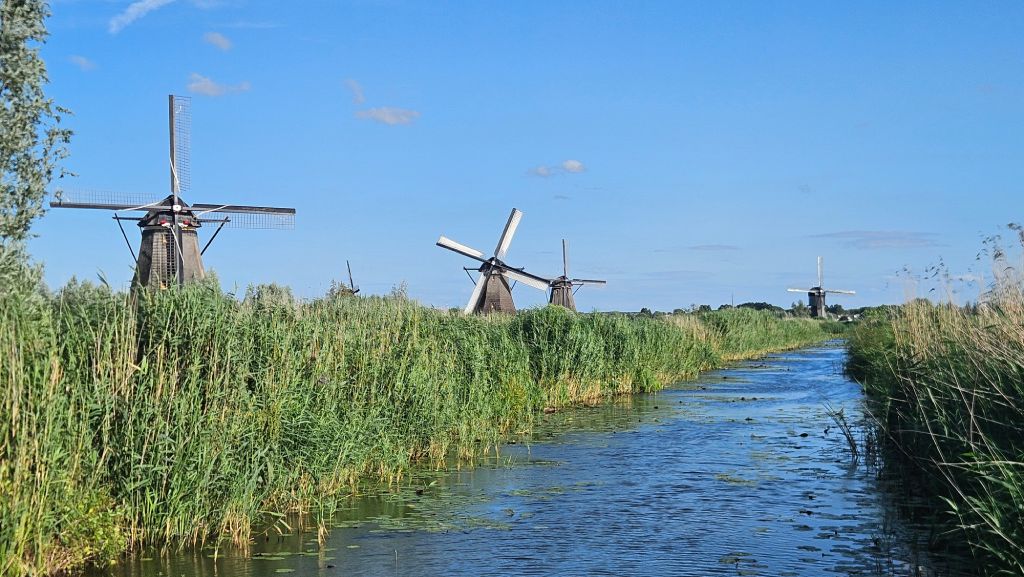
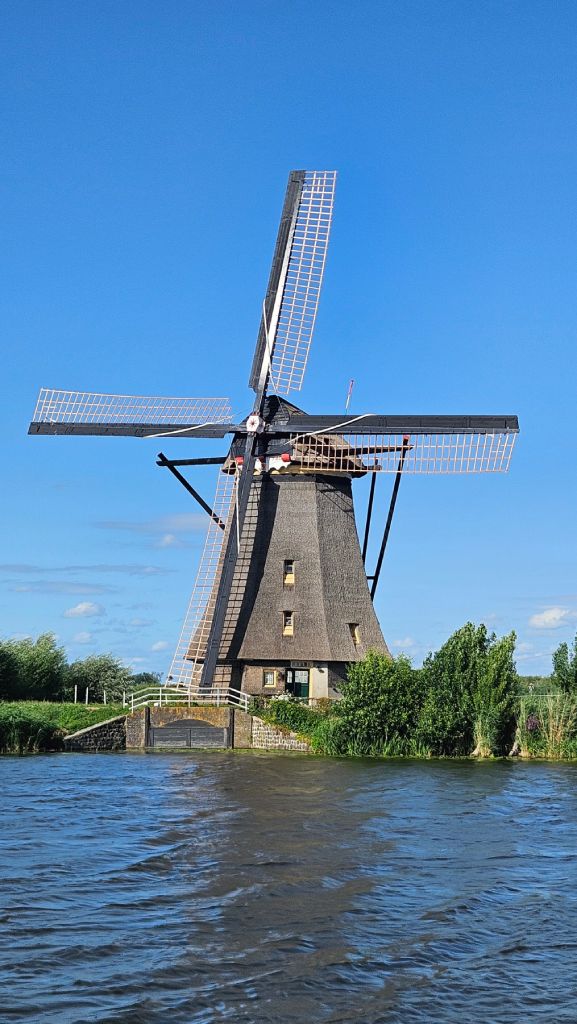
My first stop before the overnight stay was the UNESCO-listed Kinderdijk Windmill Complex. Although the museum and visitor center had already closed, the long summer evening gave us plenty of time to explore the area. We admired the 19 historic windmills, built between 1738 and 1740 to drain the surrounding polders and protect the land from flooding.
Walking through one of the Netherlands’ most iconic landscapes, listening to the powerful creaking of the windmills and admiring the perfectly maintained canals made a memorable introduction to my Netherlands travel adventure.
Driving, parking, and camping
Crossing the border, I quickly noticed several unique aspects of driving in the Netherlands. Fuel prices were among the highest in Europe, city-center parking was extremely expensive, and the motorway speed limit of 100 km/h encouraged a more relaxed driving. To avoid expensive hourly parking fees, I booked parking garages in advance, making city visits much easier and cheaper.
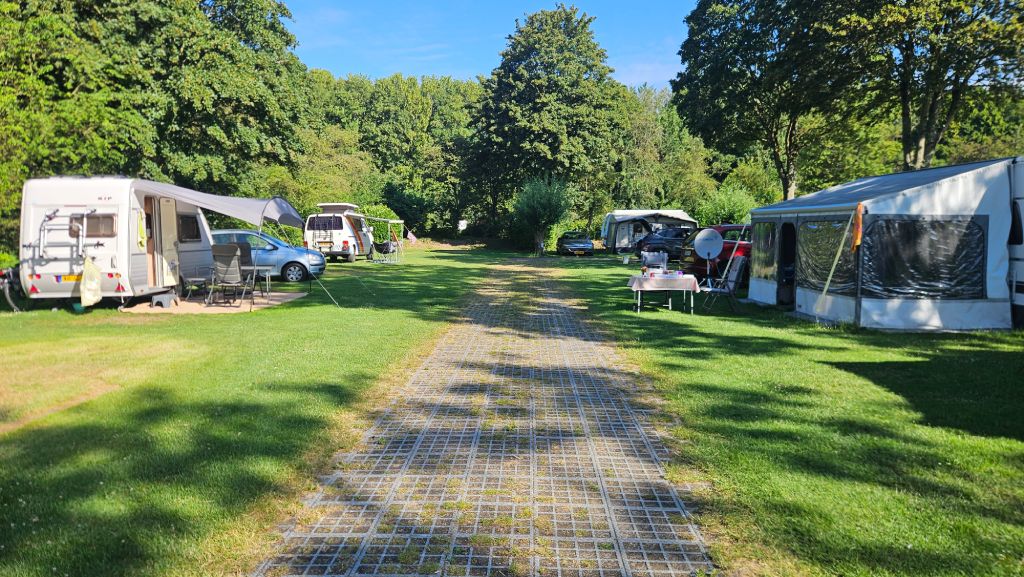
After the long drive, we settled into a campsite in Delft, conveniently located between Rotterdam and The Hague. The campsite offered spacious pitches, spotless sanitary facilities, and excellent access to nearby attractions at reasonable price.
The Hague: the political capital
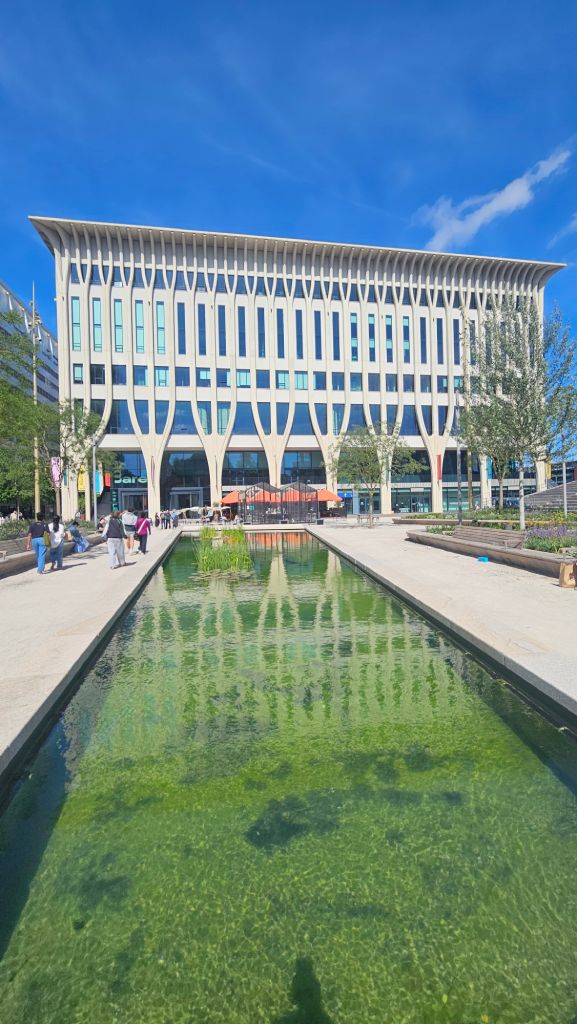
The Hague is the political capital of the Netherlands, home to the government, royal palaces, international courts, beaches, and elegant historic architecture. Although it is much less touristy than Amsterdam, I found some interesting attractions and places to visit.
Most government buildings and palaces are closed to the public.
Therefore, I admired them only from the outside while enjoying a pleasant walk through the historic city center.
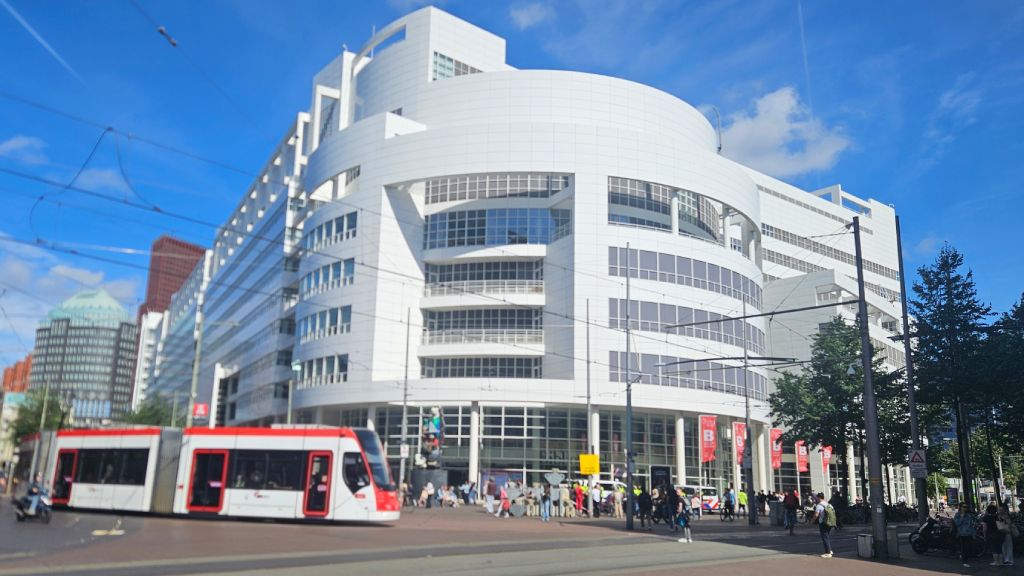
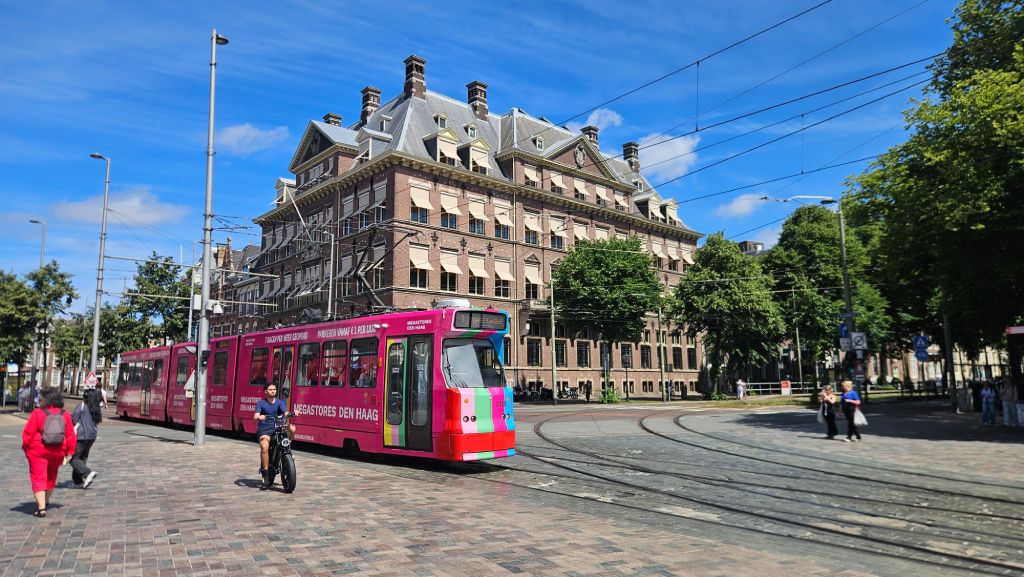
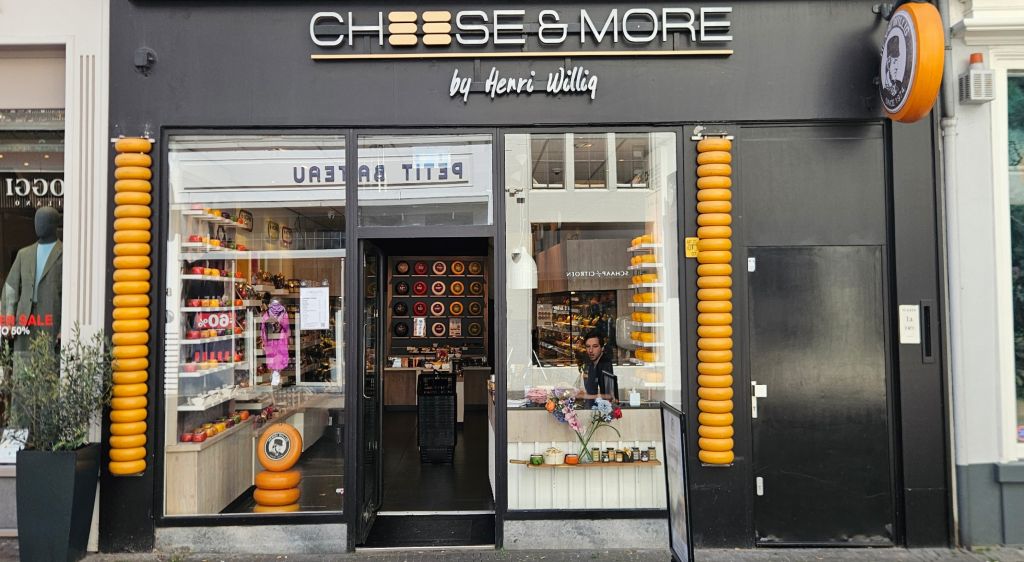
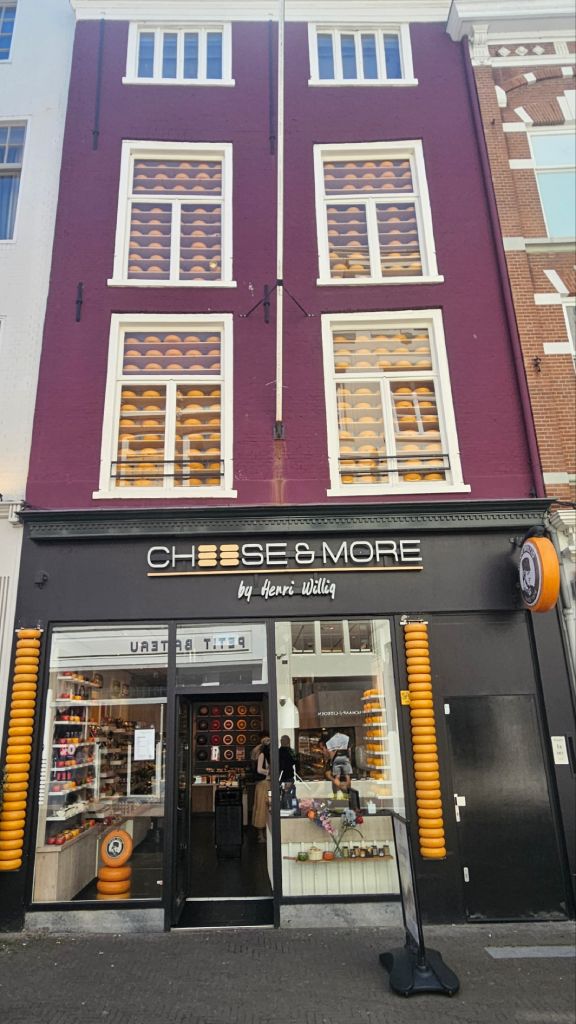
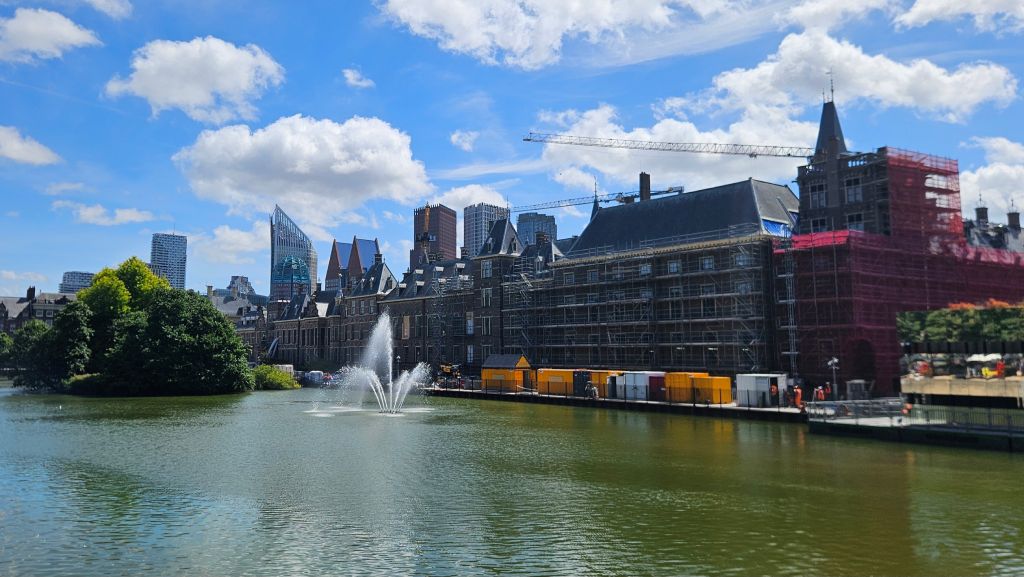
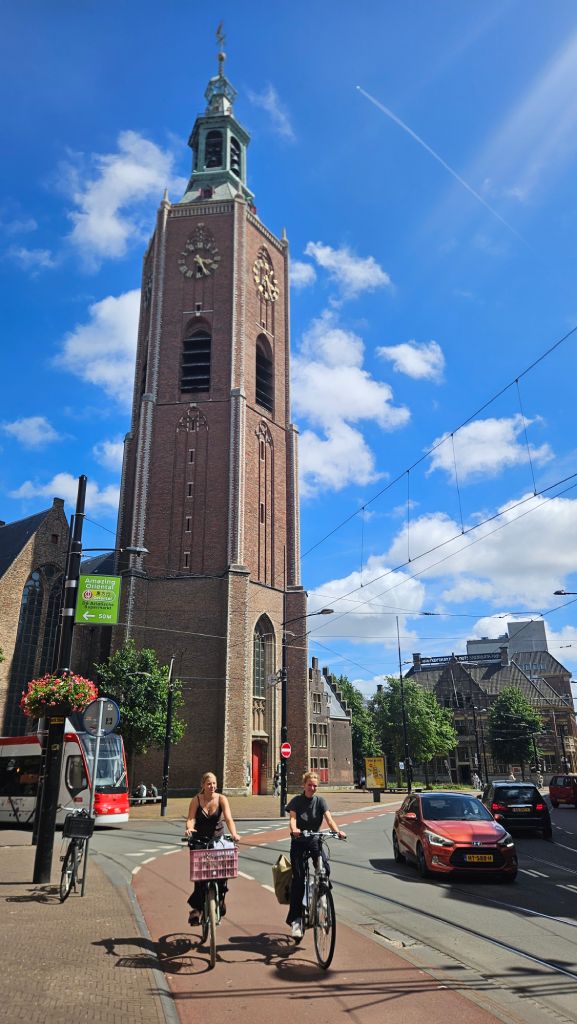
The Mauritshuis displays masterpieces by renowned Dutch painters, while the medieval Binnenhof has served as the heart of Dutch politics for centuries. Nearby, Noordeinde Palace functions as the King’s official workplace, surrounded by elegant streets, galleries, and gardens. I also passed the Peace Palace, home to the International Court of Justice, but only saw it from the car. Somehow, the highlights of my visit became an Italian ice cream vendor, Cheese & More, and endless streams of cyclists.
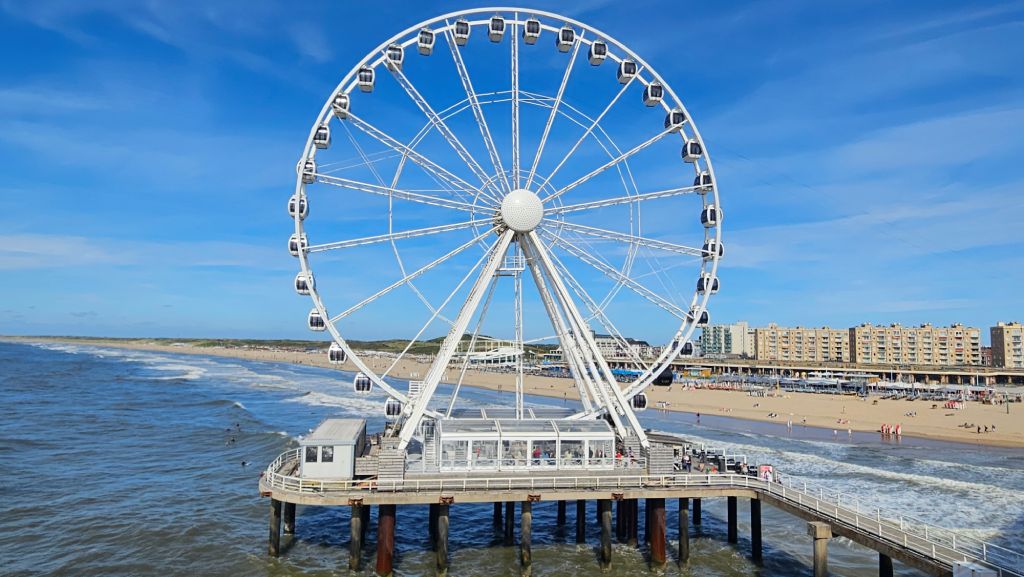
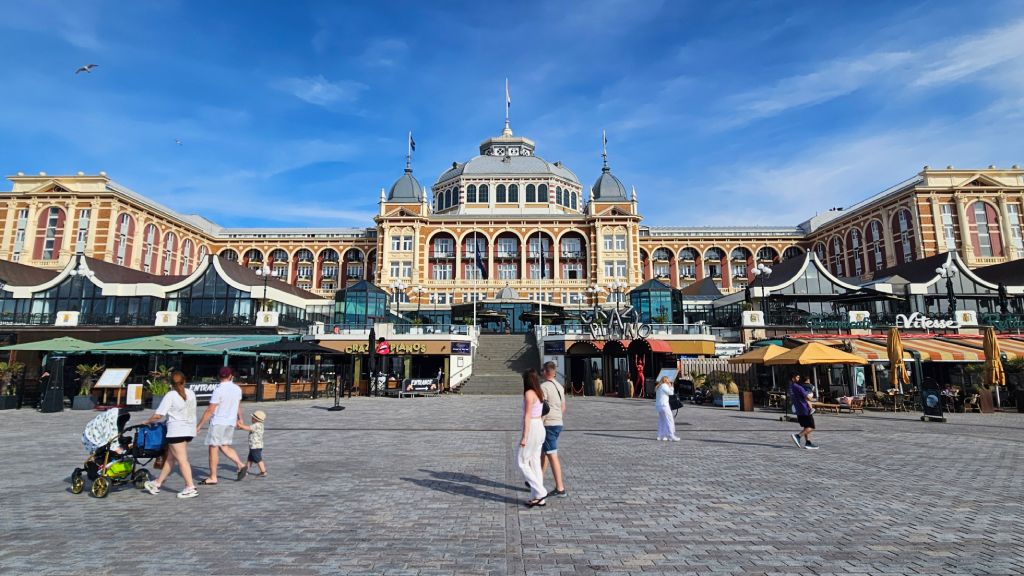
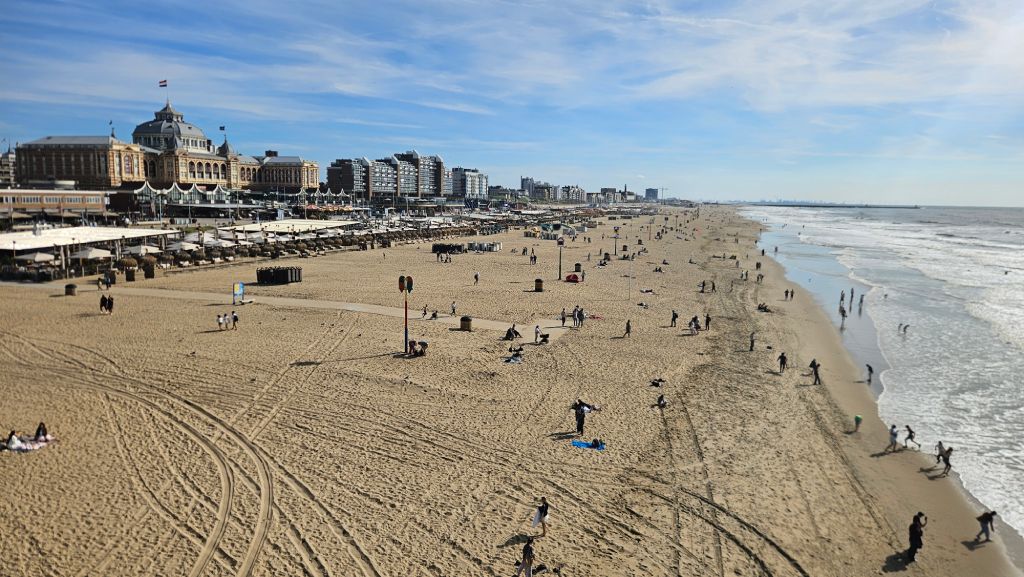
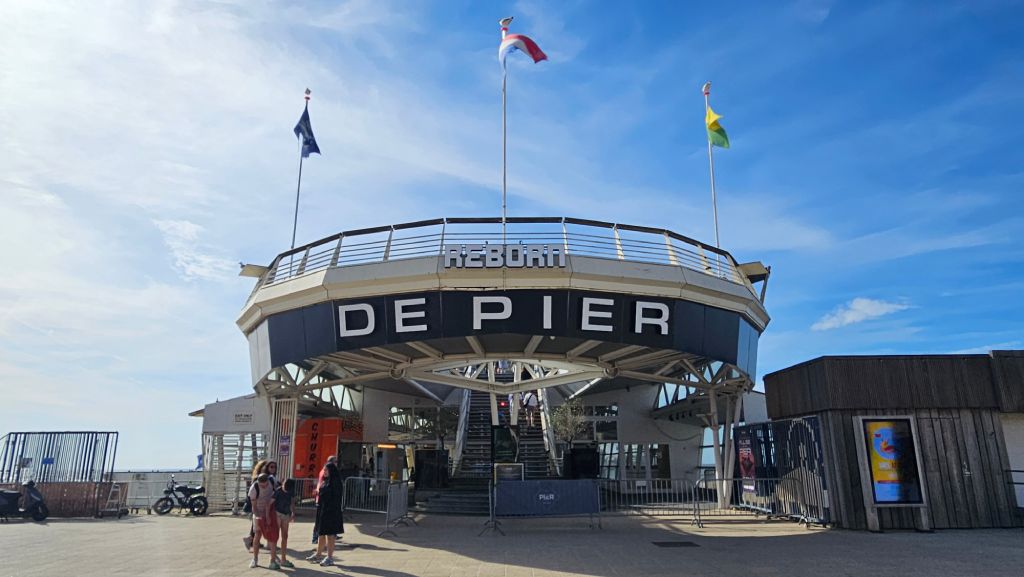
Later, I continued to De Pier on the North Sea coast. The impressive waterfront is lined with bars, restaurants, luxury hotels, and entertainment facilities. Walking along the pier and the beach, I watched dedicated surfers braving the cold North Sea in search of small waves.
Even more memorable than the walk itself was the astonishing parking fee – €6 per hour in a car park just a short distance from De Pier.
Rotterdam: Europe’s largest port
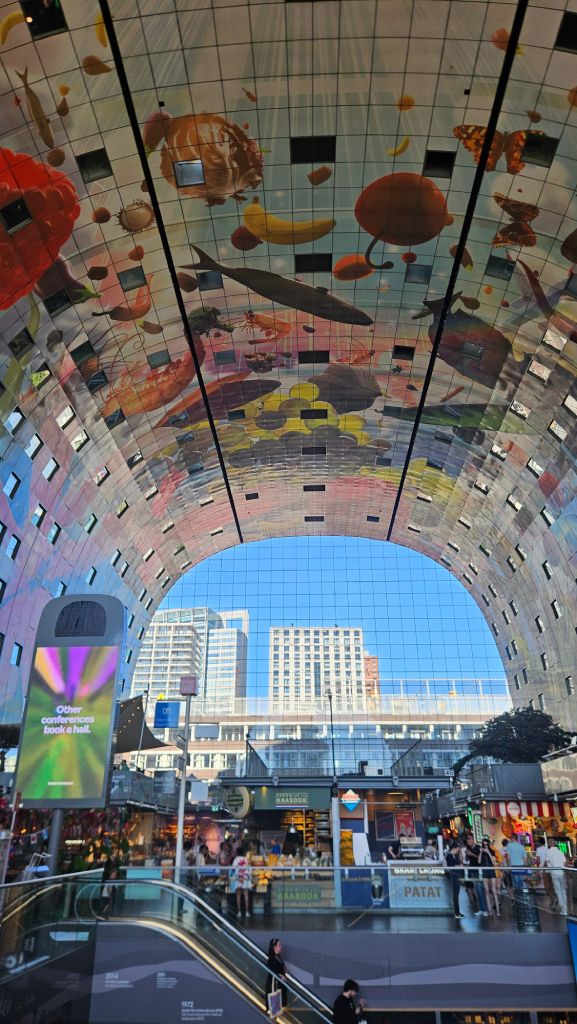
I continued my Netherlands travel adventure in Rotterdam, the largest seaport in Europe and one of the busiest in the world. My first stop was the iconic Market Hall. Many food stalls were just preparing for the day beneath the impressive arch covered with colorful artwork and glass panels.
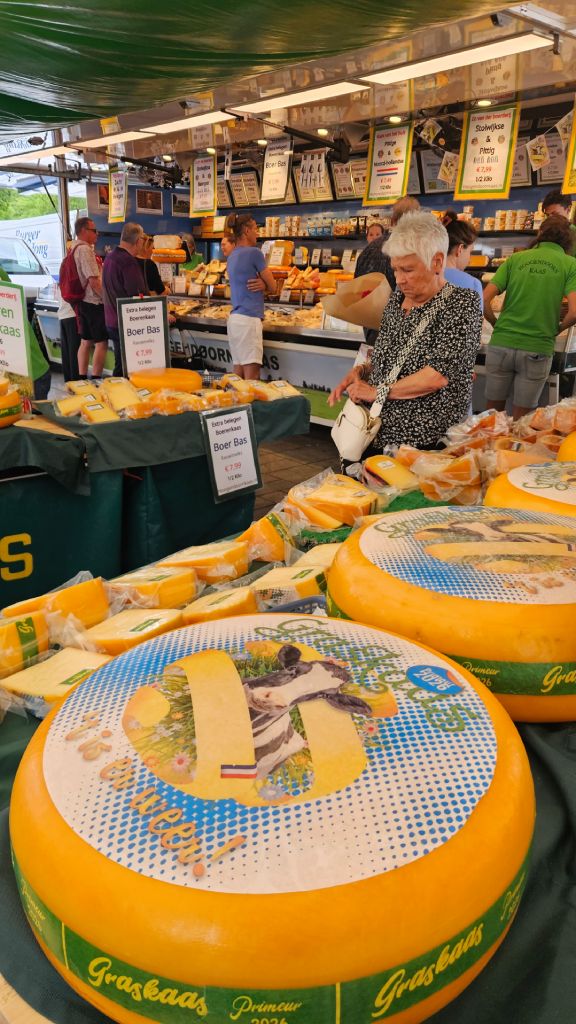
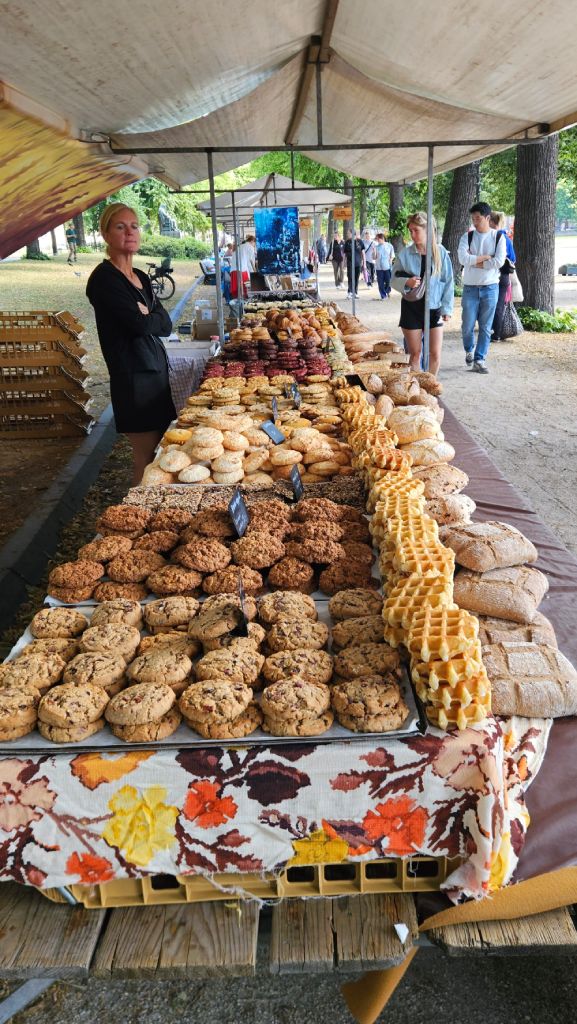
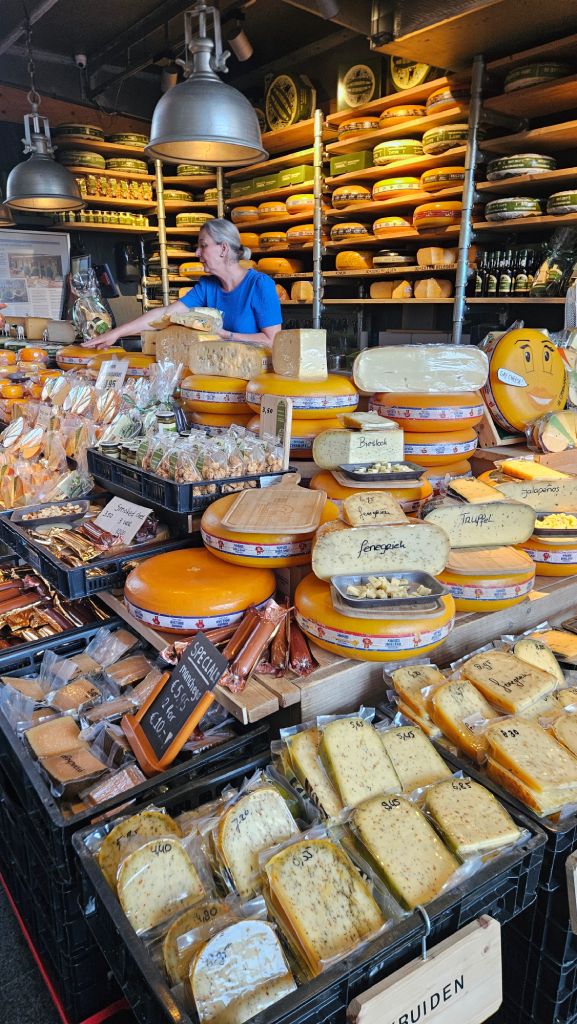
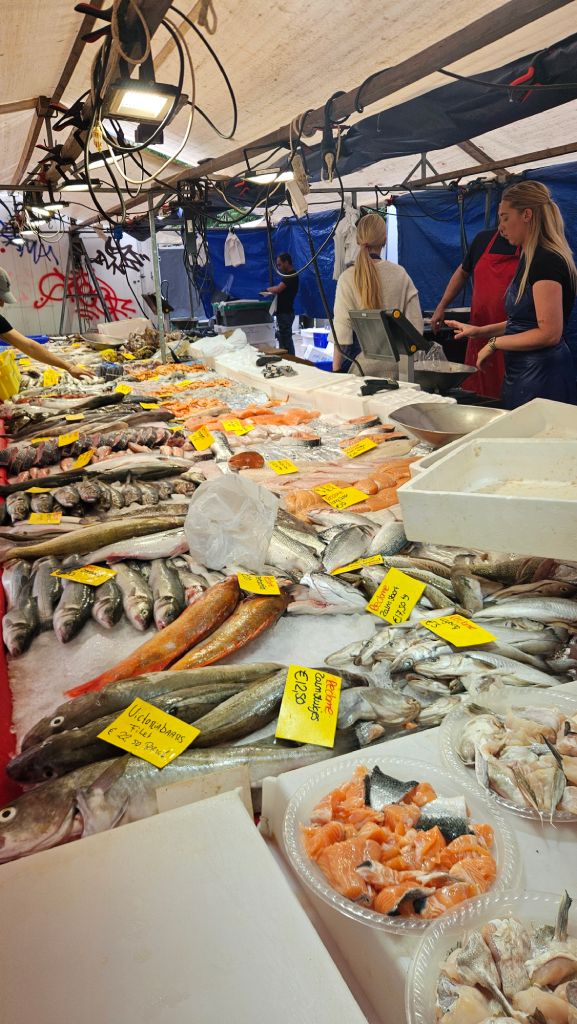
Outside, the square was already bustling with vendors selling cheese, fruit, vegetables, seafood, and clothing. I was surprised by the incredibly low price of sweet cherries – the cheapest I found anywhere during my journey.
It was easy to confirm that Rotterdam is one of Europe’s most multicultural cities.
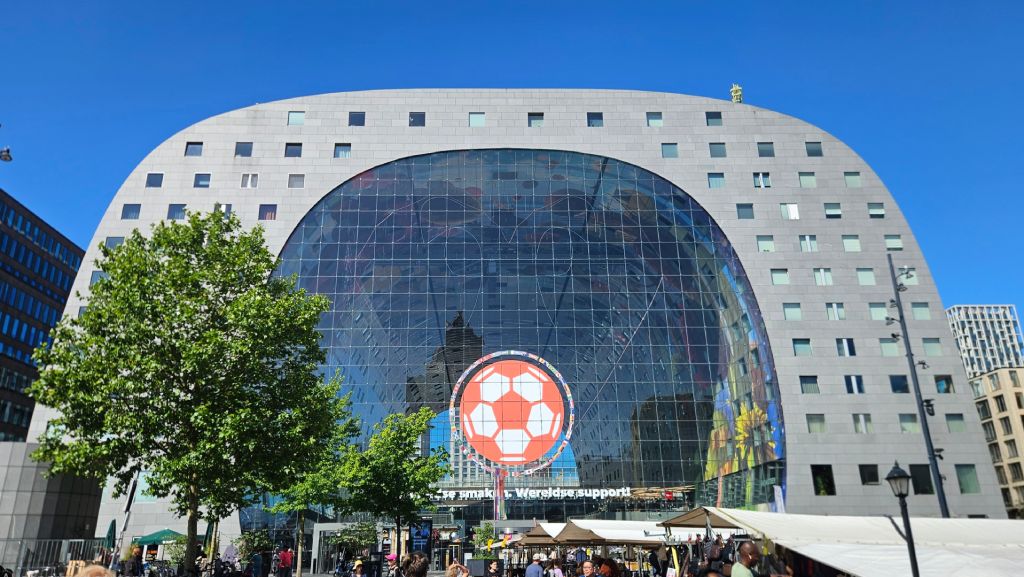
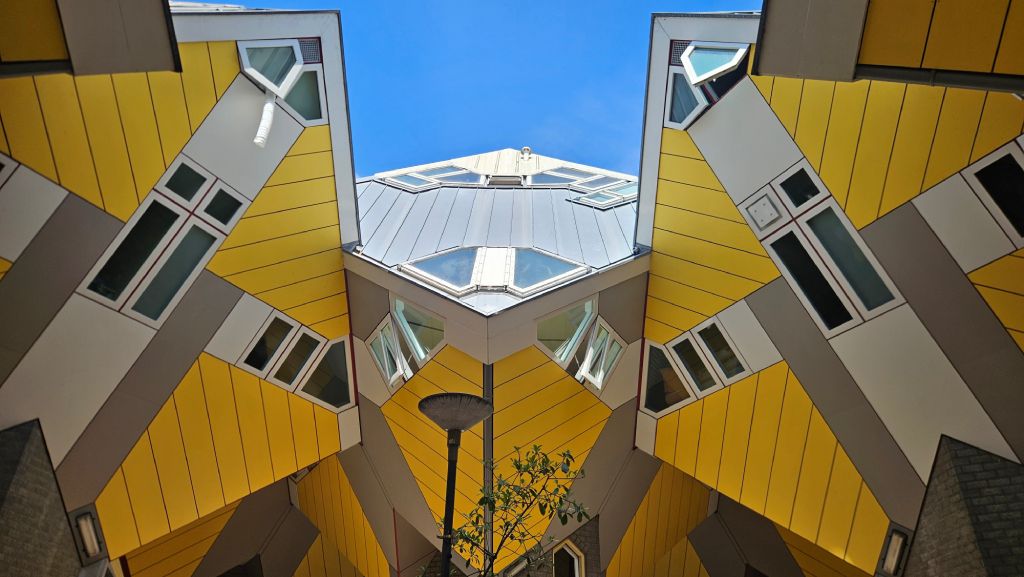
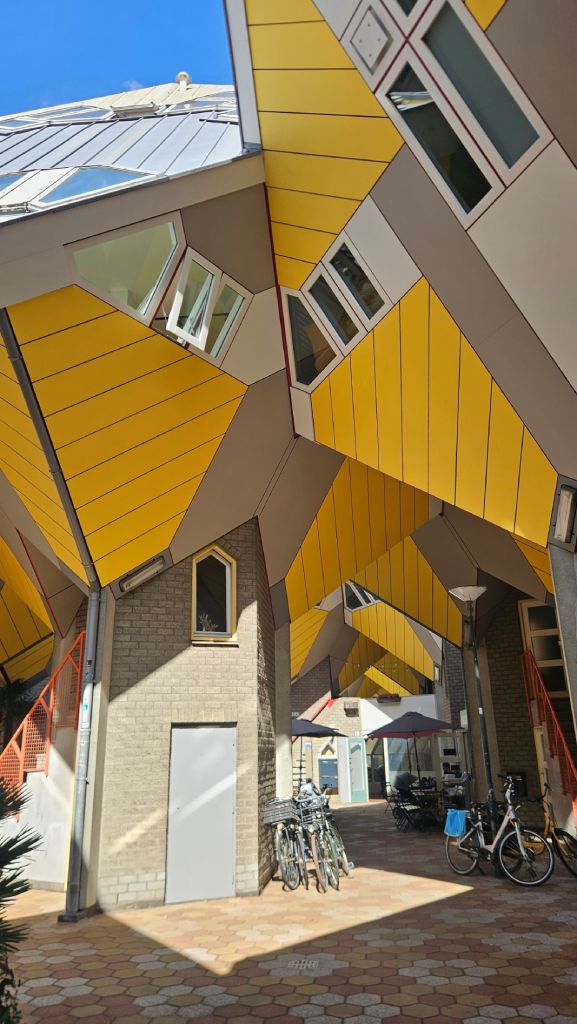
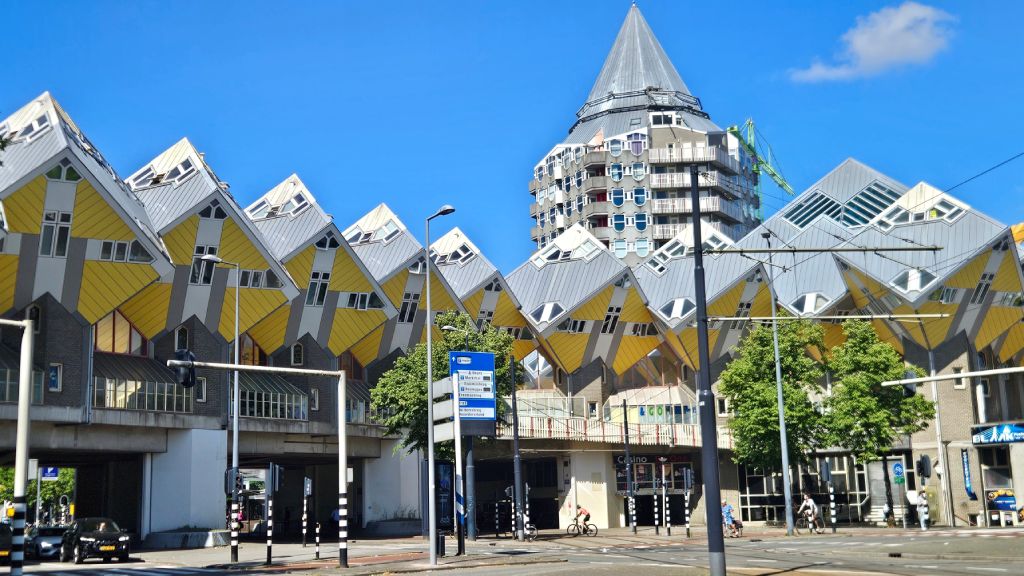
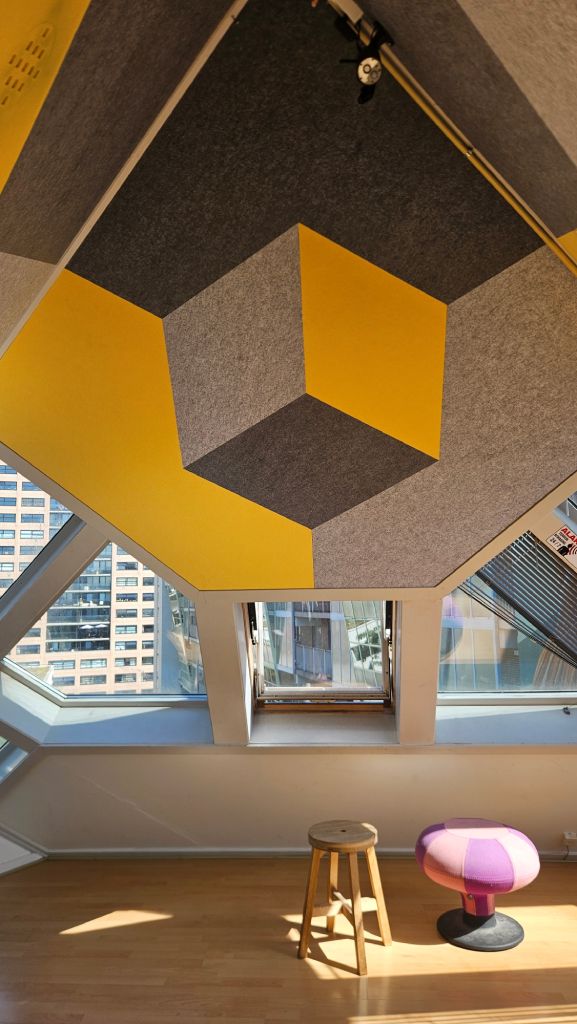
Just a short walk brought me to the famous Kijk-Kubus (Cube Houses), one of Rotterdam’s most recognizable landmarks. I visited one of the tilted houses and discovered how this bold architectural concept from the 1970s successfully combines innovative design with practical living space. Some rooms felt rather cramped, but the clever use of space and the unconventional layout made the visit worthwhile.
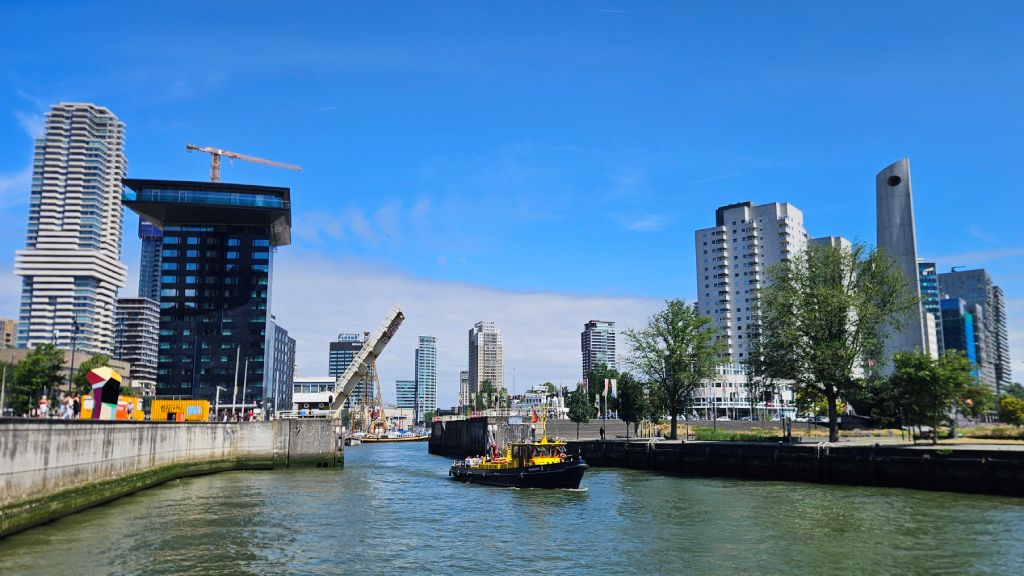
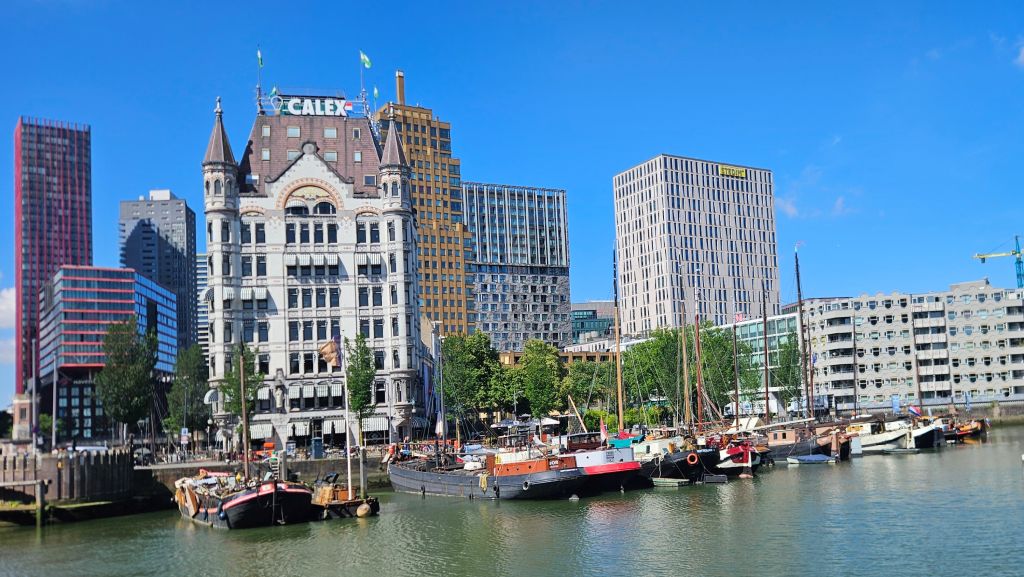
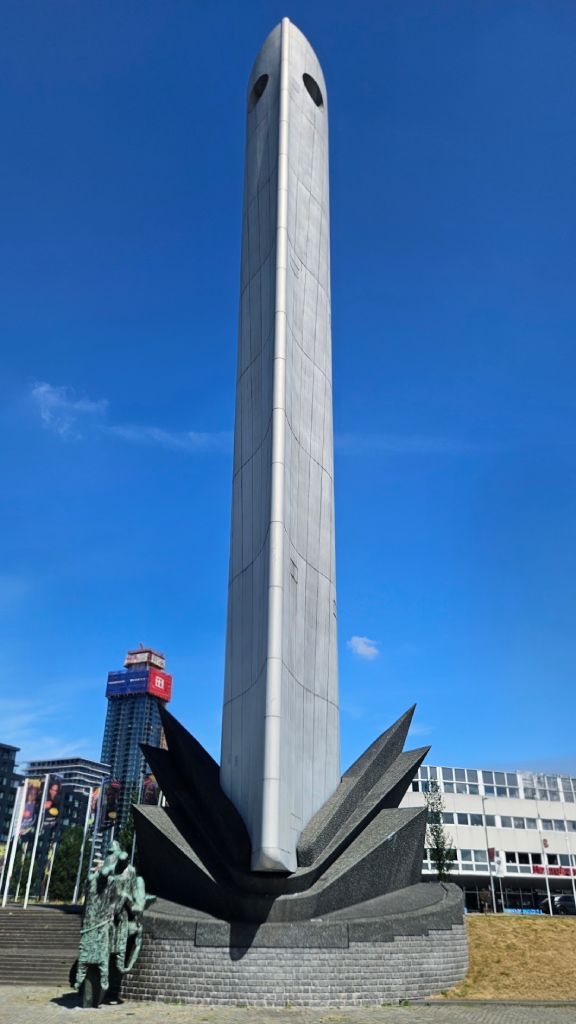
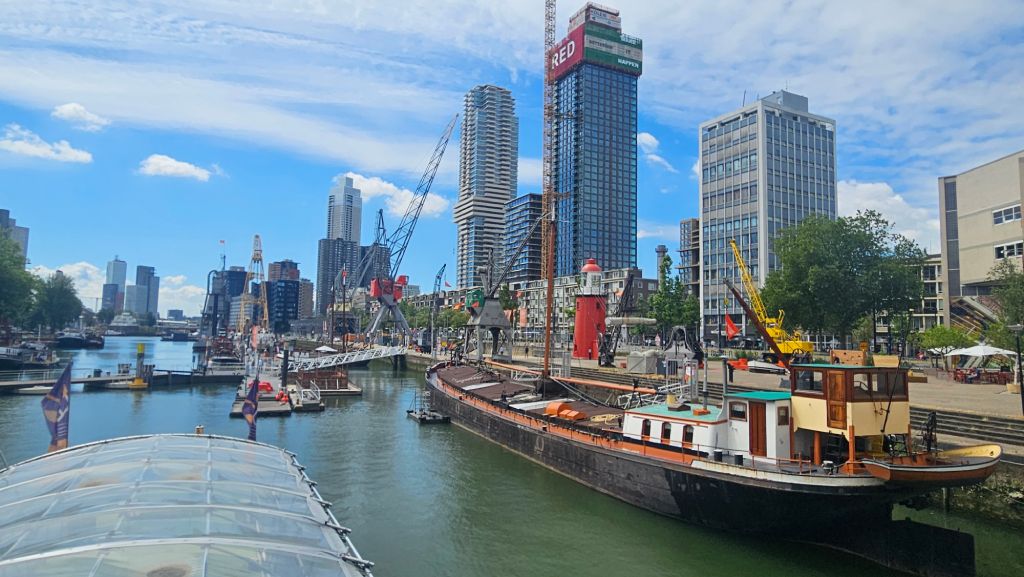
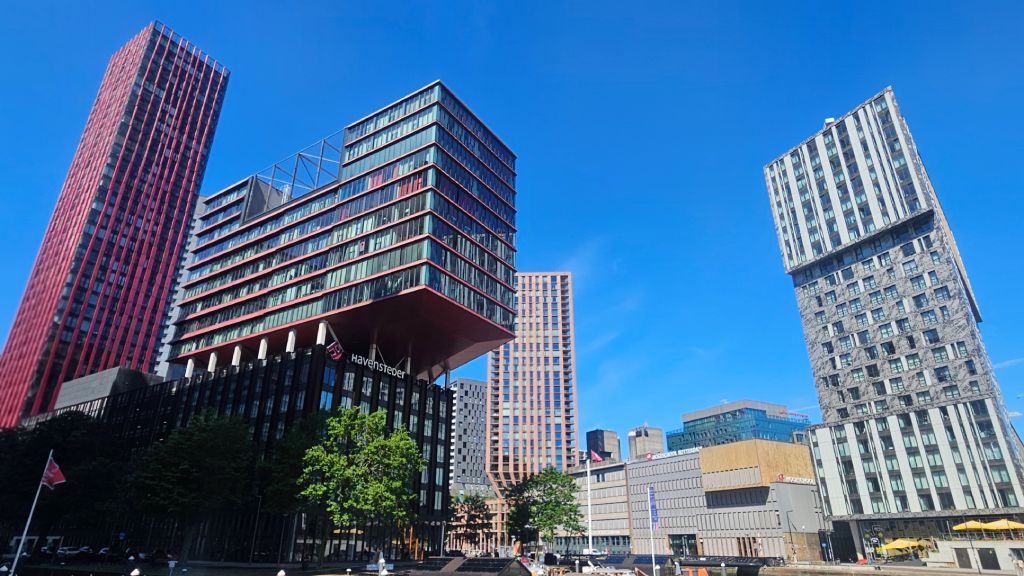
Along the nearby harbor, where dozens of beautifully maintained historic ships were moored. I followed the Nieuwe Maas River, which flows through the heart of Rotterdam and connects to the Rhine. Much of Rotterdam was destroyed by German bombing in 1940, after which the city reinvented itself through bold modern architecture.
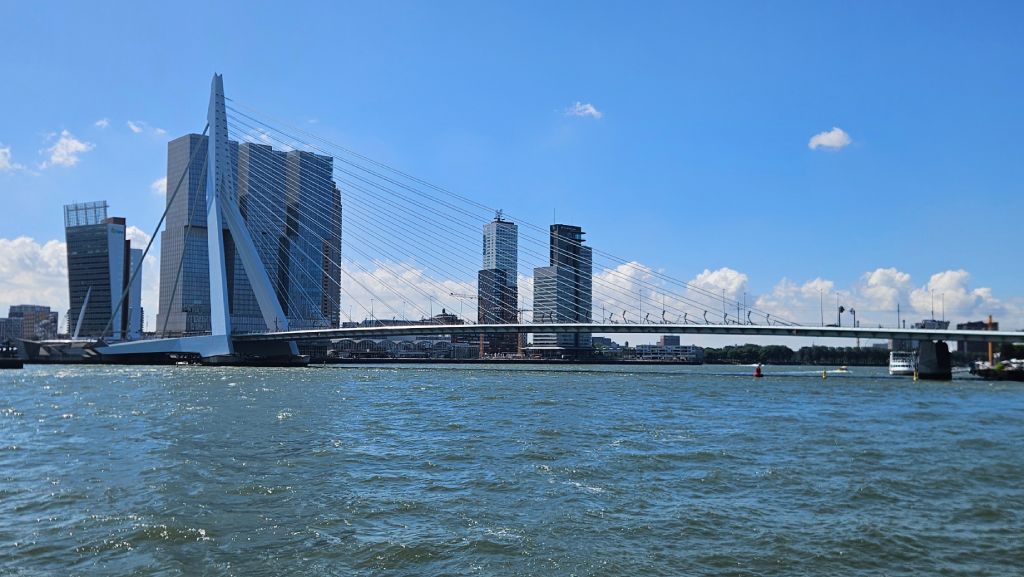
The elegant Erasmus Bridge, named The Swan, links the northern and southern parts of the city, while the busy river carries cargo ships, water taxis, ferries, and sightseeing boats. Across the river I spotted another landmark, Kop van Zuid, a modern waterfront district known for skyscrapers, cultural attractions, restaurants, and panoramic views. I decided not to cross the Erasmus Bridge. Instead, I watched a smaller movable bridge lift to allow several large ships to pass.
Amsterdam: canals, bicycles and charm
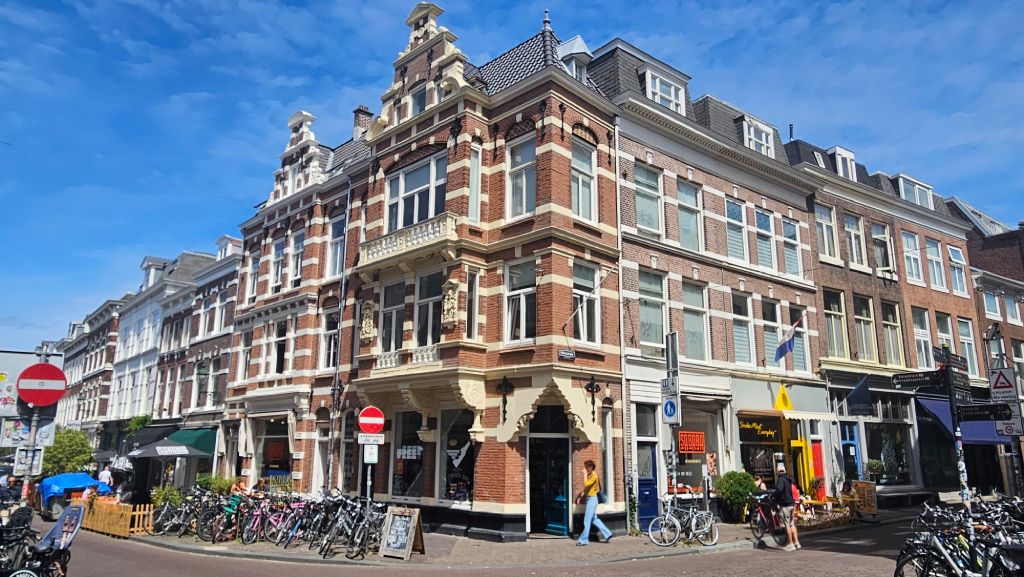
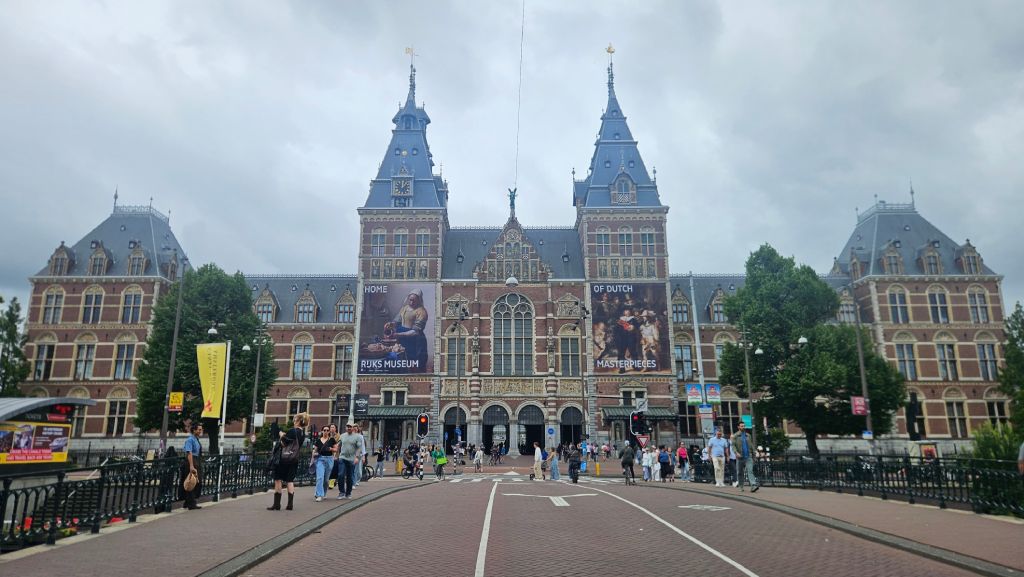
25 years later, I returned to Amsterdam, one of Western Europe’s most charismatic capitals. Unlike Hague and Rotterdam, I immediately noticed the enormous crowds of tourists, many visitor-oriented attractions, and the city’s unique atmosphere.
Amsterdam was the highlight of my Netherlands travel adventure.
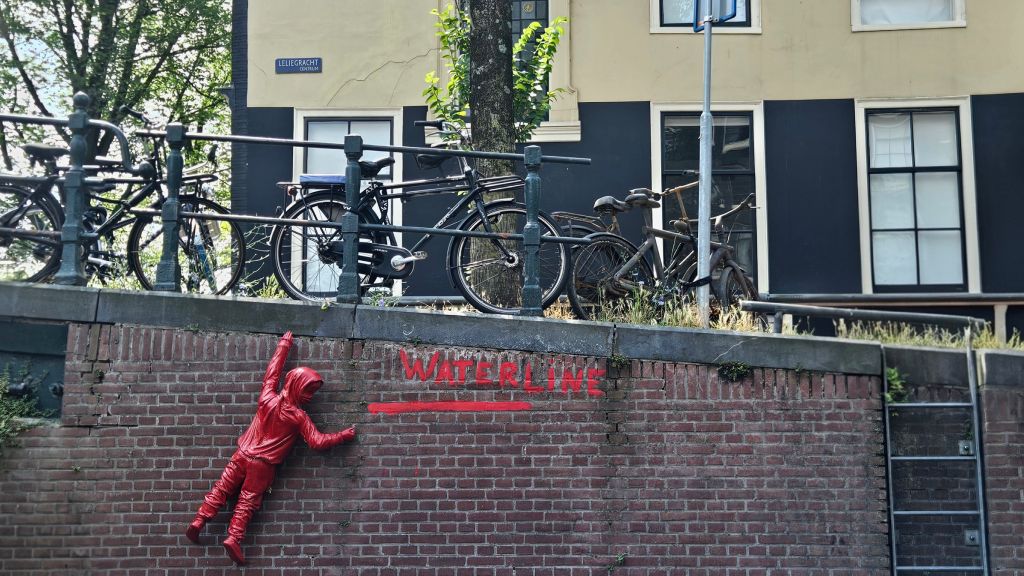
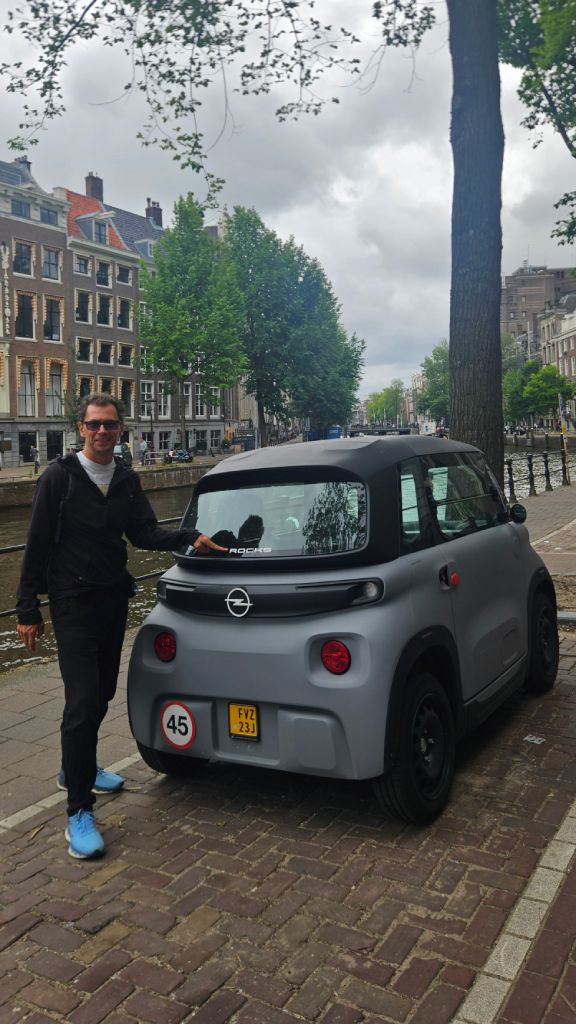
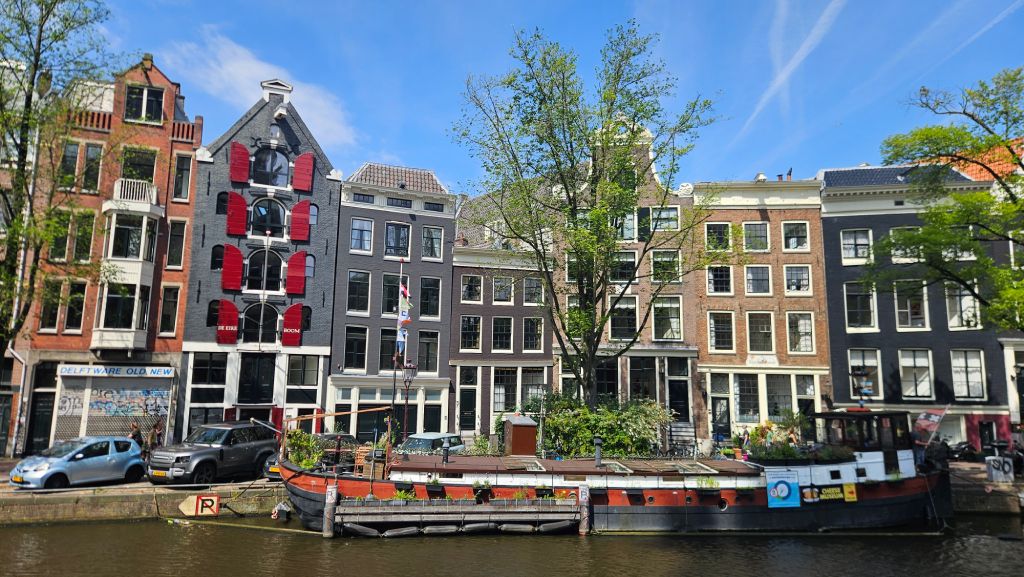
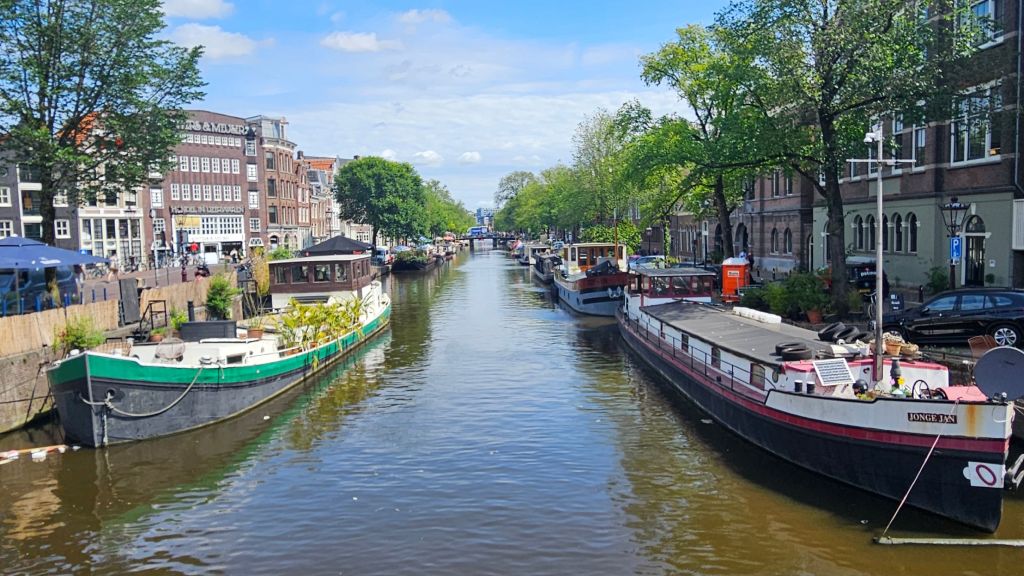
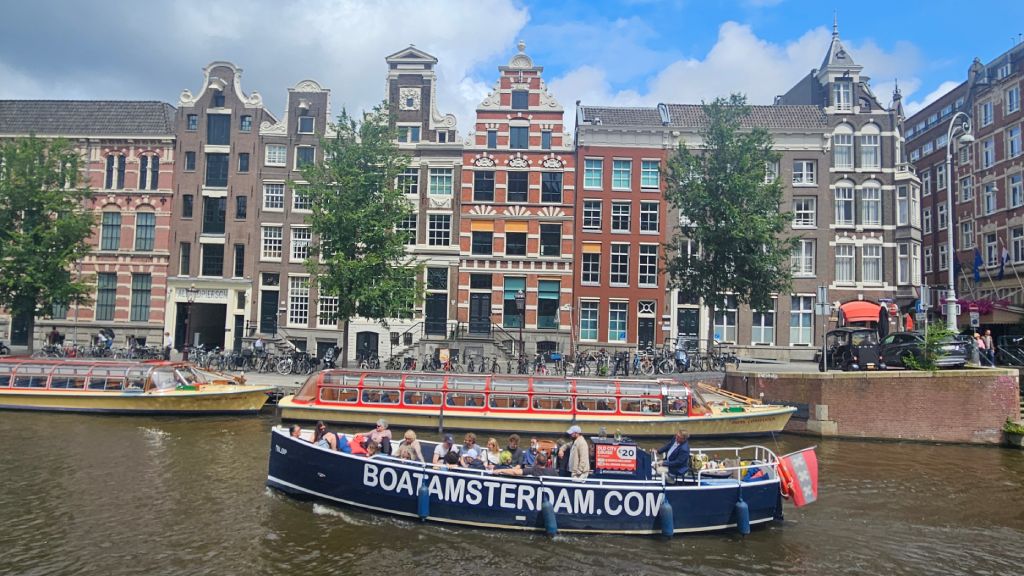
Canals, cycle paths, narrow streets and pedestrians create a unique energy. Unlike Venice, Amsterdam offers many transport options, making it easy to get around.
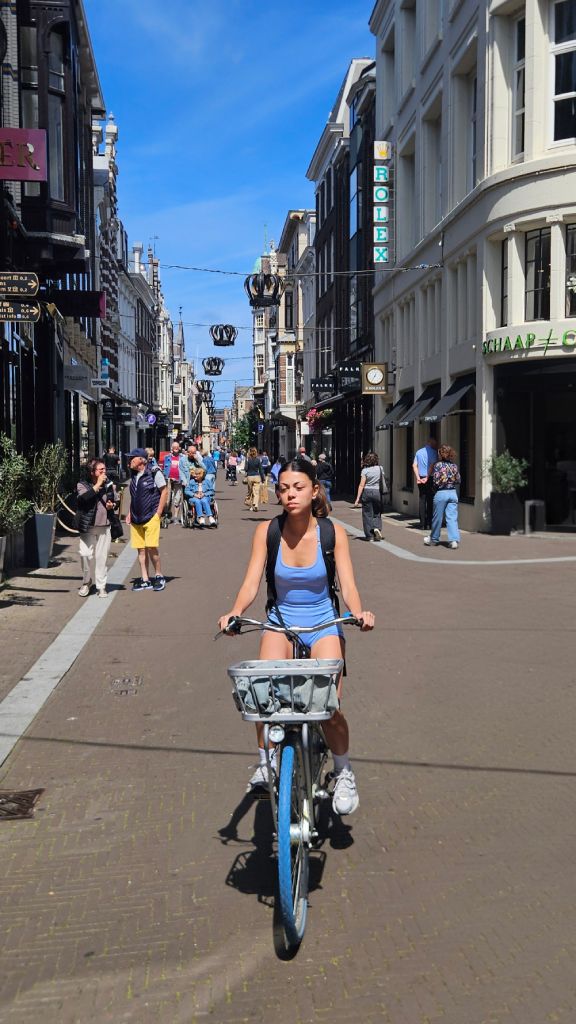
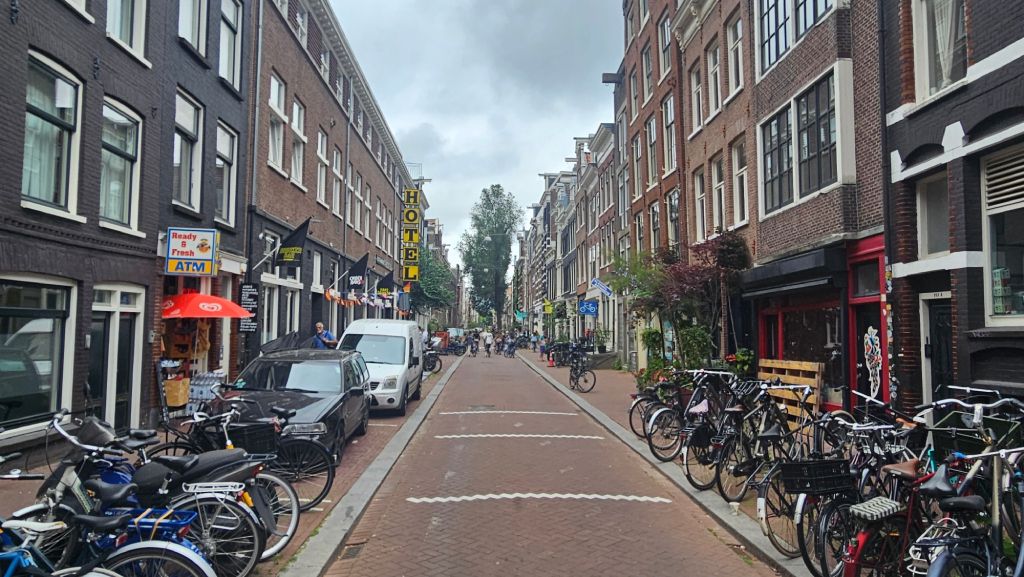
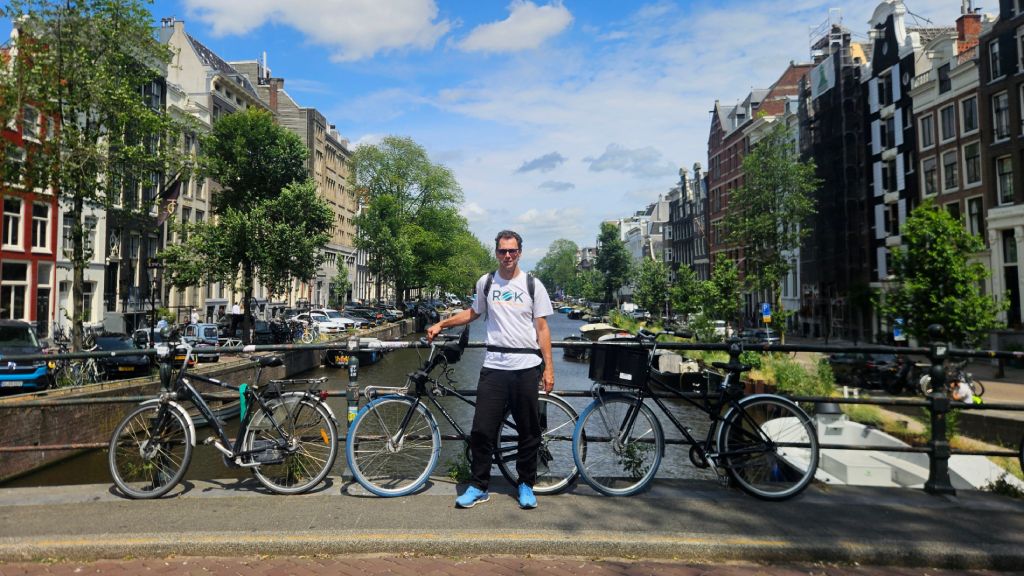
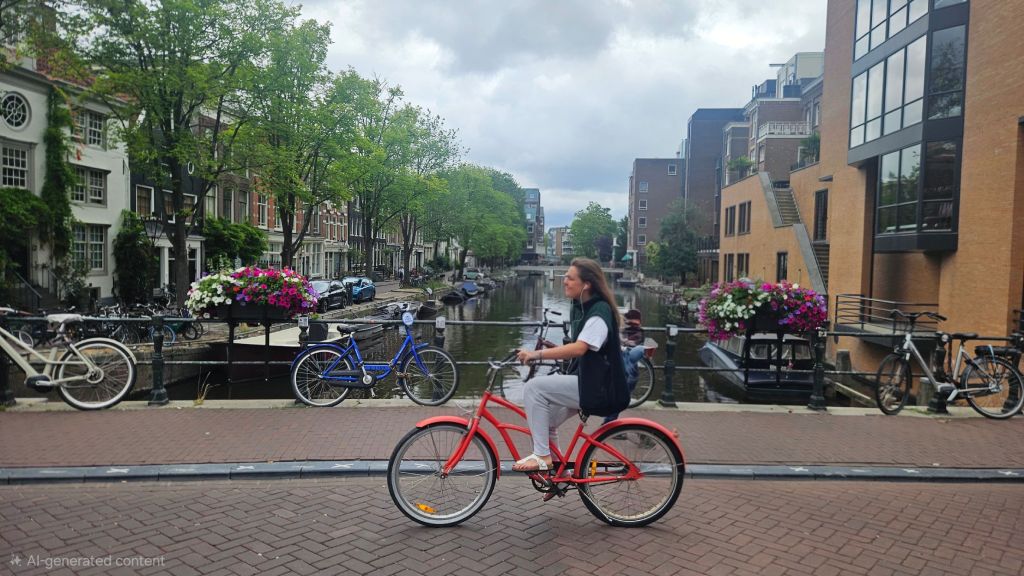
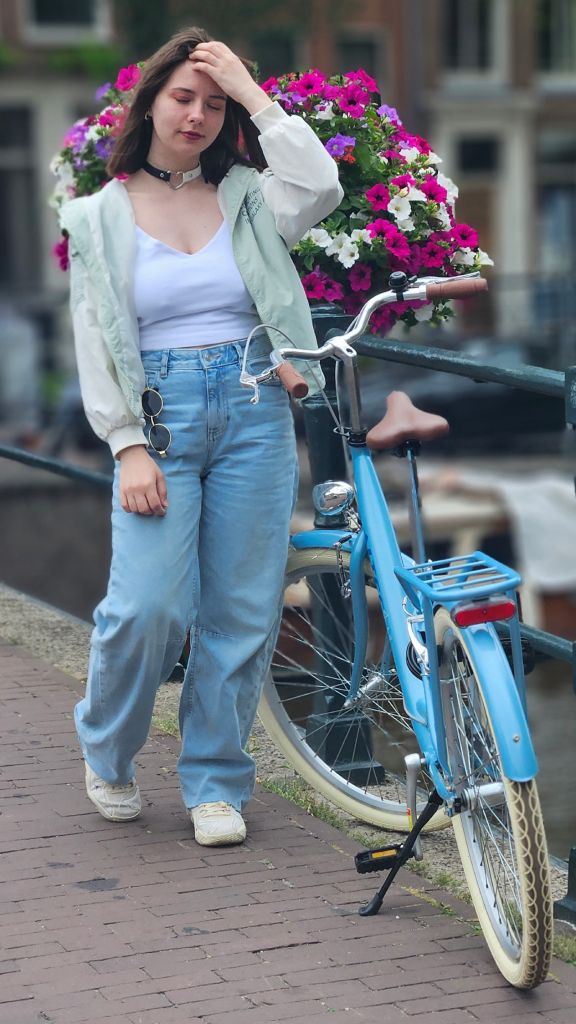
Bicycles rushed through the streets in every direction. Tourists, bohemian locals, businesspeople and parents with children, all seemed to compete for space. Although renting a bike is considered one of the best things to do in Amsterdam, I preferred to explore the center on foot.
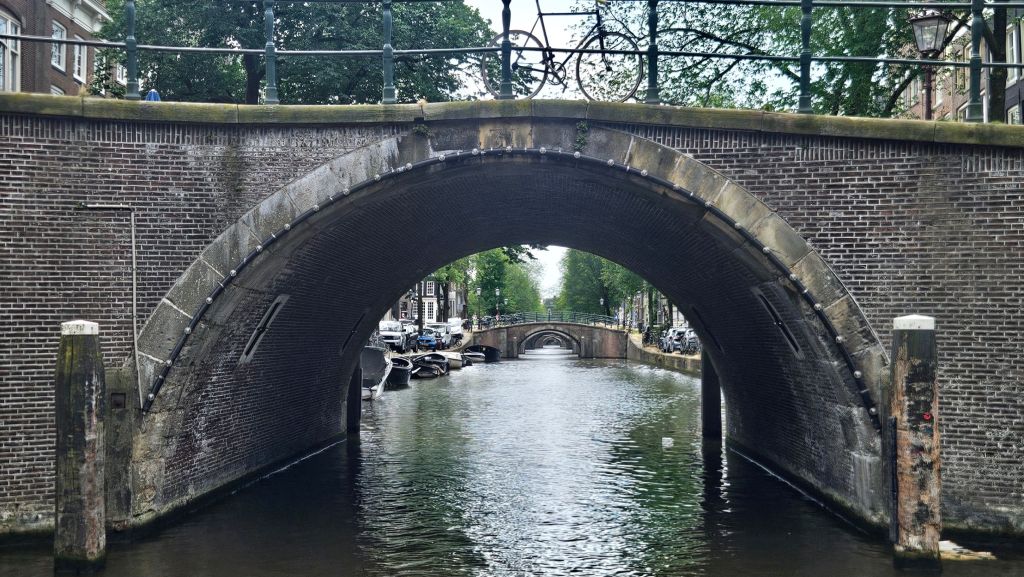
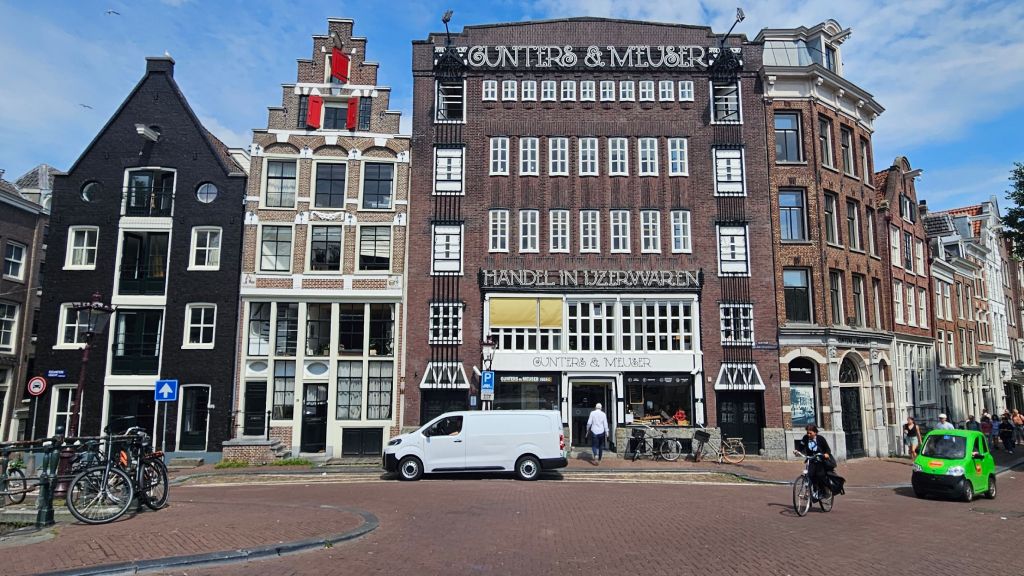
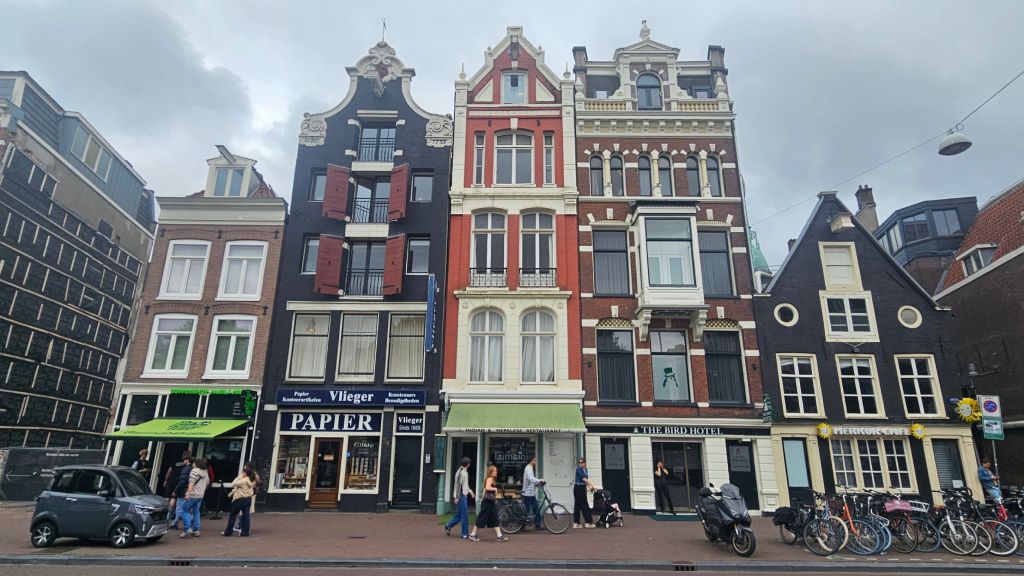
Amsterdam is home to more than 100 kilometers of canals, around 1,500 bridges, and about 90 islands. Many houses are exceptionally narrow due to historic façade taxes, while others slightly lean due to settling on soft ground.
Amsterdam is s not only about its famous attractions and landmarks, but about experiencing its distinctive atmosphere.
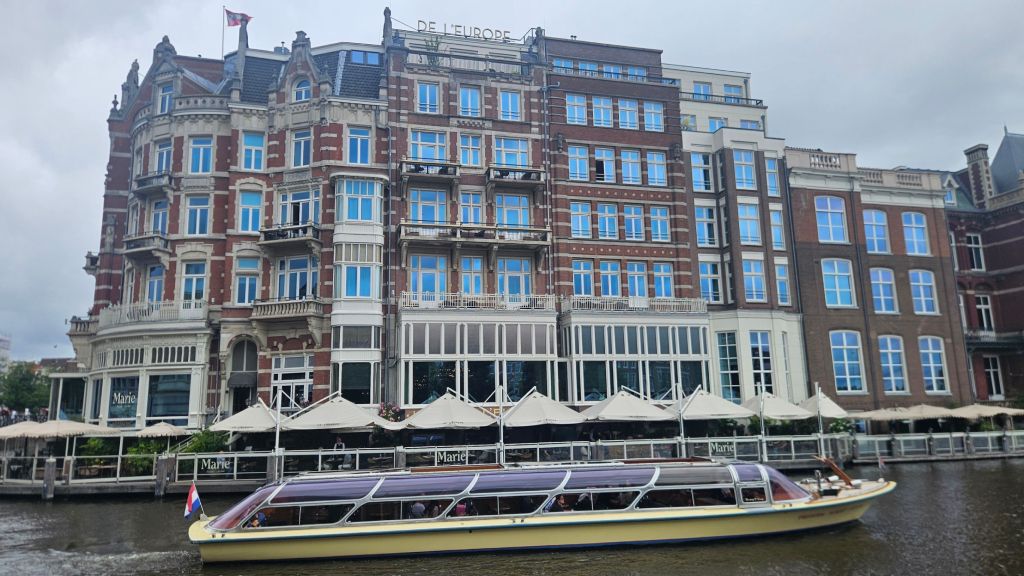
Ironically, the biggest disappointment of my visit was the canal cruise. I accidentally booked a large covered boat instead of the smaller open one. The limited views through the windows and the route along the wider canals made the experience far less enjoyable than I had expected.
Sightseeing in Amsterdam
Among the city’s many attractions and exciting things to do, I want to highlight the following.
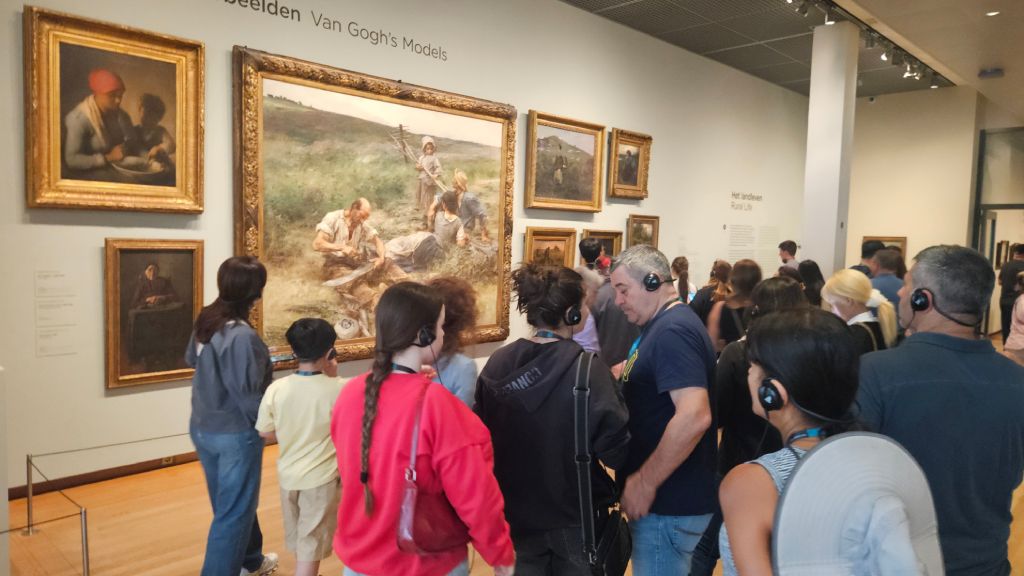
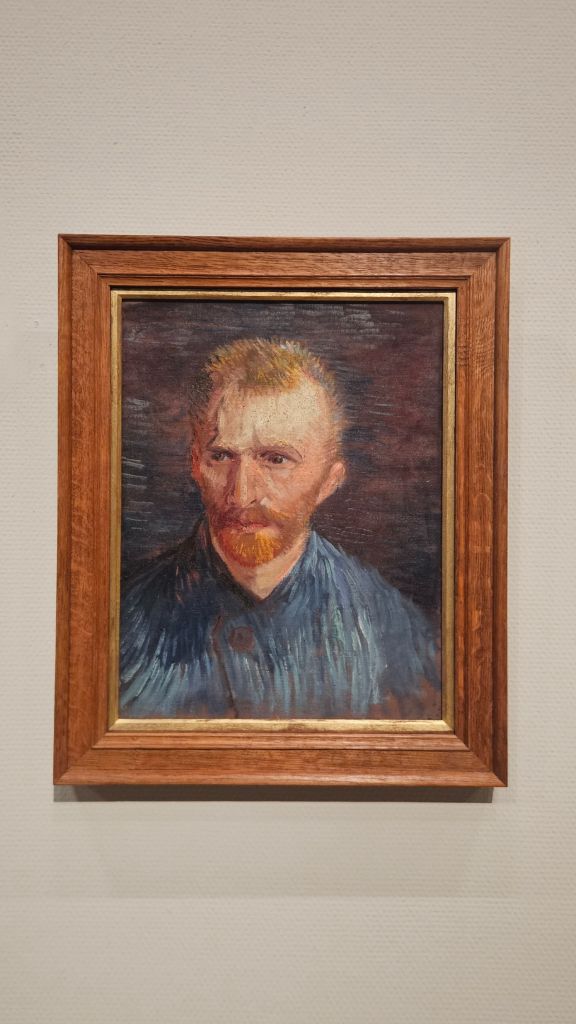
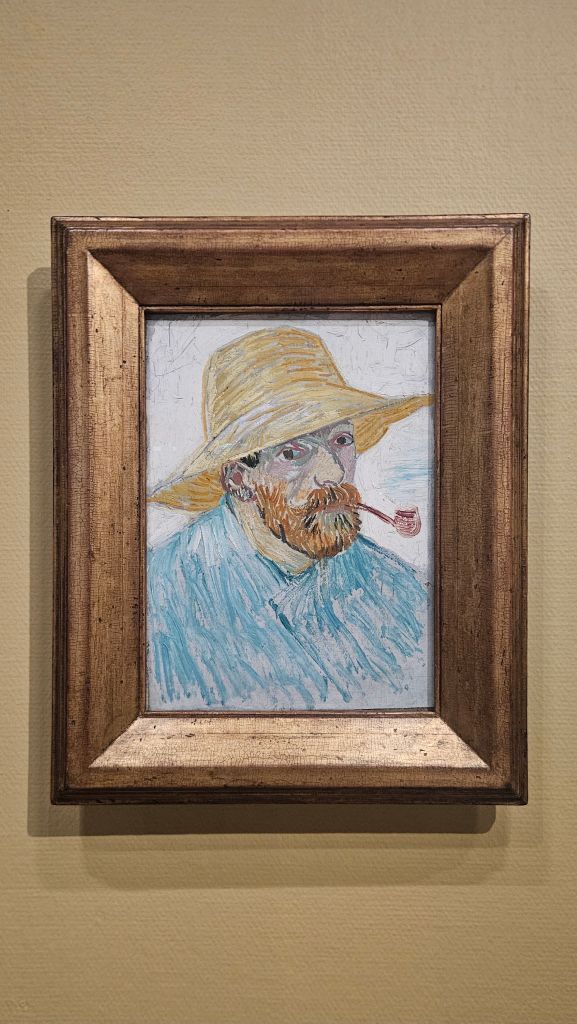
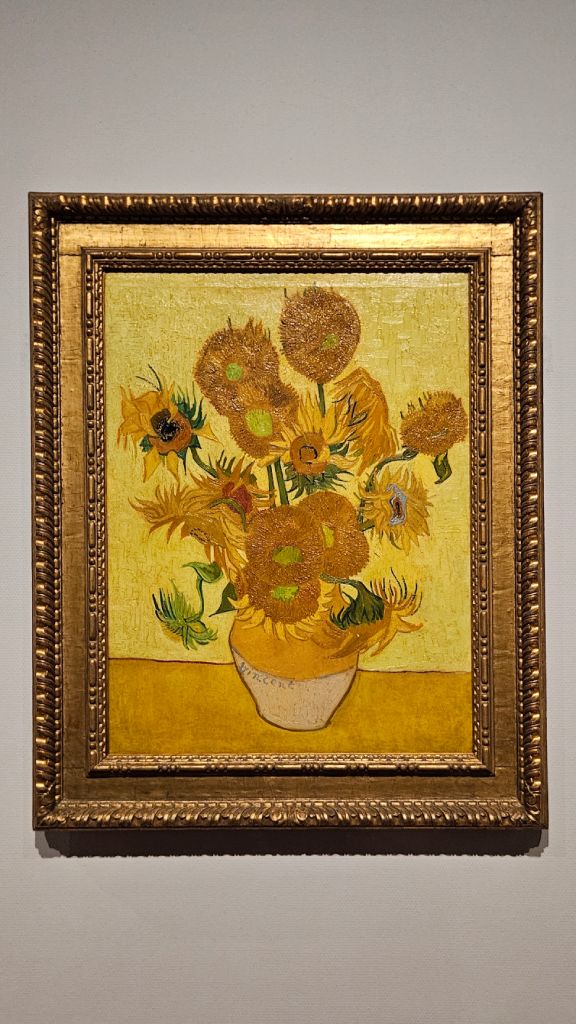
Van Gogh Museum exhibits some of the artist’s most famous works. I particularly enjoyed seeing how his style changed throughout his life and was shocked by his tragic life.
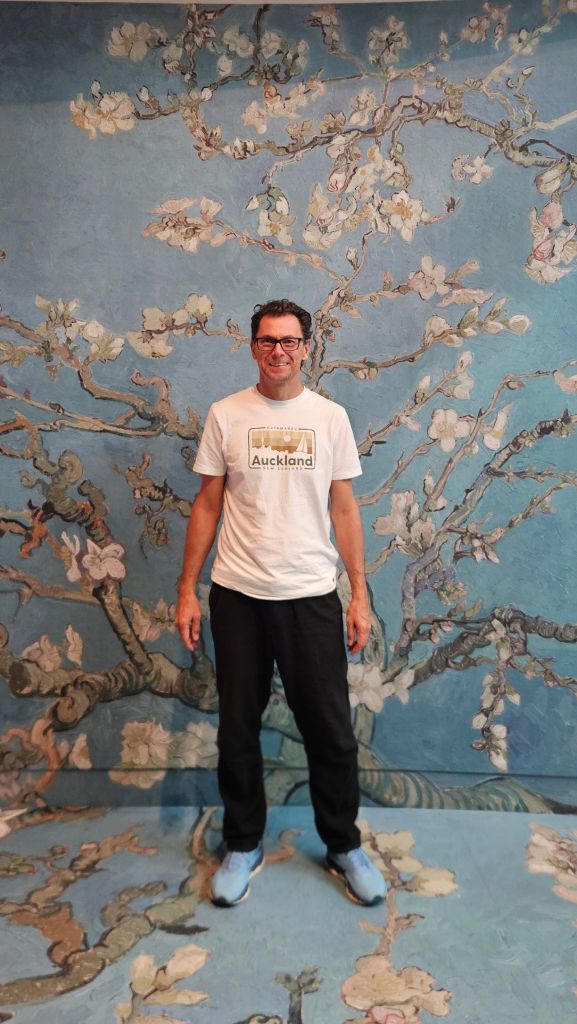
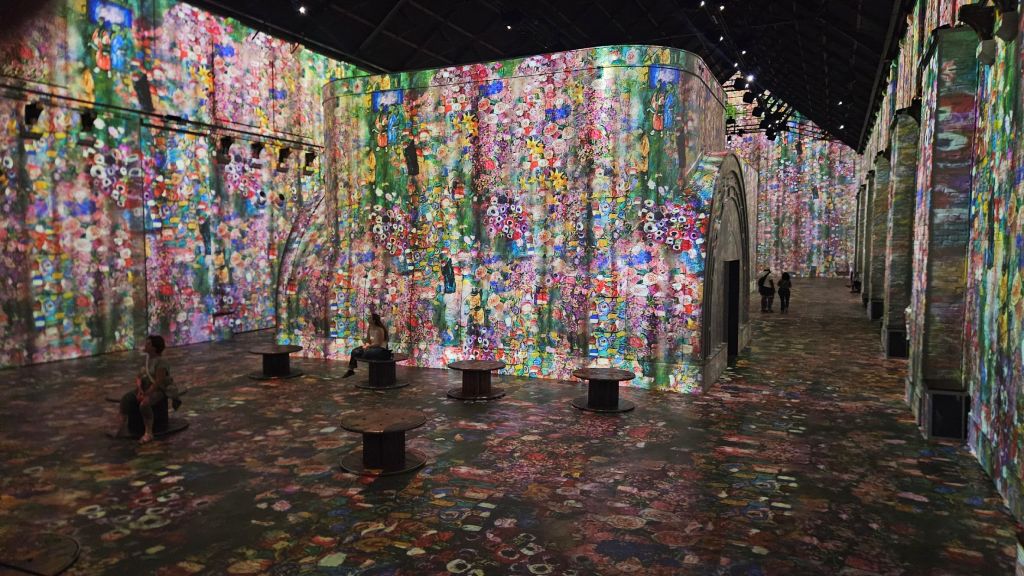
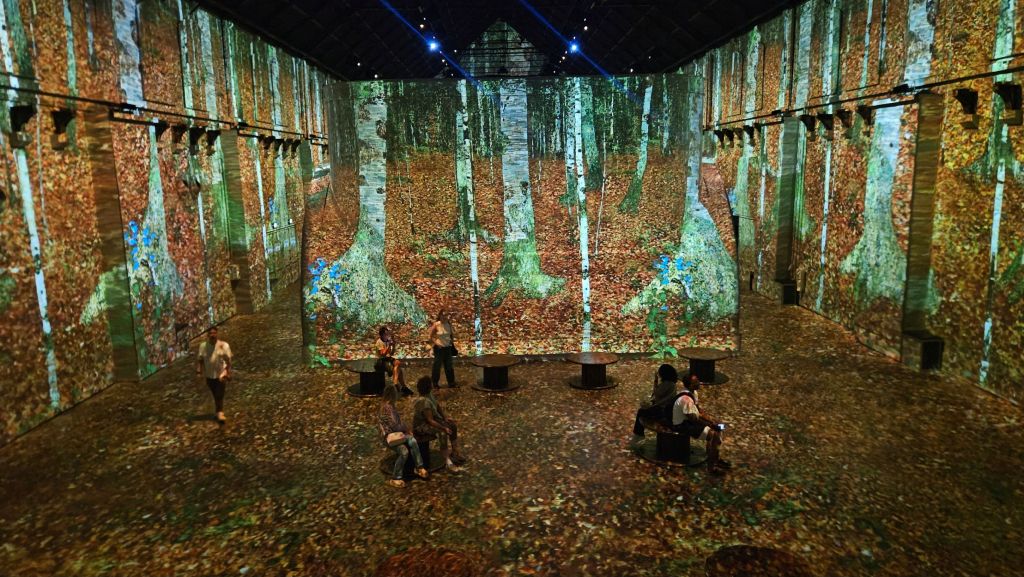
Fabrique des Lumières presents famous artworks as digital projections covering the walls and floors. I found the combination of music, movement and art unique and different from traditional museums.
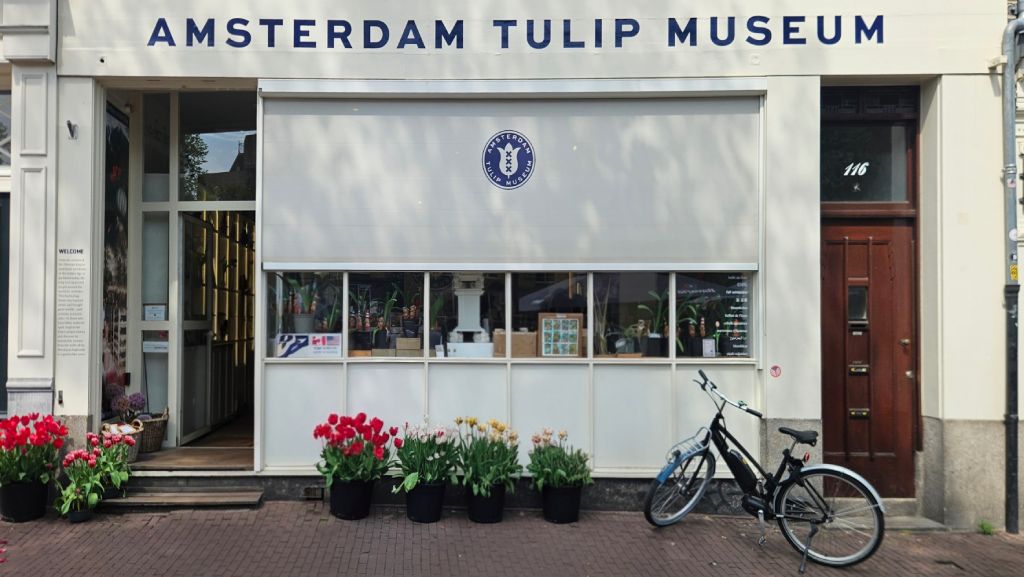
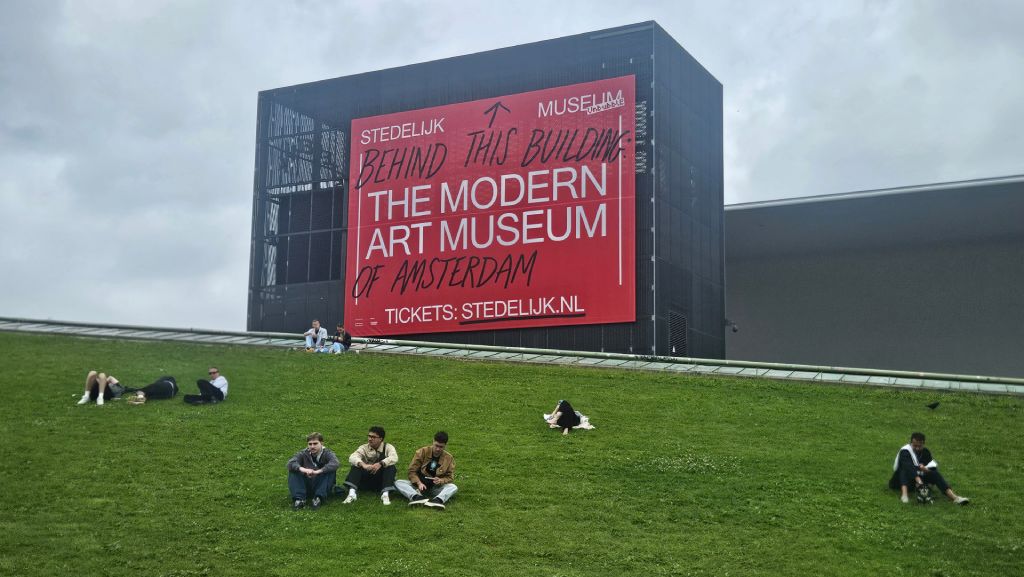
Beside international restaurants, I also appreciated Rembrandtplein, a lively square surrounded by cafés, and bars. I enjoyed walking around The 9 Streets and looking at the different shops and old buildings.
I liked Sluyswacht, a small historic wooden building beside the canal, especially for its unusual shape and location by the water.
Symbols of the Netherlands
The windmill represents the relationship with water and Dutch engineering, while orange is the country’s distinctive color. Additionally, I consider cheese, flowers and bicycles as the most recognizable symbols of the Netherlands.
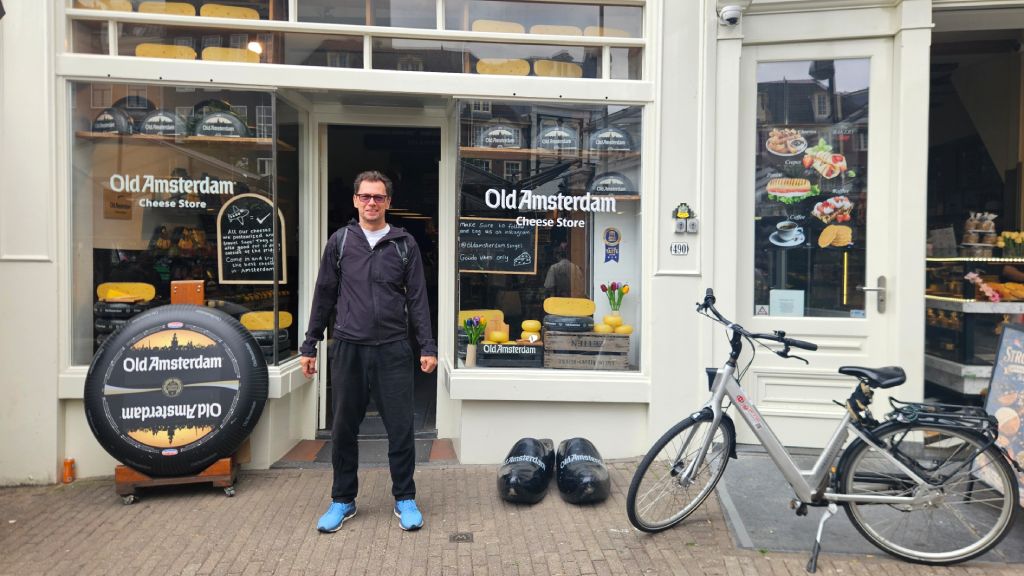
Cheese appears in all possible forms and range drastically in prices. Supermarket cheese sections are very varied, and almost every market has several specialized cheese sellers. In specialized shops, I often tasted new flavors that I had never tried before.
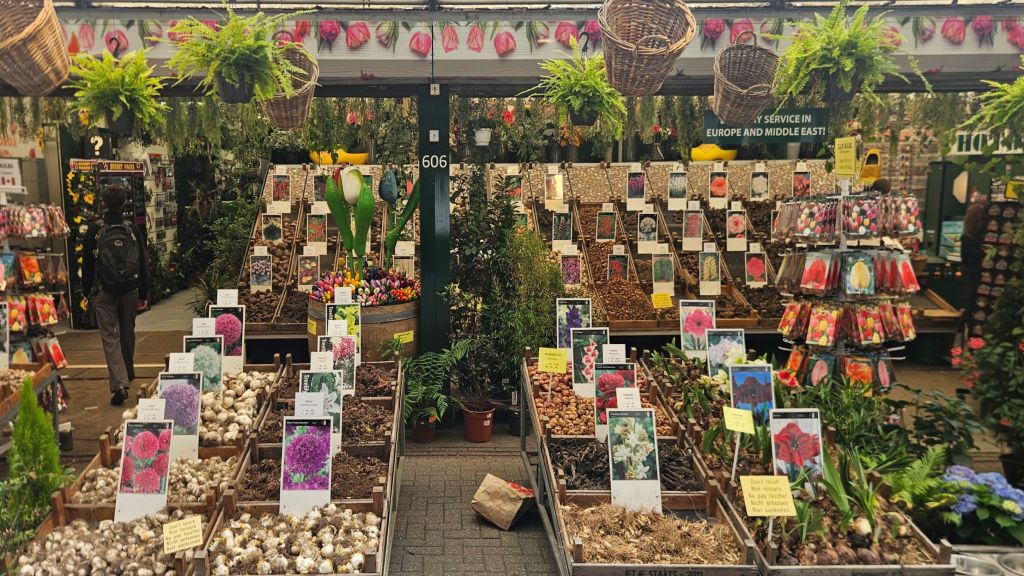
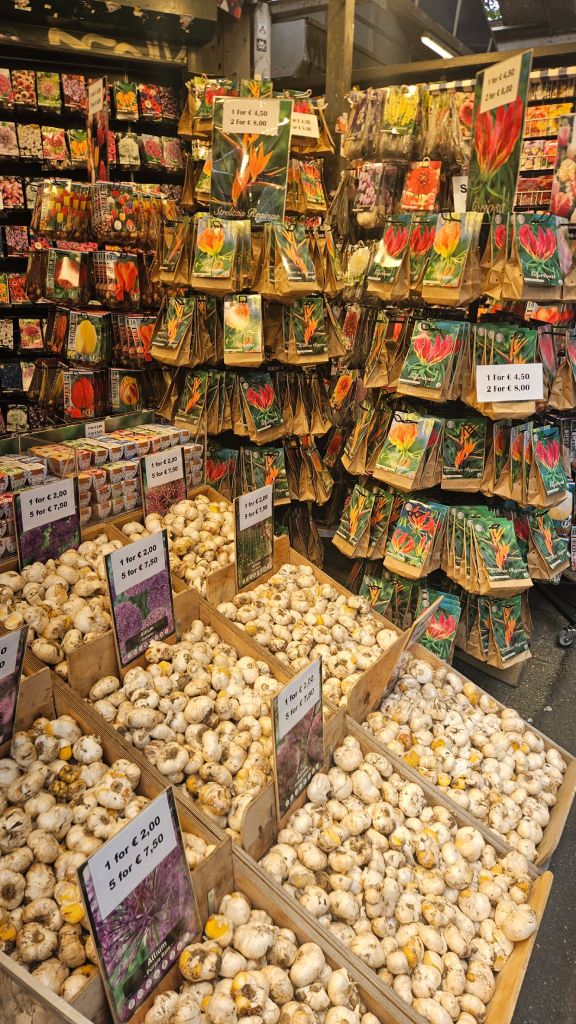
The Netherlands is one of the world’s major flower-producing and trading countries, with the industry generating billions of euros each year. Flower bulbs became an important souvenir of my Netherlands travel adventure, although I missed the main tulip season.
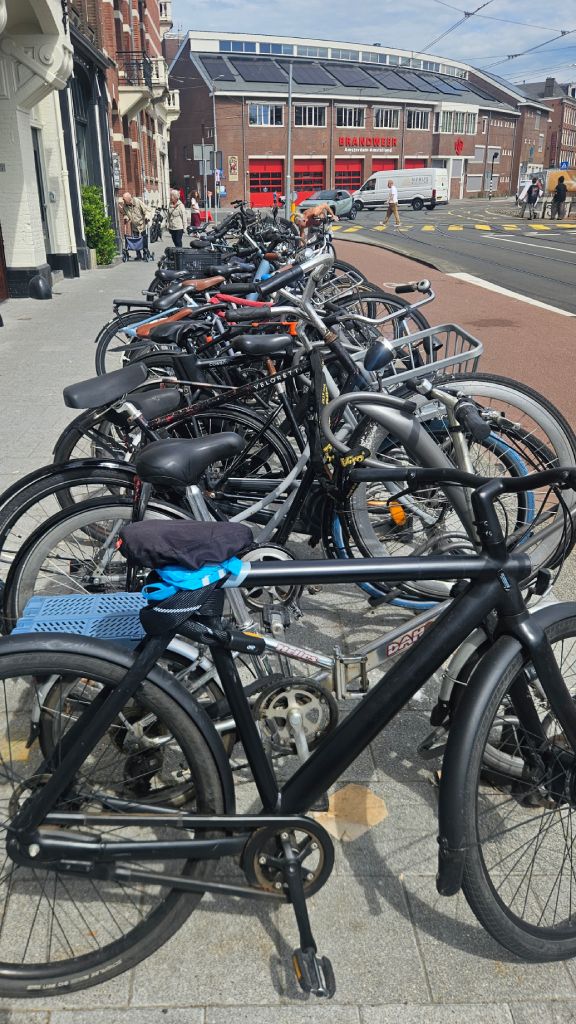
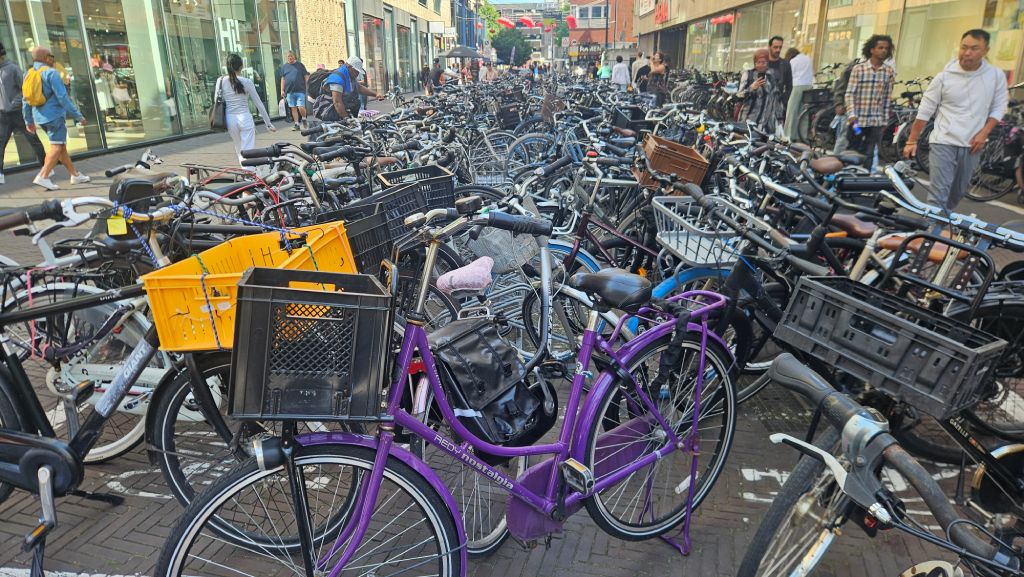
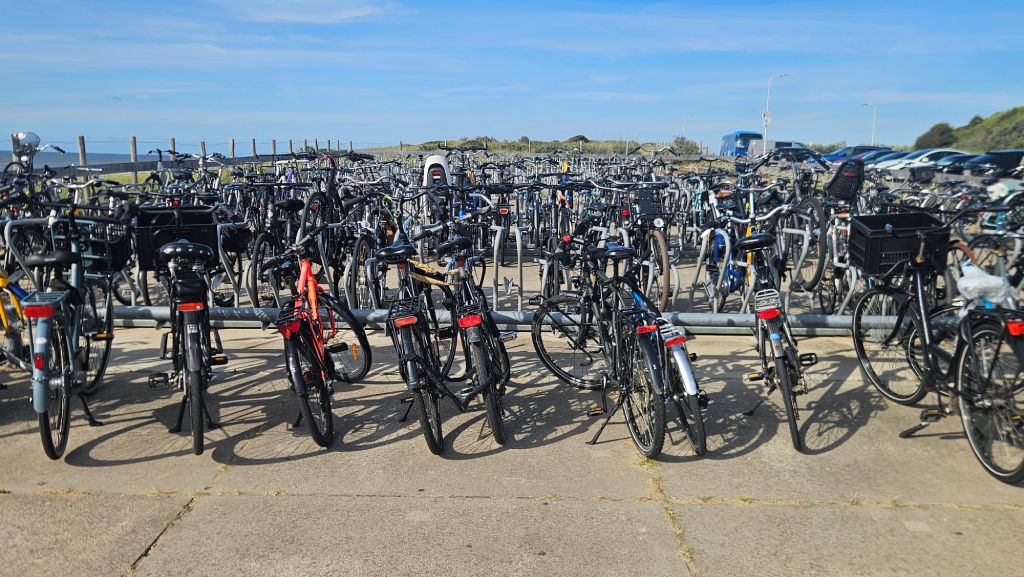
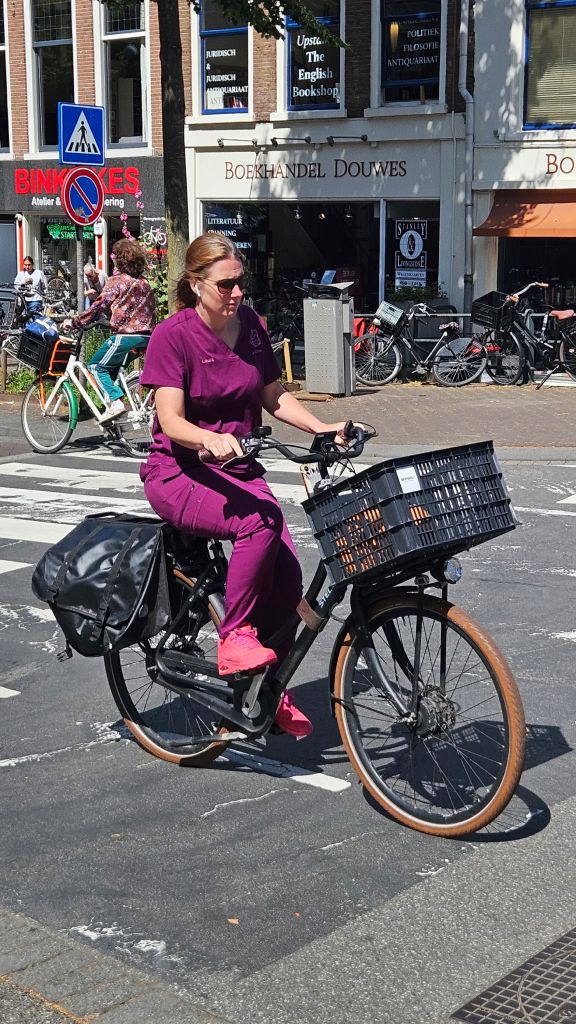
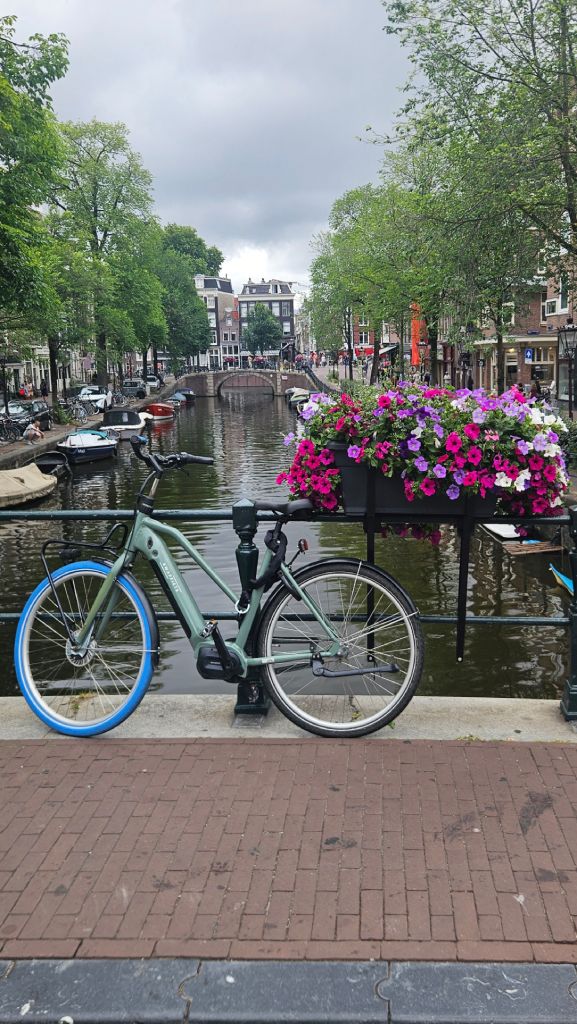
In Netherlands, people move around on bicycles. I noticed this especially in Amsterdam. The flat landscape, extensive cycling network and limited space for cars make cycling an important transport option. Amsterdam alone has around 400 kilometers of bicycle paths.
The Netherlands has around 23 million bicycles, while Amsterdam has almost one bicycle per resident.
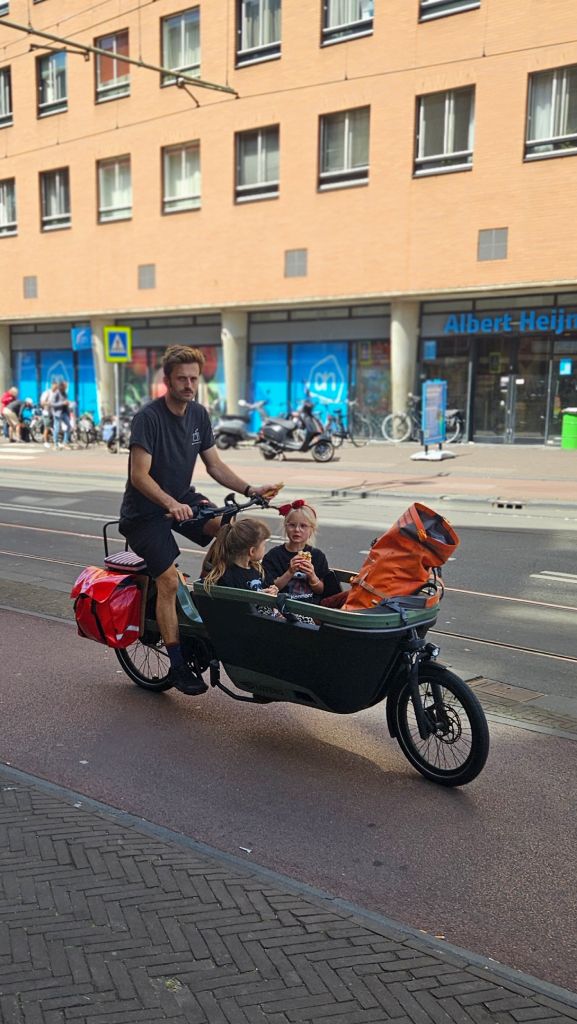
I got the feeling that bicycles have priority over pedestrians, and I had to be careful not to get hit by a fast-moving cyclist. Bicycle parking areas can be found in many locations. Regardless of the weather, passengers or cargo, there are different types of bicycles designed to find a solution. I found cargo bikes for children especially interesting, with children sitting in front and having a great view around them.
Royal FloraHolland Visitor Centre
It is generally known that the Netherlands is famous for flowers, especially tulips. Since I visited the country in summer, when the tulips had already finished blooming, I looked for other ways to get a closer look at the role of flowers.
I discovered that the importance of the Netherlands as a flower producer has decreased drastically in the 21st century. Much of the production of flowers other than tulips has moved to South America and Africa. The weather conditions are excellent there, labor is cheaper, and environmental regulations are less strict than in Europe.
The Netherlands has remained the main logistical hub for the global flower trade, especially for European markets.
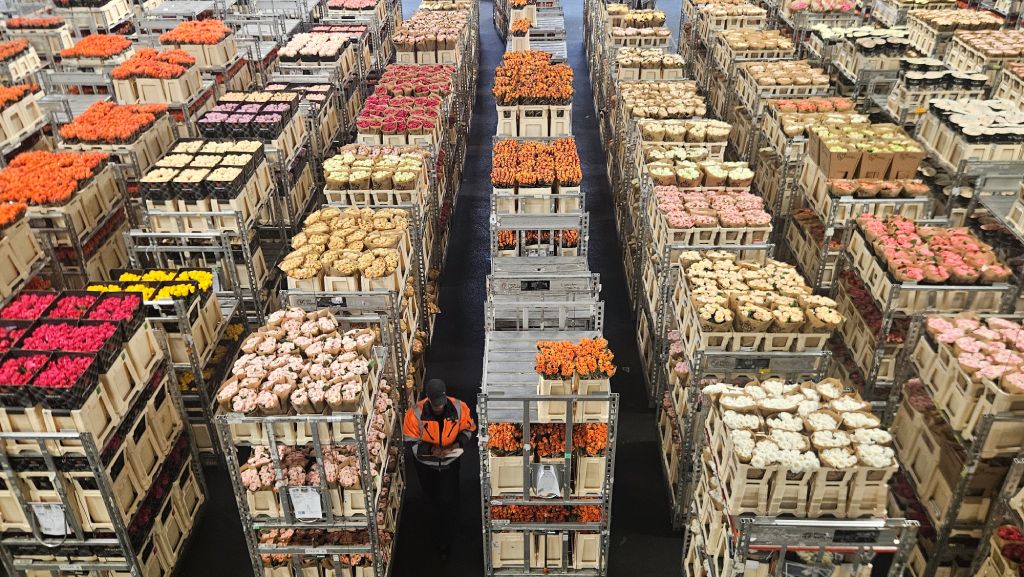
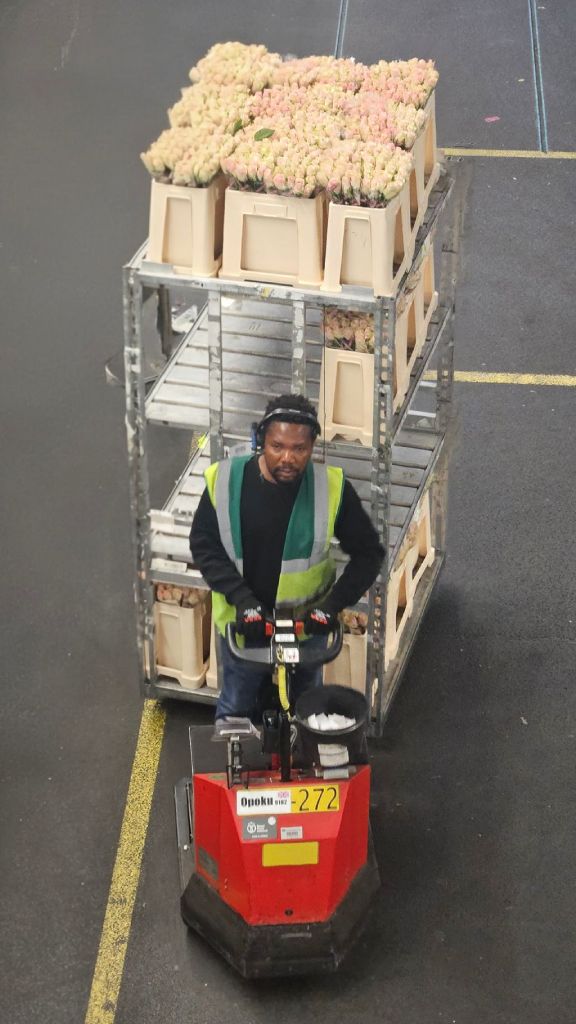
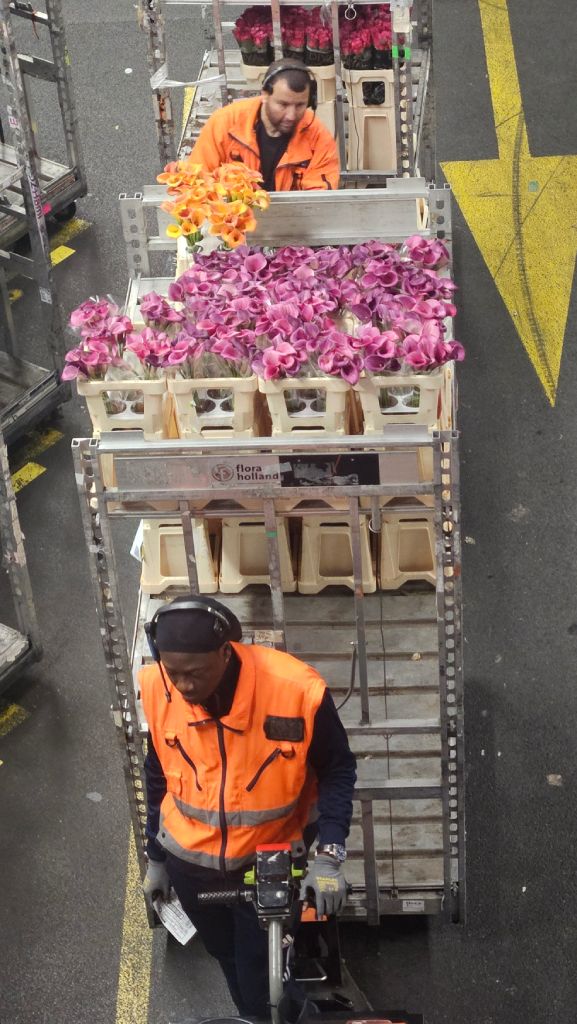
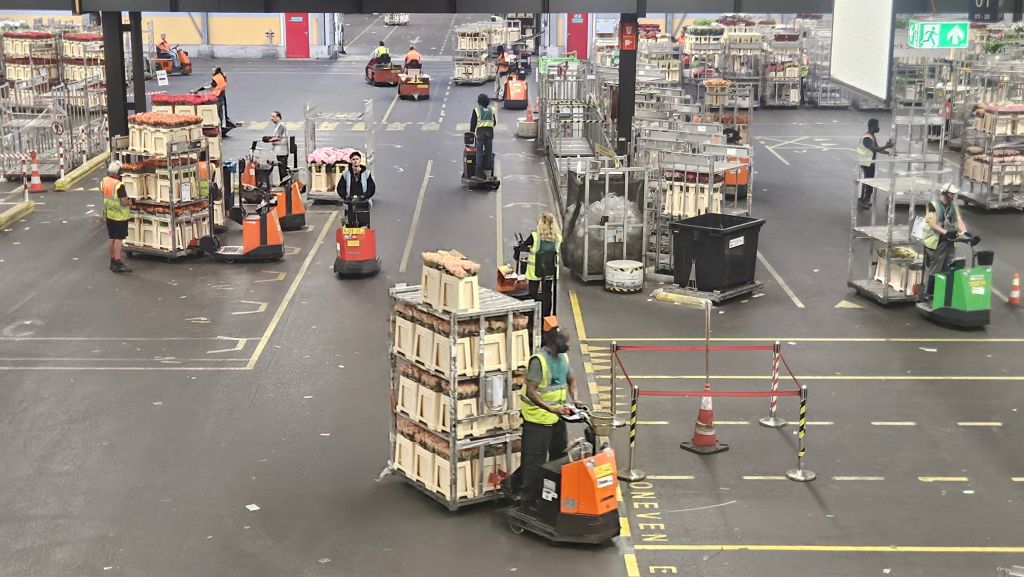
So, I decided to visit Royal FloraHolland, the world’s largest marketplace for flowers and plants. Every day, around 33 million flowers from more than 50 countries are traded there. Part of the huge complex (size of 242 football fields) is open to the public. I visited it early in the morning, when the distribution process was in full operation, with flowers constantly being sorted, and transported.
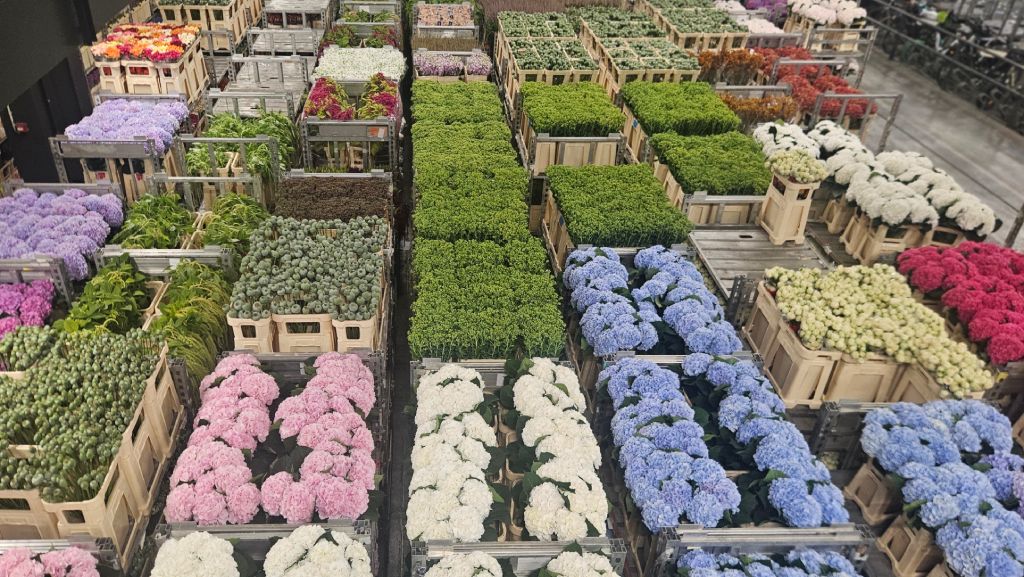
The constant movement of small forklifts pulling carts loaded with flowers and placing them in designated areas was truly impressive. A wide range of different flowers, colors and sizes filled my view as far as I could see. It is one of the most interesting places to visit in the Netherlands and is located right next to Schiphol Airport, as time is crucial.
Reflections on my visit to The Netherlands
The Netherlands, one of the most developed countries in the world, fascinated me with its multiculturalism, amazing Amsterdam and cycling culture. When I add its cheese tradition, incredible flower heritage, and liberal attitude, the whole picture almost reaches the limits of illusion.
This extremely densely populated country surprised me with its low speed limits on motorways and very expensive parking in city centers. It is therefore logical that most people prefer to travel by bicycle, in all weather conditions. There are not many countries or cities in the world where cyclists have priority over pedestrians and their safety comes before everything else.
Besides charismatic Amsterdam and the Bruno Mars concert, the Royal FloraHolland flower auction will probably stay with me the most.
The coordinated movement of transport trolleys loaded with all kinds of flowers, rushing under time pressure to deliver the packages to the right place, fascinated me.
The Netherlands Travel Photo Gallery