My Kiribati travel summary:
Visited: February 2026
Duration of visit: 3 days
Capital city: Tarawa
Population: 135,000 (2026)
Kiribati travel blog reading time: 8 minutes
Attractions and places I visited in Kiribati:
- Experiencing local traditions and daily life while feeling at home on Abaiang Island.
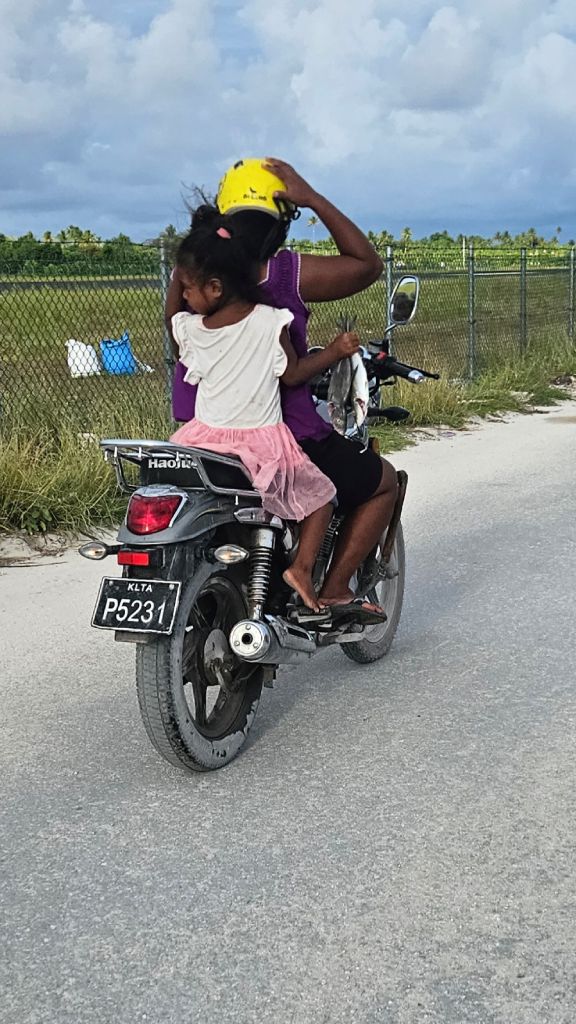
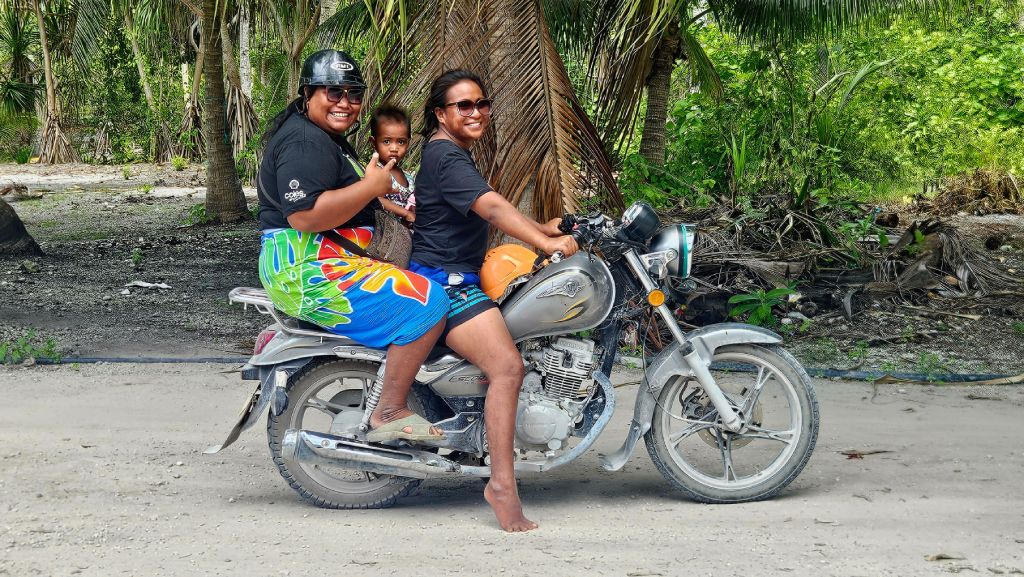
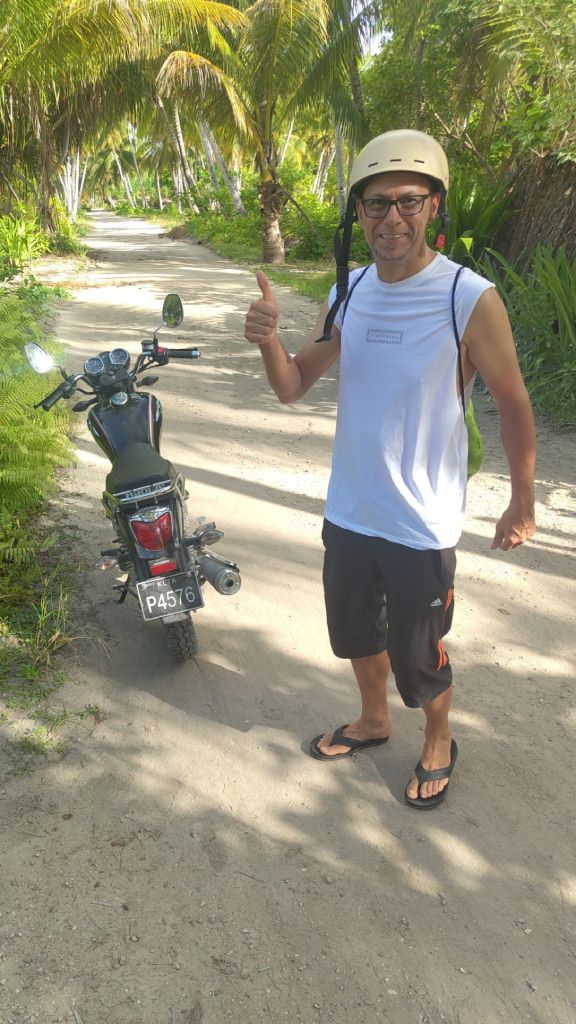
- Riding a motorbike through hectic South Tarawa.
- Gliding across turquoise waters on a motorboat.
- The friendly atmosphere and people’s openness to interact.
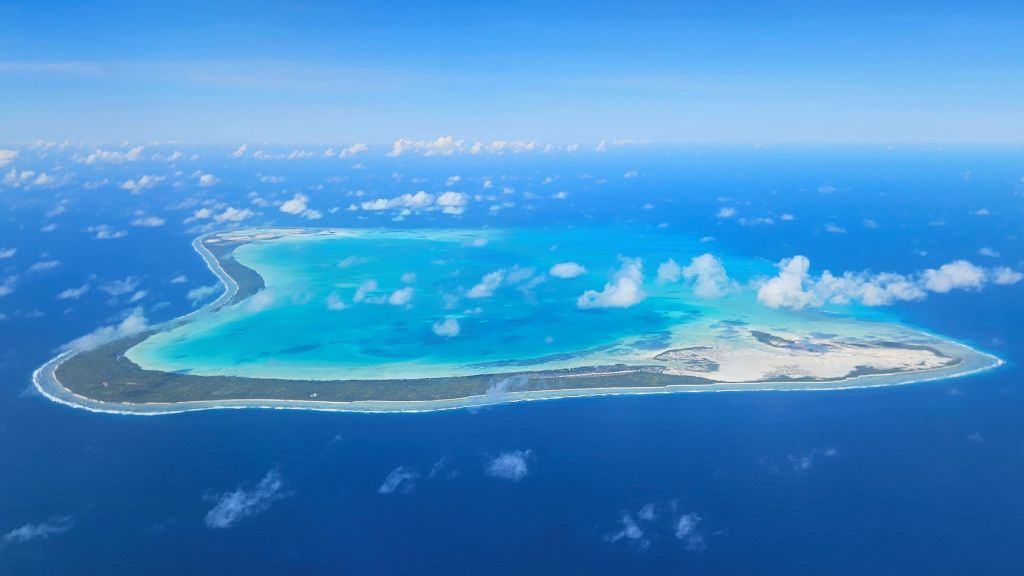
Kiribati is a unique Pacific nation of 33 coral atolls spread across 3.5 million square kilometers of ocean, spanning all four hemispheres. Although spelled Kiribati, it is pronounced Kiribas. While its ocean territory is similar in size to India, its total land area is only 811 square kilometers.
Due to unexpected flight cancellations and changes, I had only three days to visit Kiribati, but I made the most of them. Despite its relatively small land area, the country’s widely scattered islands make it one of the true gems of the Pacific. I didn’t find any major attractions or sightseeing spots, but the overall atmosphere was very positive.
My goal was to explore Kiribati’s two sides: bustling Tarawa and a calm, remote island.
A Kiribati travel adventure nearly lost
Organizing my trip to Kiribati was very different from all the other Pacific islands I had visited. This was mostly because of Nick, a retired Swiss who had settled on the remote island of Abaiang.
Weeks in advance, we planned how I would reach the island by passenger boat, which departs from the capital, Betio, only on certain days. For the return, I had planned to hire a private boat, as there were no other options that day.
However, just days before my arrival, everything fell through. The airline canceled my flight from Nauru to Kiribati and transferred me to the next one planned for 3 days later. My Kiribati travel adventure was on the verge of falling apart. Somehow, I managed to find an alternative route through Fiji and arrived in Tarawa only one day late.
From Tarawa airport to Abaiang Island
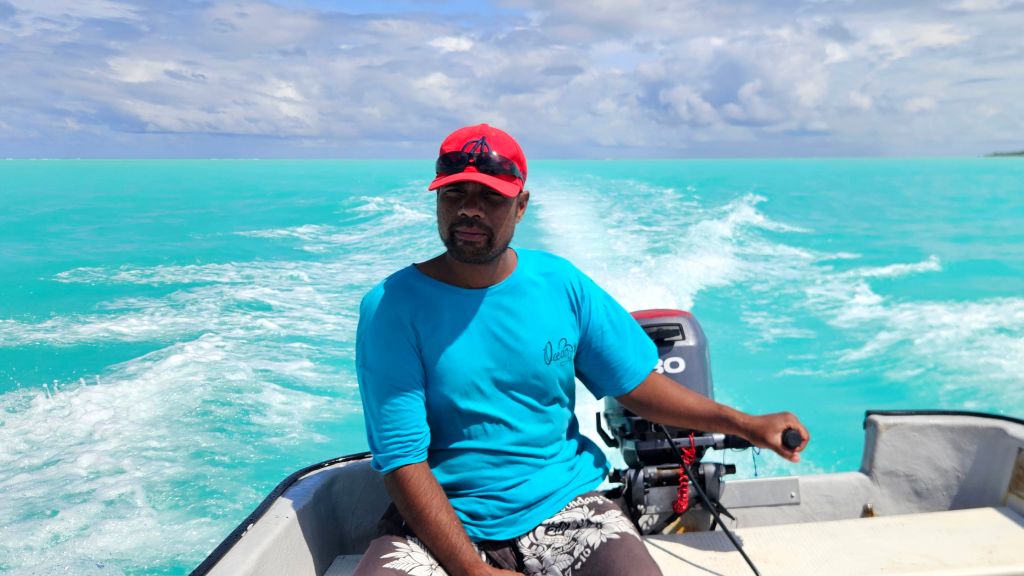
A tall, retired Swiss man named Nick was waiting for me at Tarawa airport. We just crossed the main road and boarded a private motorized canoe, already prepared for the two-hour ride to the island. In the end, I had to hire a boat for both legs of the journey.
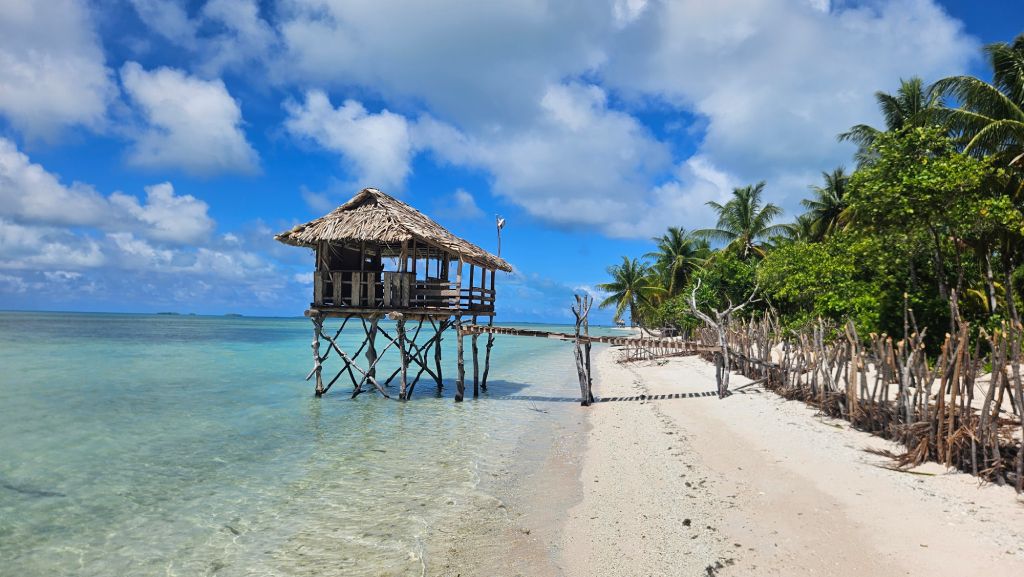
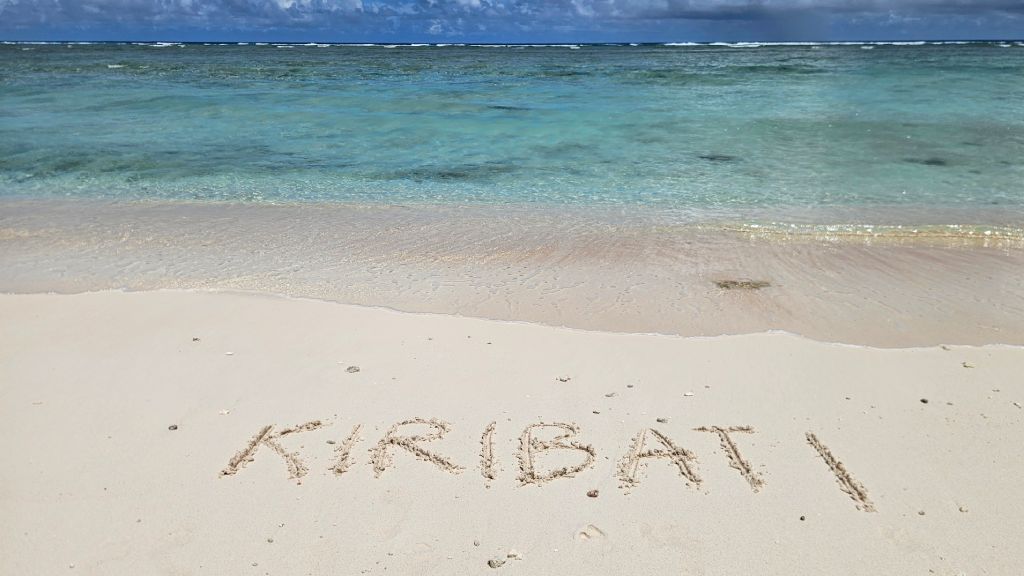
I had never seen so much turquoise water before.
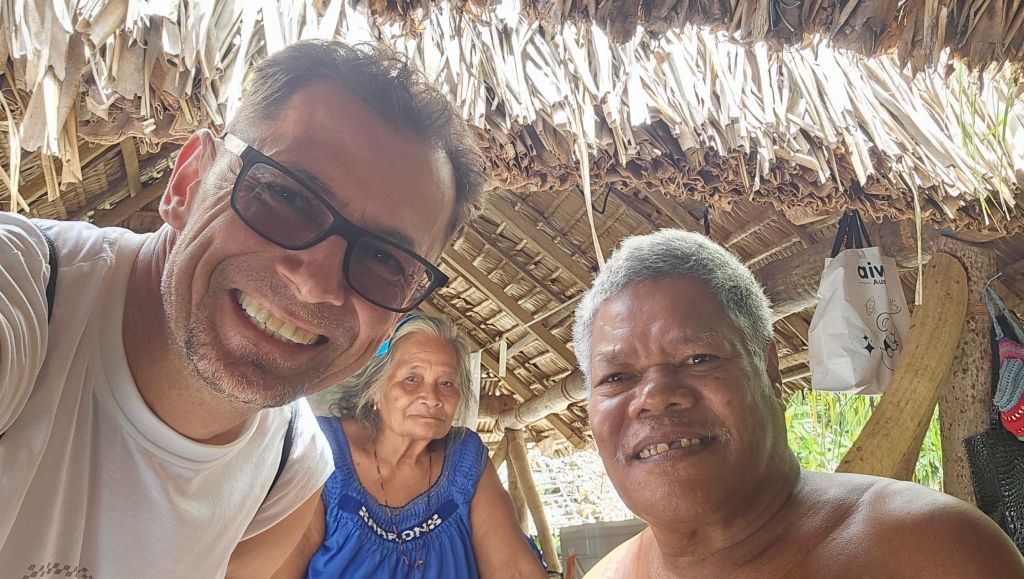
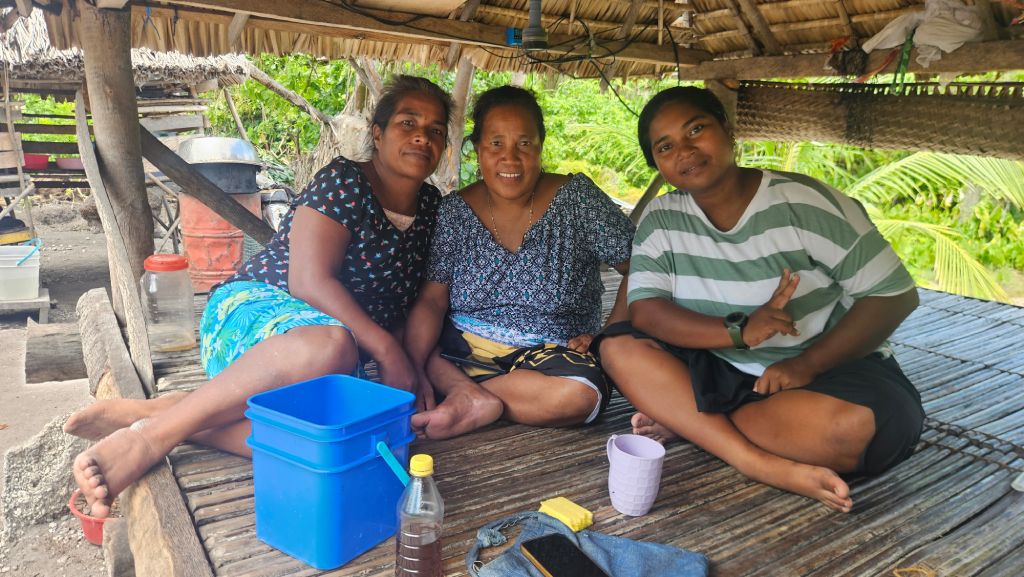
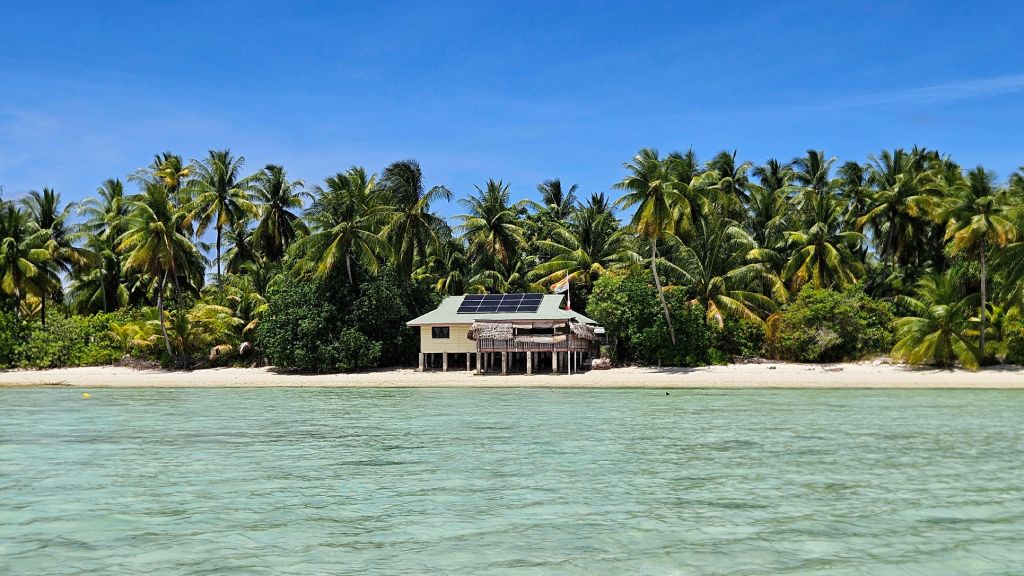
The marvelous ride over the turquoise waters quickly passed, and I soon spotted the outline of the island and later Nick’s wooden house right on the shore. We were greeted by Lisa, Nick’s wife, a local islander. I immediately felt a positive energy. Through our conversations, I learned about their new life in retirement. It is simple and calm, filled with plenty of freshly prepared quality food and daily tasks to keep them busy.
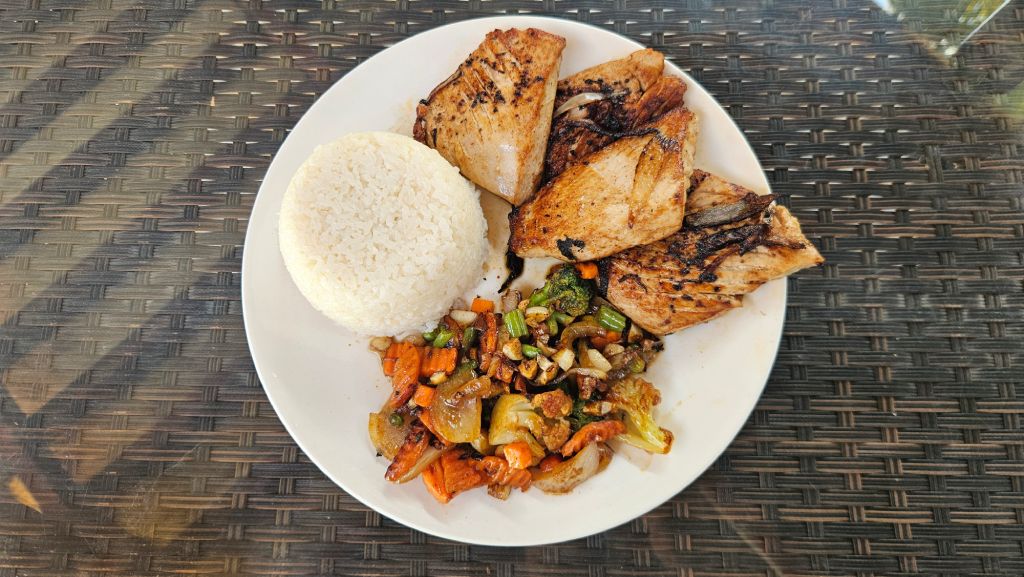
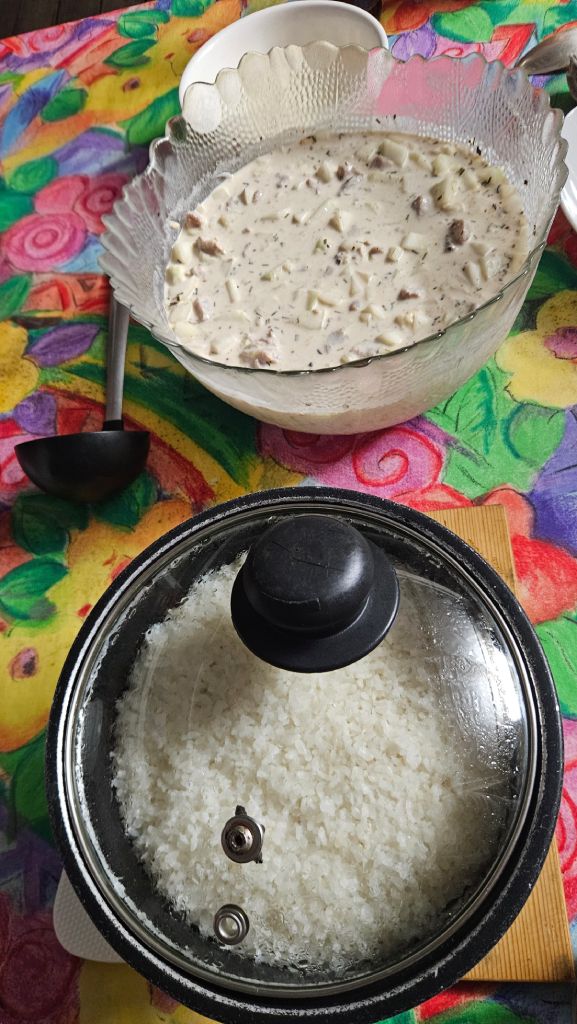
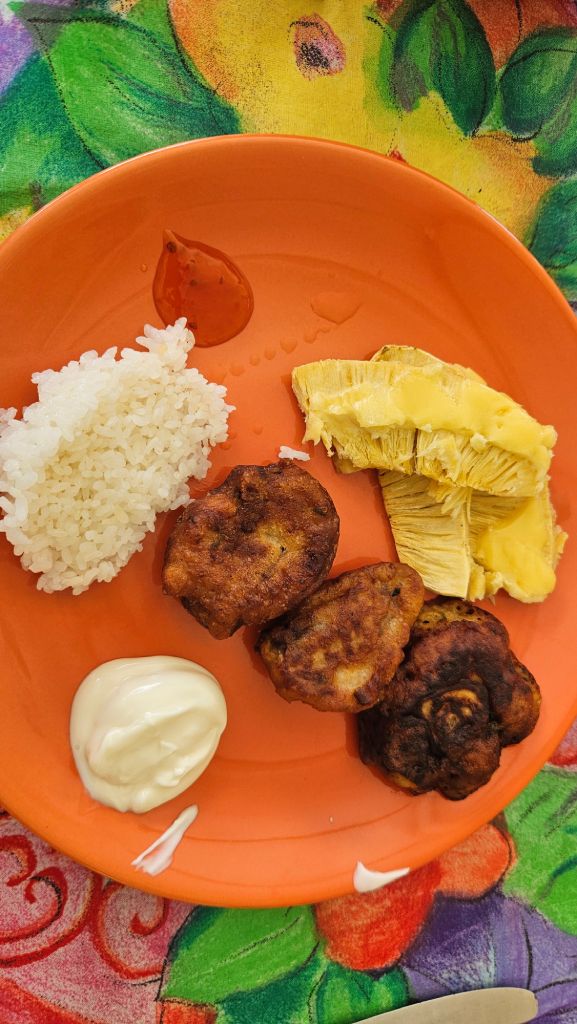
On the very first day, I tried the local specialty oraora, a ceviche-style dish with fresh coconut cream. Raw tuna is marinated in lime juice or vinegar and mixed with coconut cream, onions, cucumber, and a few spices. We enjoyed it with rice and a splash of soy sauce. Absolutely delicious and refreshingly light!
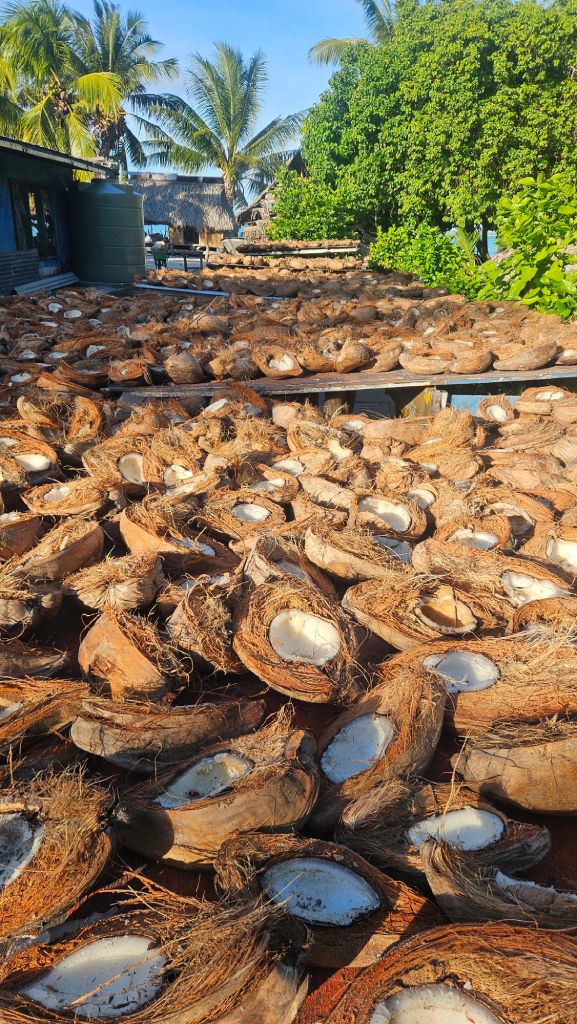
Simple living and warm encounters
Even without luxury, the simple lifestyle and natural surroundings made my experience relaxing and deeply enjoyable. It was the highlight of my Kiribati travel adventure.
Pleasant weather, the nearby sea, friendly locals, and basic comforts like internet and electricity created a true paradise in Kiribati.
“There is no snorkeling, diving, traditional landmarks, cozy things to do or exciting places to visit on Abaiang,” Nick explained.
“You came here to slow down, rest, and experience the local culture.”
And that’s exactly what I did over the next two days.
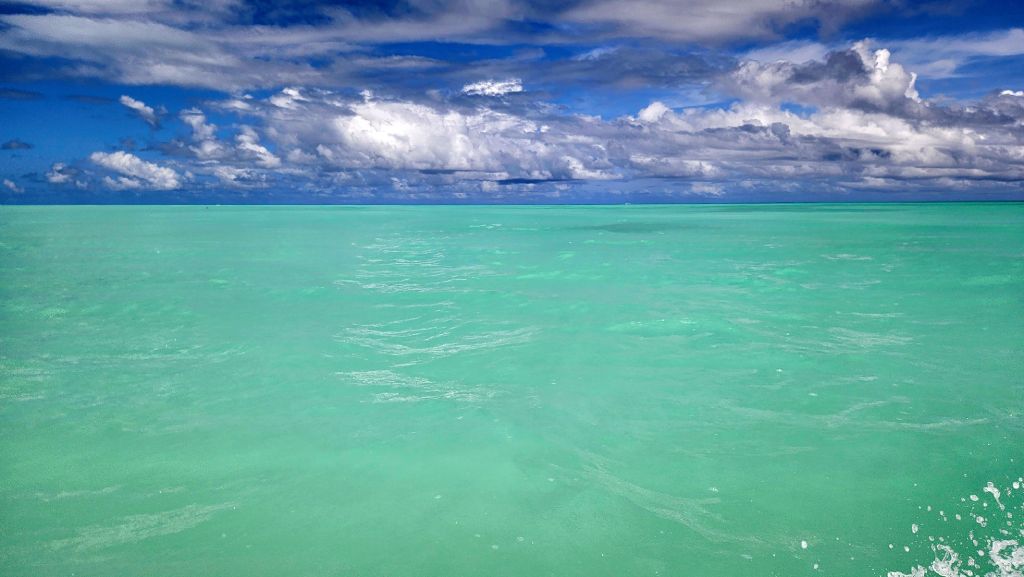
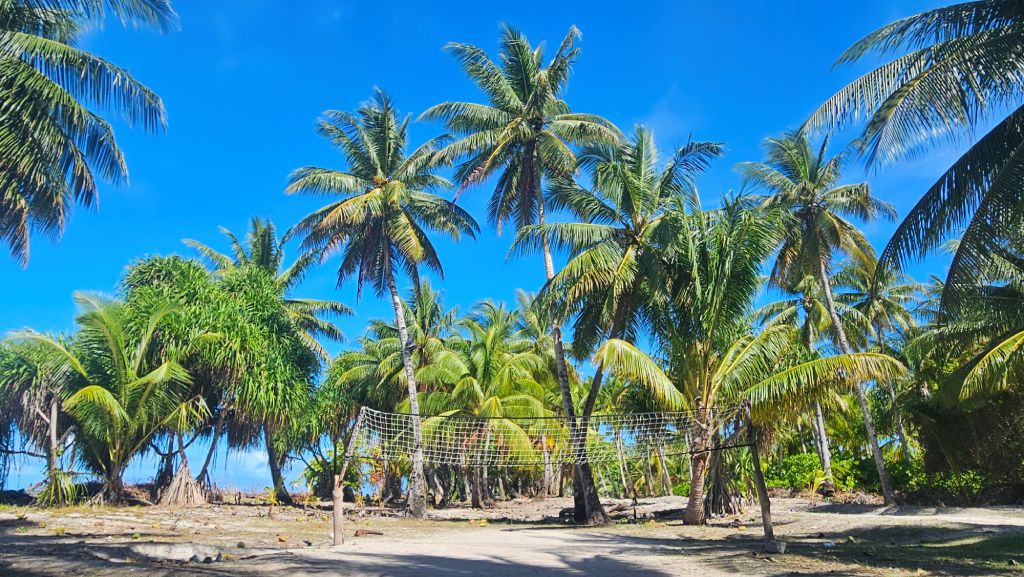
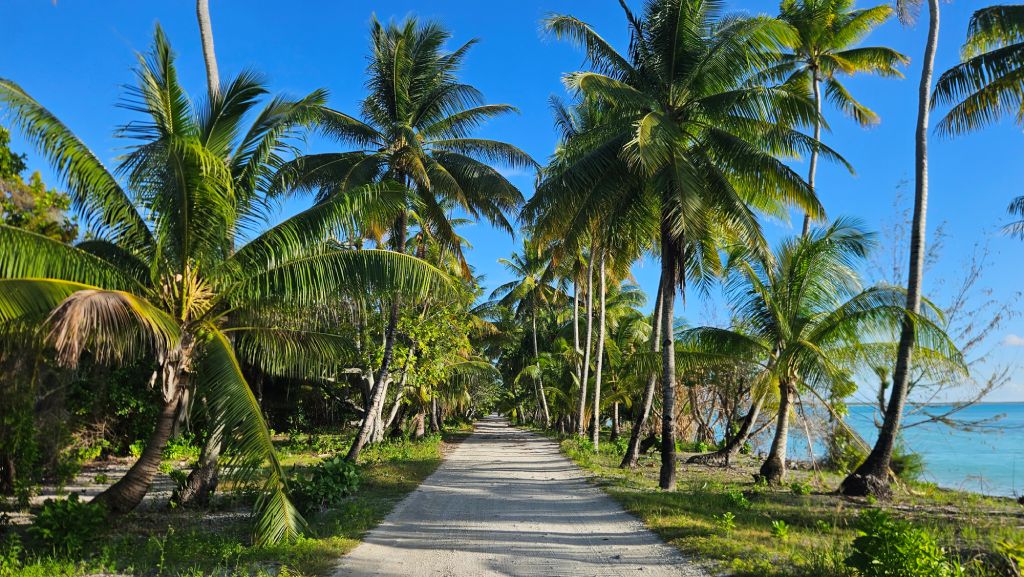
The island is about 40 kilometers long and extremely narrow. Shaped like a crescent, can be crossed from north to south along a compact dirt road close to the coast. On the first day, I cycled south, where friendly locals often stopped me for conversations. I watched boys playing beach volleyball in the afternoon and later noticed many more courts across the island.
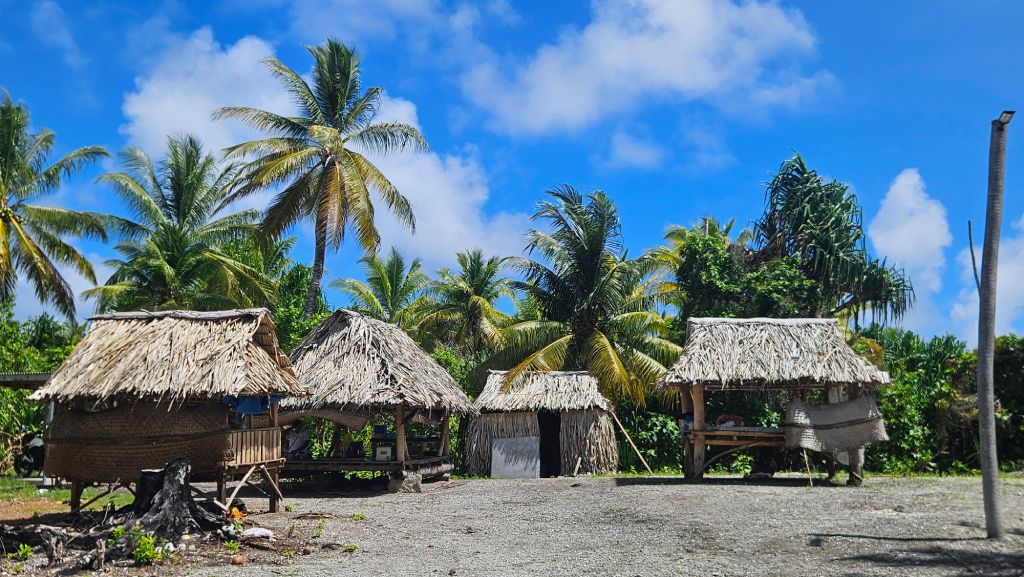
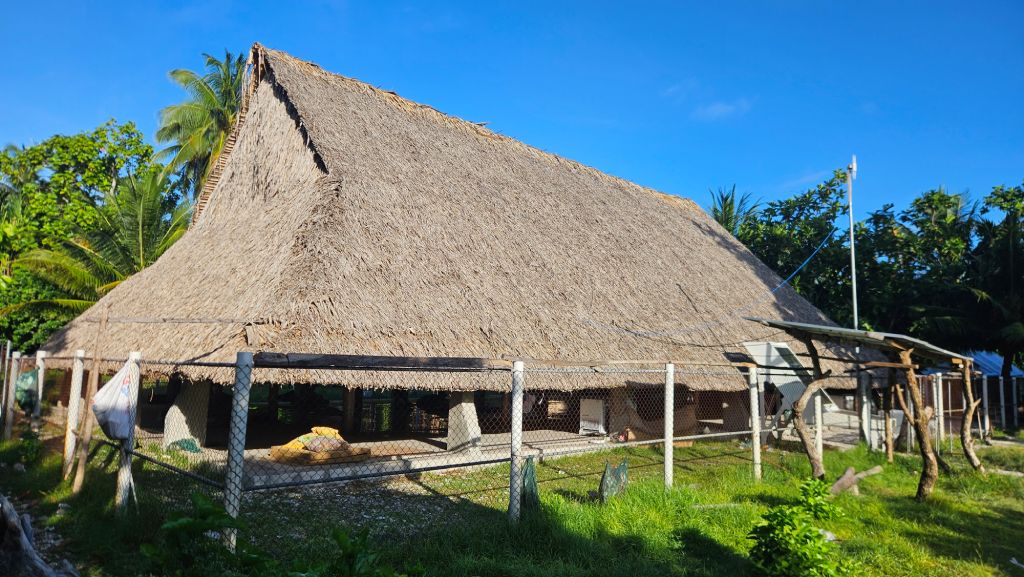
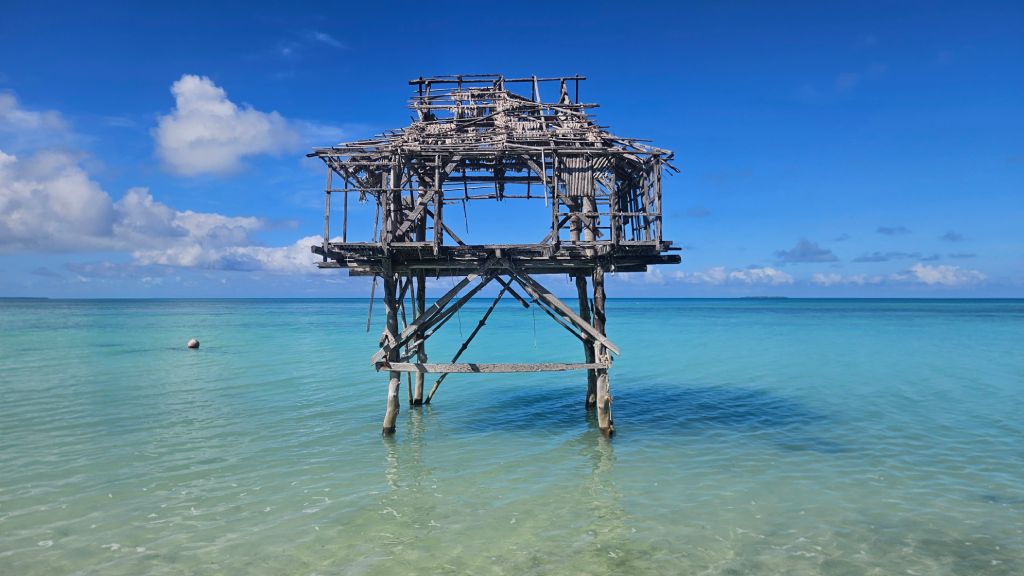
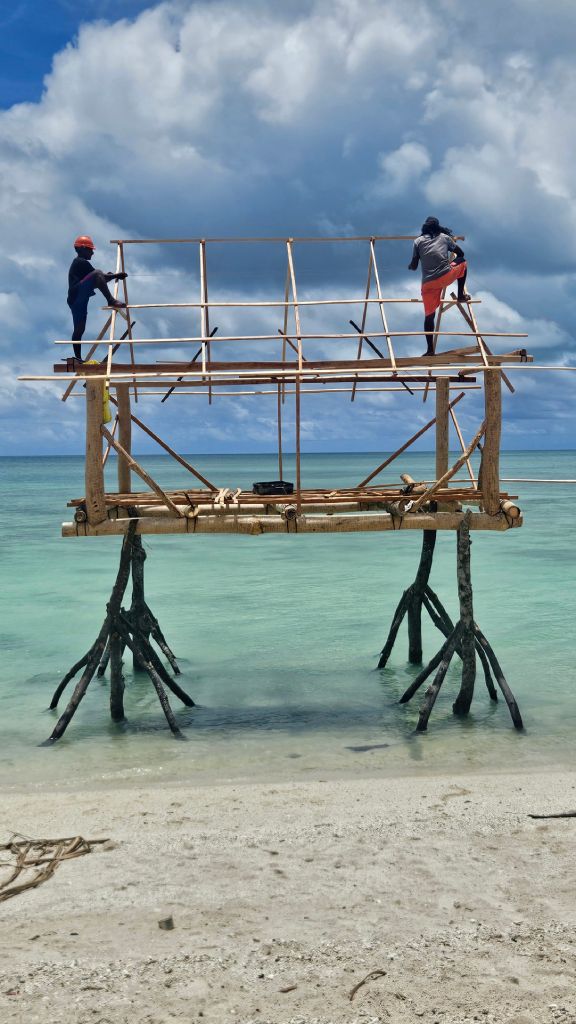
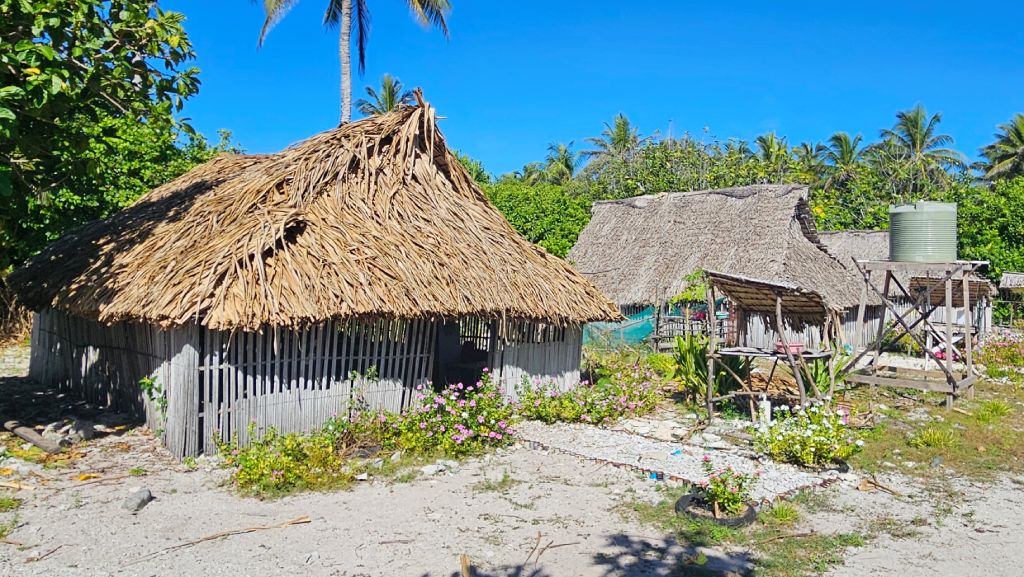
Homes are simple; wooden houses raised on stilts and covered with coconut palm leaves to protect from heat and rain. Inside, they usually consist of one large open room with a gravel floor covered by mats.
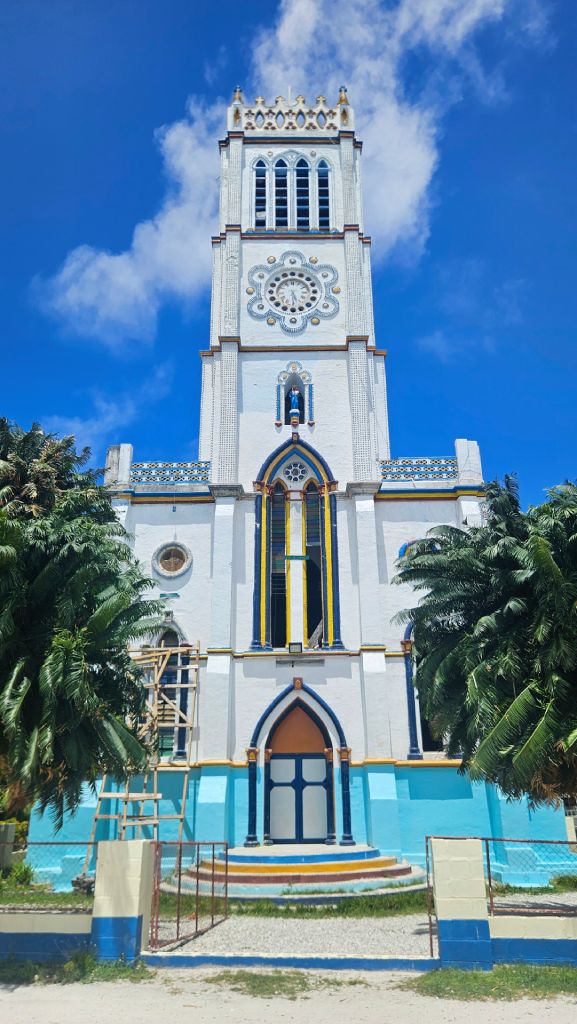
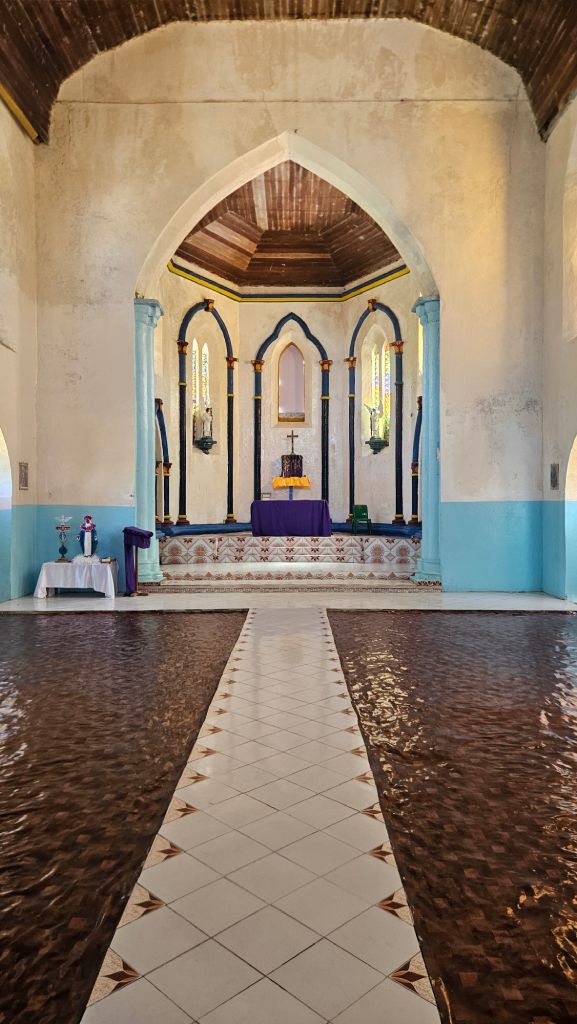
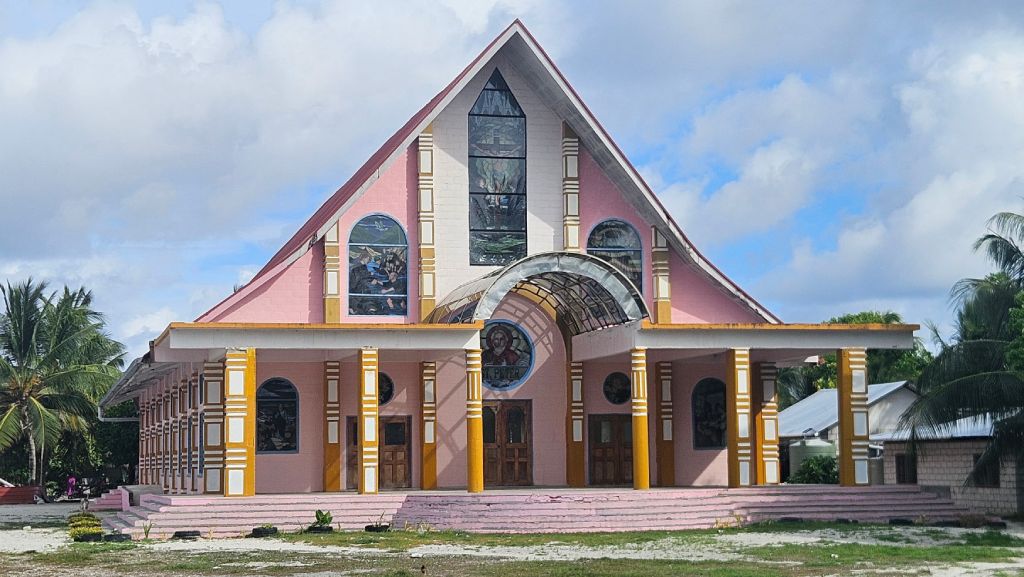
I spotted over a dozen churches, reflecting Abaiang’s strong Catholic influence. Apparently, religion plays a central role in daily island life. Not so much for prayer or study, but more as a social gathering spot. Churches are the most well-built structures on the island, standing out in contrast to the more modest surrounding homes.
I was surprised to see even young American Mormon missionaries, neatly dressed, moving around and introducing their faith to new people.
School life on a remote island
The next day, I rented a motorbike for the entire day to explore both ends of the island.
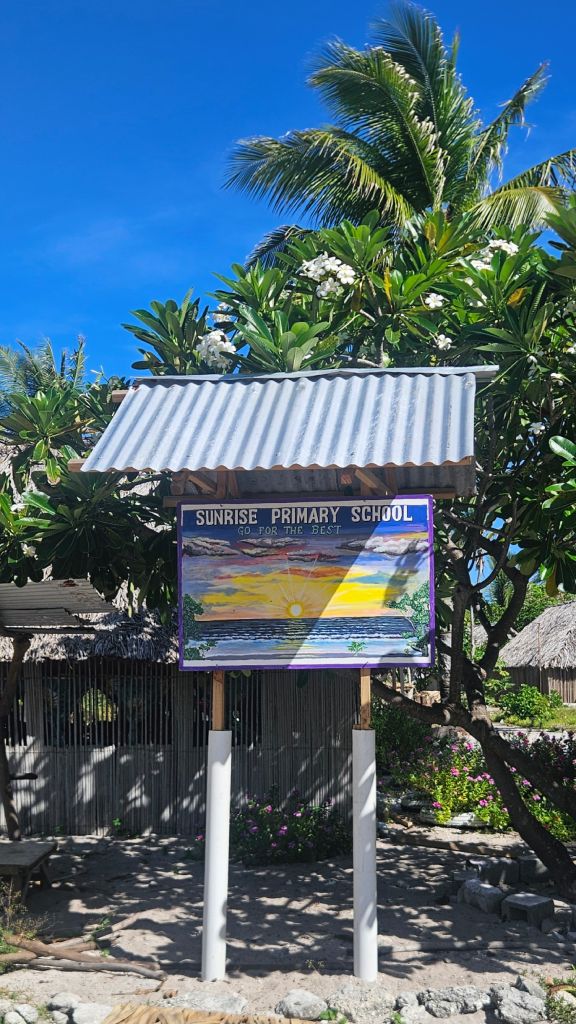
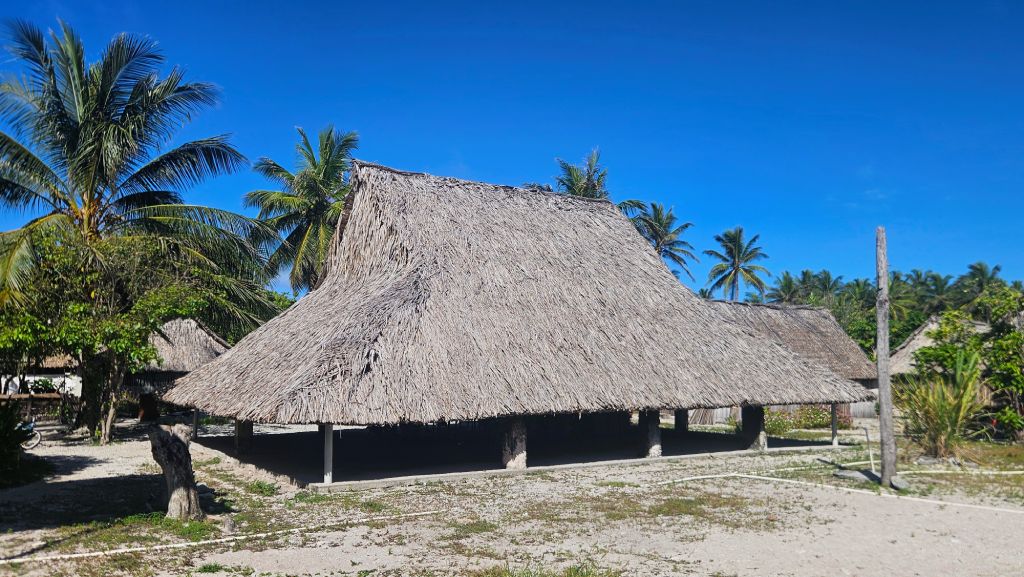
I visited a primary school, which is actually a conglomerate of 4 huts and maneaba – a traditional community meeting house. After a short introduction, the students kindly sang a song for me. I tested their English skills, which weren’t very strong. They seem to be happy to attend the classes every morning, some of them walking long distances from their homes.
While wandering casually around the school, a dog suddenly appeared, barking and approaching me aggressively. It ran under my feet, but I managed to scare it away. As on many Pacific islands, dogs are the main danger for unprepared visitors also in Kiribati. Generally, on Abaiang, they remain calm if you are careful and respect their territory. I didn’t have any other encounters with stray dogs.
Kava and substance use
Later that morning, I visited the island’s most important building; a Catholic church built in 1907, featuring unique shell decorations. Our Lady of the Rosary Catholic Church was completed during Kiribati’s time as a British protectorate. At the time of my visit, the long restoration of the main landmark was slowly ending.
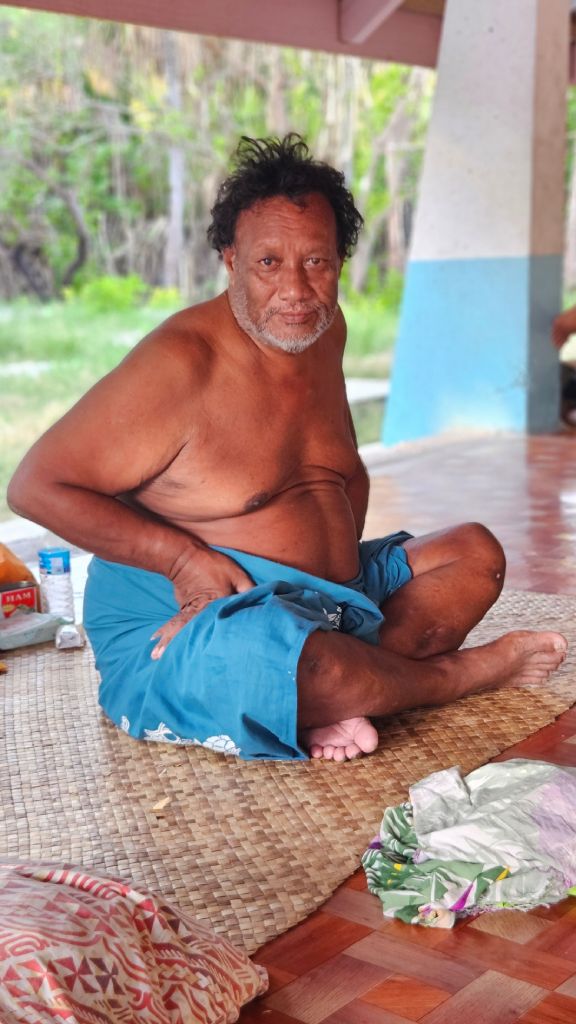
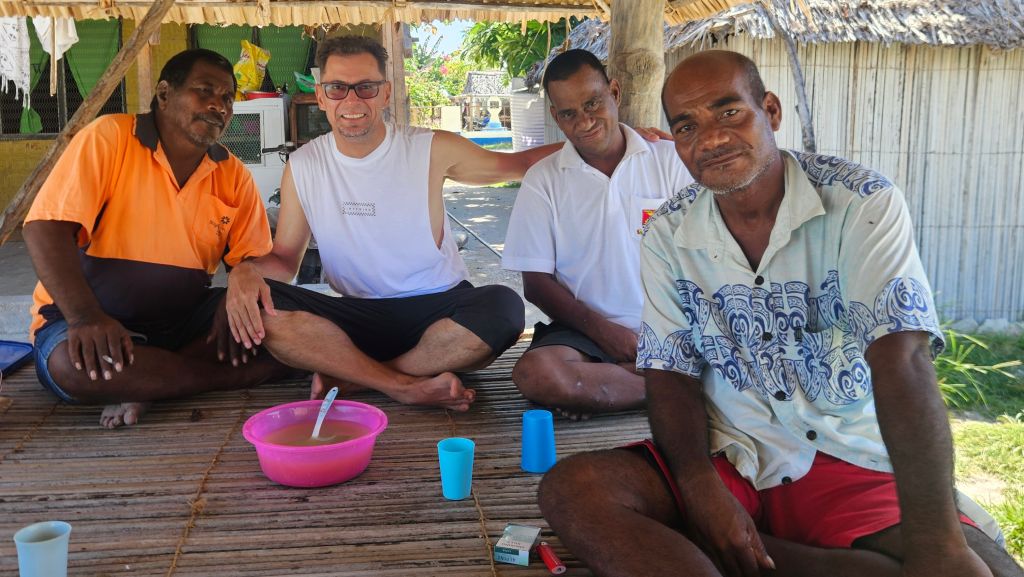
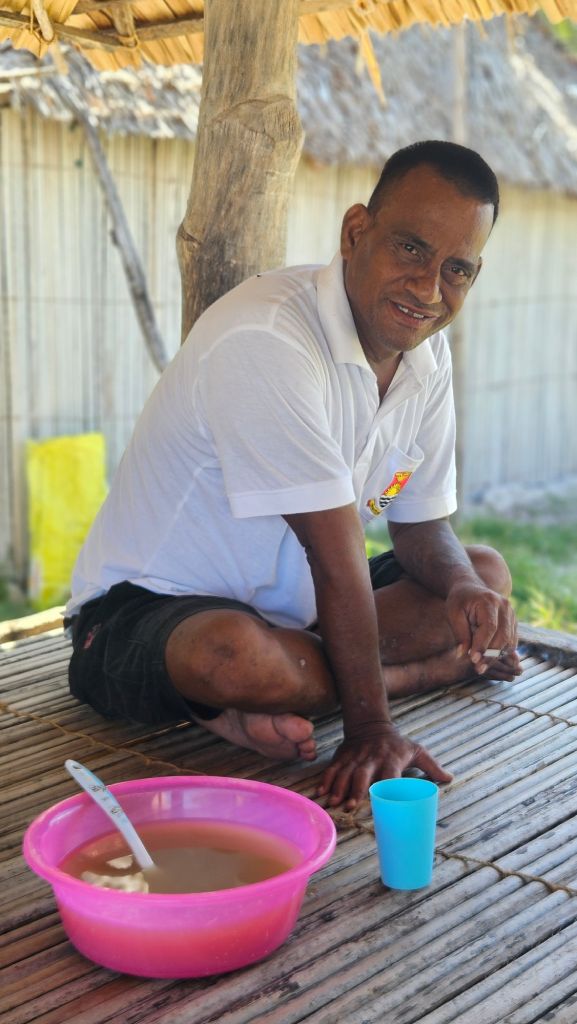
Nearby, I started a conversation with men preparing kava, the intoxicating drink made from the roots of a special plant. This kava was tastier than what I had tried in Fiji or Nauru before. Unsurprisingly, they drank it early in the morning, which is in line with local customs where mild intoxication is part of daily life.
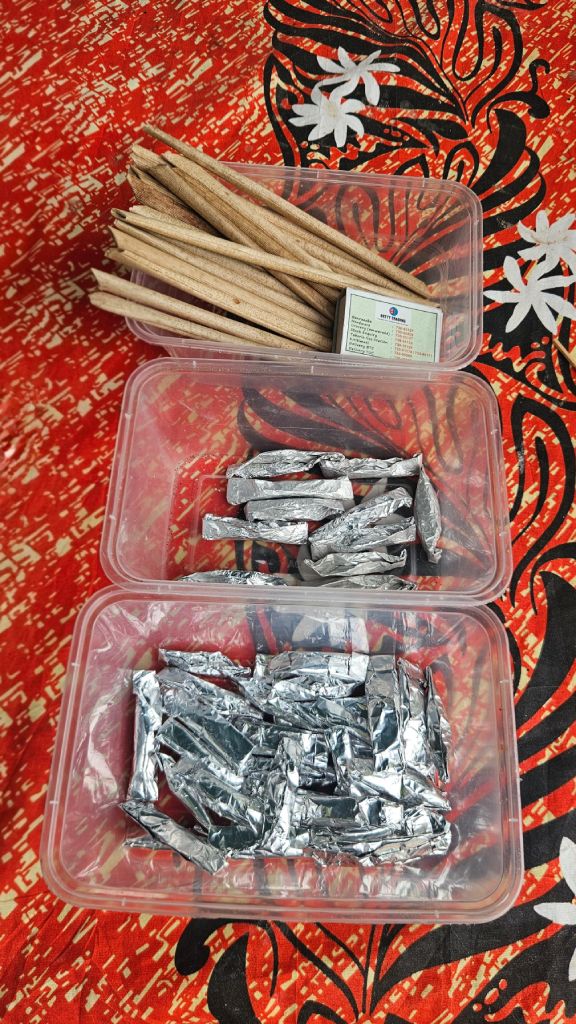
Later, I watched the preparation of a synthetic stimulant made from a mixture of kola nut, vanilla-flavored alcohol, toothpaste and other ingredients. At the end, the vendor wrapped small portions in aluminum foil. While kava is mainly consumed by older men, synthetic stimulants are popular among the youth.
Drugs pose a significant problem on the islands, causing severe health effects, especially poor dental health.
I believe there are also serial social and economic consequences, as they are very expensive.
Fresh coconut, friendly locals
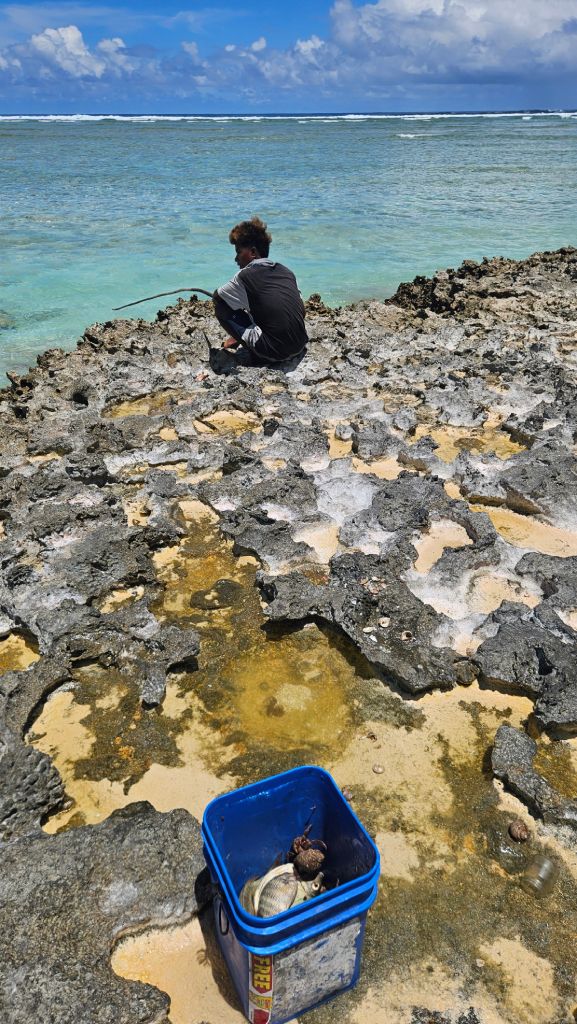
When I reached the northern tip of the island, I swam in the warm, shallow waters along the coast. Two boys were fishing from the shore, while another was stretching a net in the shallow water under the midday sun.
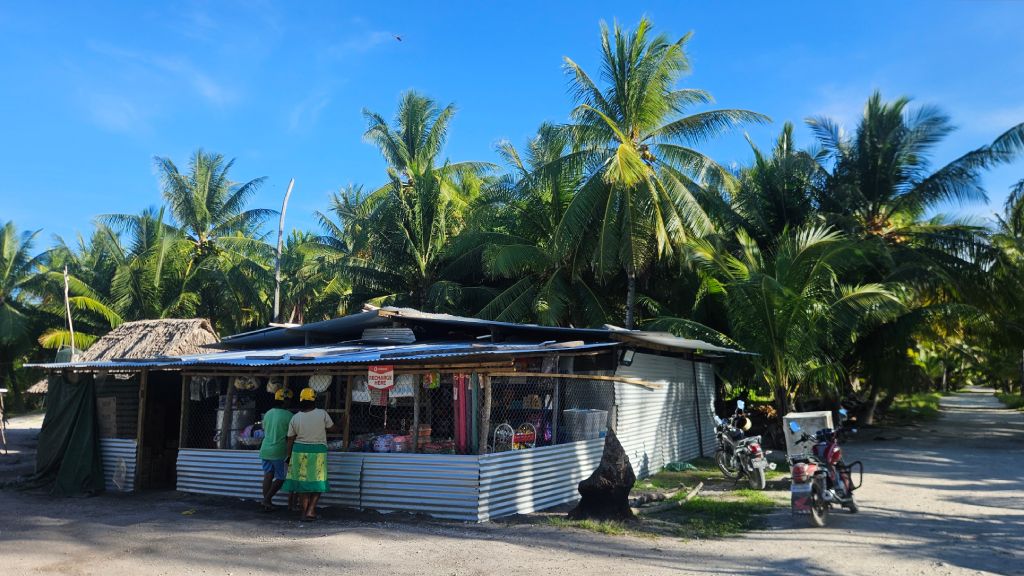
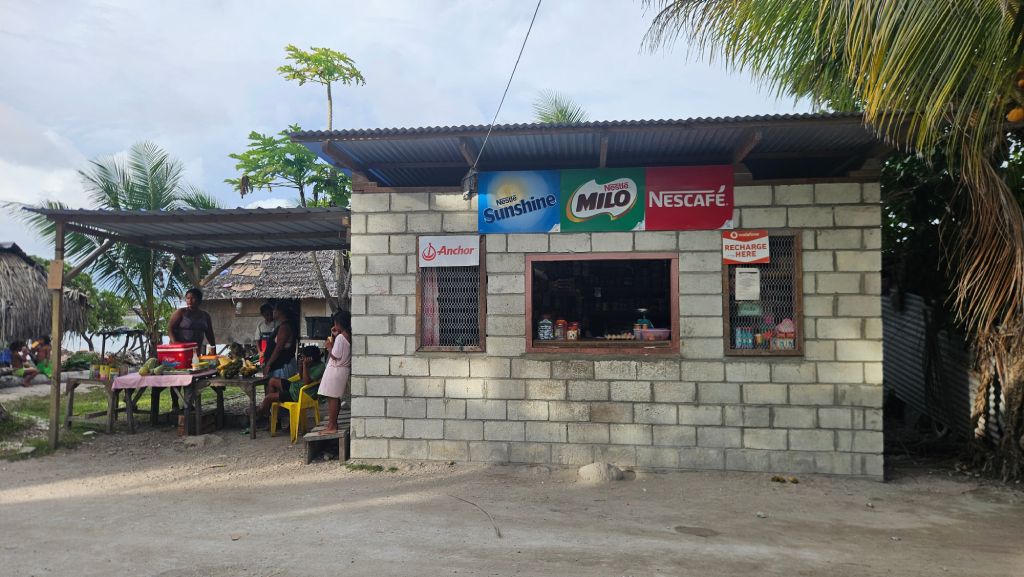
As soon as I stepped out of water, I became very thirsty. I searched for a shop until I arrived at one of the villages.
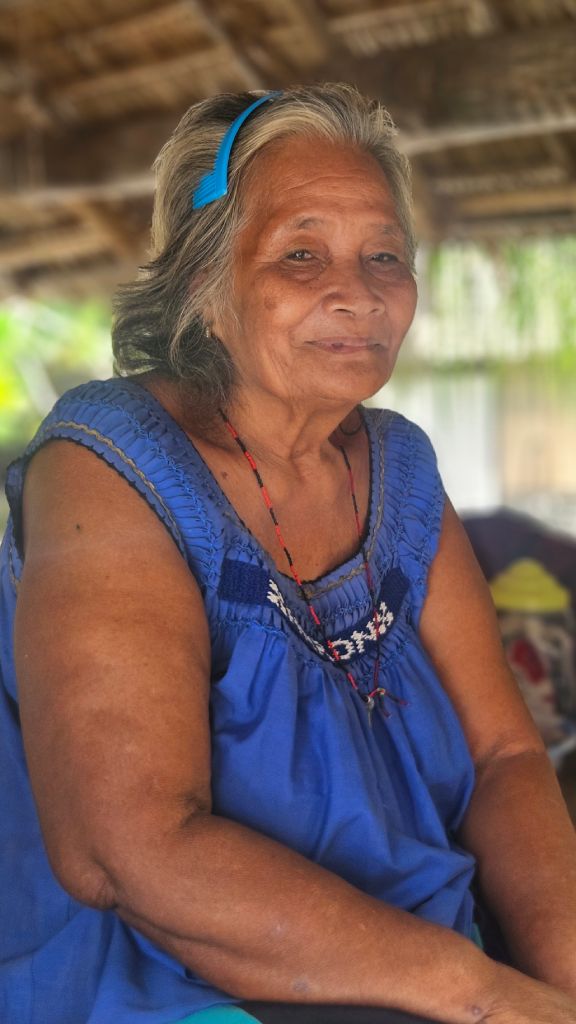
“Where can I buy water or a soft drink? I’m very thirsty,” I asked an old lady.
Her English wasn’t very good, so she called a young boy, who told me there were no shops nearby. He grabbed a tool for husking coconuts and quickly peeled two. The lady made a hole in each, offering them to me.
“For you, my friend!”
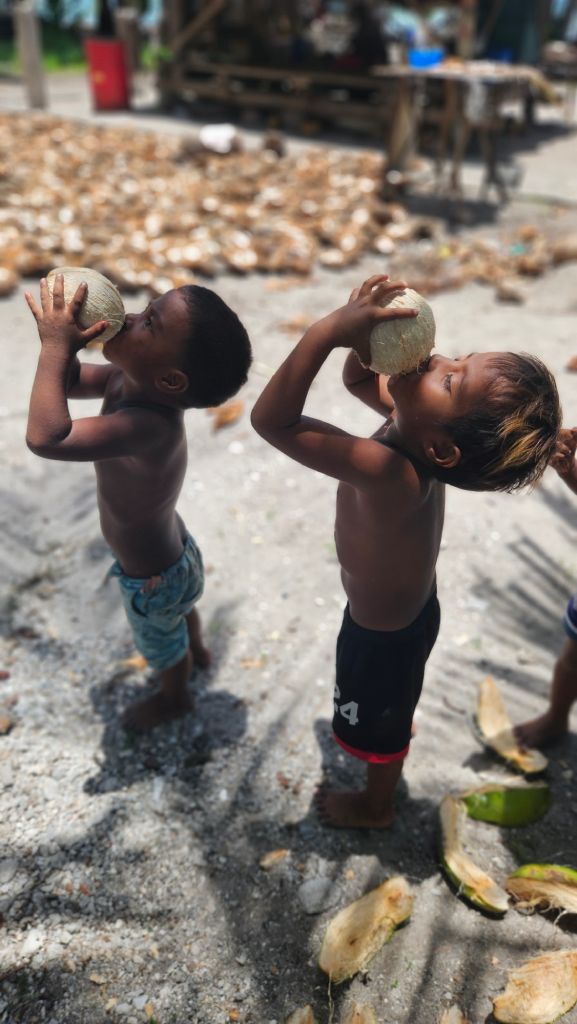
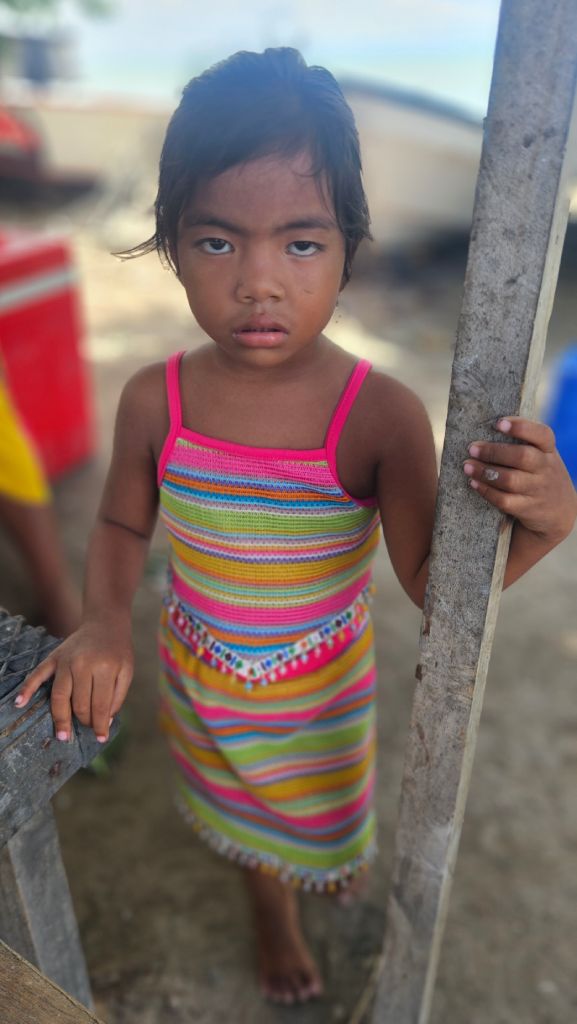
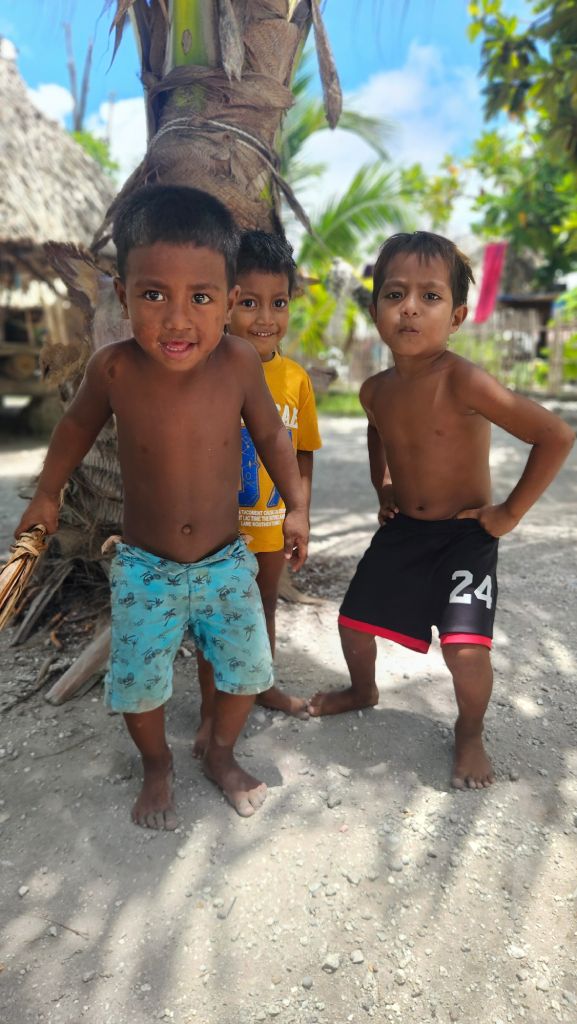
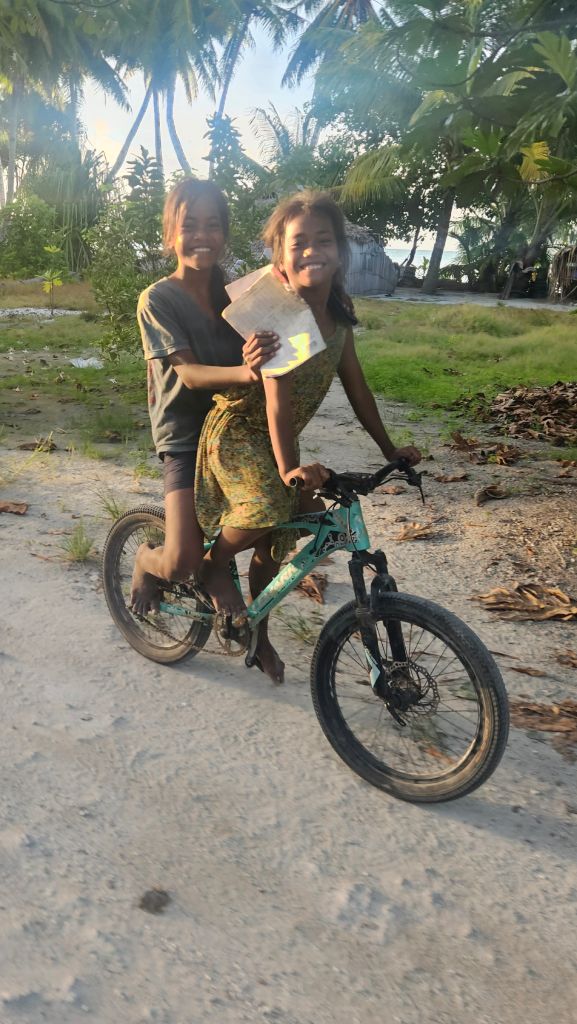
It was incredibly refreshing, and I was very grateful. I drank one coconut and offered the other to the children, who playfully jumped around me. This was just one example of the locals’ kindness, which appeared at every turn on Abaiang island.
A heartfelt goodbye
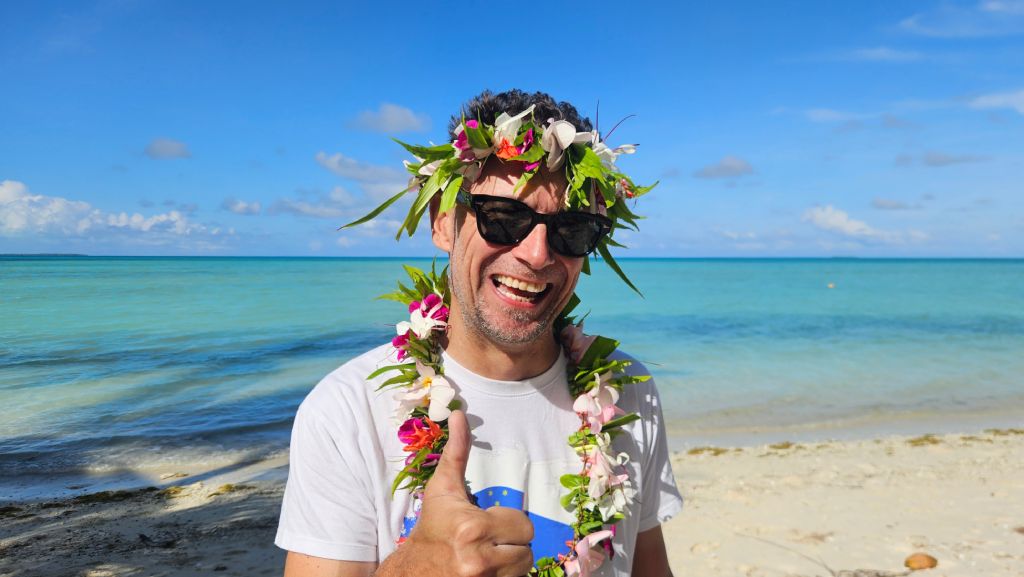
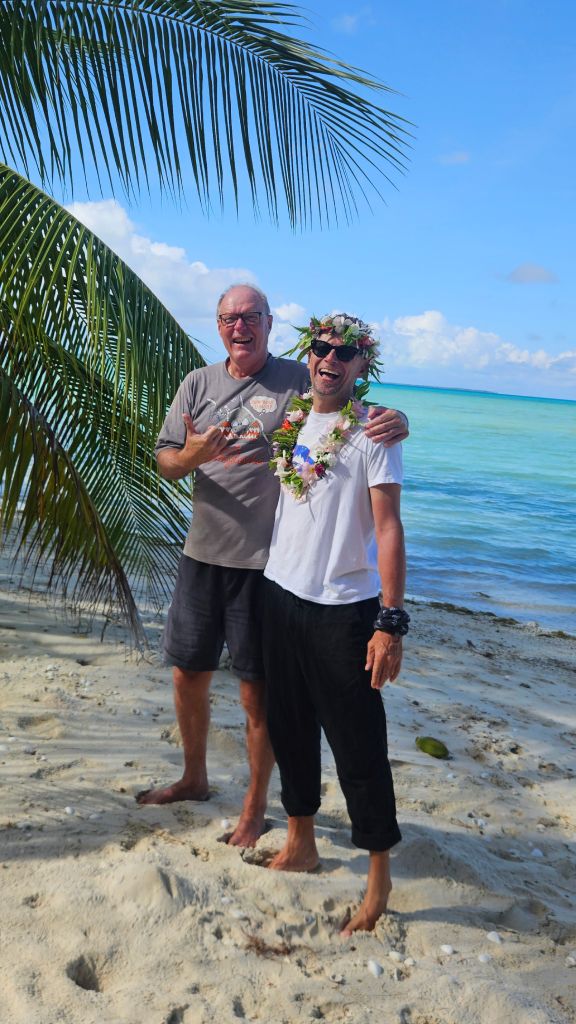
Before leaving, Lisa made me two colorful wreaths from leaves and flowers. One for my head, another for my neck. They symbolize respect, beauty, and celebration, besides being beautiful.
This was just the culmination of the wonderful bonds and friendships we had formed in such a short time. I felt deeply moved and grateful.
“I am deeply grateful to both of you, Nick and Lisa, for your kindness and hospitality!”
I could have easily stayed another day on the island, continuing my Kiribati travel adventure and enjoying time with the locals.
Chaos of South Tarawa
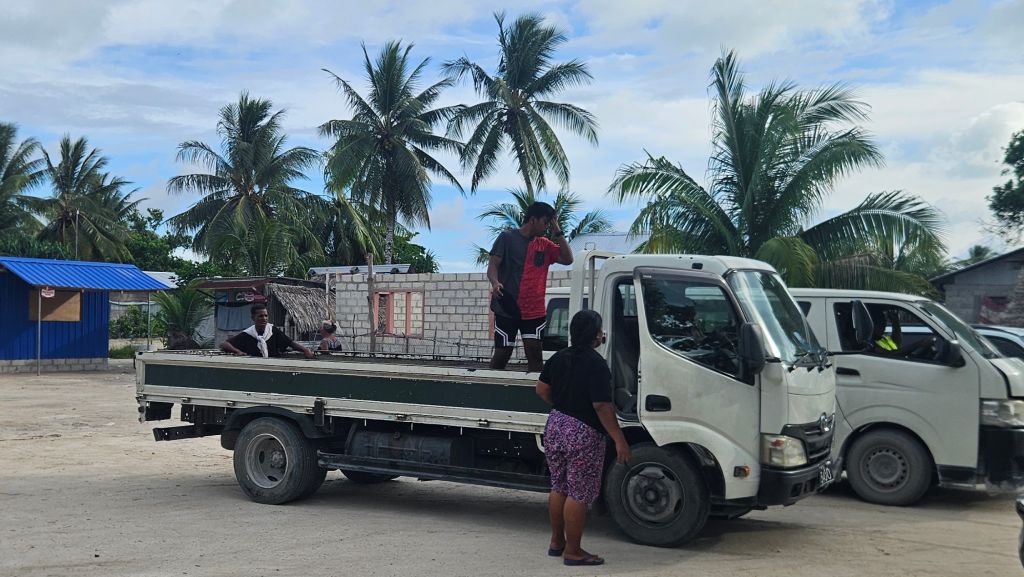
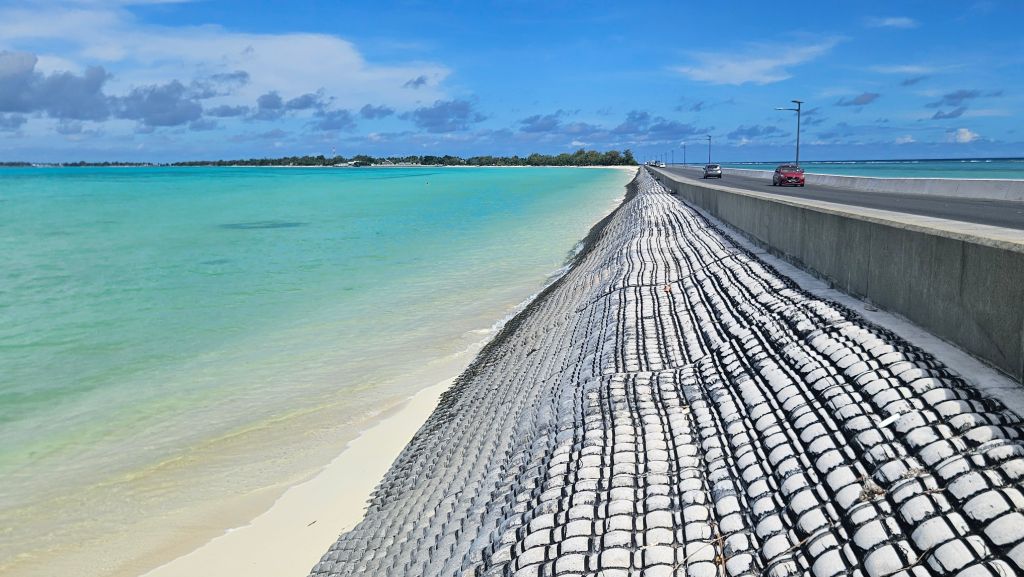
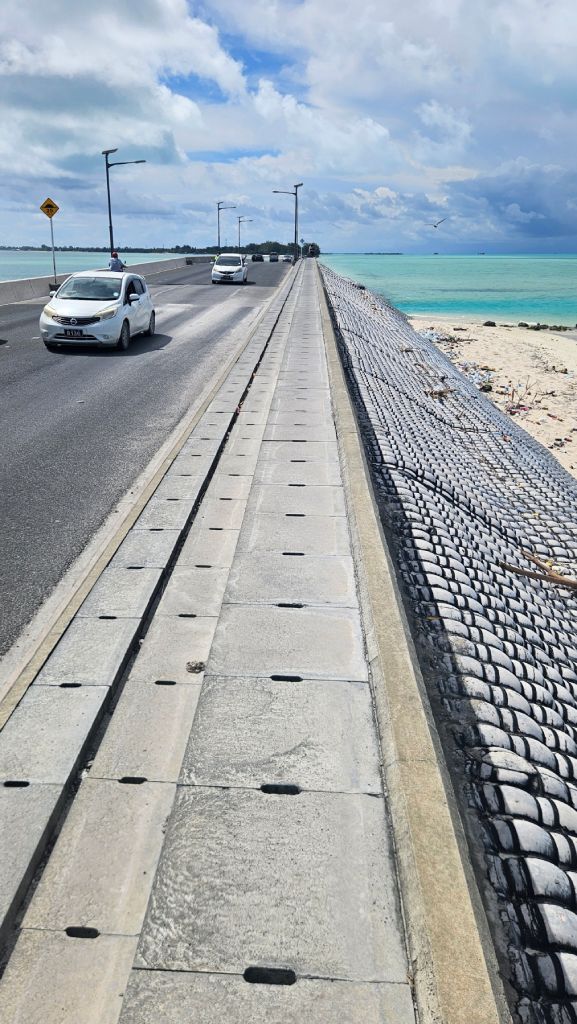
South Tarawa is the capital and economic hub of Kiribati, home to roughly half of the nation’s population - 63,000. I rented an old, hard-to-handle motorbike to ride from the main town of Betio to the far opposite end of the island. The 40-kilometer road passes mostly through urban areas, with buildings lined up one after another. Speed bumps every few hundred meters ensure slow and cautious driving.
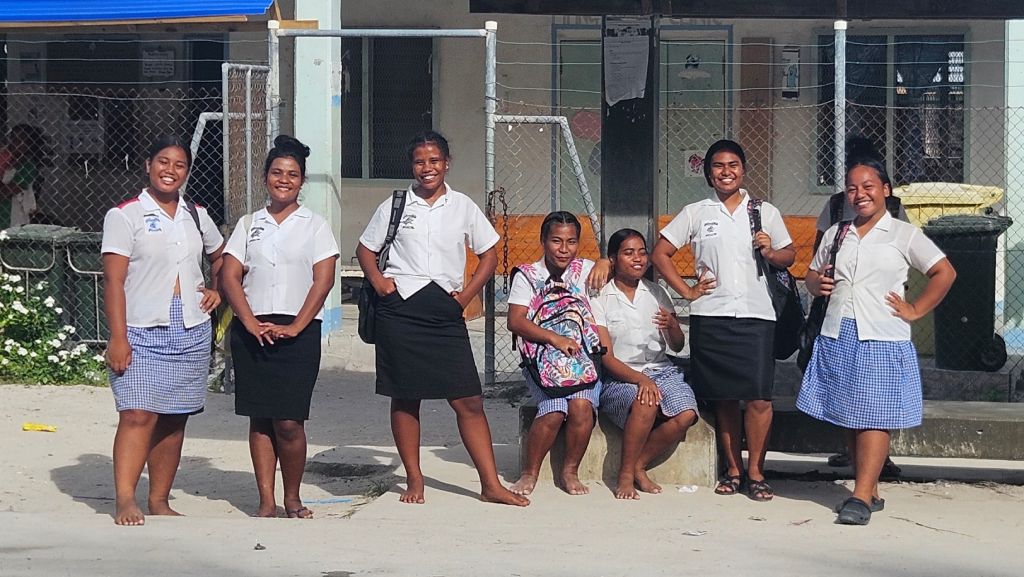
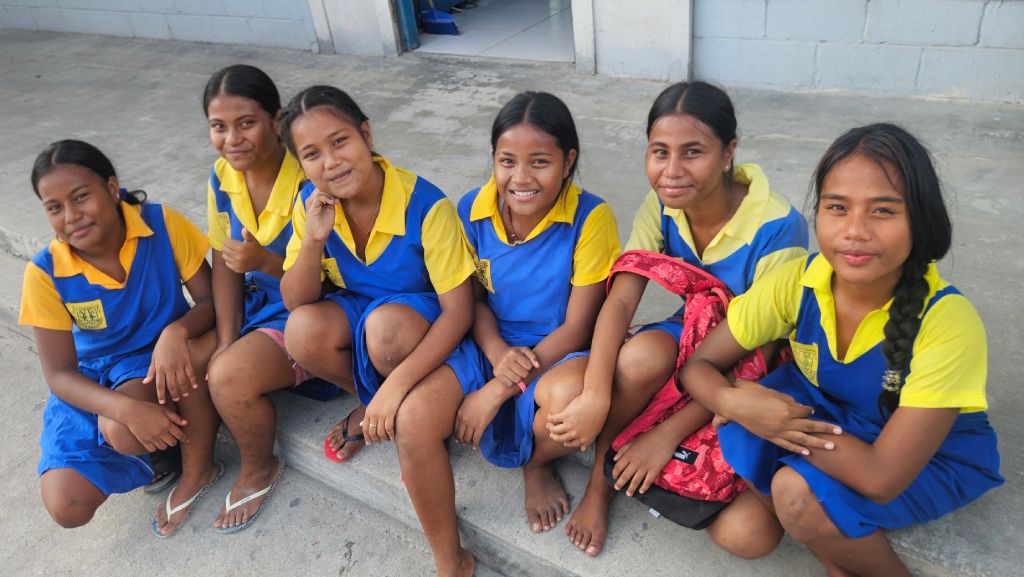
I wasn’t focused on World War II remnants or other historical sites. Instead, I let the day unfold naturally. I was stopping occasionally to chat with students in colorful uniforms returning home, vendors along the road or picturesque places. The island is a dense mix of residential areas, small shops, parks, and churches.
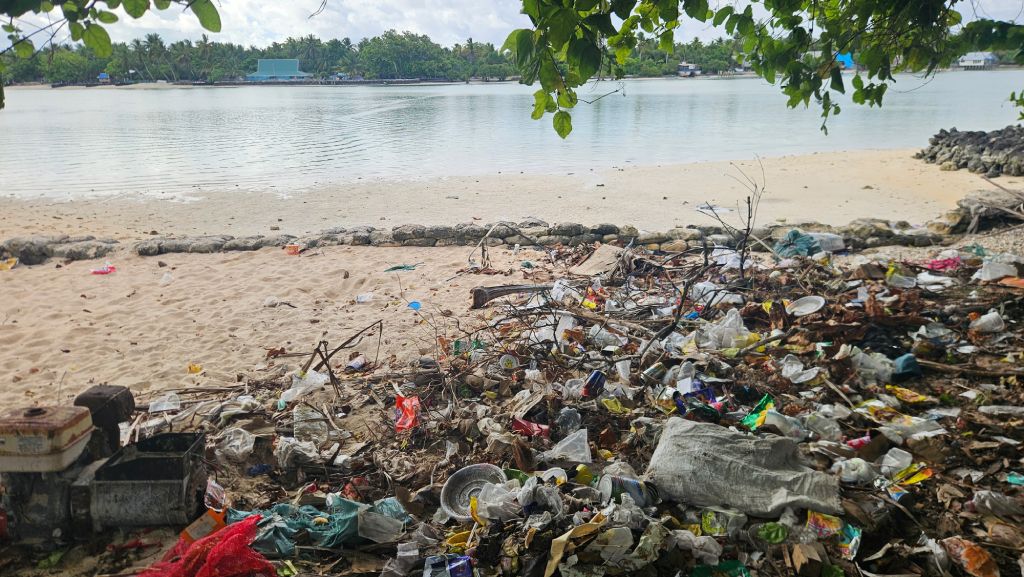
I noticed a lot of trash left unattended. For example, locals would clear a volleyball court but leave the garbage along the edges. A lot of garbage on the beached, didn’t make swimming appealing, though a few locals were walking in the shallow water. It was a completely different experience from the sparsely populated Abaiang.
More people continue moving to Tarawa island for better infrastructure and income opportunities. Most formal jobs are tied to government institutions, but many informal vendors, especially selling food and drinks, line along the main road.
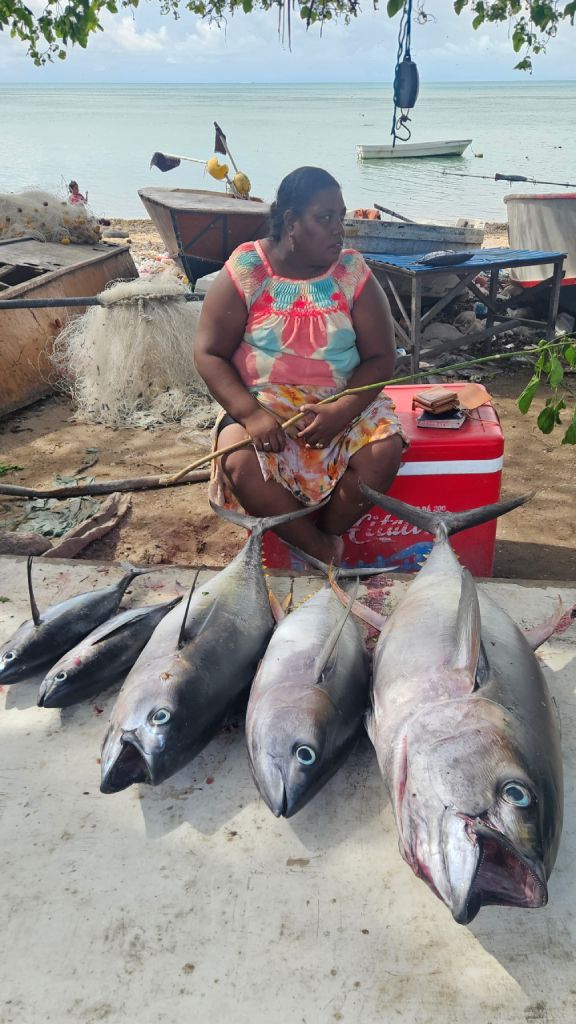
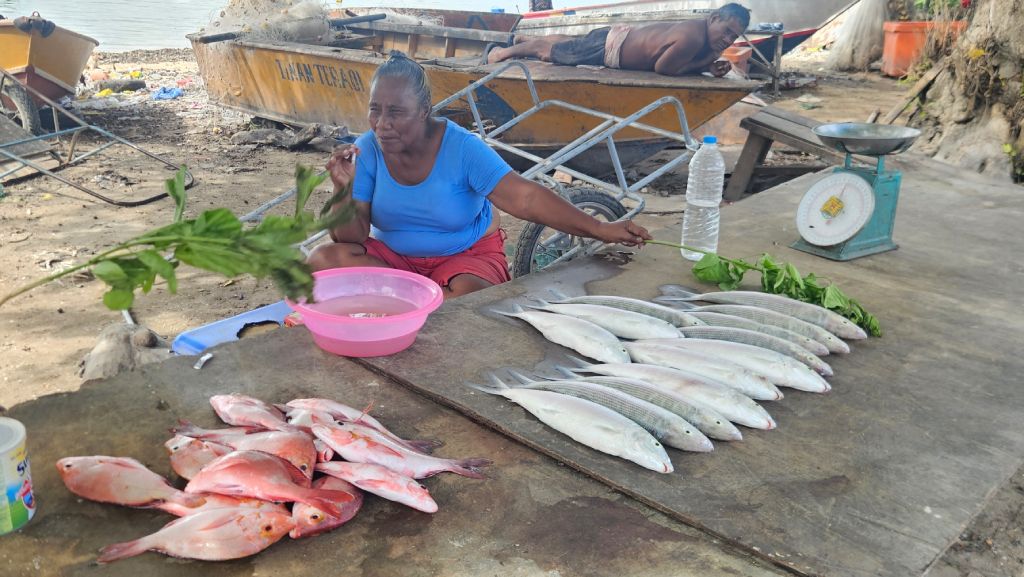
The fish vendors were particularly interesting, offering a wide variety of fresh fish. The large tuna stood out the most. I considered it truly first-class quality.
Reflections on my visit to Kiribati
For me, Kiribati is one of the most charming islands in the Pacific. I had the chance to experience the remote, sparsely populated Abaiang and the densely populated South Tarawa. True opposites, yet both reveal the real face of this Pacific nation.
On one side are calm, carefree locals, content with what they catch from the sea or gather from trees. At the same time, there is a lack of ambition and dependence on kava or synthetic drugs, which strongly shape the profile of people. On the other side, South Tarawa shows hectic life, overcrowding, congestion, and trash everywhere.
I will remember Kiribati for its friendly people, their relaxed and carefree attitude, and relatively affordable travel.
Even staying extra time would have been perfectly fine.
Kiribati Travel Photo Gallery