My New Zealand travel summary:
Visited: February 2026
Duration of visit: 15 days
Capital city: Wellington
Population: 5.3 million (2026)
New Zealand travel blog reading time: 13 minutes
Attractions and places I visited in New Zealand:
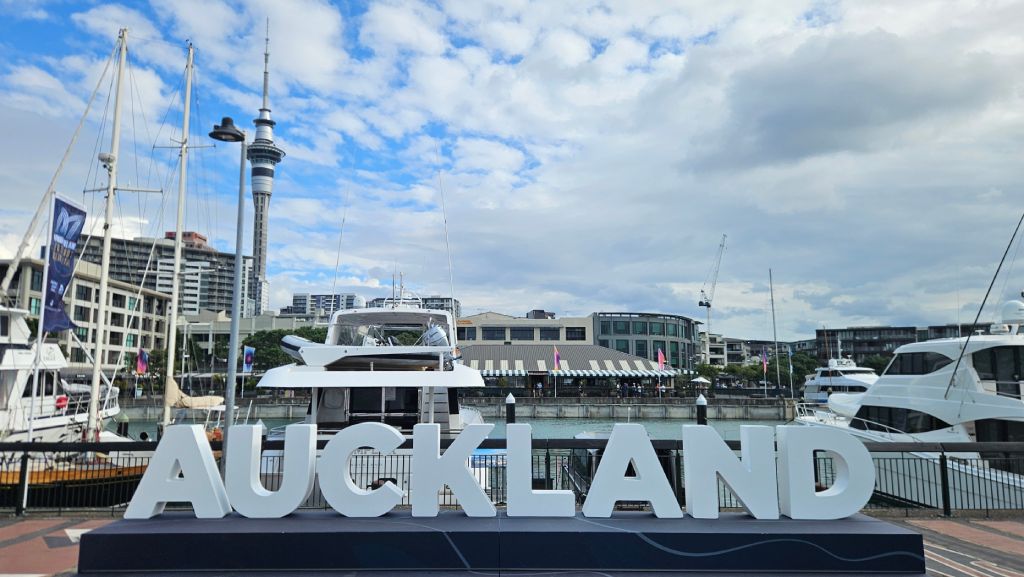
- Friendly Auckland with a vibrant marina and great atmosphere.
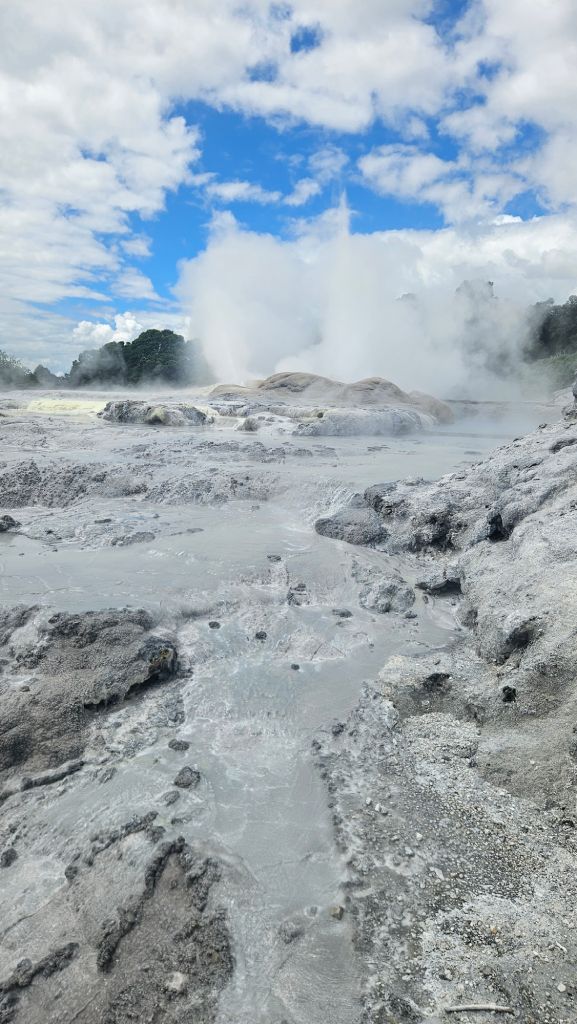
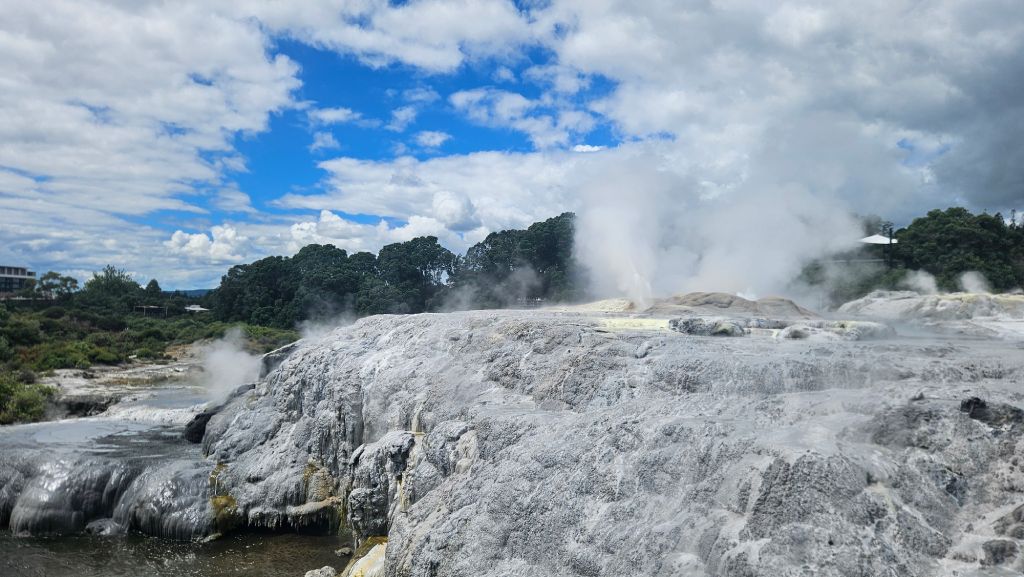
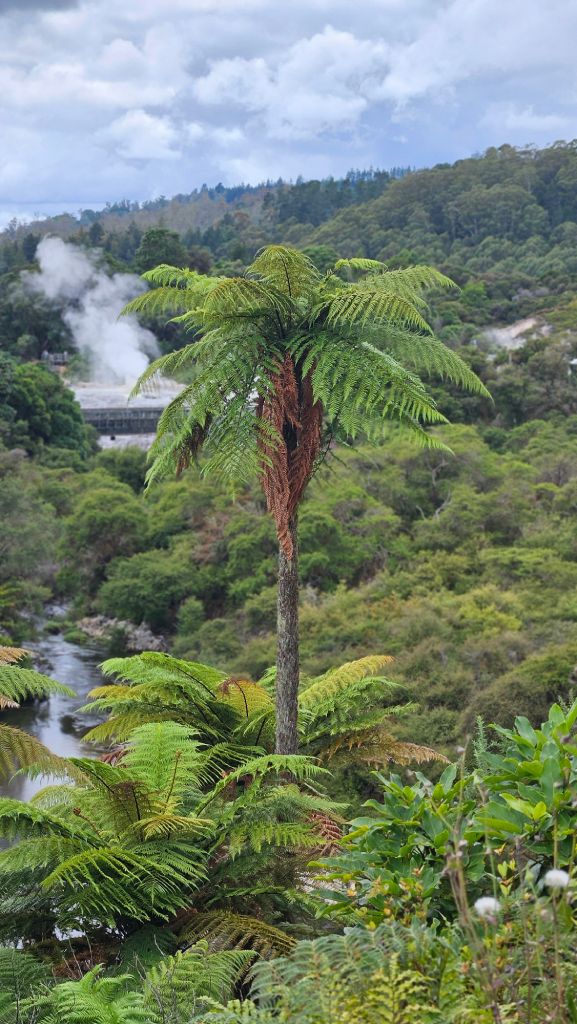
- Exploring geysers and learning about Maori culture in Whakarewarewa.
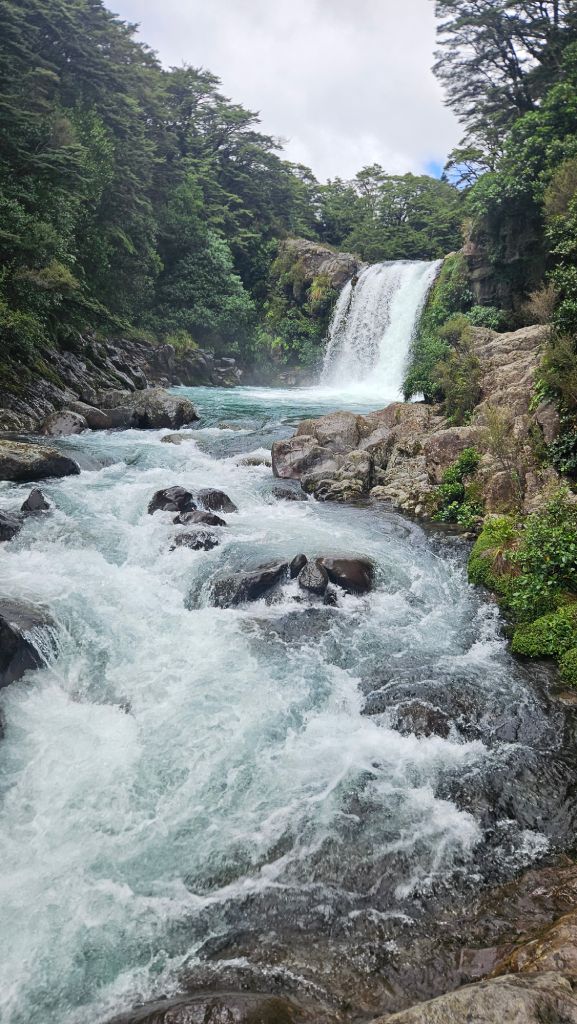
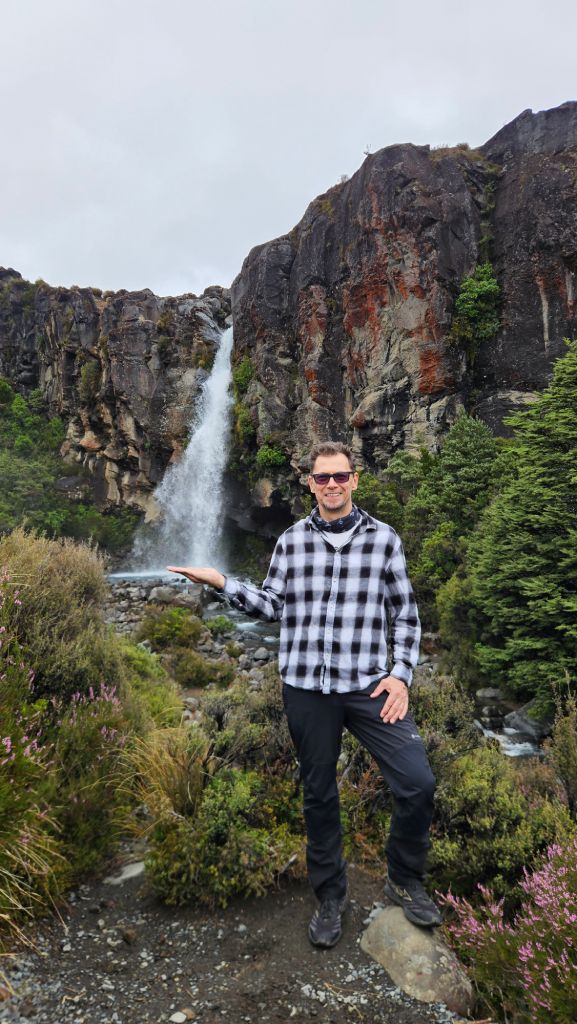
- Walking amid waterfalls in Tongariro National Park.
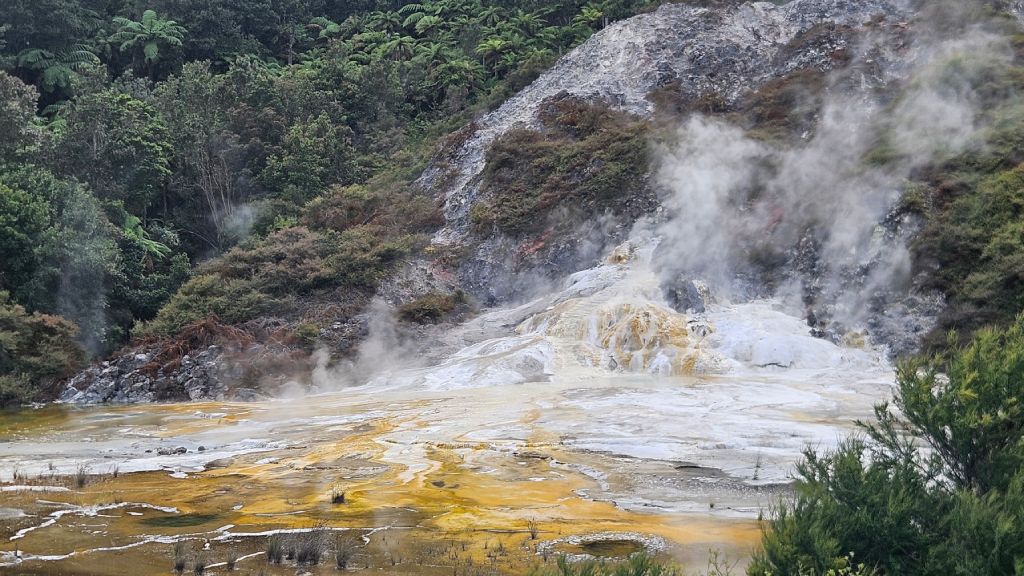
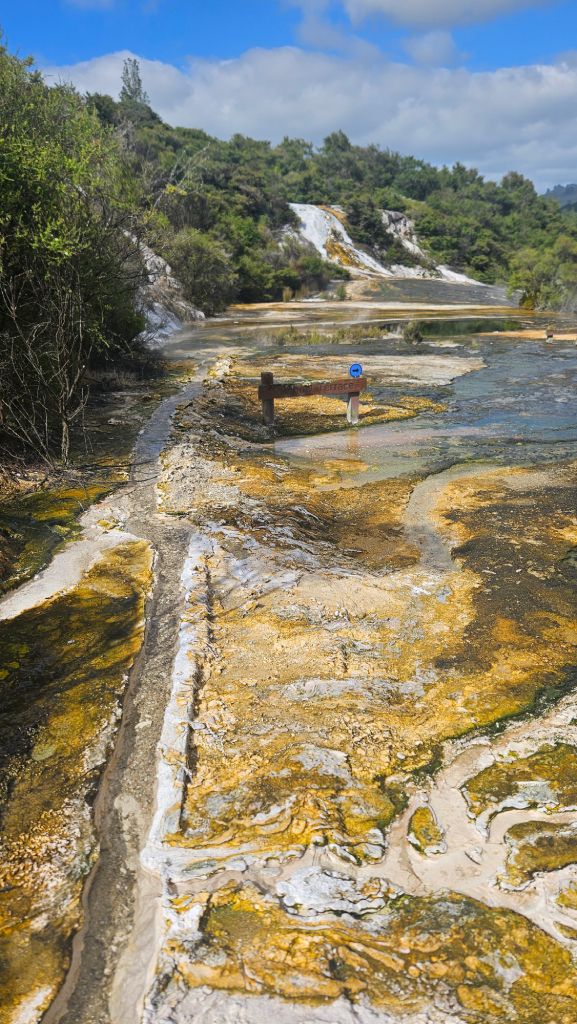
- Colorful geothermal area and geysers in Orakei Korako Geothermal Park.
- Unique urban transformation after 2011 earthquake in Christchurch.
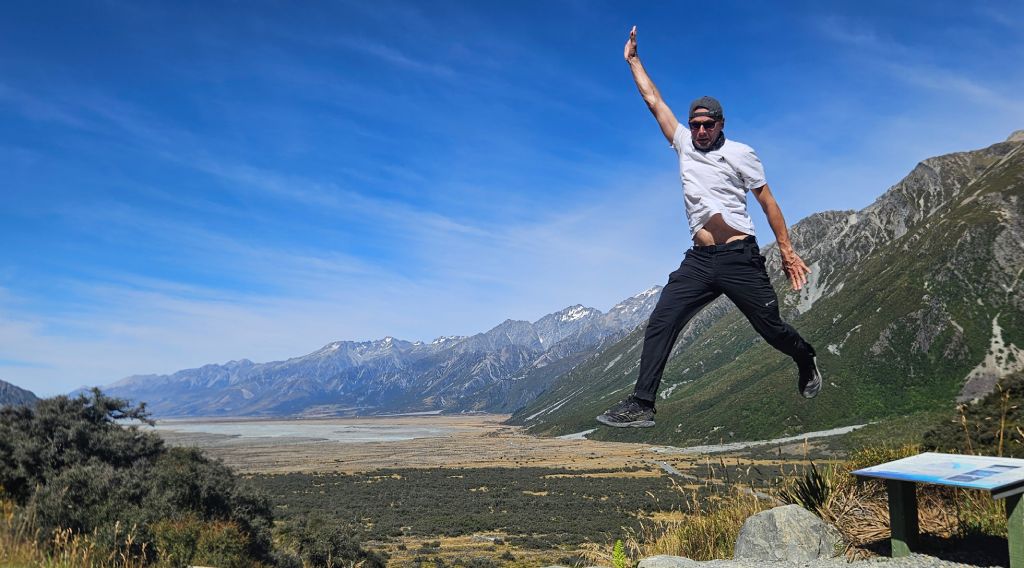
- The fantastic scenery at Tasman Glacier and around Mount Cook.
- Cruising through the fjords of and approaching melting glaciers on the West Coast.
For a long time, New Zealand was only on my bucket list. Remote, expensive, ecologically aware, and deeply connected to nature. It remained undiscovered for me until a family visit in February 2026, when I combined my New Zealand travel adventure with some Pacific islands.
For two weeks, I explored the North and South Islands by rental car, as public transport isn’t suitable for this kind of trip. Although my focus was on visiting the landscapes and nature, I also enjoyed some important urban centers.
The excellent spring weather, with only occasional rain, worked perfectly in my favor. The only exception was the day I had planned to do the famous Tongariro Crossing trek. Unfortunately, due to extremely strong winds at the highest point of the trail, the path was closed that day.
Feeling at home in Auckland
After a one-day adjustment following a 48-hour journey from Europe via Kuala Lumpur, we landed in Auckland.
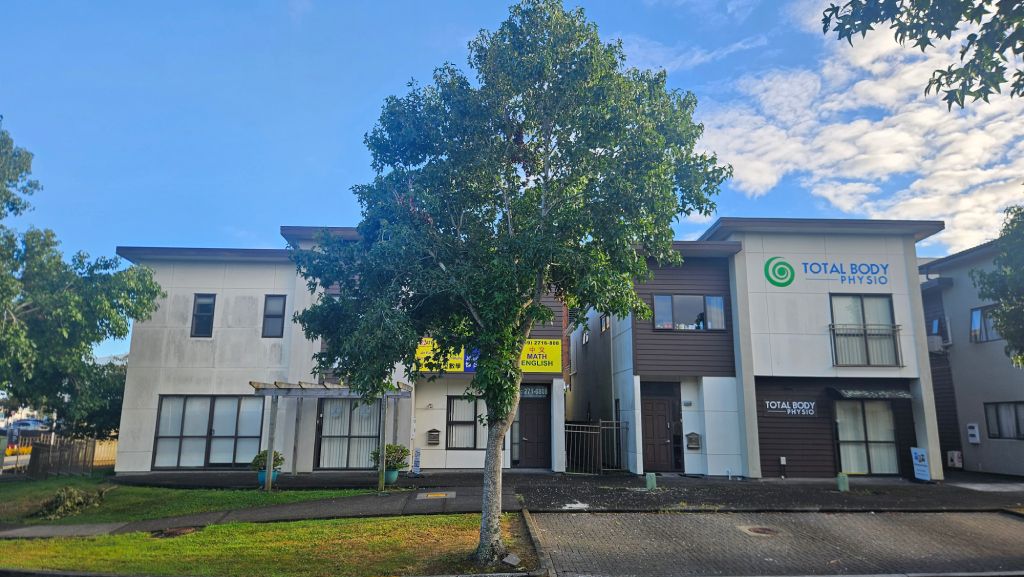
We settled down in a residential area not far from the airport. I quickly noticed similarities to Europe: organized and developed infrastructure, safety, green landscapes, and a wide network of retail shops and grocery stores. Excellent public facilities – parks, playgrounds, cycling paths, and opportunities for outdoor activities – clearly reflect the country’s high standard of living.
Since I planned to return to Auckland later, I skipped the city center for now. I saved the main attractions, landmarks and places to visit for the final days of my New Zealand adventure. The next day, I rented a car, and began exploring the North Island.
Maori culture and heritage
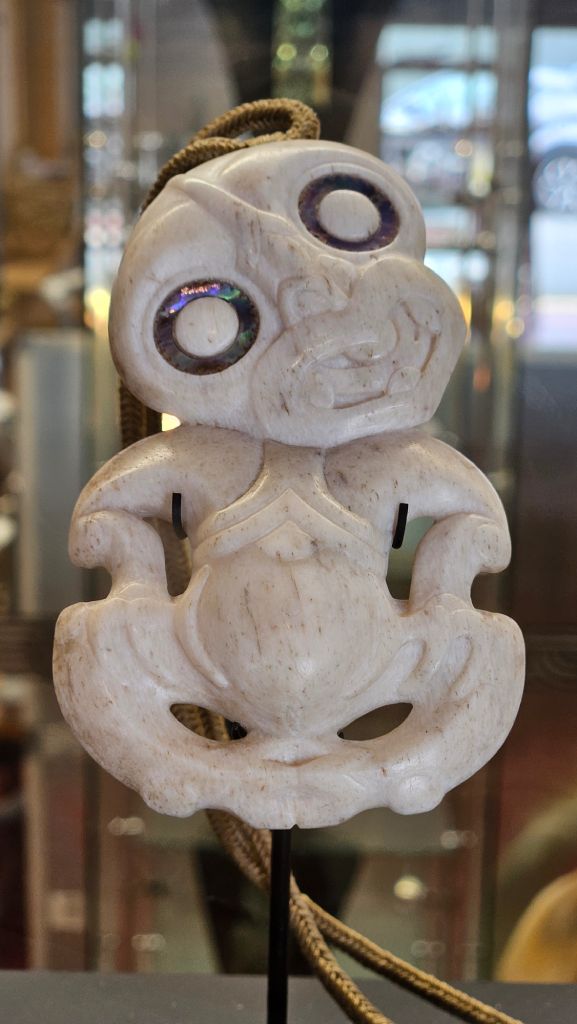
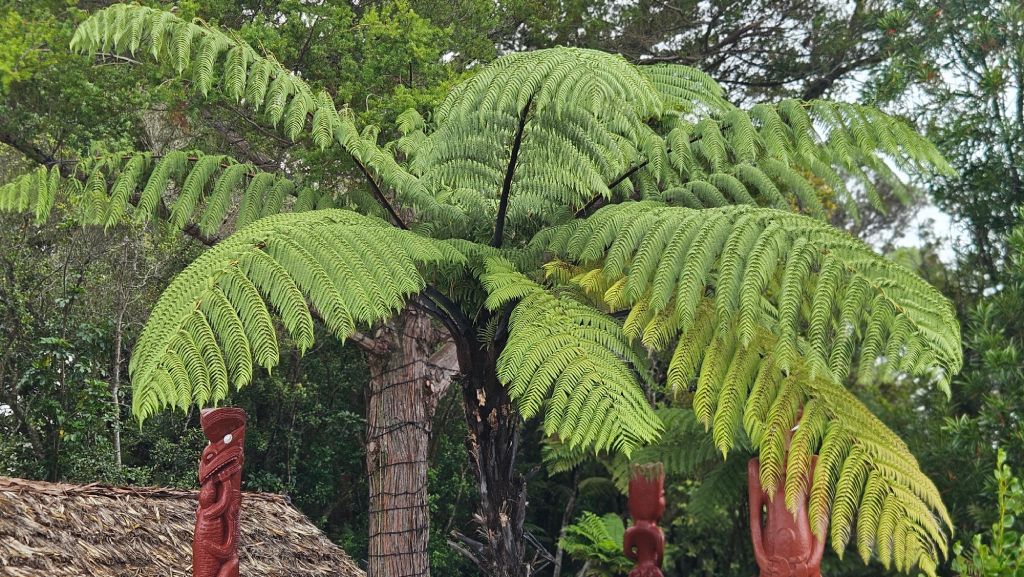
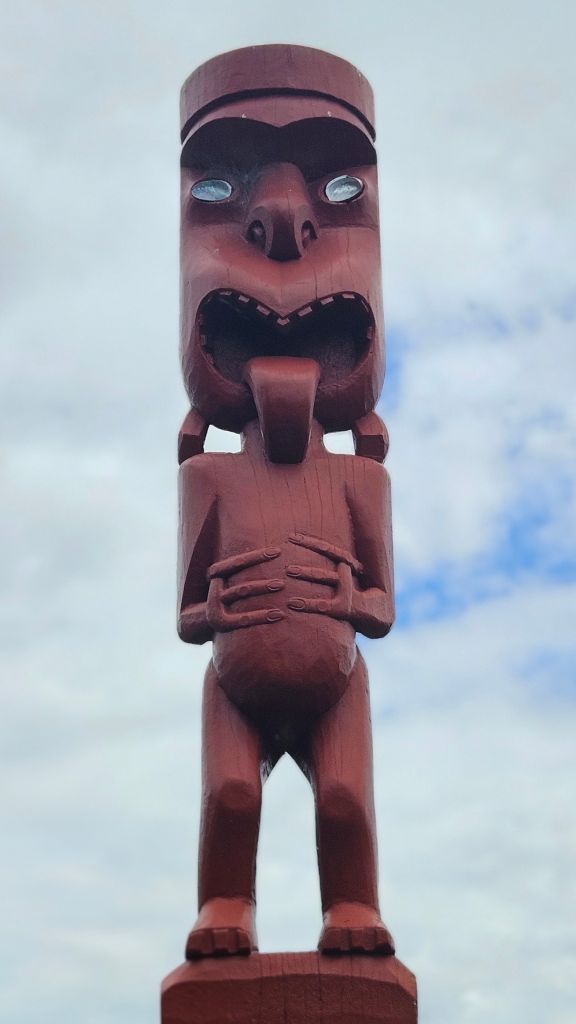
The first stop was the town of Rotorua and Whakarewarewa – The Living Maori Village. During a guided tour, I learned more about Māori culture, their rich traditions and unique artistic expressions.
The Maori dance performance naturally included an intense haka. The energetic performance by the mixed group combined playing instruments, singing, rhythmic slapping on the body, and stamping with their feet.
The most interesting parts for me were the women’s pūkana (wide-open eyes) and whētero (sticking out the tongue).

The active geothermal area is known for erupting geysers and bubbling mud pools. While walking among them, I observed reflections of different colors and waters of varying temperatures. In certain areas, a strong sulfur smell reminded me of rotten eggs.
Inside a closed space, I saw the New Zealand national bird – the kiwi. They have poor eyesight but excellent hearing and smell, along with sensitive whiskers. These flightless, nocturnal birds are found only in New Zealand and are considered the country’s national symbol. They are the only birds in the world with nostrils at the tips of their long beaks, which allows them to smell food underground. They moved quickly and unpredictably in the darkened room.
Tongariro Alpine Crossing
Tongariro is New Zealand’s oldest national park and a dual UNESCO World Heritage site. This status recognizes both the significant Maori cultural and spiritual connections to the park and its remarkable volcanic features.
One of the highlights of my visit to New Zealand was planned to be the Tongariro Alpine Crossing. This famous trek, which passes the Emerald Lakes and boiling mud pools, culminates at the still-active Red Crater.
Unfortunately, the famous Kiwi trek was canceled due to bad weather at the volcano’s summit. Although the Red Crater summit is often covered in clouds, the main obstacle this time was strong wind. As a result, I looked for alternative shorter treks that lead to interesting waterfalls, including Tawhai Falls and Taranaki Falls.
The trails are well-marked and well-maintained, so we could easily navigate and reach the marked points in less time than expected. Overall, hiking is popular among both visitors and locals, who enjoy spending their free time actively in nature.
Sheep, cows, and village life
I chose to spend one night in a remote village, away from typical tourist accommodations. A cozy Airbnb house, conversations with the owners, and close encounters with sheep and cows made an interesting experience. I used the opportunity to learn a little bit more about the importance of sheep and cows.
New Zealand is home to about 34 million sheep and roughly 10 million cattle.
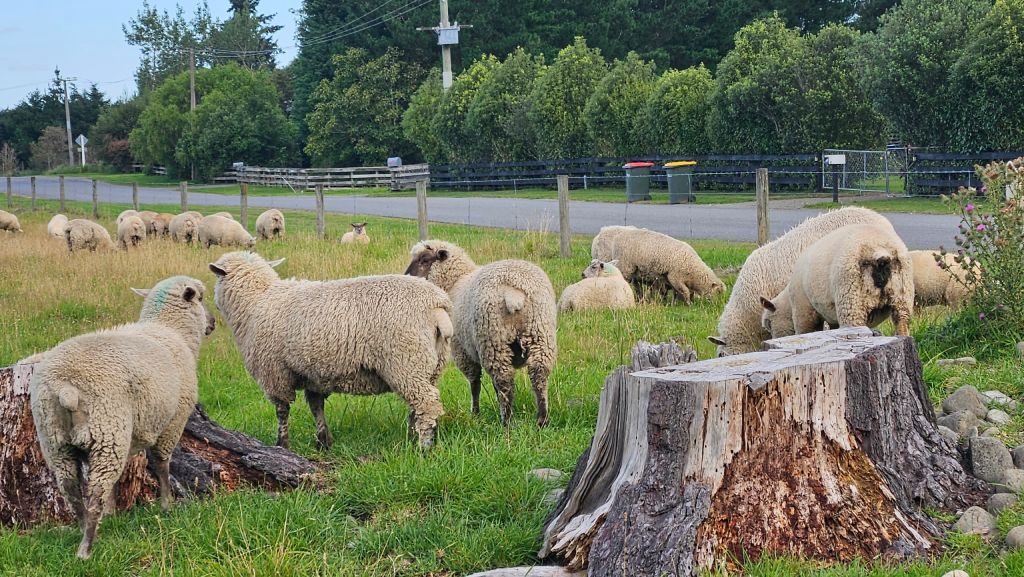
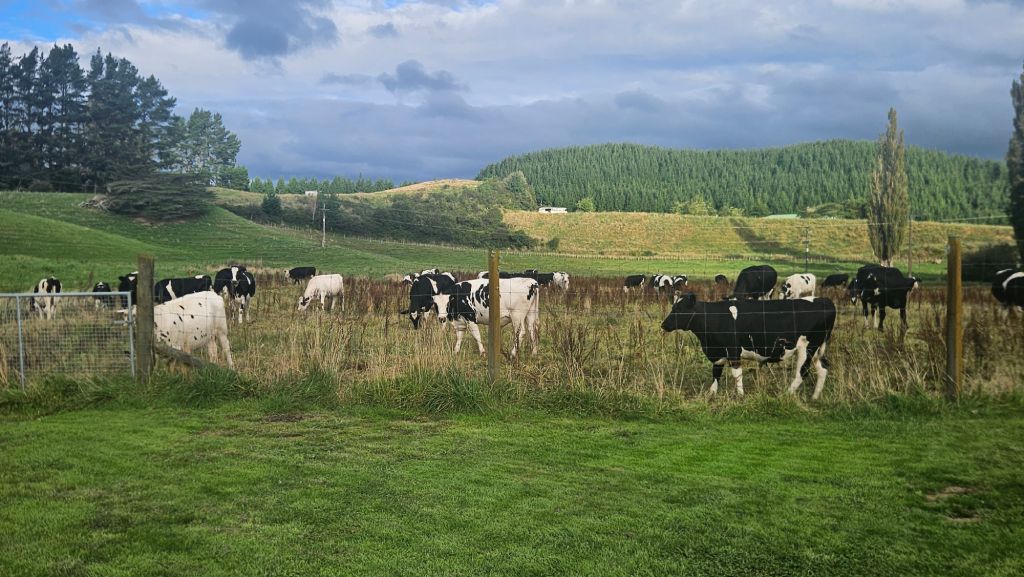
Sheep numbers have decreased significantly from their 1982 peak. The ratio has fallen from the highest 22 sheep per person to about 4.5 sheep per person in 2024.
Despite this decline, New Zealand remains the world’s largest exporter of lamb and mutton and a major producer of cross-bred wool. Since the late 1980s, dairying has overtaken sheep farming in economic importance.
Christchurch incredible transformation
In 2011, New Zealand’s second-largest city, Christchurch, was struck by an earthquake that caused widespread damage and killed 185 people. Many buildings in downtown collapsed or were severely damaged. Large parts of the area stayed closed for years to be renovated or rather completely rebuilt.
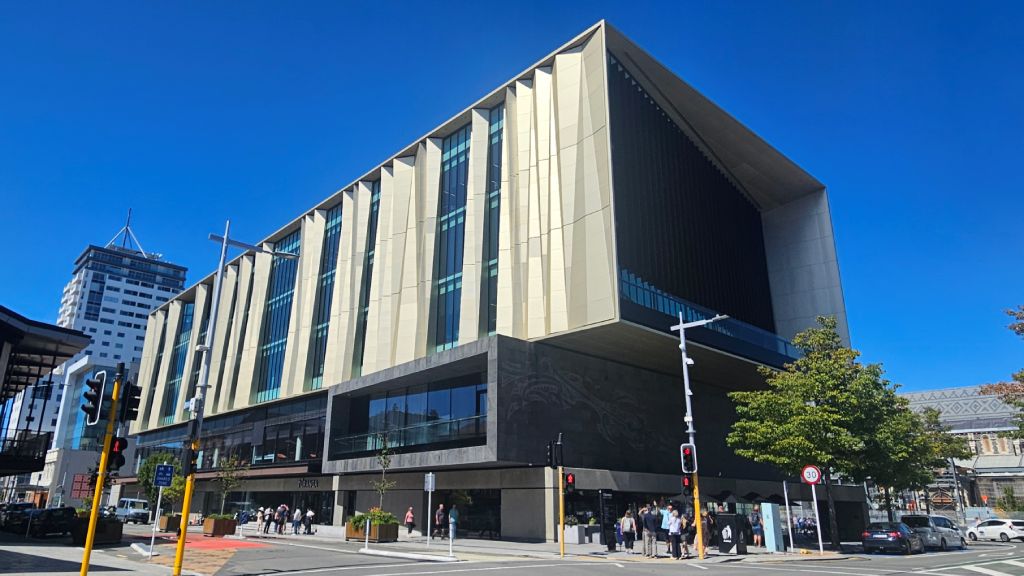
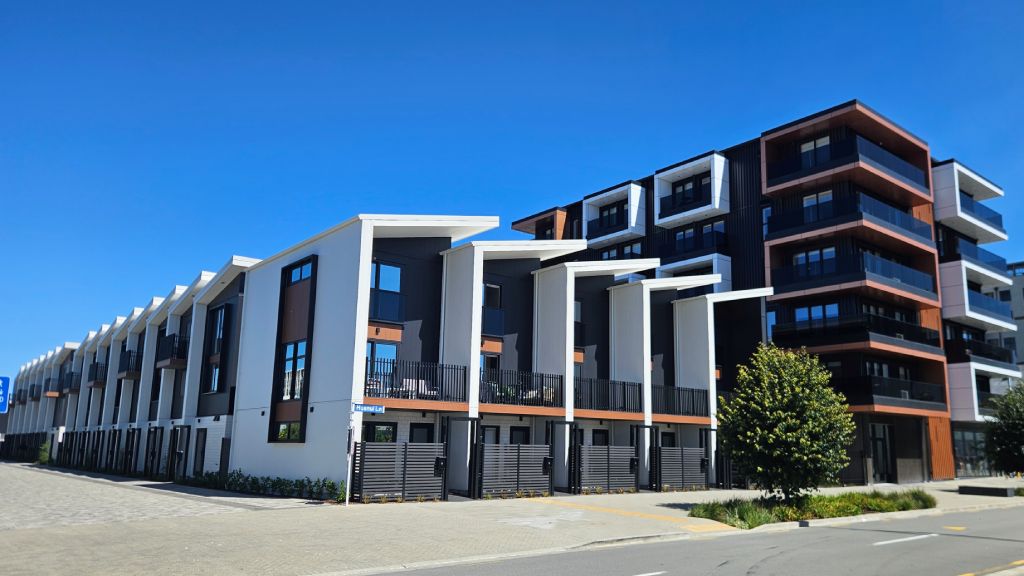
In the 15 years since the earthquake, Christchurch has completely transformed. In my opinion, it has become one of the most beautiful mid-sized cities I’ve seen on my travels.
Today, it looks even better because the post-earthquake reconstruction didn’t just replace what was lost. It became an opportunity to thoughtfully and creatively reshape the city.
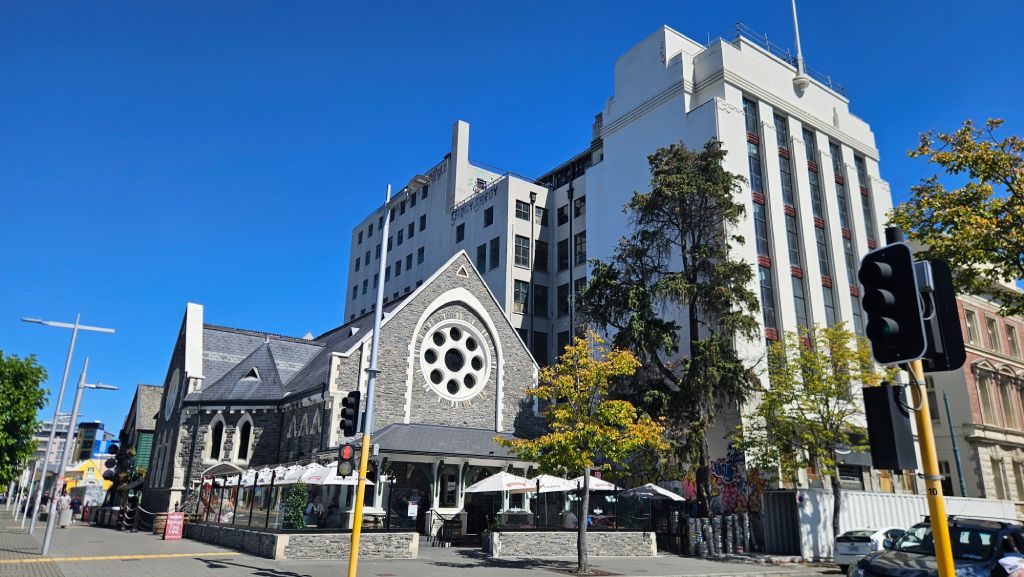
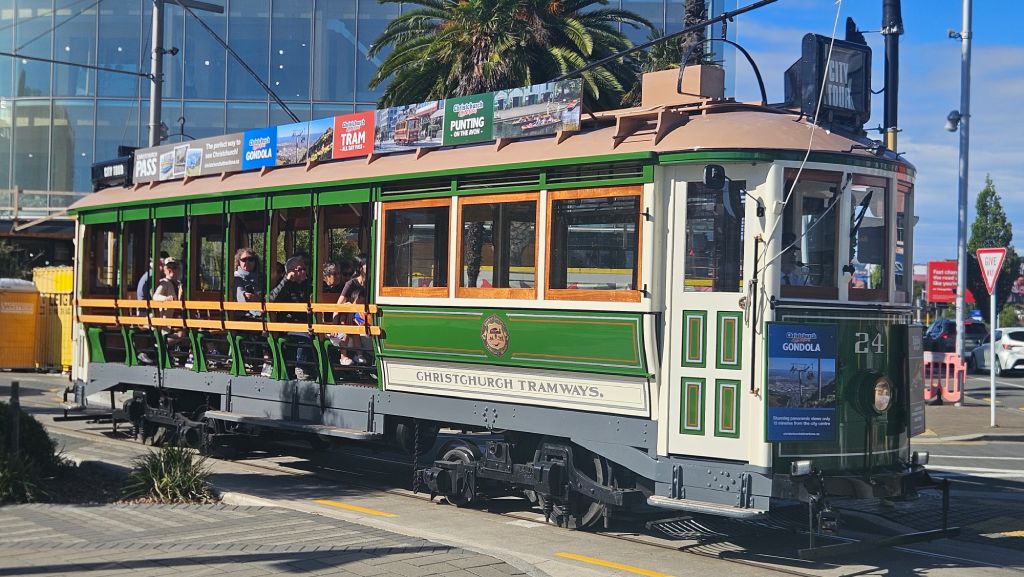
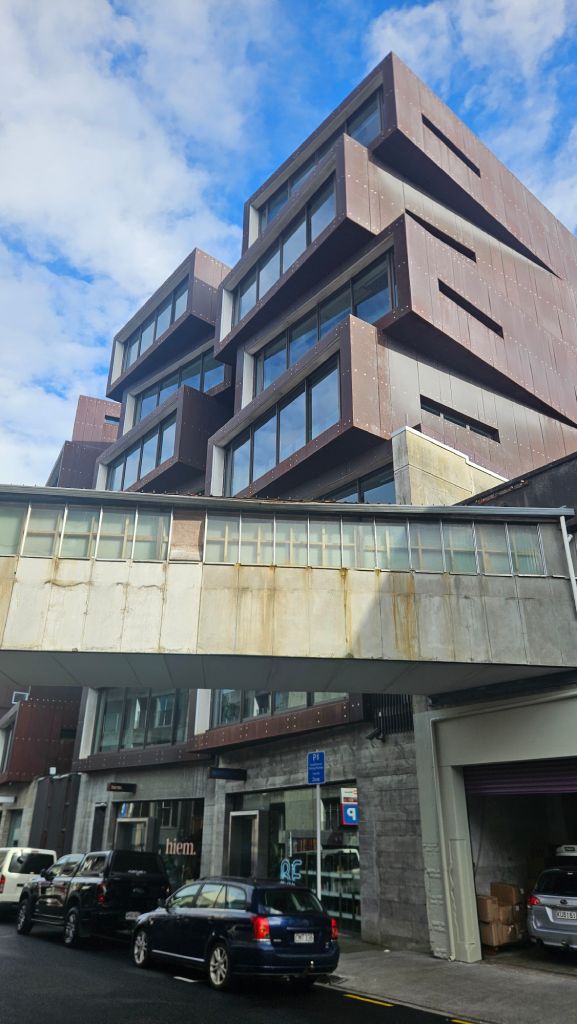
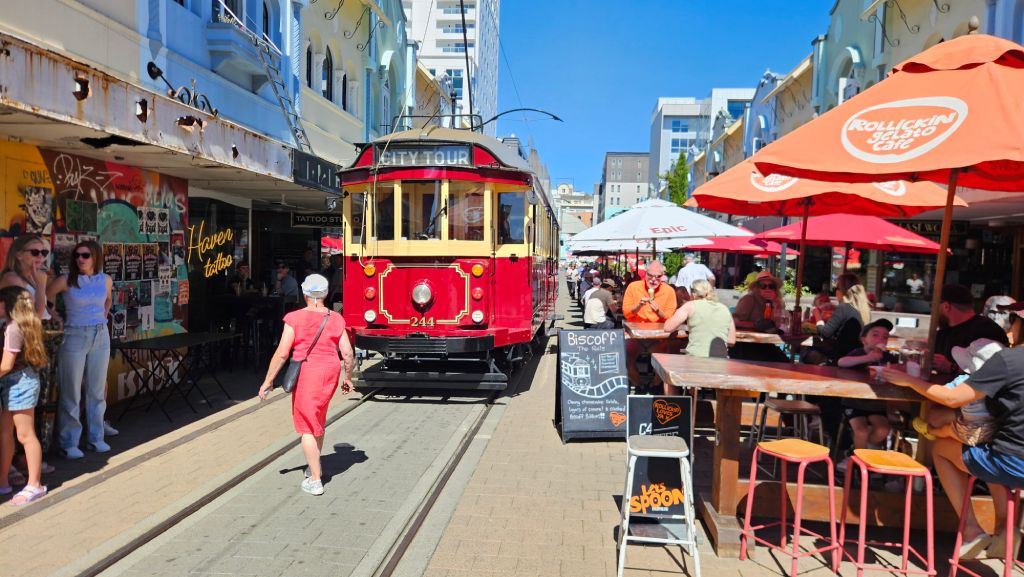
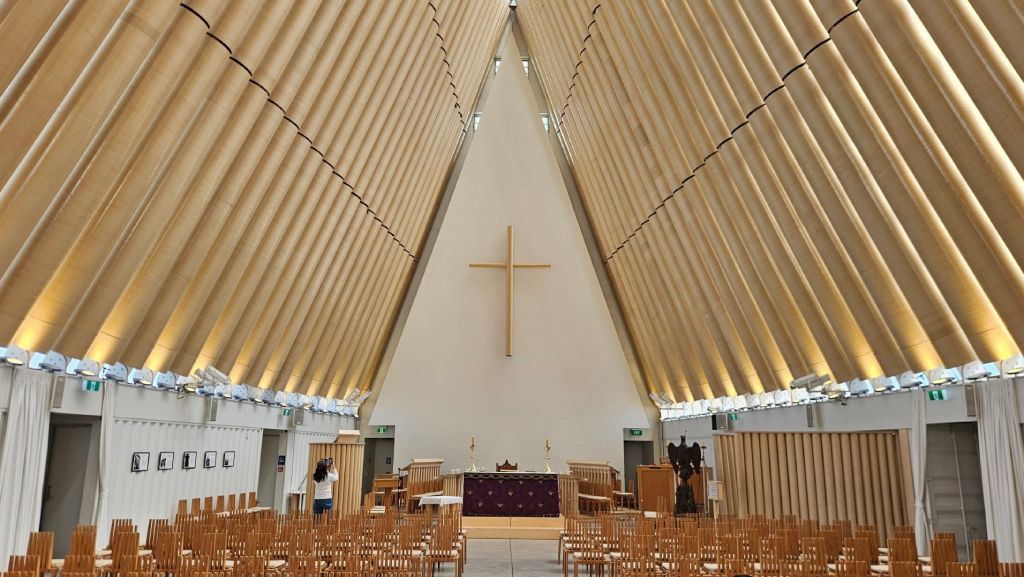
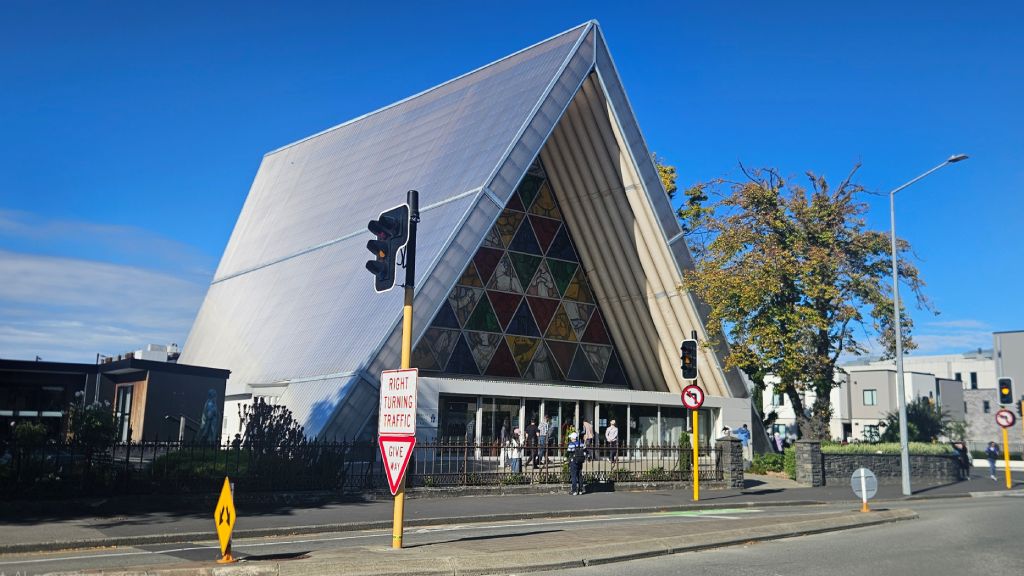
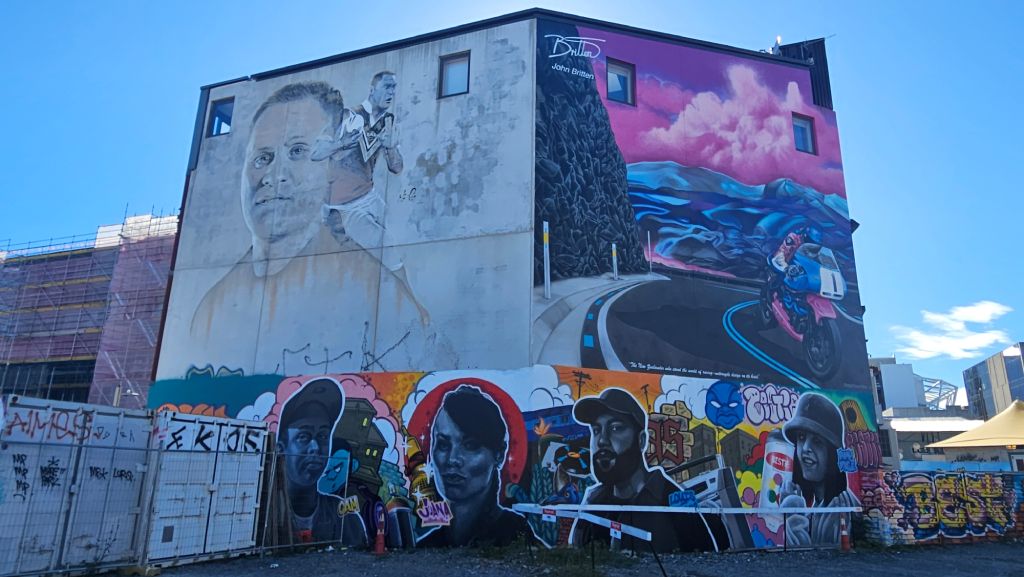
While walking through the city, I could not stop admiring the incredible creativity of the architects who helped design the idyllic residential areas. It seemed as if they were competing to create the most inspiring and pleasant living spaces. The Cardboard Cathedral, street art with large colorful murals, the vintage tram, and of course the Botanic Gardens are the city’s main attractions.
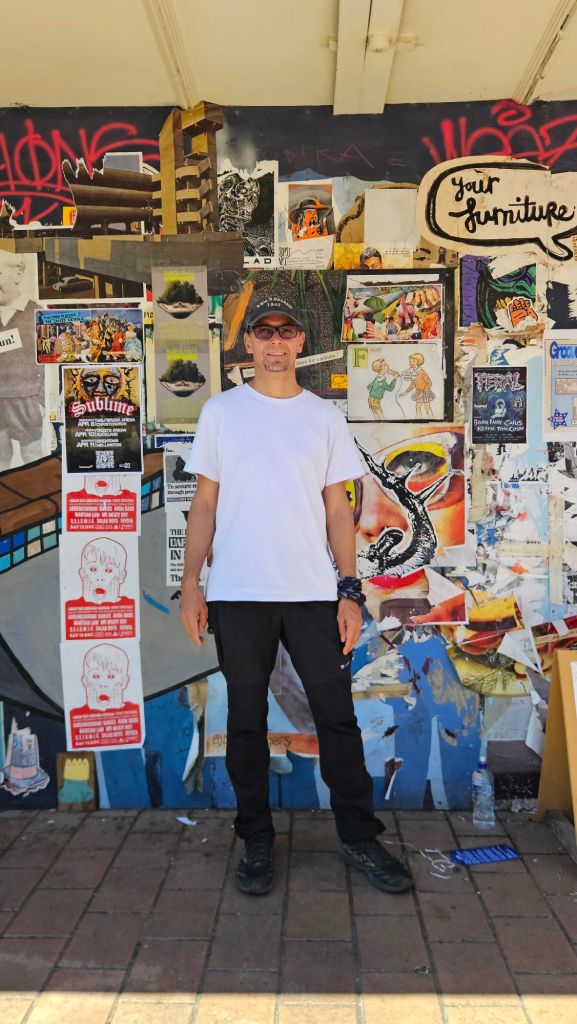
The reconstruction introduced stunning modern buildings while restoring key areas of cultural heritage. After the earthquake, temporary art projects filled empty spaces. Street art and murals became a defining feature of the city. I noticed several well-executed and large murals, including the John Brittan Mural.
I also stopped at New Regent Street, one of the most charming streets in Christchurch. Its pastel Spanish Mission buildings, small cafés, and boutiques might look kitschy elsewhere, but here they create a lively and picturesque atmosphere.
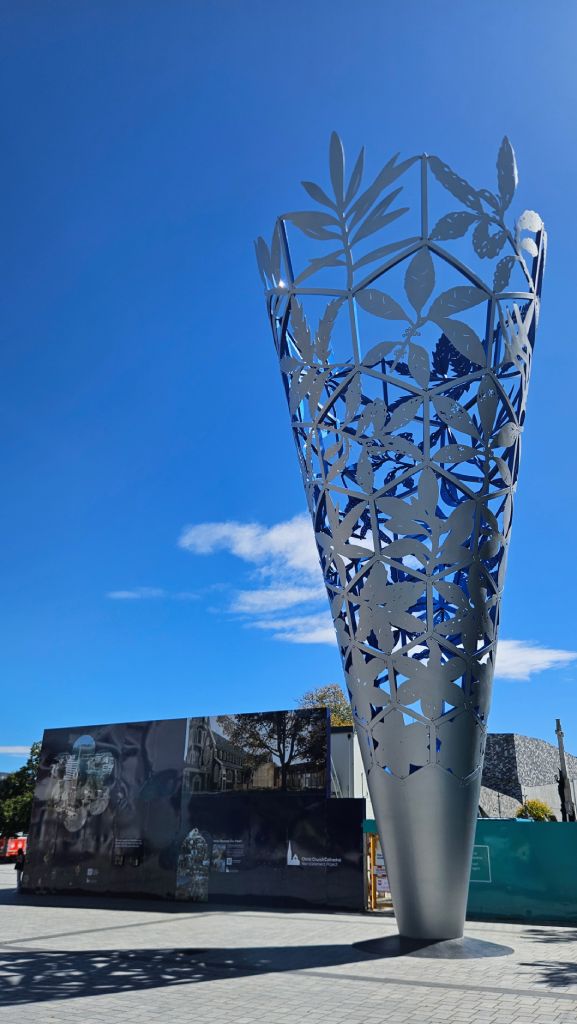
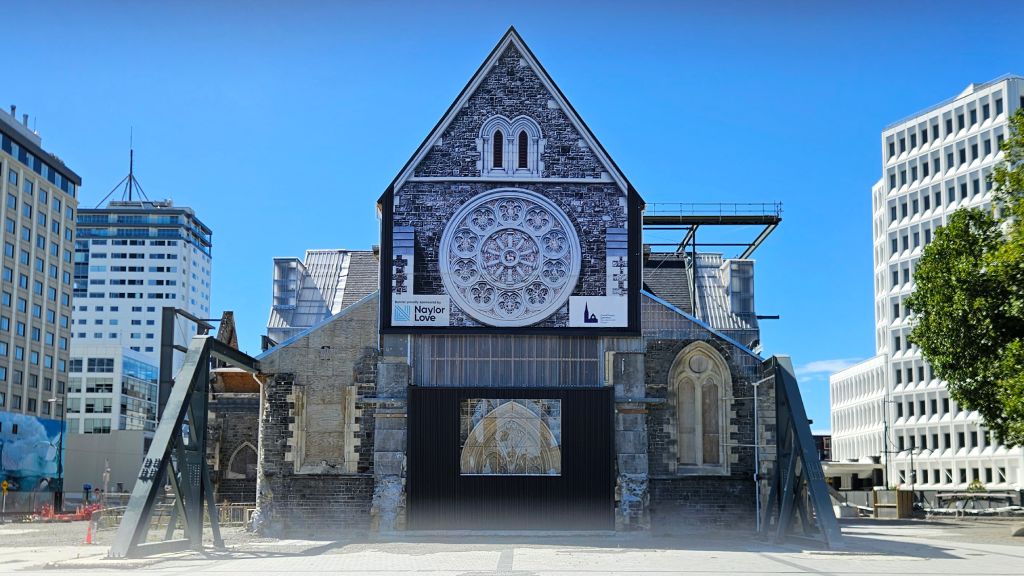
Christchurch Cathedral was the focal point of the earthquake and has become a symbol of the city’s long reconstruction, which is still not finished in 2026. A phased reopening is planned to begin in 2030, starting with the restoration of the nave and tower. Completion will take years, a lasting reminder of the 2011 earthquake that reshaped the city.
Tasman Glacier and Aoraki / Mount Cook
One of New Zealand’s greatest natural attractions is the area around its highest mountain, Mount Cook. There are numerous trekking options for hikes, walks, or multi-day climbs on more or less challenging slopes.
Among several things to do, I chose shorter hikes to different viewpoints. If I had had more time, I would have also tried a more demanding route. Besides physical fitness and stamina, the most important factor is good weather. Fortunately, the weather served me much better than on the North Island, with several consecutive sunny days and pleasant temperatures around 20°C.
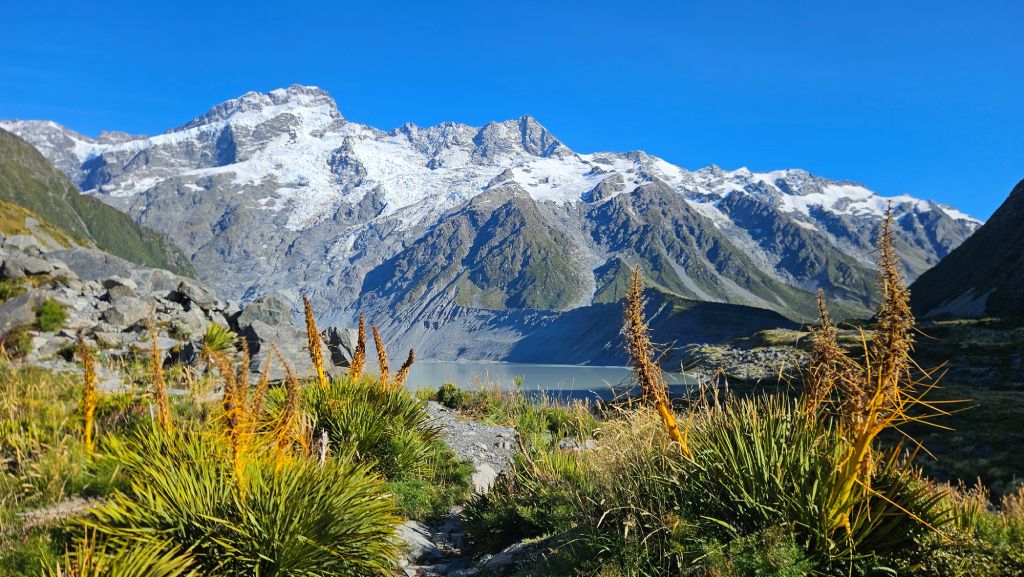
We only partially walked the Hooker Valley Track, as the second section beyond the bridge was closed due to severe erosion and safety concerns. Still, the clear morning view of Mount Cook was fantastic.
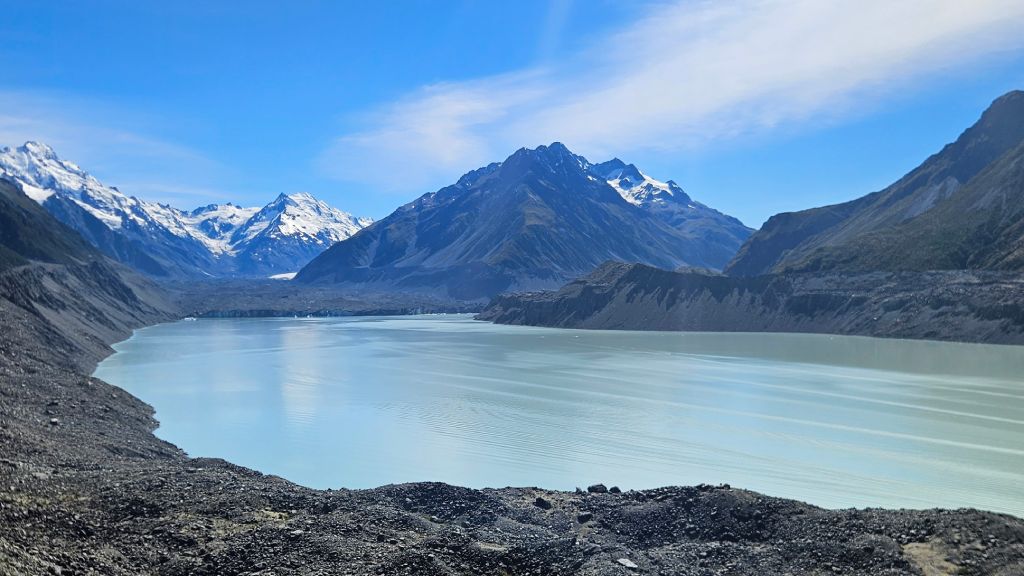
The Tasman Glacier View Track was even shorter. It is just a 30-minute easy uphill walk that opened up a view of the turquoise Tasman Lake. In the distance, I could barely spot the glacier, covered in dark debris and blending into the landscape. The views were definitely magical and something special.
The hikes around Mount Cook were one of the highlights of my New Zealand travel adventure.
Queenstown
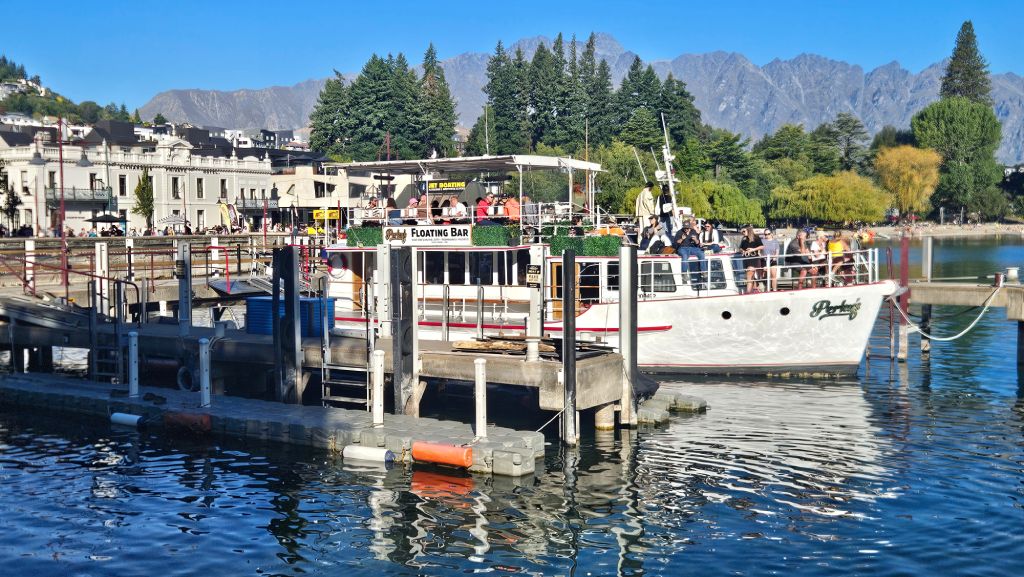
Like Christchurch, Queenstown impressed me with its orderliness, calm atmosphere, and the positive energy of its people. I noticed many active residents while walking through the well-kept Botanic Gardens with tall trees and neatly arranged rose beds.
I particularly enjoyed watching a frisbee throwing activity into a designated metal basket. Groups of friends competed to see who could succeed the fastest. Age, fitness, or gender did not matter. Skill and accuracy in throwing the frisbee were far more important. It was a great game for exercise and a pleasant afternoon after work.
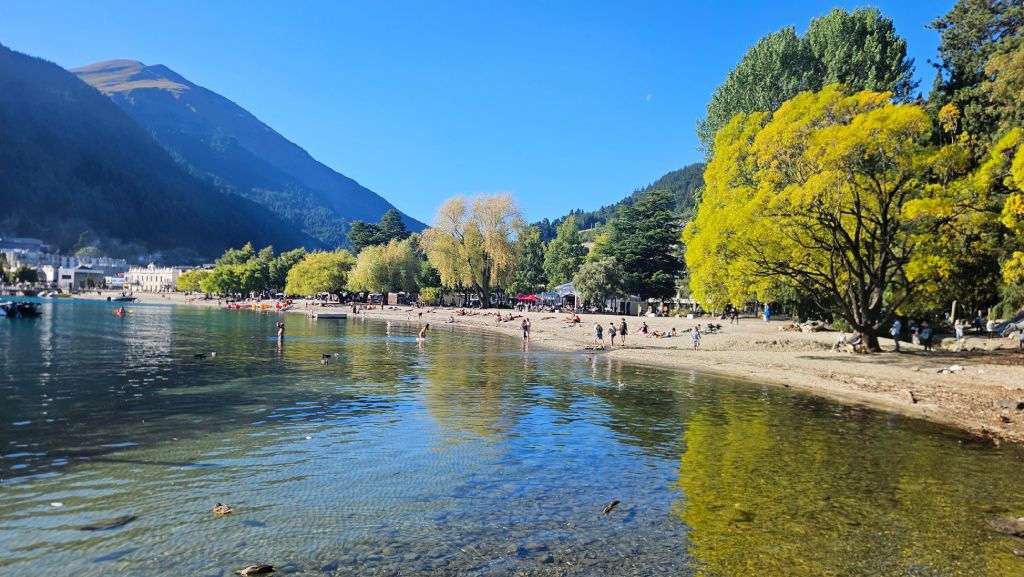
The water in the bay was too cold for me to swim, but a few locals were used to such low lake temperatures; around 13°C at that time.
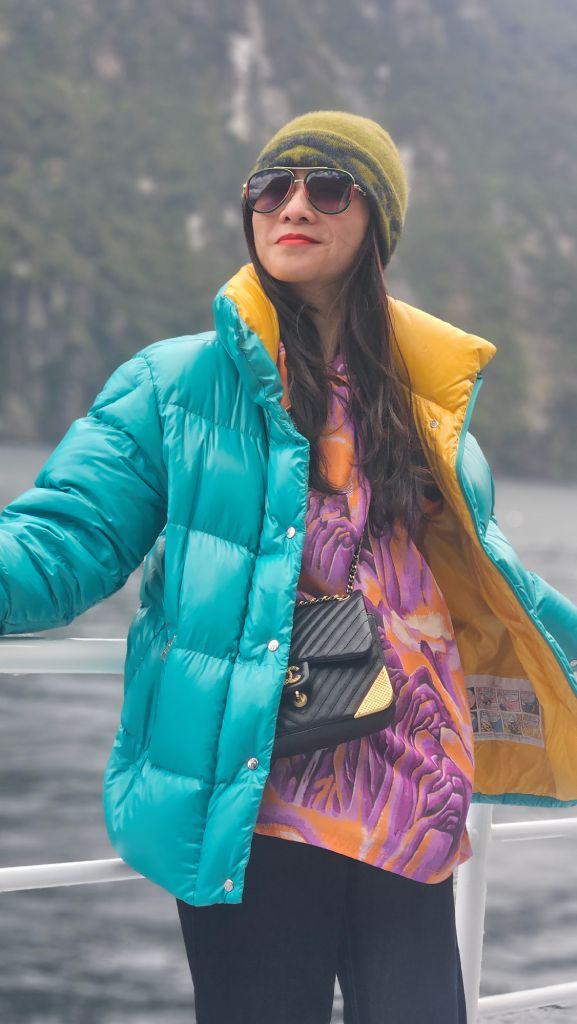
Cruising through fjords at Milford Sound
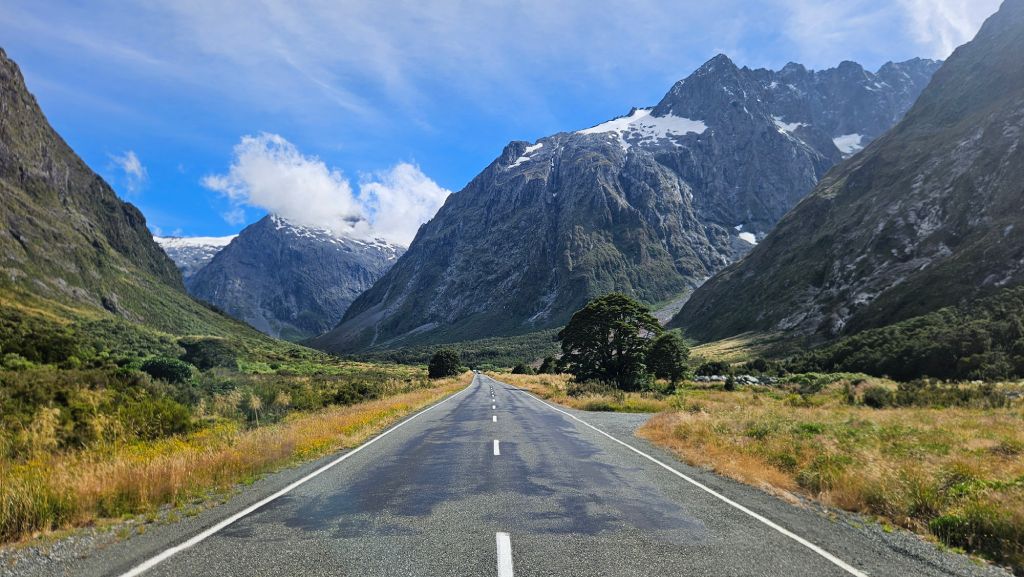
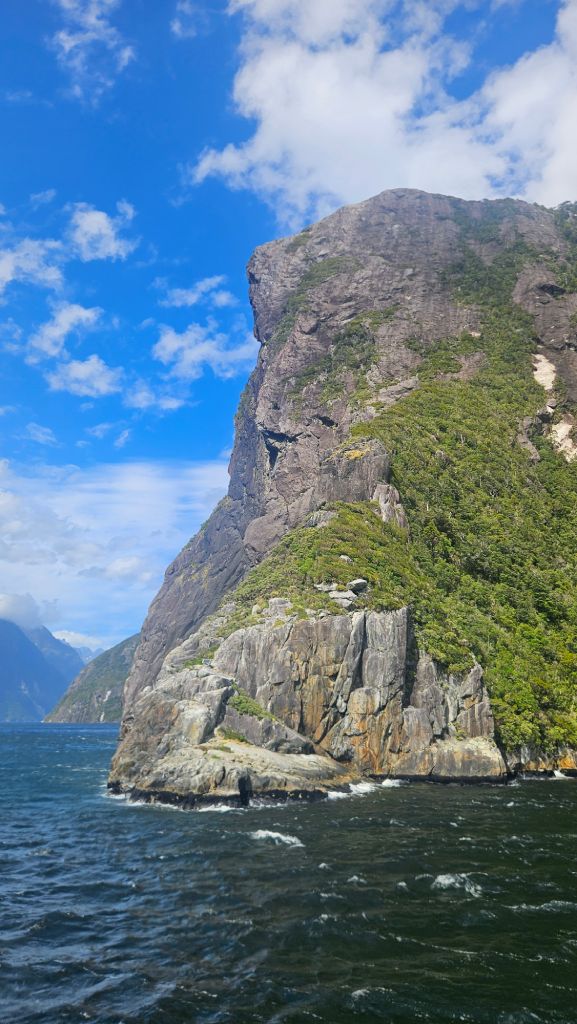
The long drive from Queenstown to Milford Sound was beautiful. Surrounded the whole time by many tourist buses and campervans, I stopped at scenic points along the road. Waterfalls, picturesque landscapes, and especially the tall peaks all around were impressive.
At noon, we arrived at Milford Sound, where I had previously booked a two-hour boat cruise to explore the surrounding fjords. Here, the tourism industry becomes especially obvious, as all visitors followed the same schedule. Many tour operators offer cruises on luxury ferry boats that leave along the same route just minutes apart.
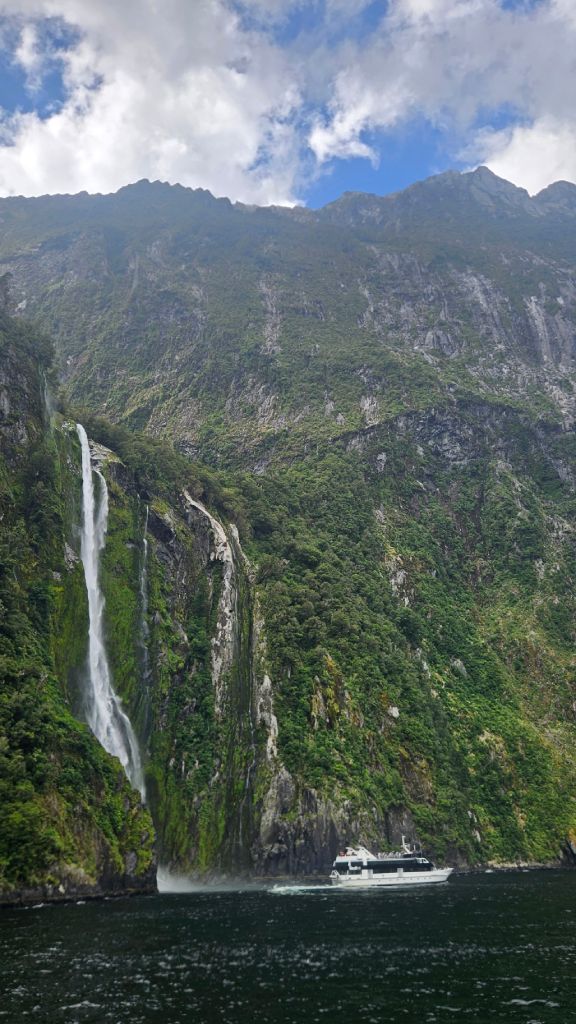
The scenery of tall cliffs and waterfalls falling from different heights and volumes continued one after another.
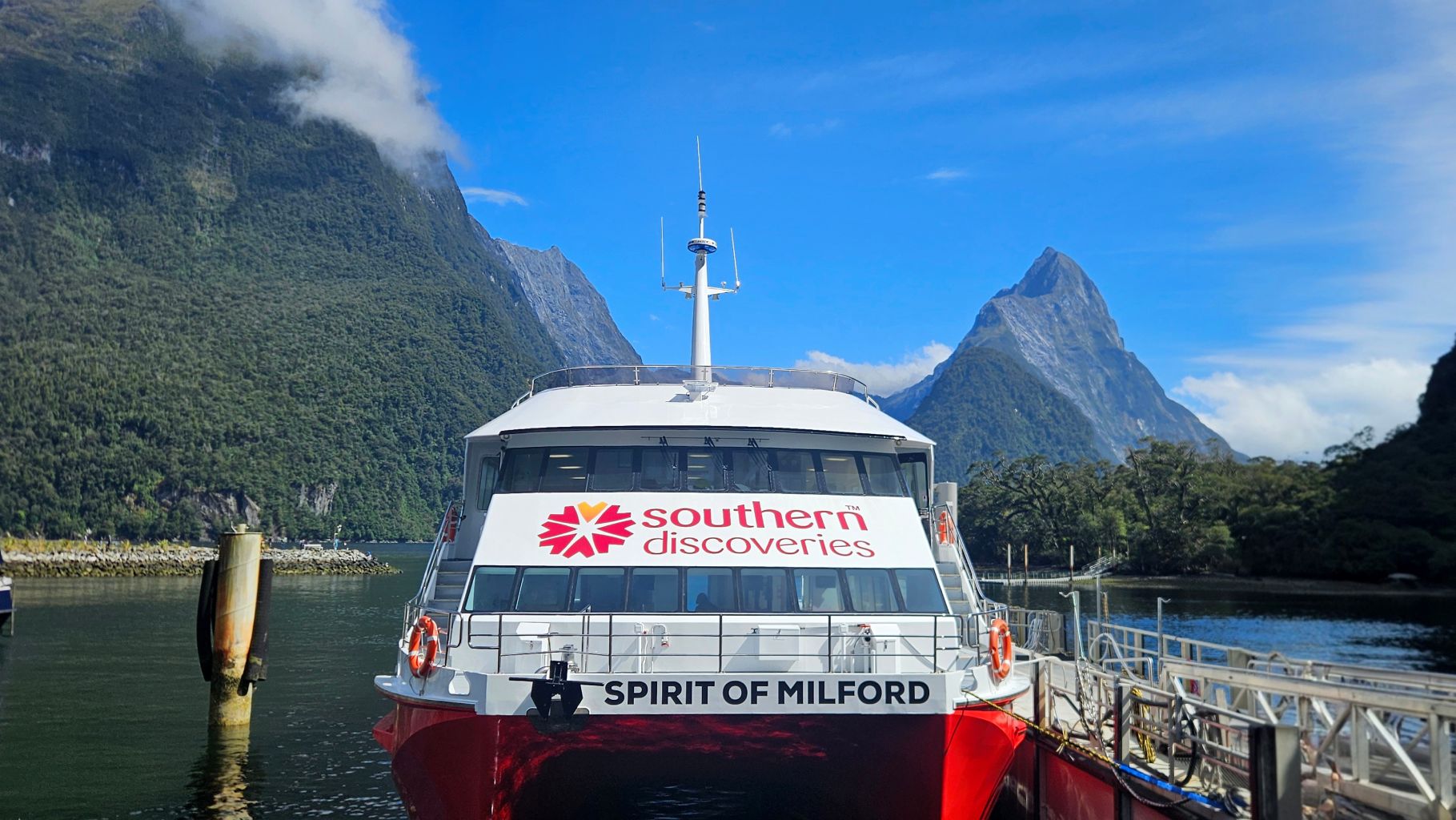
On the boat deck, I exchanged greetings with numerous tourists from all over the world. Because it was shortly after the Chinese New Year, most visitors were Chinese. They were particularly active in photographing from every possible angle.
Unimpressive Arrowtown
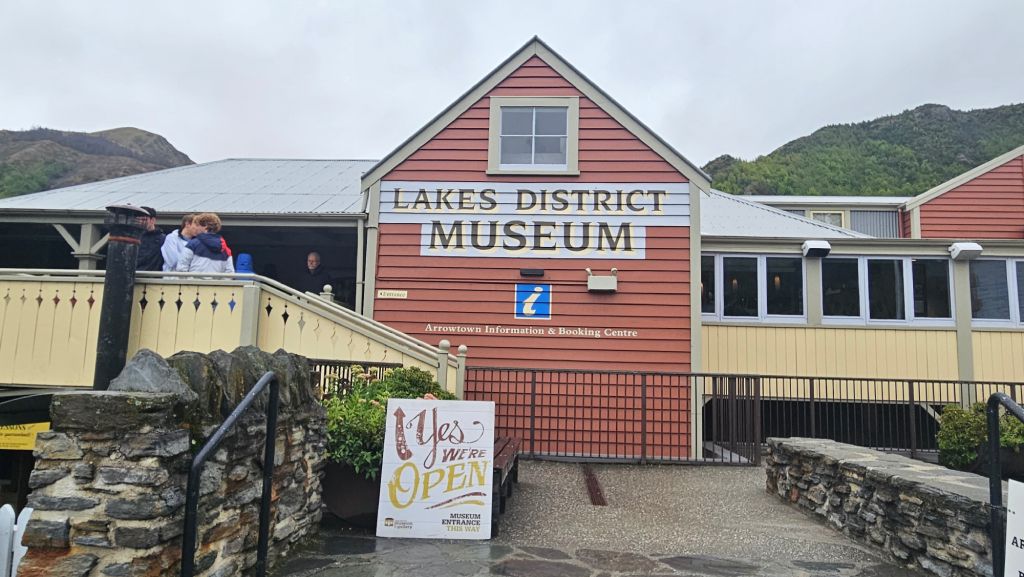
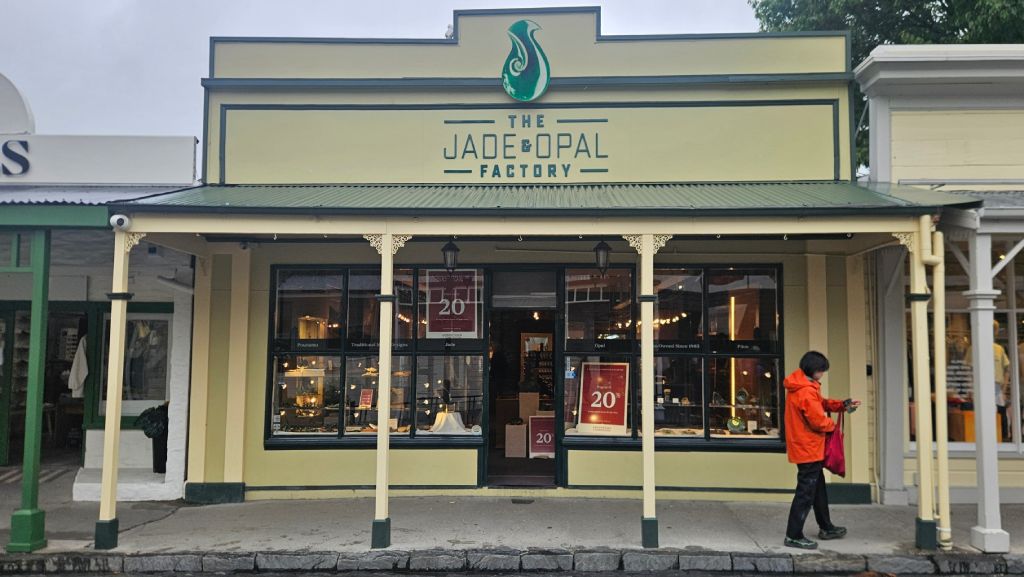
Arrowtown was the biggest disappointment of my entire New Zealand travel adventure.
A historic gold mining town, it is officially promoted as “a charming gold-mining town established in 1862 that is rich with natural beauty, history, and culture.” The kitschy main street with a mix of shops and restaurants supposedly reflects the town’s gold mining history, of which almost nothing remains.
It felt like a kind of wild west for tourists, without real substance or historical value, and I was not impressed. Not a recommended place to visit.
Western Coast
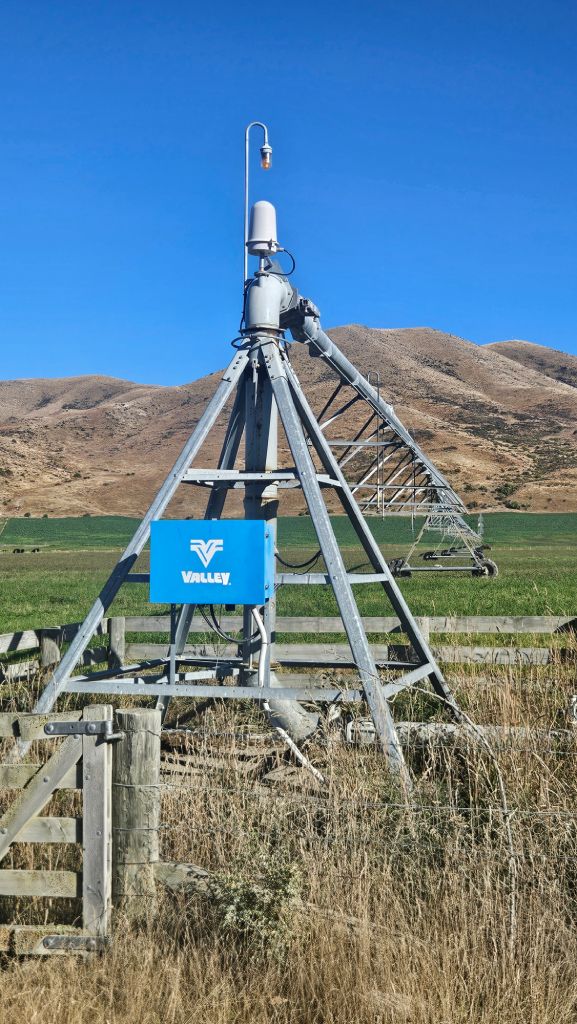
I continued my journey along the West Coast, which is much less populated than the central or eastern parts of New Zealand. In fact, there are no larger towns there, and the distances between settlements are long, with very little developed infrastructure.
The weather worsened. At first, it rained heavily, which limited stops and walks. In the cold, rainy weather, I had no intention of visiting smaller waterfalls or lakes. The only exception was a
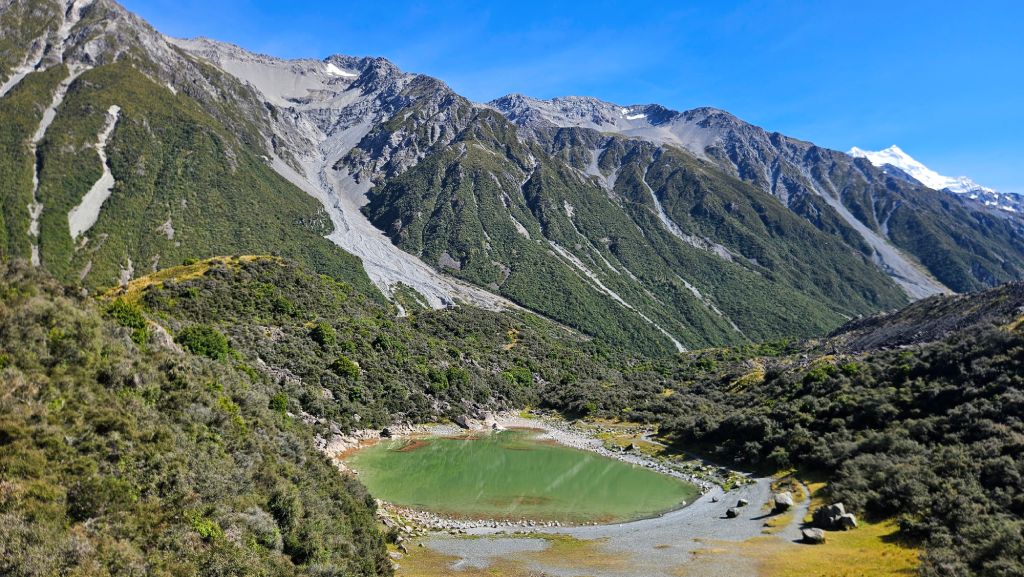
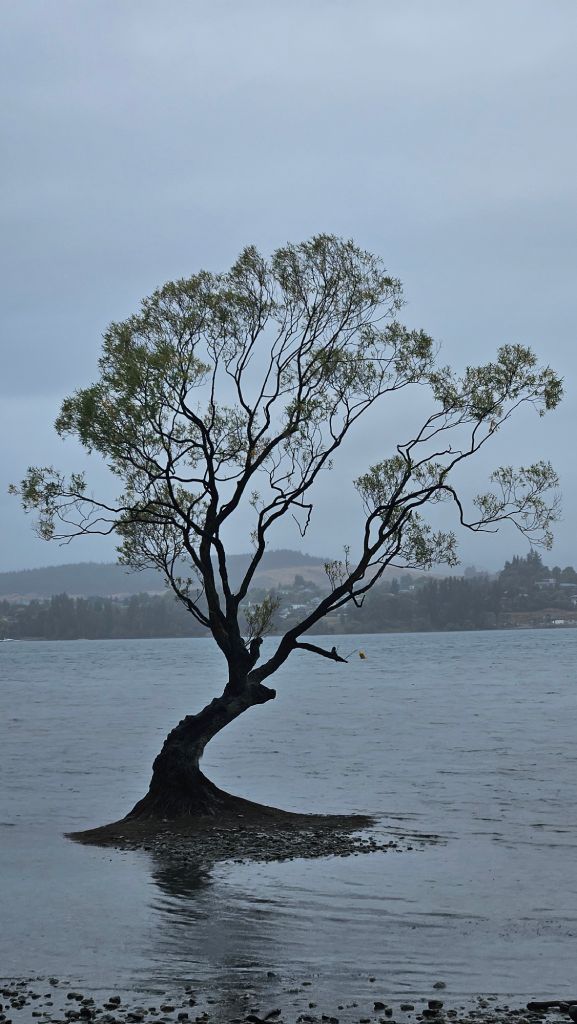
I crossed the Haast Pass and Blue Pools right during the heaviest afternoon downpour, so I didn’t stop at all. The only exception was a solitary Wānaka Willow Tree, standing a few meters in the waters of Lake Wanaka.
The main purpose of traveling to the West Coast was to visit Fox Glacier and Franz Josef Glacier.
Hidden Fox Glacier
I arrived in the village of Fox Glacier late in the afternoon. Although the sky had cleared during the drive from Queenstown, the glacier remained shrouded in clouds and was invisible. Following the hotel owner’s recommendation, I went to a viewpoint, but I still couldn’t see anything.
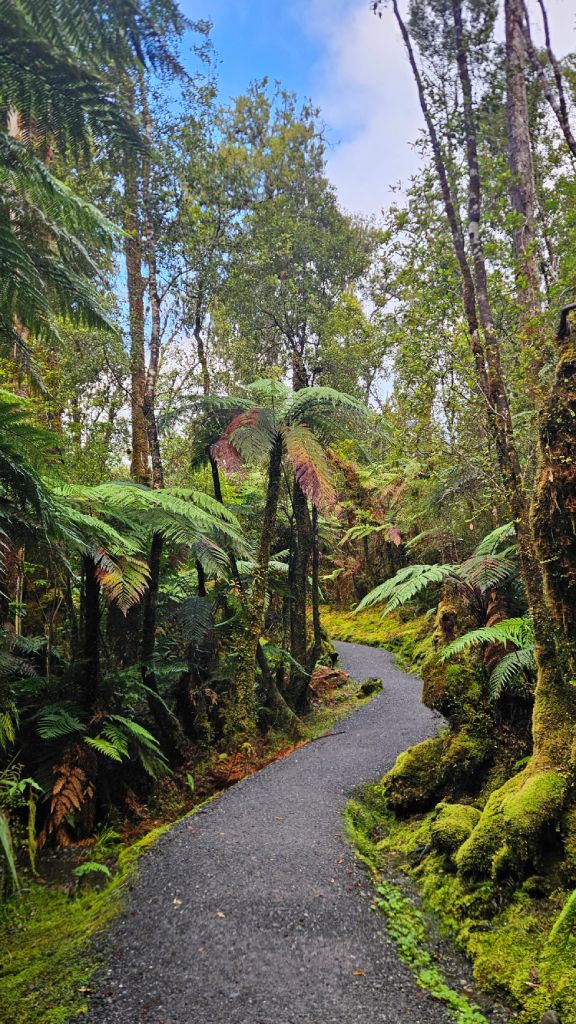
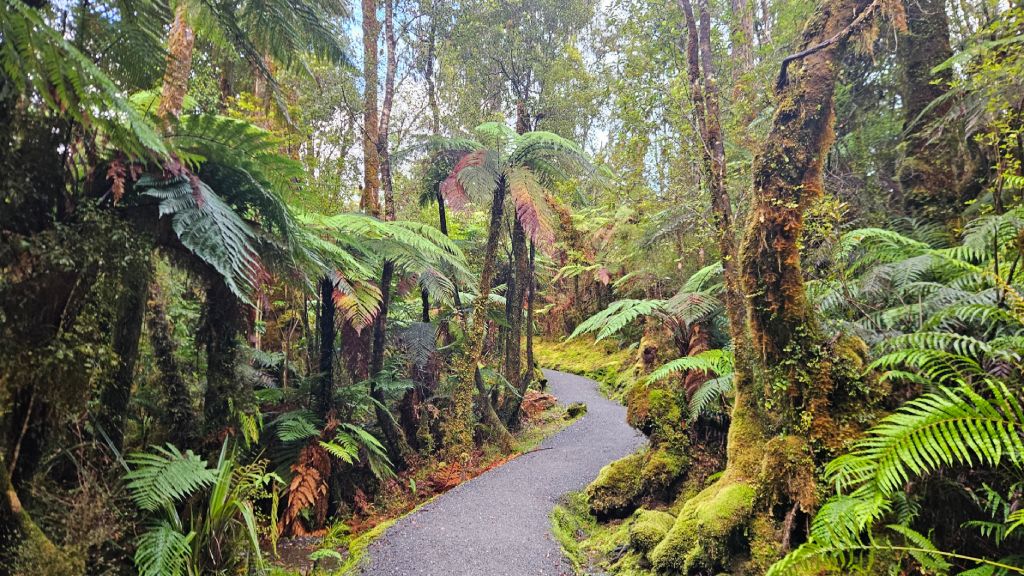
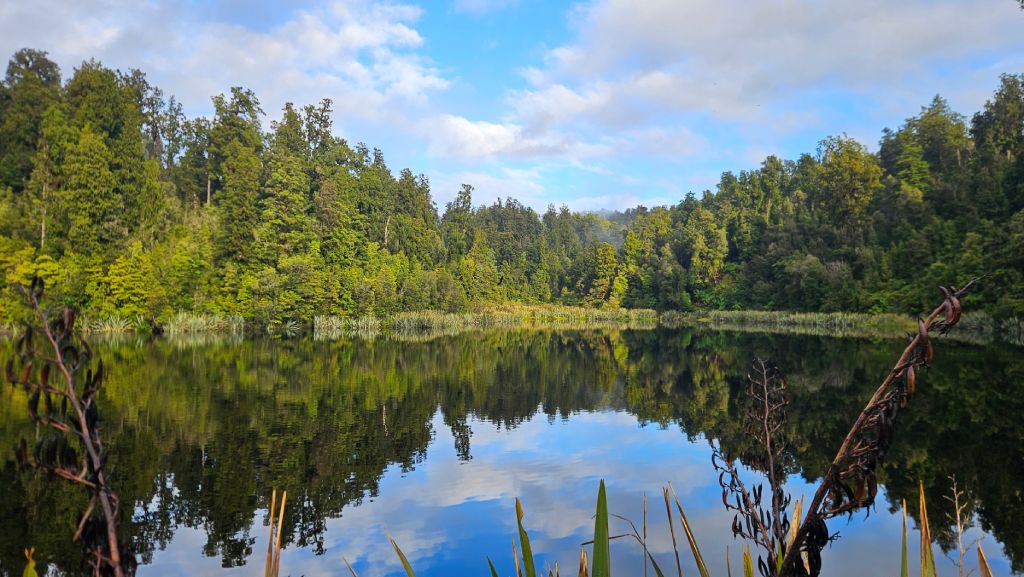
The next morning had fewer clouds, so I decided to do the Lake Matheson Walk. I still didn’t see the glacier, but walking along well-maintained paths surrounded by lush greenery was very scenic. I reached the main viewpoints and completed the loop in about an hour.
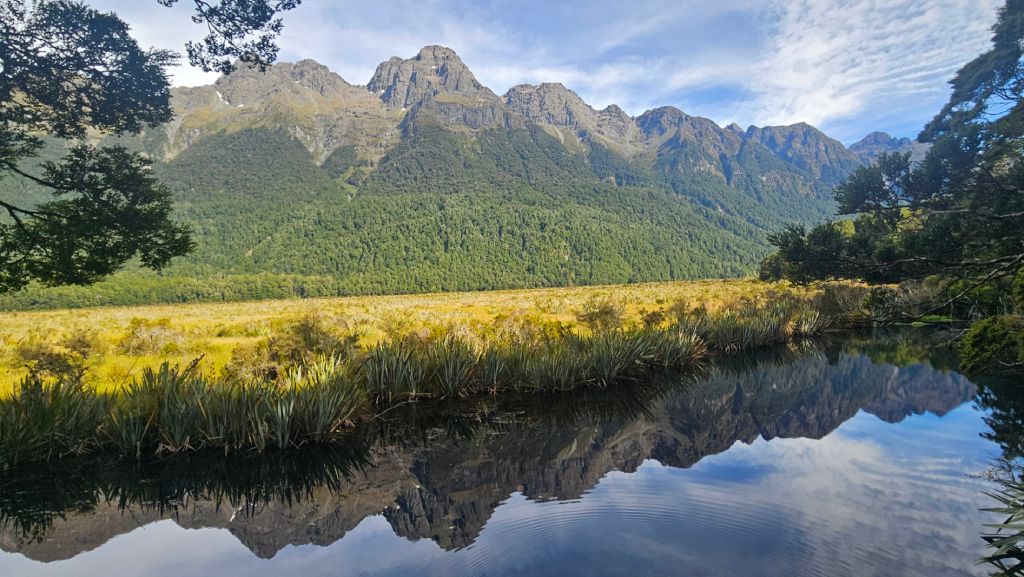
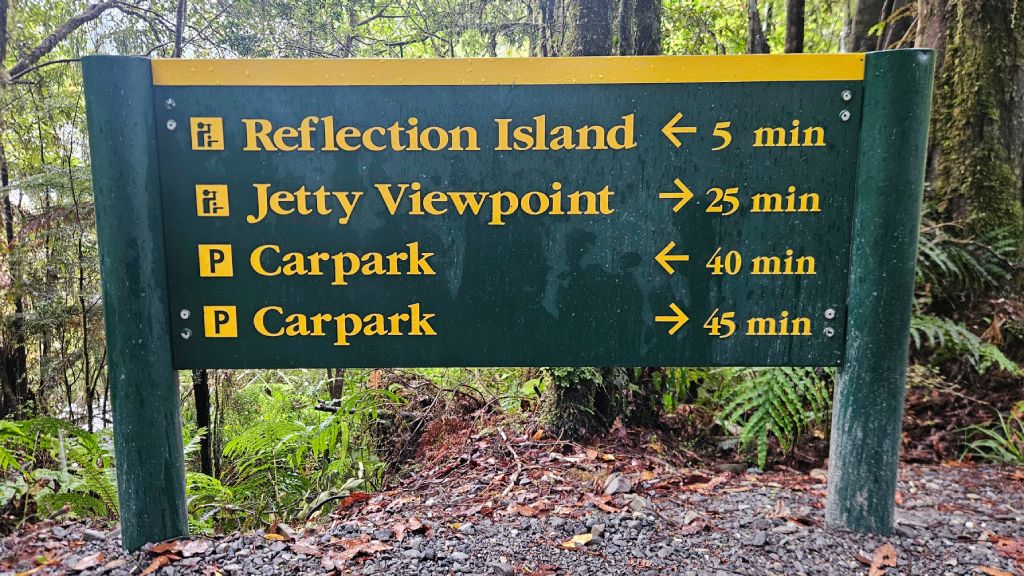
The Reflection Island and the Lake Matheson Walk offered beautiful images of the surrounding hills. The lake’s excellent reflective properties are due to the dark brown color of its water. Unfortunately, during my visit, Mount Cook was still covered in clouds.
Franz Josef Glacier
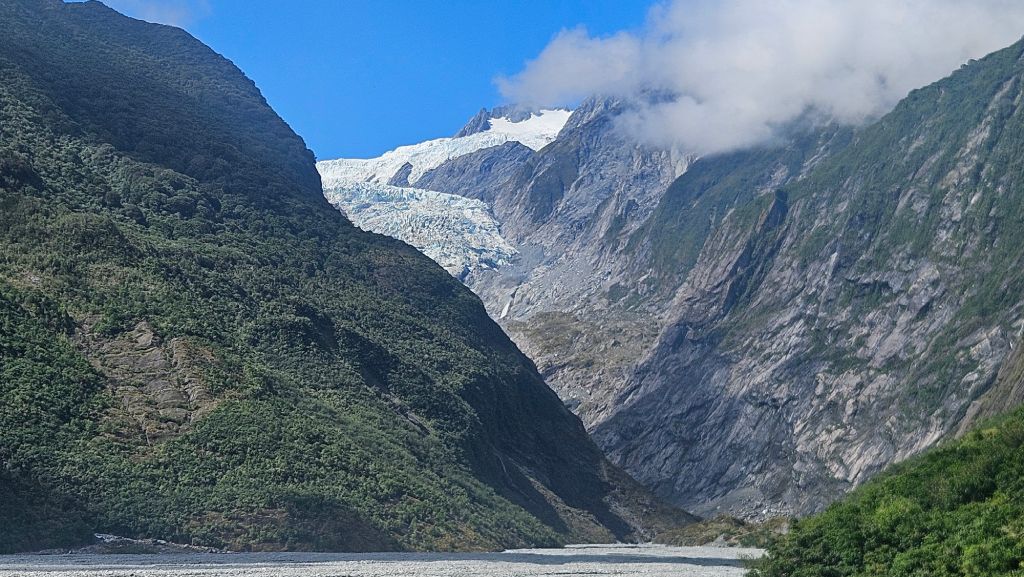
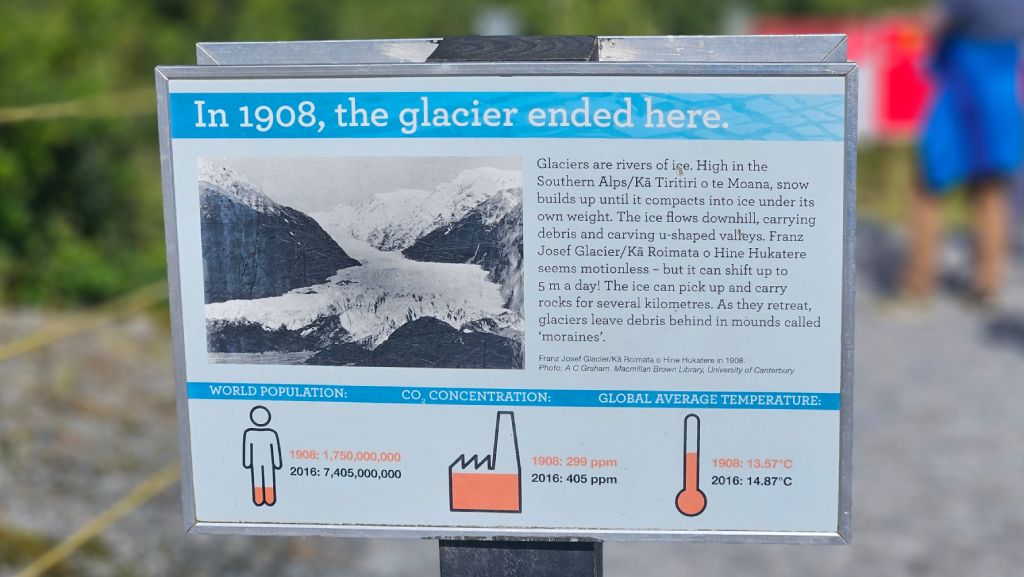
By this point, I had almost lost hope of seeing anything interesting on the West Coast of the South Island. The first reason was the unpredictable weather and clouds covering the highest peaks. The second was the disappearing glaciers, which today are only distant masses of ice at high altitudes. Global warming has taken its toll, and over the years the large ice masses have melted.
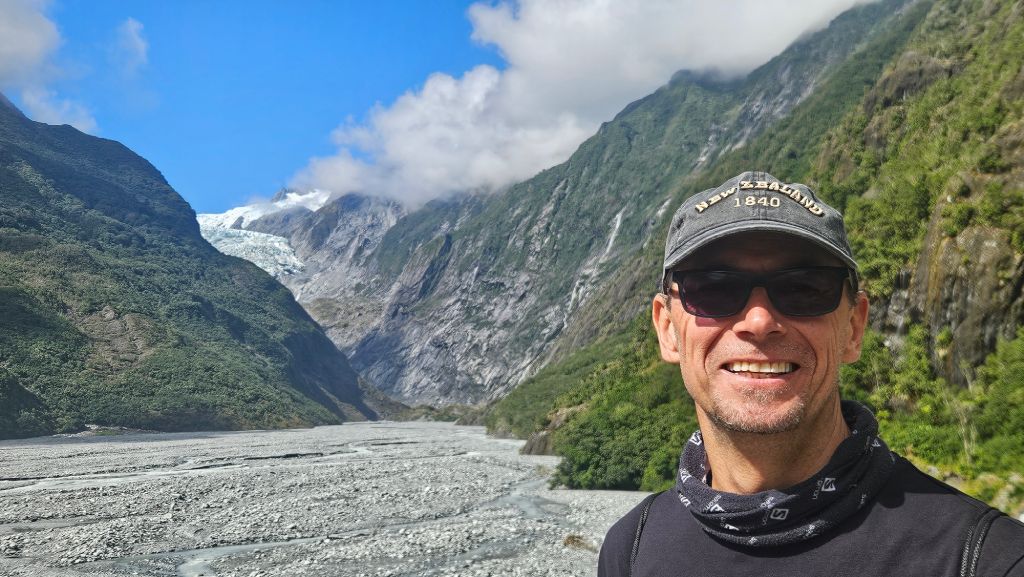
It was my lucky day. The morning sun and promising weather confirmed that I had plan properly the visit of Franz Joseph Glacier.
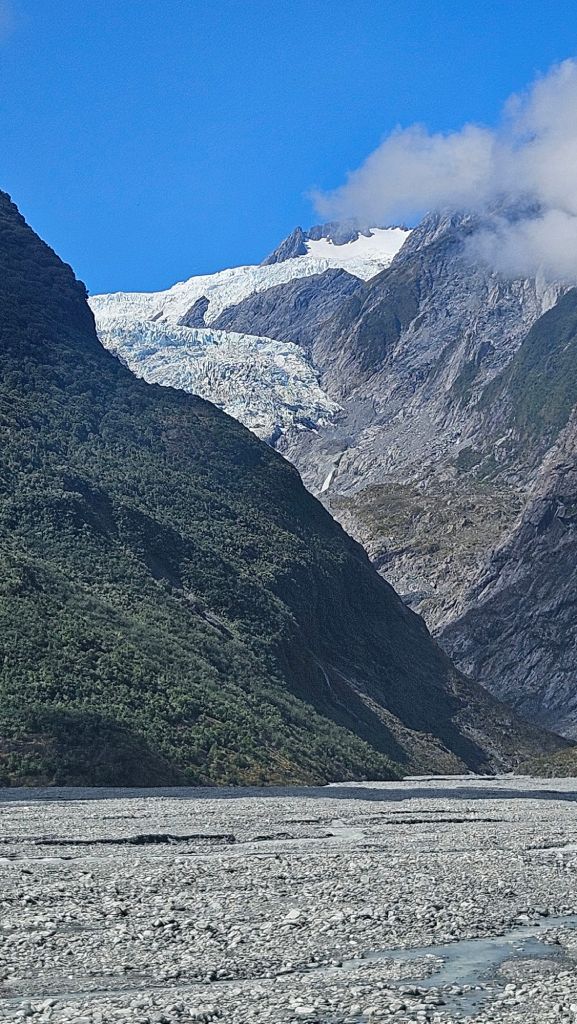
Visiting Franz Joseph Glacier is very easy and popular. From the parking lot, it’s just a short and simple walk to the viewpoint, from where I could see the glacier not too far away. Previously, the path led even closer, butattract it had been washed away due to changes in the riverbed.
Restricted glaciers access
In general, I found the hiking trails to the glacier areas often poorly maintained or damaged.
Can the reason be the lucrative scenic flights with helicopters?
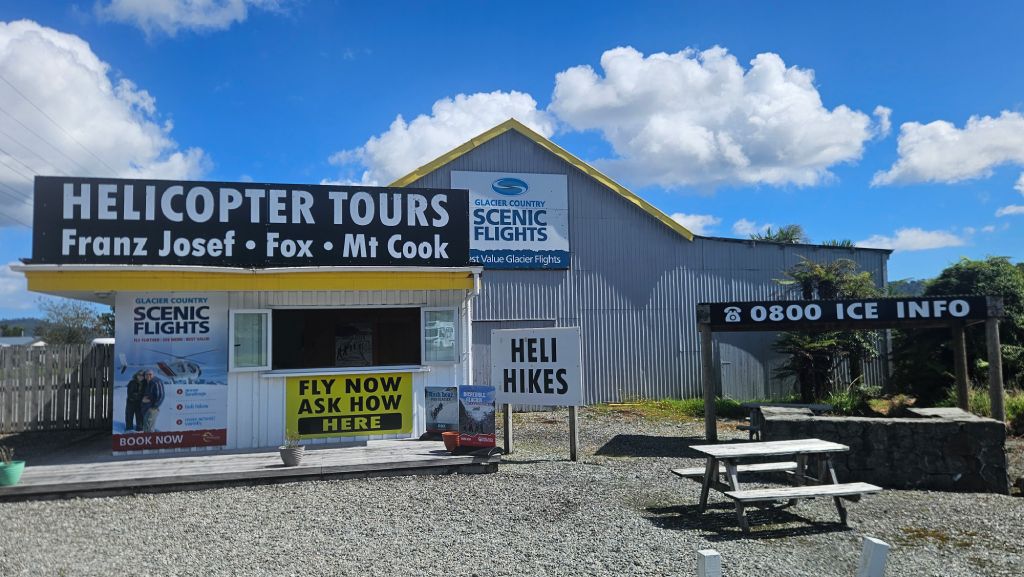
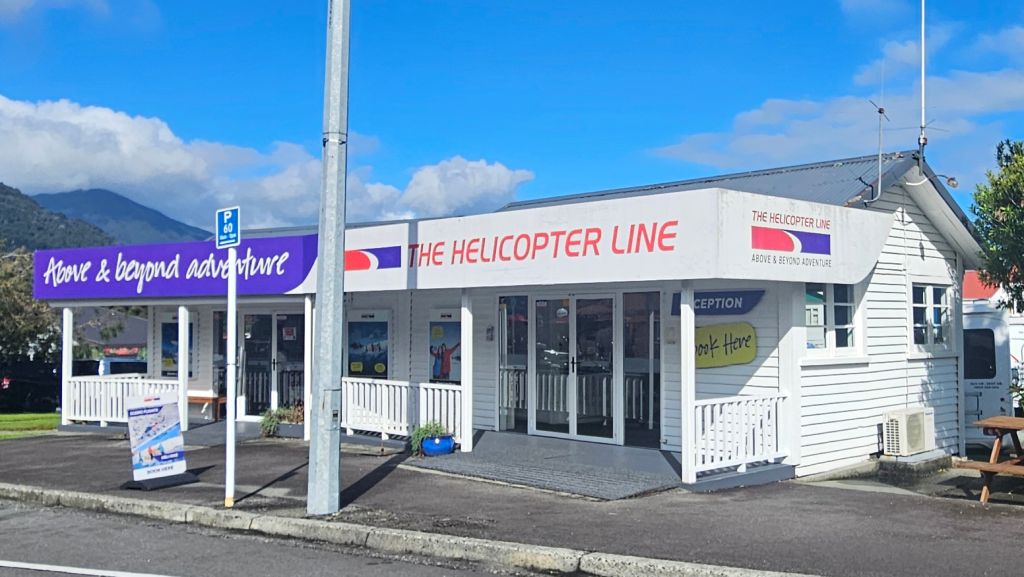
At all locations, I noticed many offers for scenic flights, mainly by helicopters but also small planes. Many remote areas provide flights over snow-covered mountains or glaciers, sometimes even offering access to trails where hikes begin.
Considering New Zealand’s focus on ecology and recycling, helicopter flights feel questionable and hypocritical.
In addition, the noise is very disturbing and unpleasant. Surrounded by such beautiful nature, I wanted peace and tranquility, not the loud buzzing of helicopters or small planes.
Auckland: marina, skyline, and city life
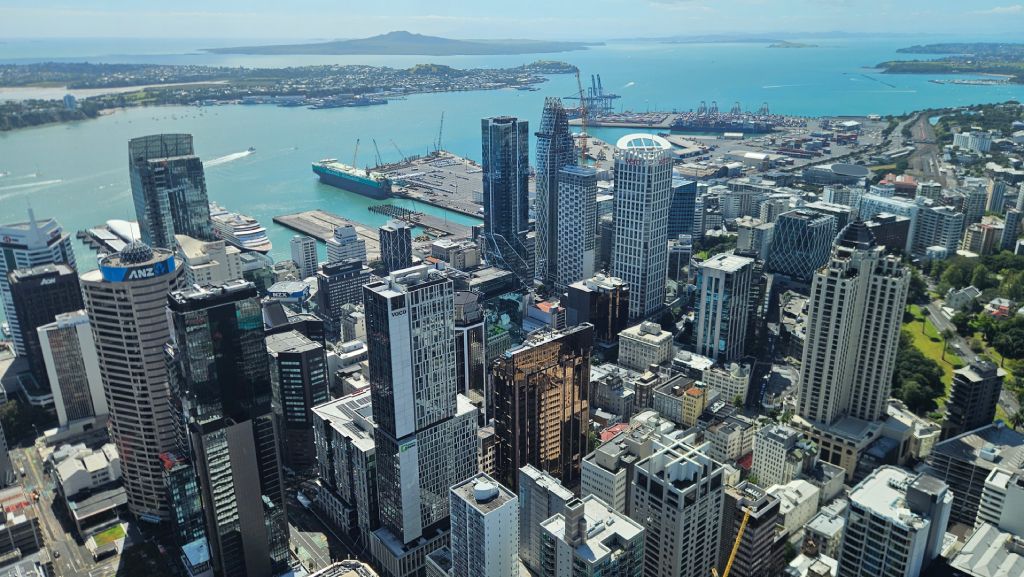
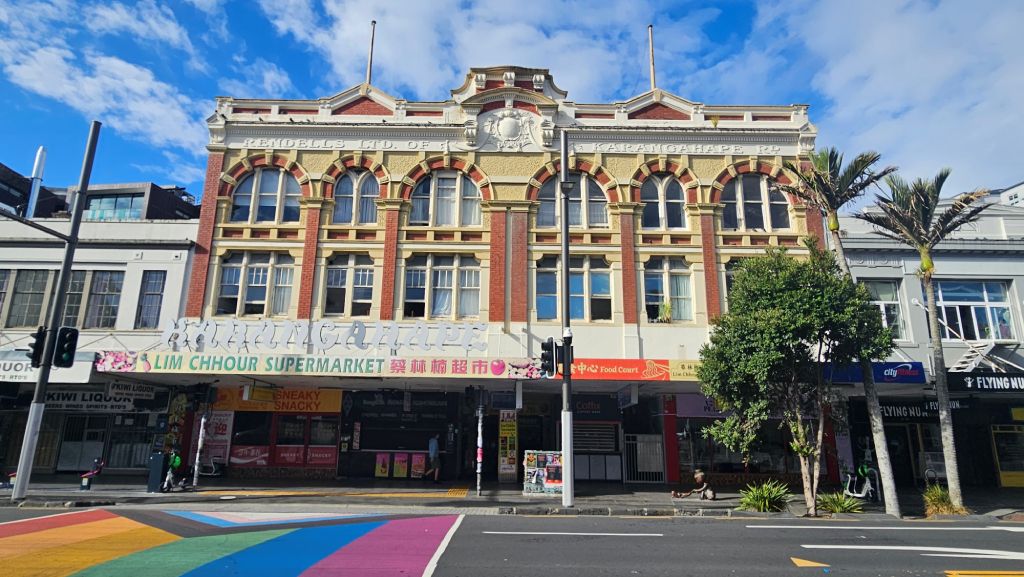
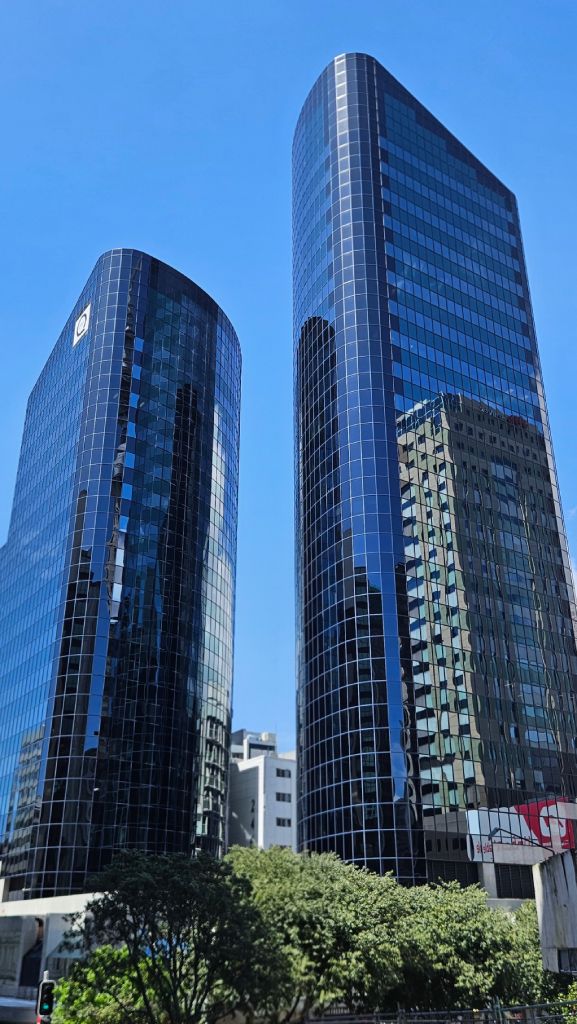
At the end of my New Zealand travel adventure, I visited the country’s largest city, Auckland. With almost two million residents, it feels surprisingly large for a country with such a small population. In developed countries, people are usually more evenly distributed among several major cities.
The climate was pleasant – not too hot, not too cold, and mostly sunny. It was a perfect opportunity to spend time around the Auckland Waterfront by the sea. The mix of yachts, ferries, cafés, bars, and restaurants created a very relaxed atmosphere.
Along the main street, Queen Street, many shops of well-known international and local brands compete to offer better discounts and products. Maybe I just catch the main season with discounts? I took the opportunity to discover some local brands known for high-quality outdoor clothing, especially PacMac and Kathmandu.
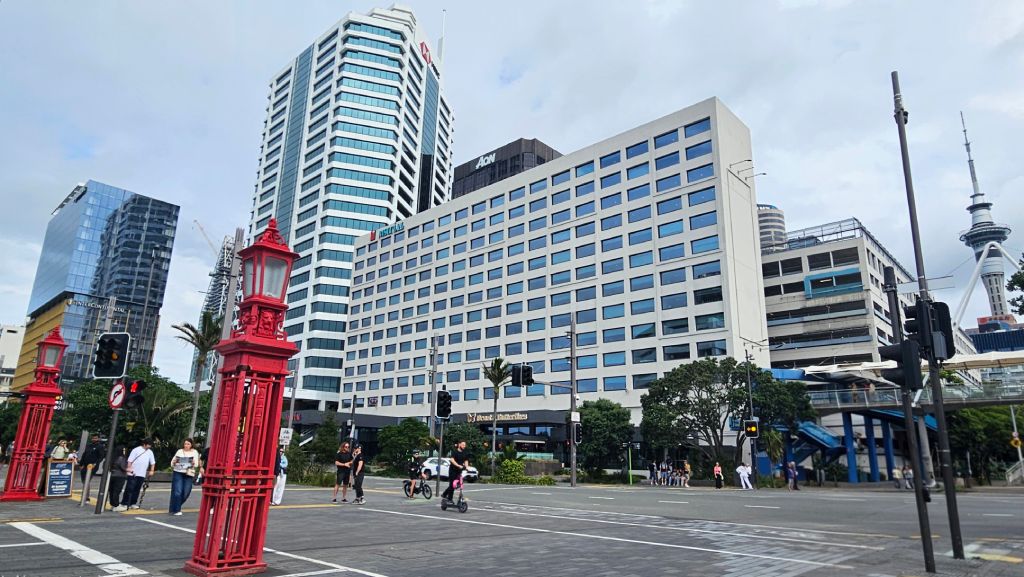
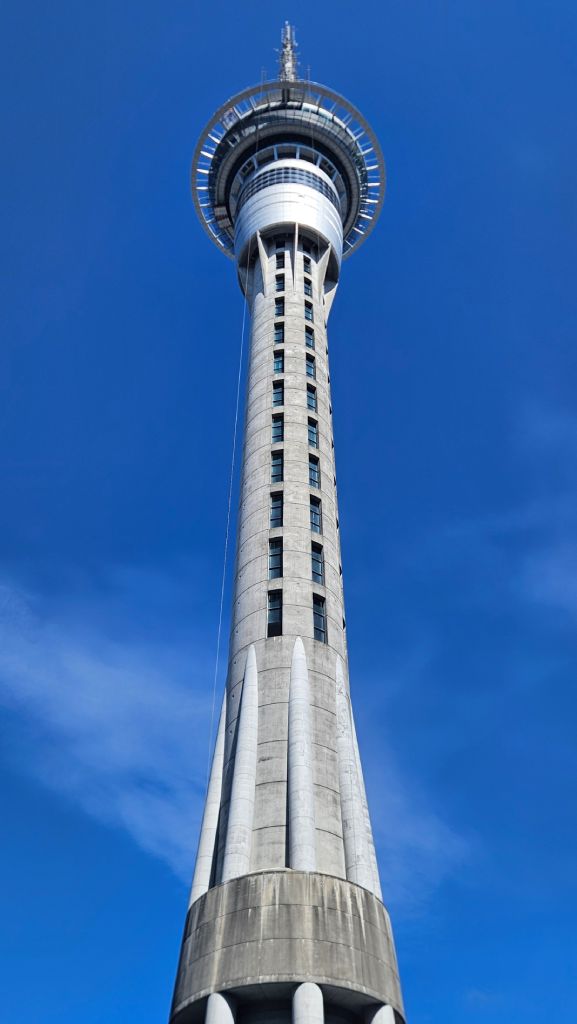
In the afternoon, I climbed the Sky Tower, the Southern Hemisphere’s tallest freestanding structure from 1996 to 2022. This 328-meter landmark is visible from almost every part of the city. The 360-degree views from the top offered an excellent look at the CBD, the marina, nearby islands, and residential areas to the south. Coffee at the Sky Café on the 52nd floor was surprisingly one of the cheaper ones in the city.
Gastronomy offer in Auckland is strongly Asian. It almost feels as if New Zealand has no distinct cuisine of its own.
Japanese, Korean, Chinese, Indian, and many other restaurants appear everywhere, which suited me perfectly. The selection of locally produced wine is also impressive, and the wine-drinking culture is strong. Considering the country’s remoteness, food prices are not too high and are noticeably lower than in nearby Australia.
A fun splash and a peaceful summit
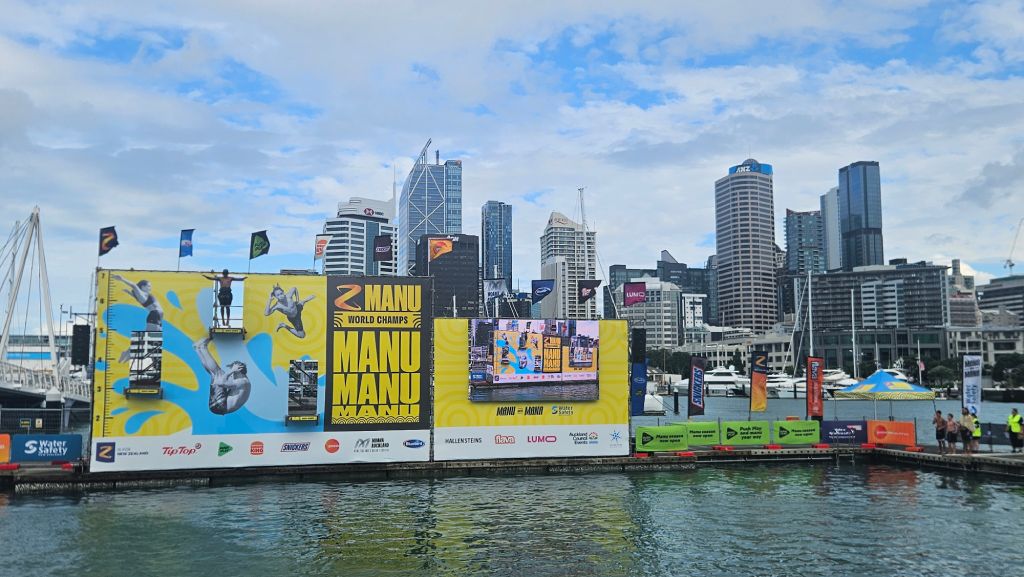
During the weekend I attended the Manu World Championship at the waterfront. Celebrating the art of making the biggest splash (a manu) is a funny event where competitors try to create the largest splash when jumping into the water. They jump from different heights, adjusting their bodies to produce a bigger splash. Although bigger participants often have an advantage, technique is apparently just as important.


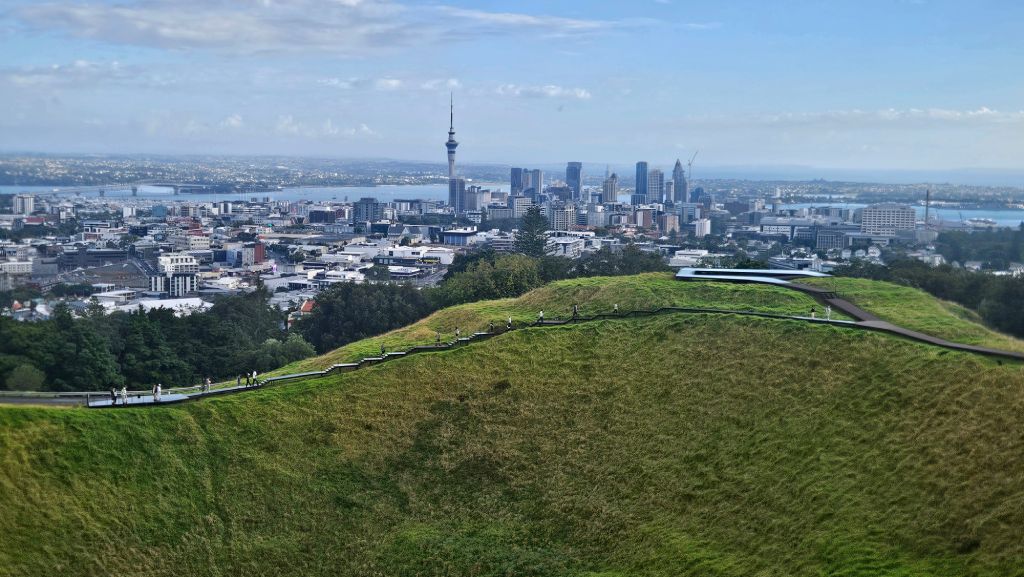
The next morning, I hiked to the Mount Eden Summit, a 196-meter-high dormant volcano. The deep grass-covered crater might not look special at first, but it offered me an excellent viewpoint over Auckland. The site is also an important Māori archaeological area, considered sacred and showing evidence of settlement in the past. I walked from the downtown on a quiet Sunday morning, enjoying the calm, with few visitors and cyclists around me.
Reflections on my visit to New Zealand
Although my expectations were high and the myth of New Zealand’s natural beauty set a lofty standard, most were fulfilled.
The diverse mix of races, religions, cultures, landscapes, urban centers, and lifestyles has shaped New Zealand into one of the best places to live. On top of that, it is, of course, a stunning tourist destination.
While New Zealand is mainly known for its natural attractions, I was also captivated by its pleasant social life and well-organized cities.
For my New Zealand travel adventure, I had just under two weeks of time available. Another week would have allowed slower sightseeing and extra time for more things to do on the North Island. So, I might return to New Zealand.

New Zealand Travel Photo Gallery