My Nauru travel summary:
Visited: February 2026
Duration of visit: 3 days
Capital city: Yaren district
Population: 12.000 (2026)
Nauru travel blog reading time: 8 minutes
Attractions and places I visited in Nauru:
- Riding a bike around the island.
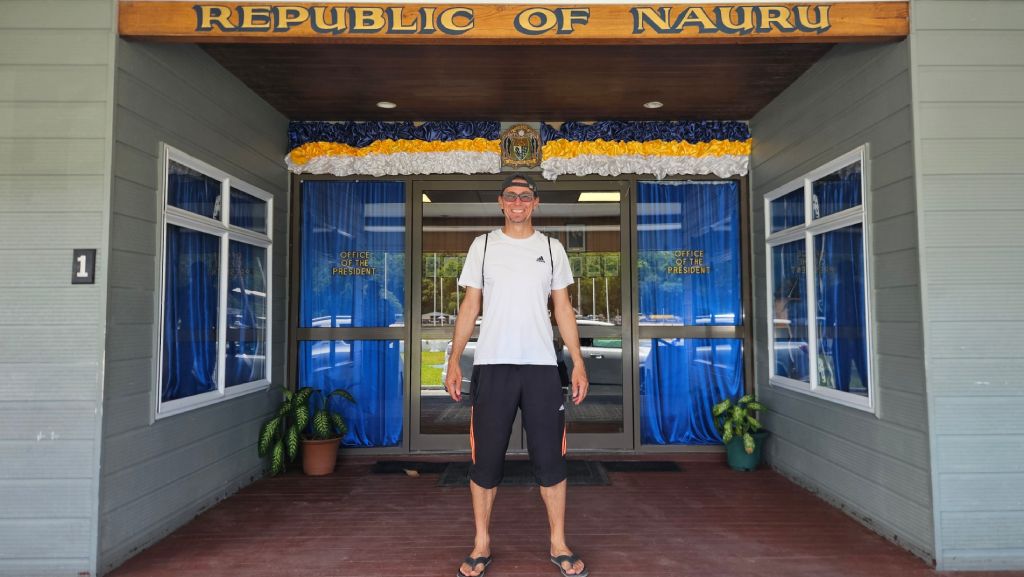
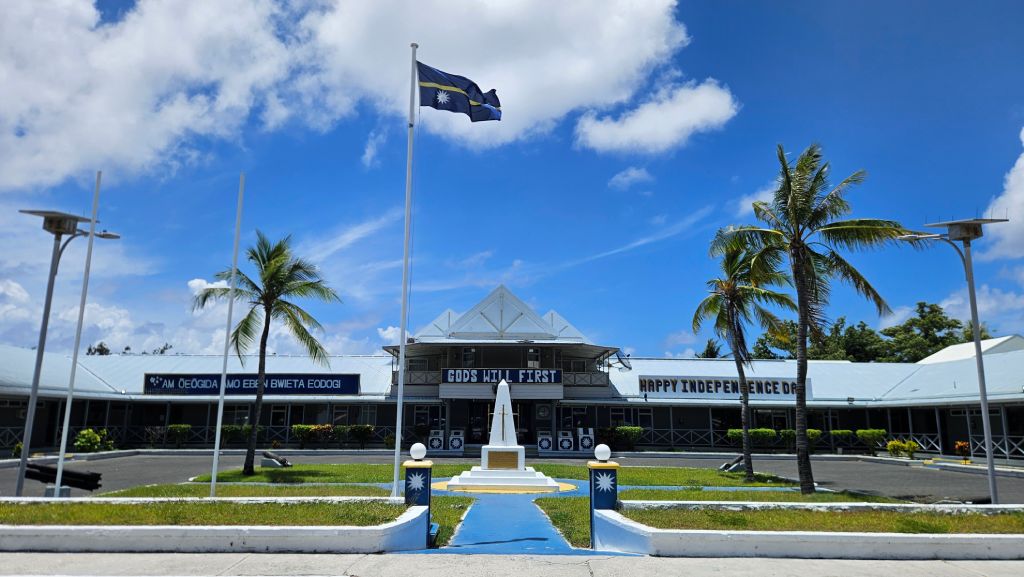
- Touring the Parliament and Presidential Palace.
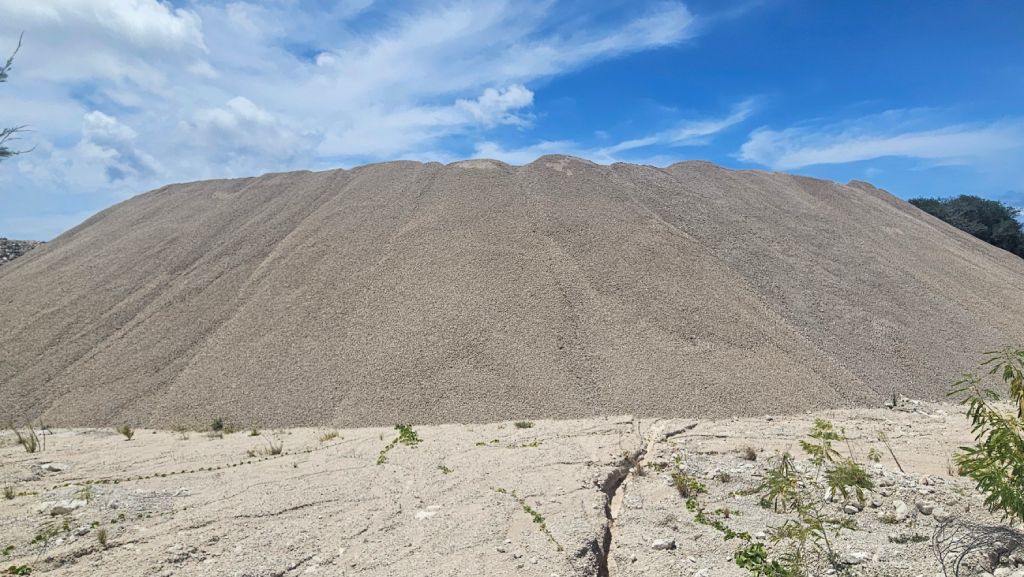
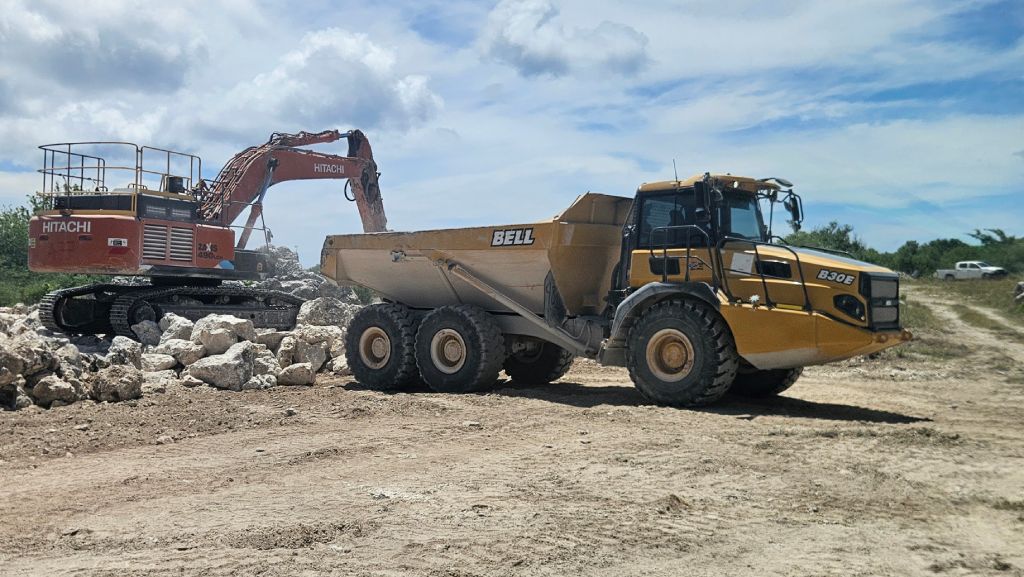
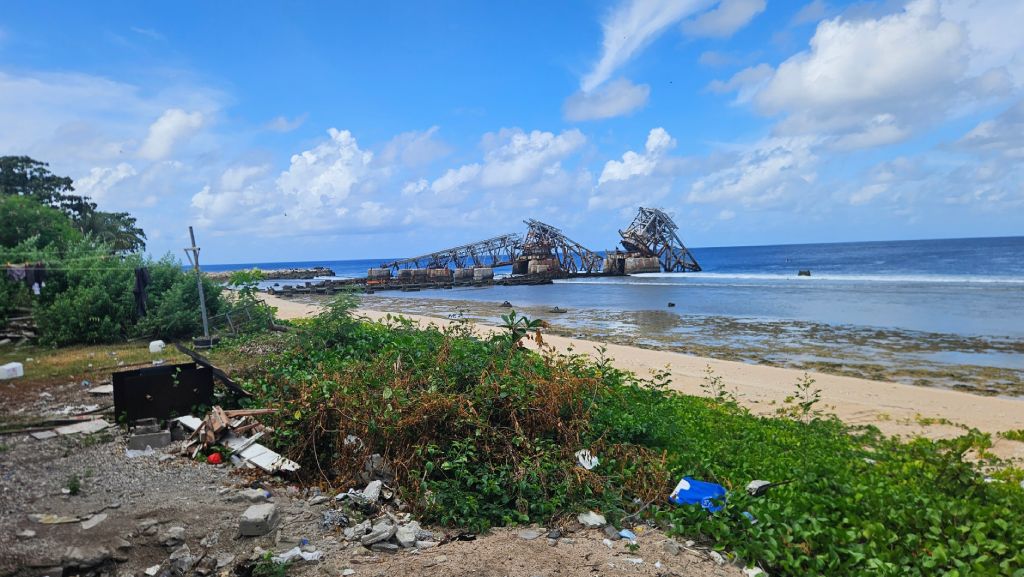
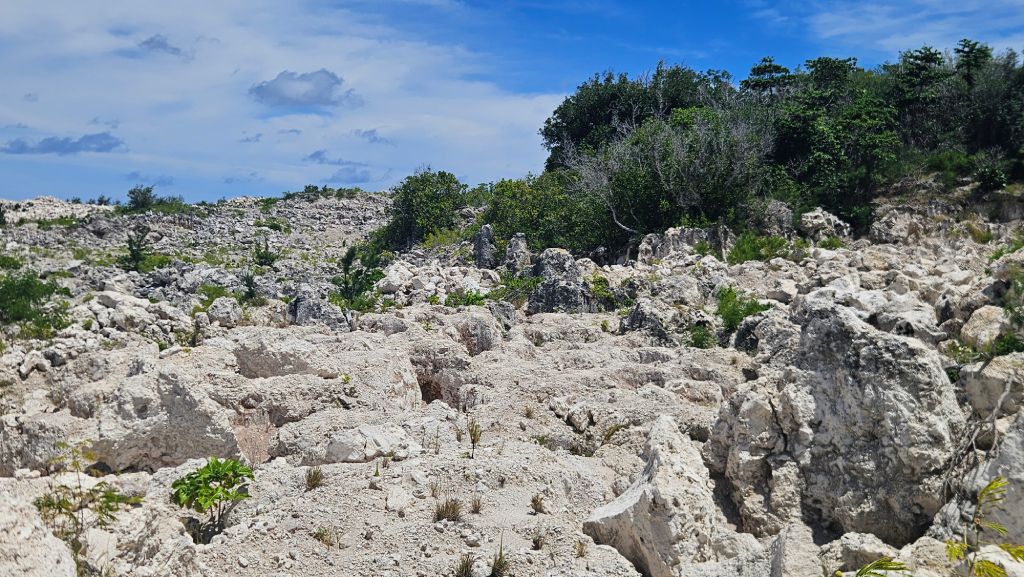
- Exploring phosphate mining fields and Japanese occupation remnants.
- Drinking kava with locals at night.
Nauru is one of the smallest and least visited countries in the world. According to Google, only a few hundred tourists visit Nauru each year. However, many people from nearby islands come for work. This makes sense, as there are far more job opportunities than, landmarks, beautiful places to visit or exciting things to do for visitors.
Previously, the small economy relied almost entirely on phosphate mining, which contributed a significant portion of government revenue. As the reserves are now running out, the country has found a new source of income – hosting refugee detention centers funded by Australia.
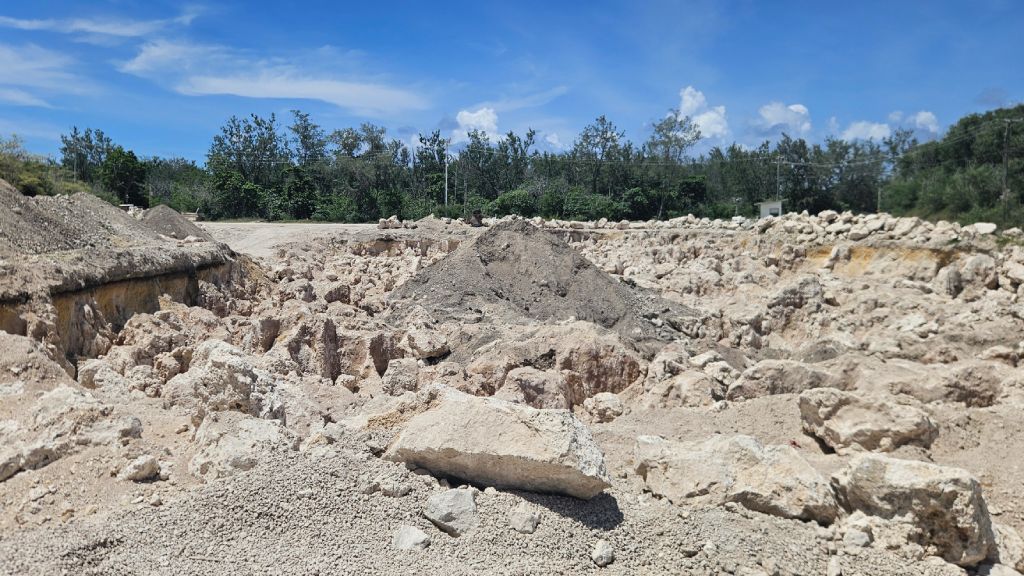
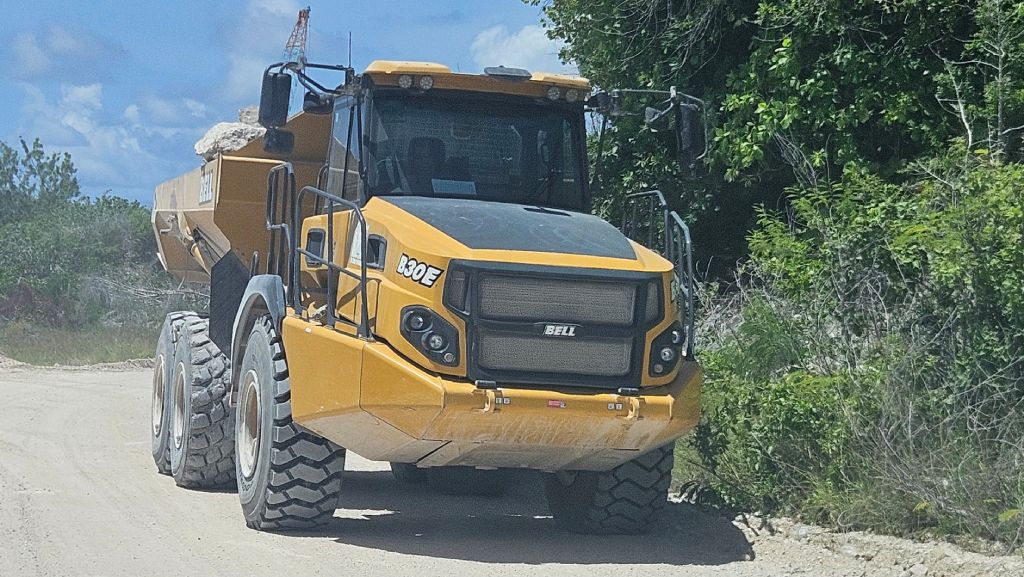
Due to complex logistics, I had the option to stay on the island for one day or four. I chose the longer stay to get to know this remote and unpopular destination more closely, since I likely won’t return.
I booked a flight from Brisbane, followed by an onward flight to Kiribati with one of the least reliable airlines in the Pacific – Nauru Airlines. The choice was driven by the good (or rather, only) connection to my next destinations: Kiribati, the Marshall Islands, and beyond.
A gentle welcome to country nr. 160
Just before my Nauru travel adventure, the airline changed the schedule, but luckily it didn’t cause major disruptions to my trip. The inconvenient 6:30am arrival in Nauru wasn’t a problem, as the hotel sent a driver to pick me up. I was pleased with the large passport stamp and the friendly greeting from the immigration officer, who welcomed me to country nr. 160.
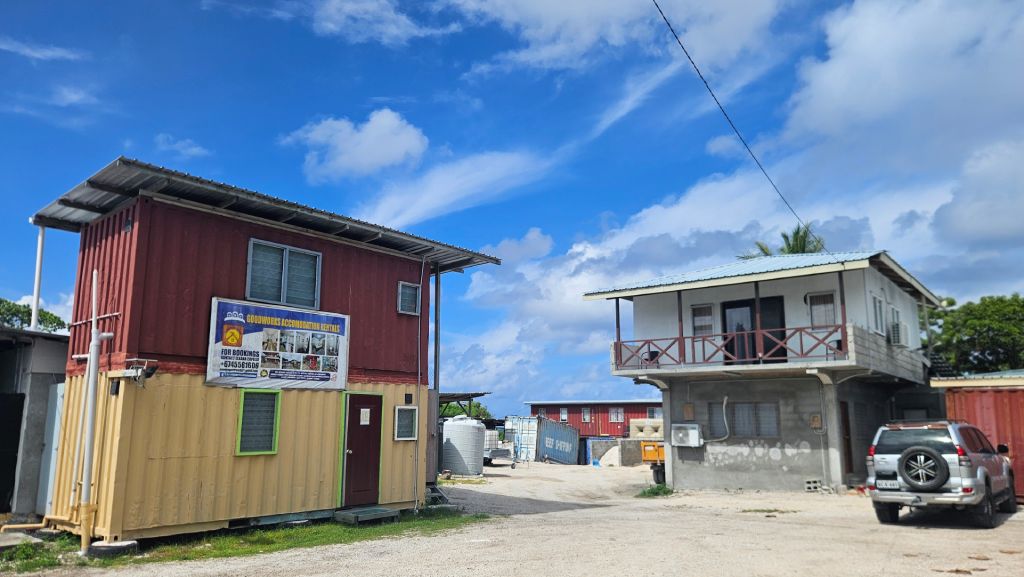
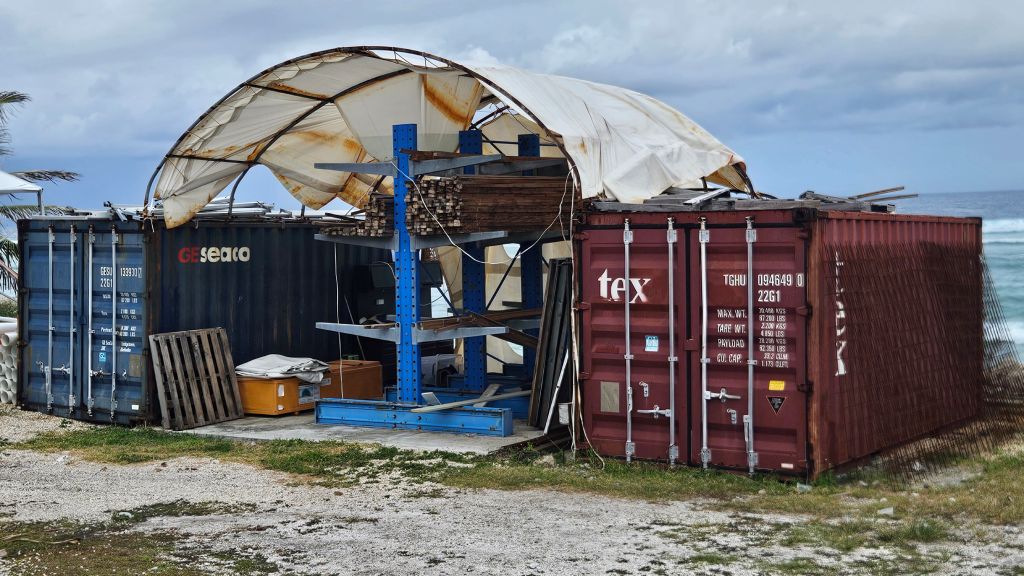
The cheerful driver took me to the hotel, which consisted of about a dozen residential containers.
“You can rest in the billiard room until midday, when your room will be ready,” was the kind offer to avoid paying for an extra night.
Tired and exhausted, I collapsed on the sofa and only woke up after noon when someone called:
“Your room is ready.”
Exploring Nauru on a bike
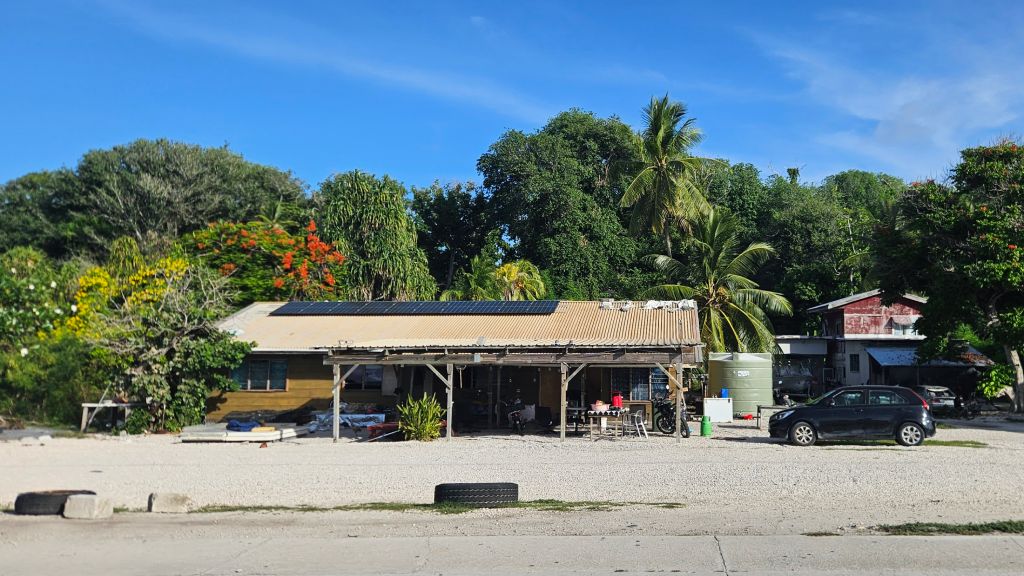
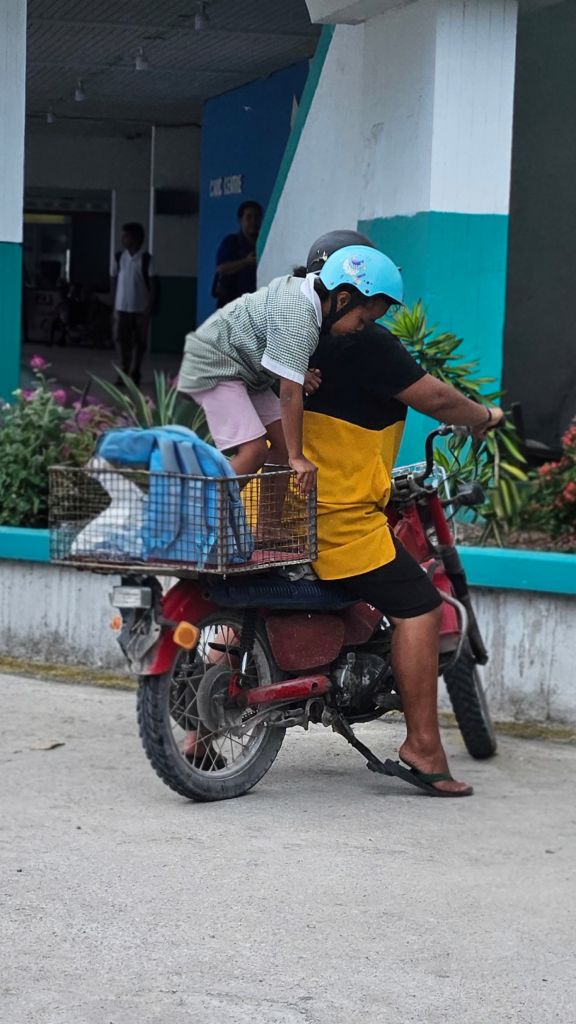
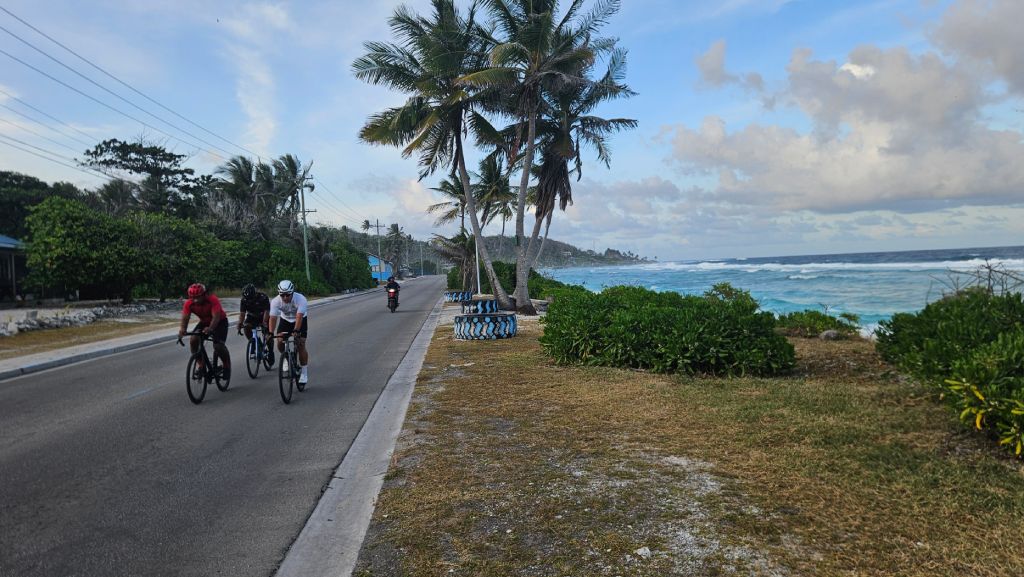
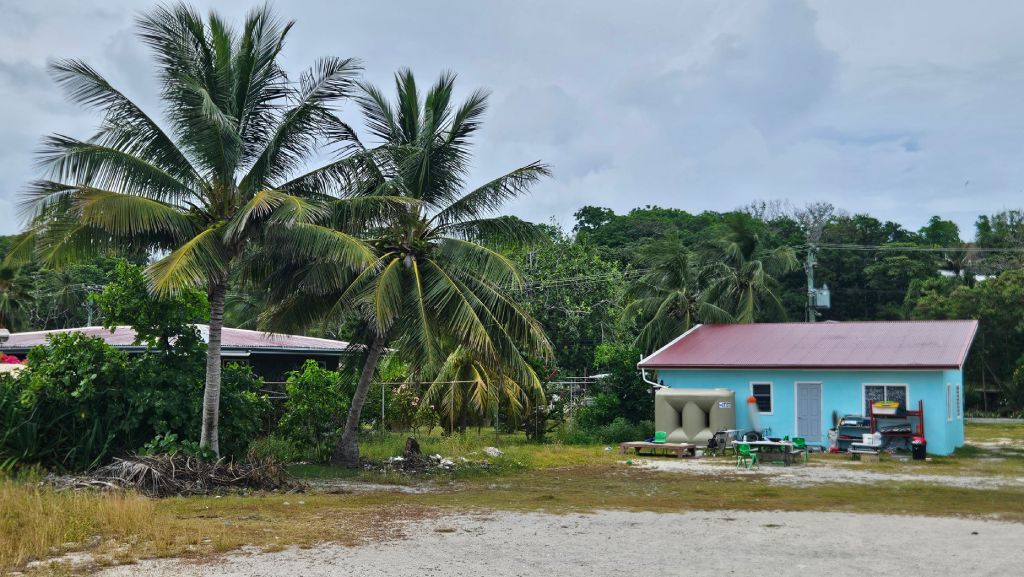
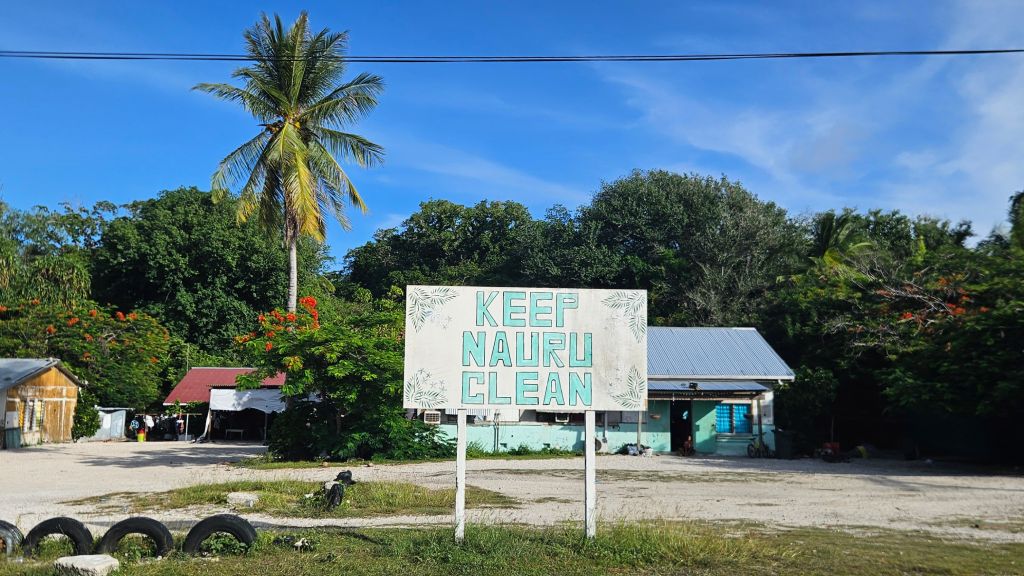
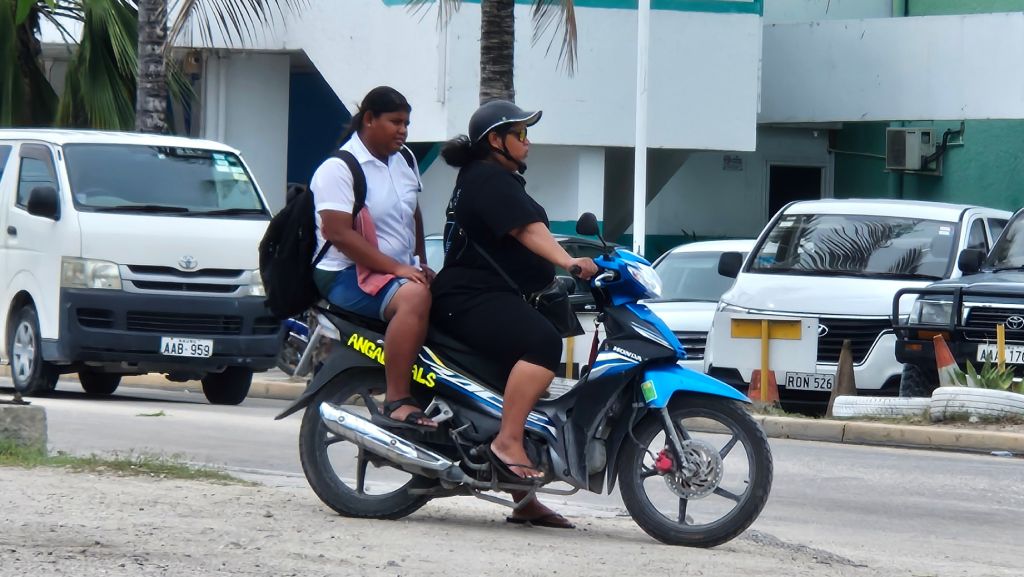
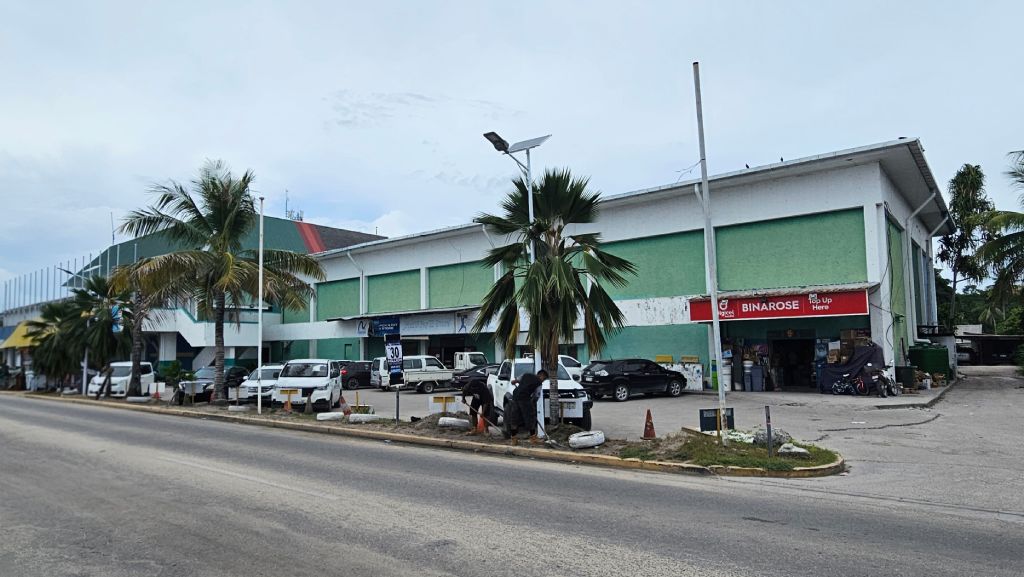
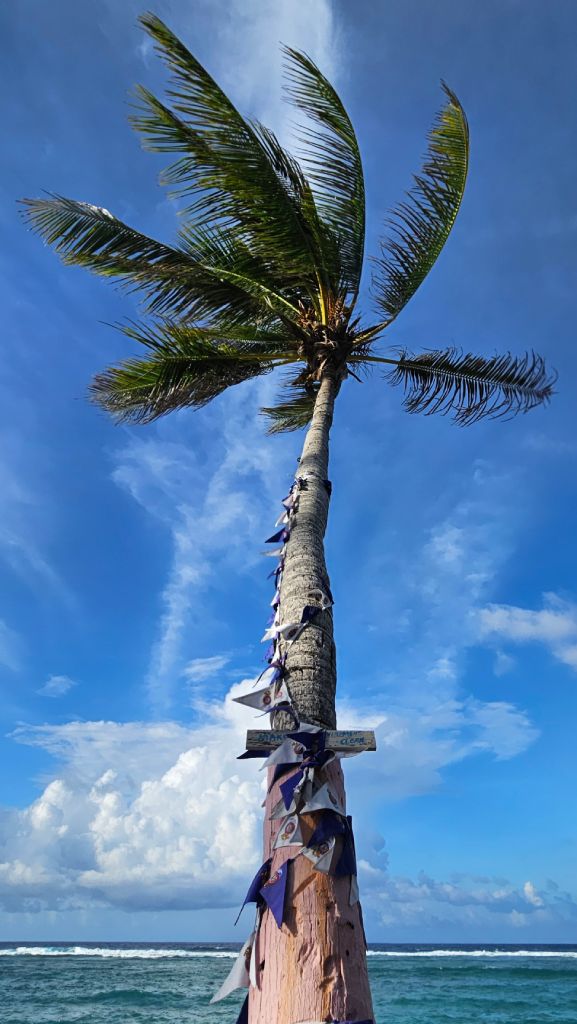
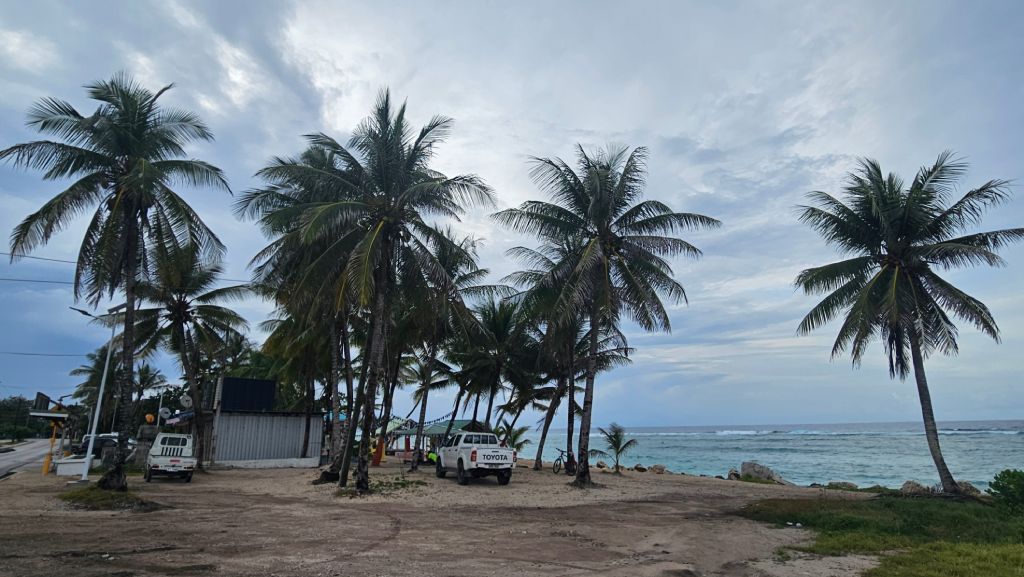
I rented a bike and set off to explore the island in counterclockwise direction. The round shape of Nauru and the well-paved coastal road led me through continuously inhabited areas. People live practically everywhere along the road. I saw a mix of unattractive residences: wooden houses, brick homes, residential containers, and partially collapsed shacks. On the other side of the rad, the view opens to the sea, dotted with palms and beaches.
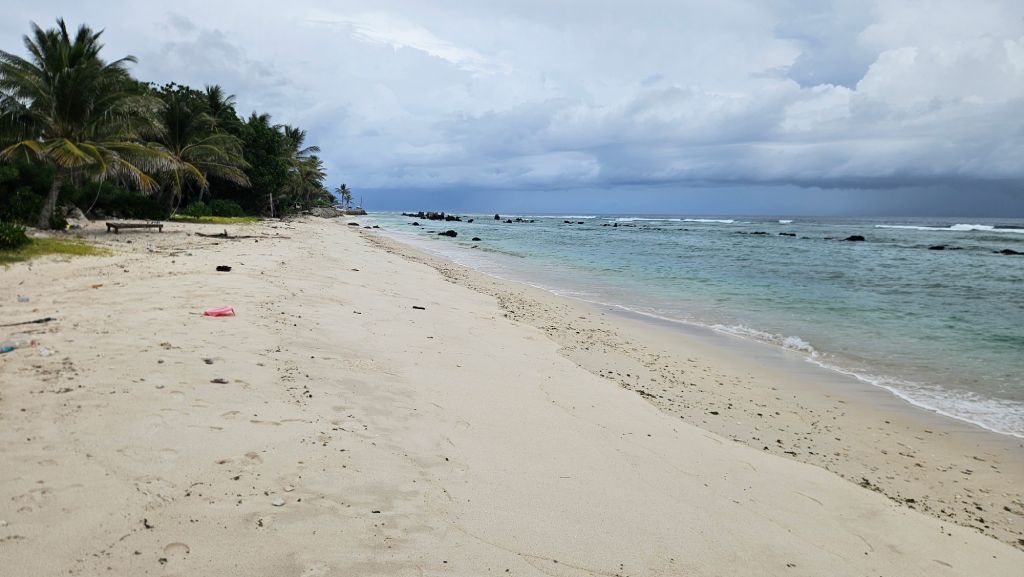
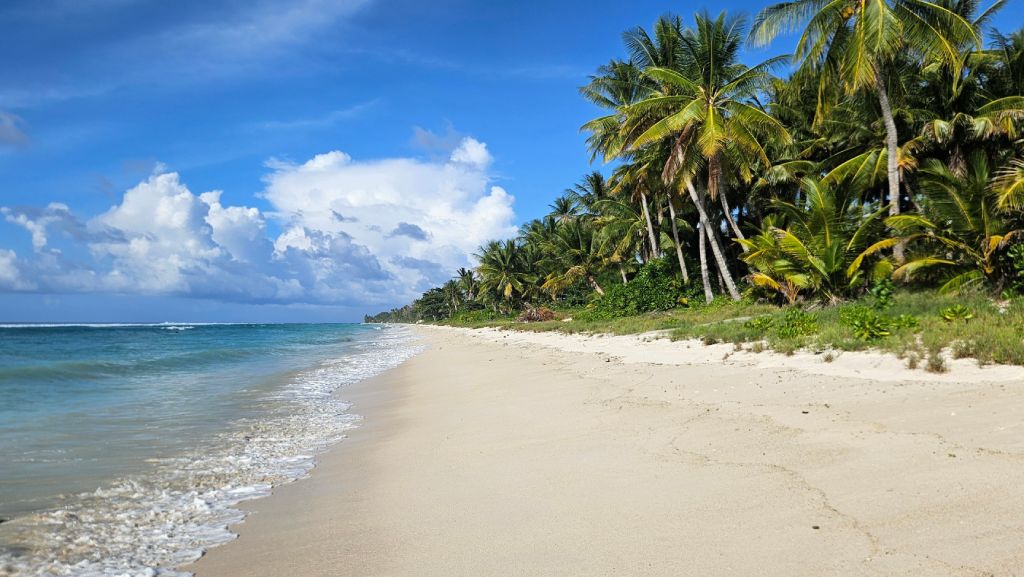
At first glance, the beaches look idyllic; white sand, turquoise water, palm trees, and warm temperatures. However, the surroundings are littered, and the water has jagged rocks.
Especially at low tide, trash comes ashore, making swimming far from a popular activity for locals.
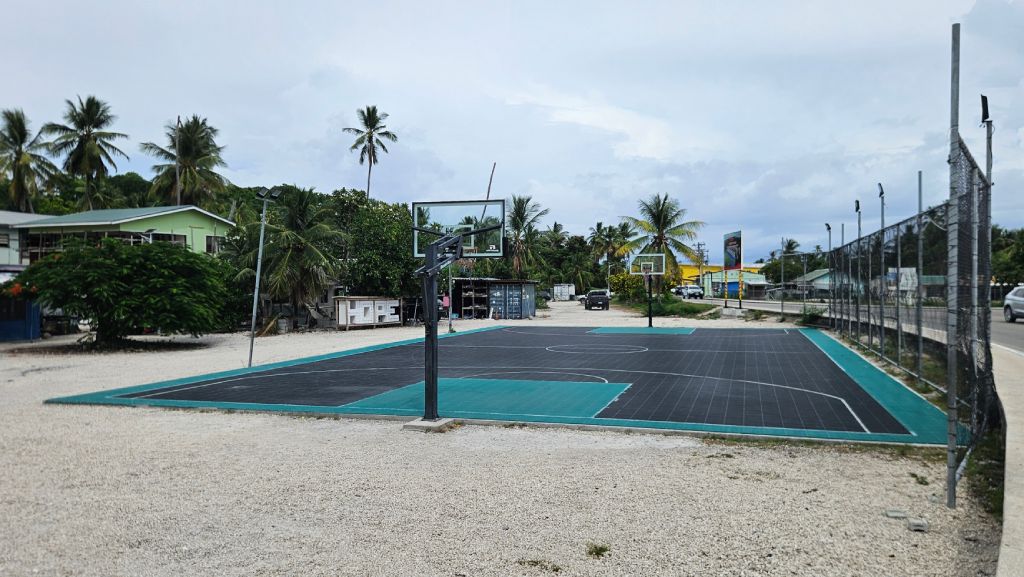
Basketball and volleyball are much more popular. Along the road, I noticed fenced basketball courts every few kilometers, often with plastic flooring that doubles as volleyball courts. All of them have proper lighting, allowing people to play late at night, since daytime is extremely hot and most locals are busy with work or taking care of children.
A shift in policy from cooperating with Taiwan to China has brought even more sports infrastructure. A new stadium and several additional courts are being built, aimed at reducing obesity among the population. Poor diet, limited fruits and vegetables, and little exercise contribute to widespread overweight. Almost all women gain weight after giving birth, and men aren’t much better off.
Work, life and simplicity
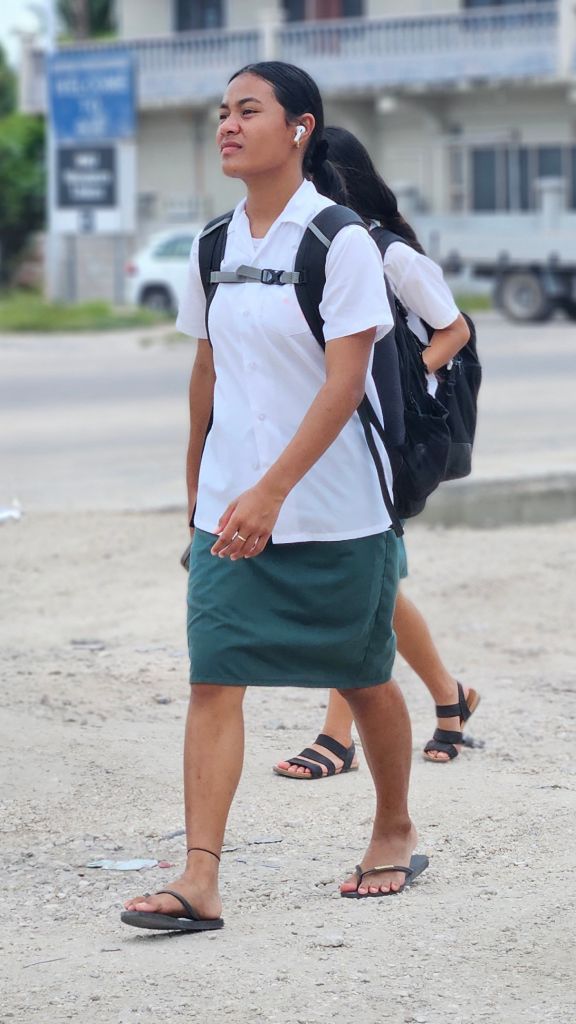
In conversations with locals, I felt calmness, contentment, and simplicity. If men are satisfied with a beer on Friday afternoon and many women’s ambition is to work as security guards, life in Nauru doesn’t seem too complicated to me.
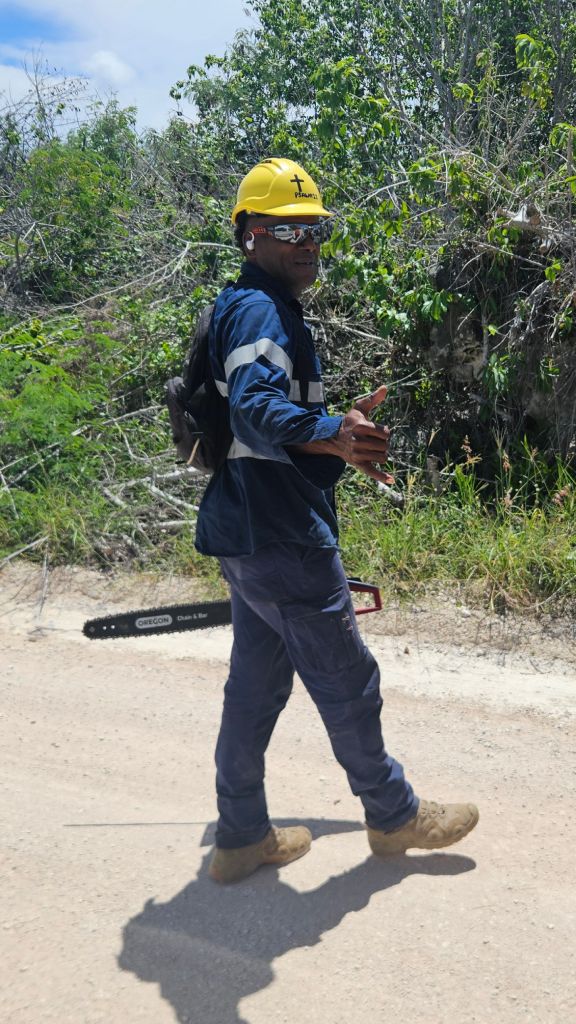
I met many workers from Fiji, the Solomon Islands, and Australia, who work as expats doing jobs that Nauruans either can’t or don’t want to do. Due to a lack of proper local training, experience, or interest, employing foreign labor is necessary.
Most accommodations are designed for them. Instead of resorts or luxury hotels, housing usually comes in the form of containers. Mine was located in the middle of a construction site and machinery storage area, owned by a construction company that houses most of its workers in these containers.
Visiting the Parliament and Presidential Palace
Because of the country’s small size and population, it’s very easy to reach Nauru’s main institutions.
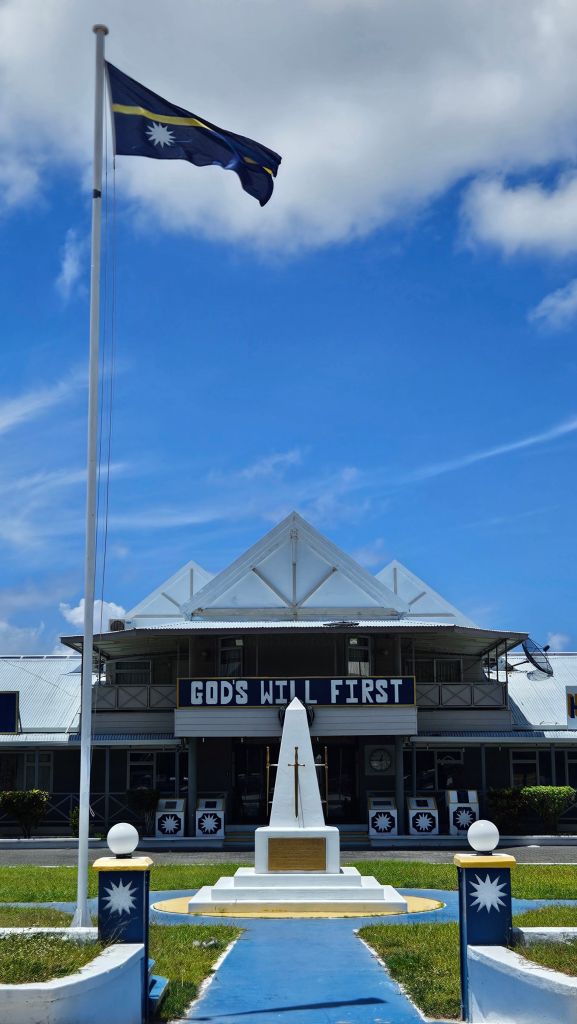
The Presidential Palace and Parliament are located very close to the airport. During an early lunch, I disturbed two security guards, who kindly let me park my bike in the shade in front of their office.
“You probably won’t be allowed into the Presidential Palace, but someone will receive you in Parliament,” they said.
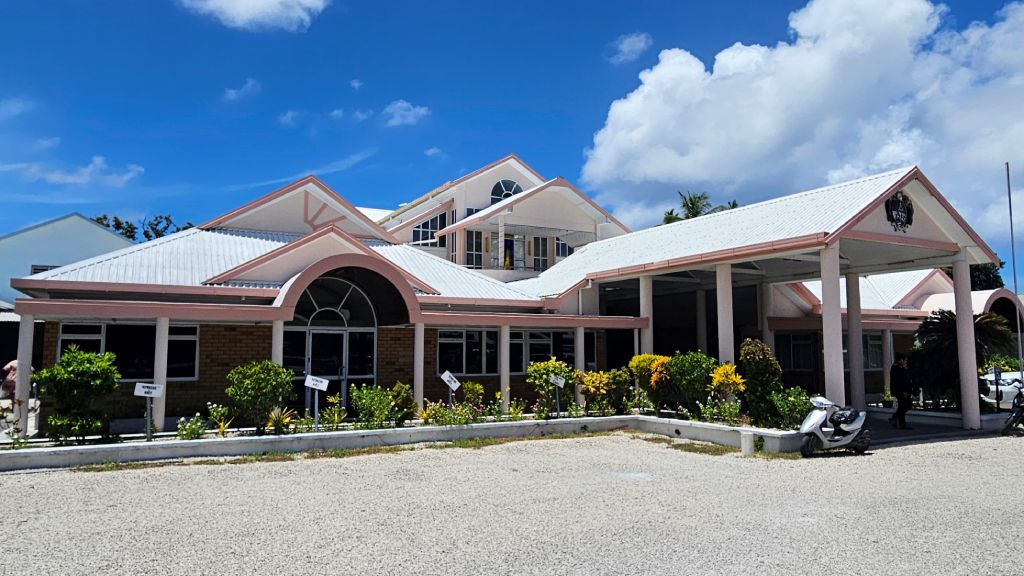
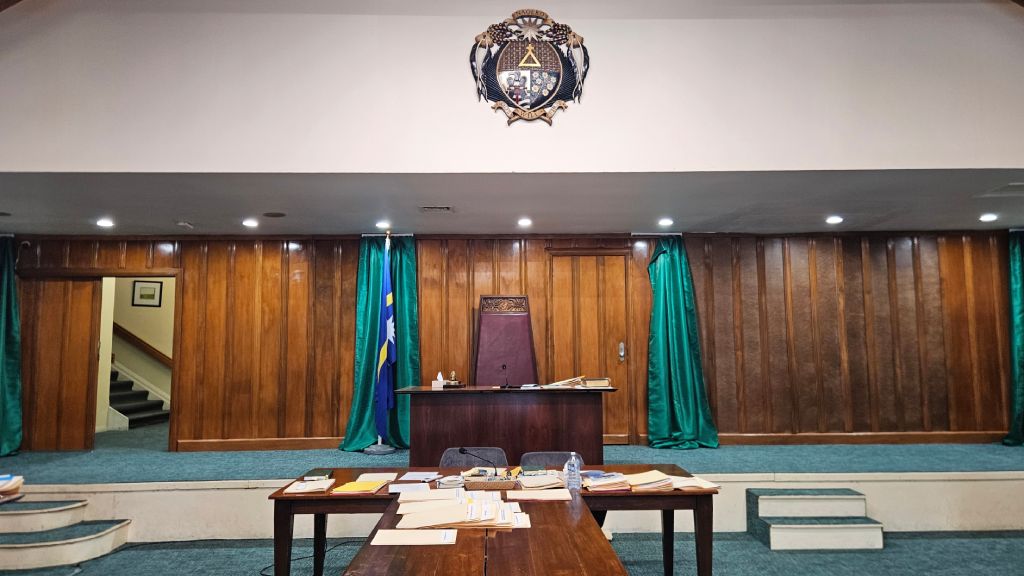
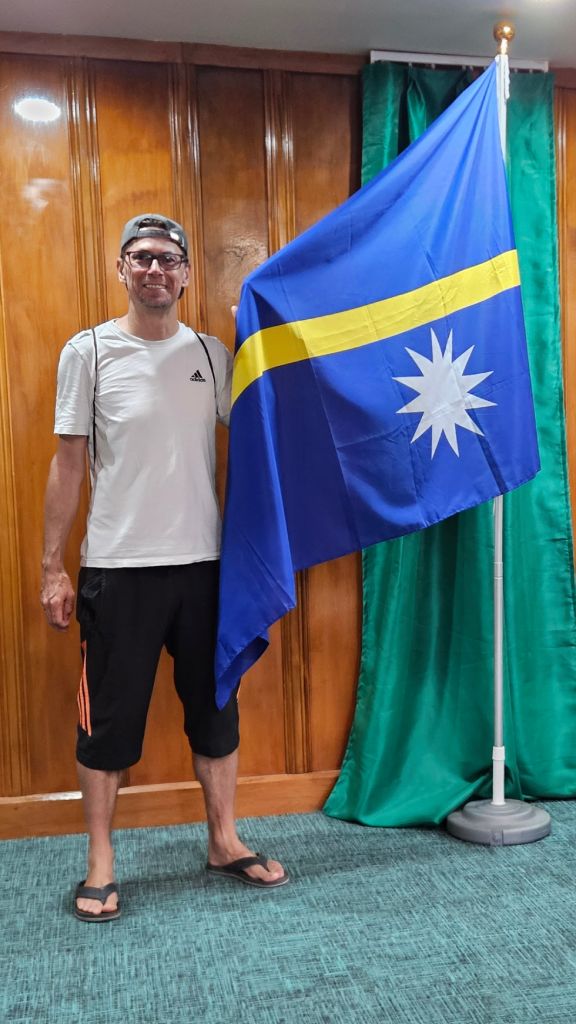
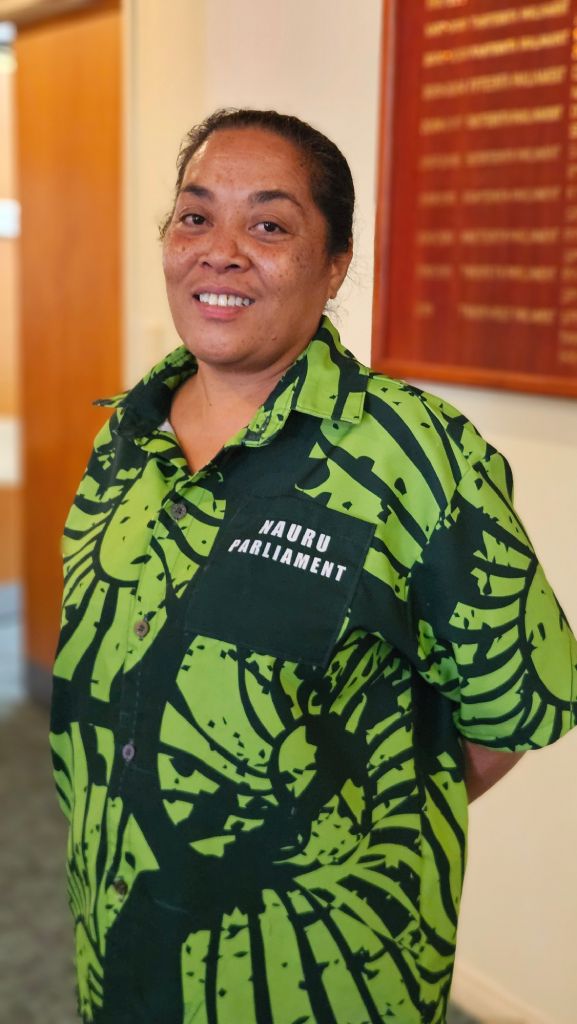
And indeed, the Presidential Palace guards politely took photos with me but didn’t allow me to entry. In contrast, an official welcomed me to the Nauru Parliament and kindly explained its operations and history.
19 members meet infrequently, as many also serve as ministers. I found it especially interesting that such a small country has a Minister of Sports. The Parliament itself is nicely air-conditioned and appropriately sized for 19 members, of whom only two are women. Members are elected every three years, and a recent referendum to extend their terms was rejected. Instead of following political parties, parliamentarians tend to advocate for specific needs of the population.
Drinking kava with locals
Drinking kava in the evenings is a tradition across most Pacific islands, including Nauru. Friends gather at home or in a bar, slowly sipping the intoxicating drink made from the root of the Piper methysticum plant.
I had the chance to drink kava on two evenings. The first time, I went to a local bar where people gathered in a dimly lit space. A man behind an improvised counter mixed kava powder with water, filtered it, and poured it into plastic bottles.
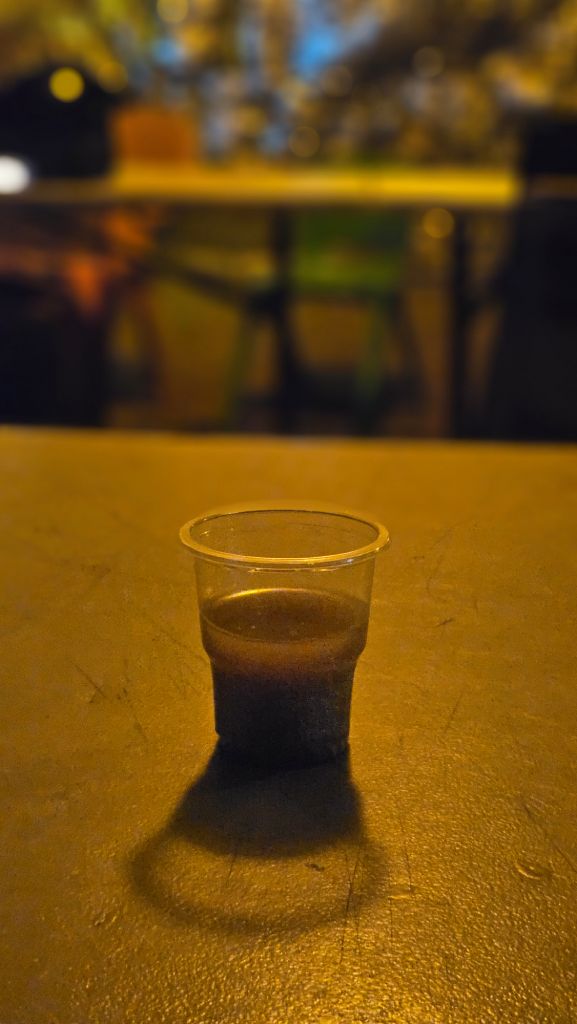
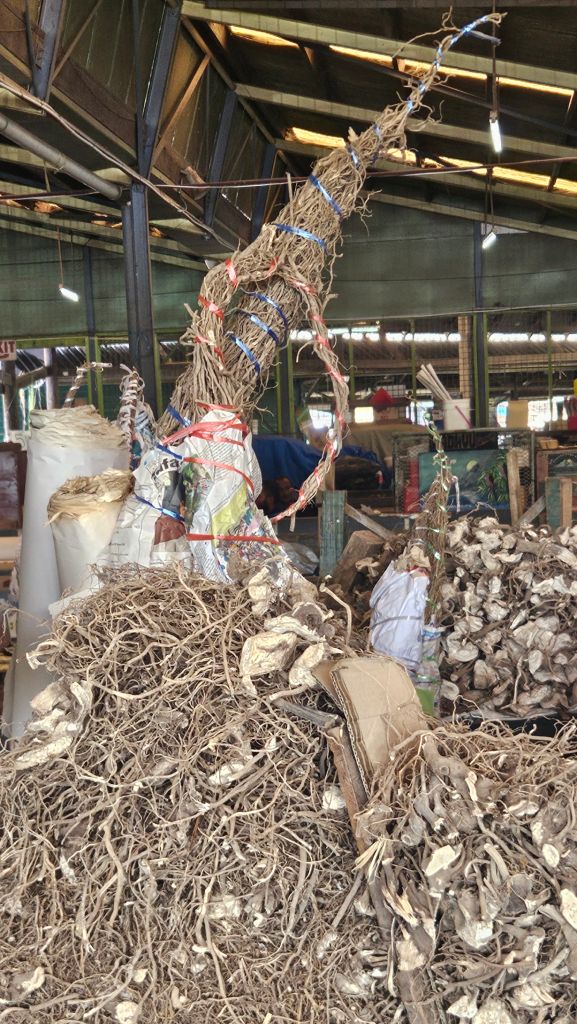
Experienced drinkers could consume up to two liters per night while singing karaoke. I joined a small group of older women, tasted the drink first, and later bought a smaller half-liter bottle. I couldn’t finish it. The taste and texture, resembling wet soil, were unpleasant and hard for me to digest. Besides a numb tongue, I didn’t feel any noticeable effects.
In general, the effect appears as a gentle numbness, first on the tongue and later spreading through the body.
After a long day, it is said to encourage calmness and deep sleep. As the bodies of my friends became relaxed and slightly euphoric, conversations grow calmer and more thoughtful.
The next evening, the hotel security guard prepared the kava, when we gather around a table. The process was similar, but this time we drank from shared coconut bowls. Before drinking, we clapped our hands and said “bula” the Fijian word for hello.
Flight cancellation notice
The day before leaving Nauru, I received a disturbing message titled “Flight cancellation notice”. It came from Nauru Airlines and immediately put me in a very bad mood.
“Due to operational reasons, your flight ON023 from Nauru to Tarawa scheduled for Monday, 9 March has been cancelled. All affected passengers will be transferred to the next available flight on Thursday, 12 March.”
The thought of staying in Nauru for three more days and completely missing Kiribati shocked me. I immediately rode my bike to the airport, but it was still closed. It was Saturday, and no one answered in the call center either. I used the time to analyze possible alternative flights, knowing that Nauru Airways would likely not find one for me.
Stuck in Nauru
My plan was to fly that same evening with Nauru Airlines to Nadi in Fiji, and two days later continue with Fiji Airways to Tarawa, my original destination in Kiribati. After more than an hour of discussion with an officer at the Nauru Airlines office late in the afternoon, we were still at the beginning.
She insisted that Nauru airline could not buy a ticket for another airline, while I argued that I could not stay three extra days in Nauru.
“The cancellation was your responsibility and you have to find an alternative for me.”
I warned her that I would wait in the office until the flight to Fiji would depart. If I wasn’t on it, I would visit the Minister of Tourism the next day. She finally became more engaged and sent an email to her supervisors in Brisbane.
Last-minute flight to Fiji
Less than an hour before the Fiji flight’s departure, the call center phoned me. It didn’t sound promising. They repeated the same message:
“We cannot buy you a ticket from another airline. We can put you on our flight to Fiji, but you will have to buy the ticket to Kiribati yourself.”
“The price is 1,300USD and I am not paying for it. It is your responsibility that you cancelled my flight, not mine!” was my firm position.
After ten minutes of persuasion, the person on the other end finally gave in:
“OK. You buy a ticket and we will reimburse you the money! Just send us the invoice!”
I wasn’t convinced.
“I don’t trust Nauru Airline. Send me an official email confirming this arrangement, and then I will buy it.”
Finally, only 35 minutes before departure, I received an email confirming my flight to Fiji and promising reimbursement for the ticket to Kiribati. I quickly completed the transaction and boarded the plane to Fiji. An unexpected country number 161 that I had never planned for this trip.
Reflections on my visit to Nauru
For most visitors, four days would be far too long on such a small island, as the average stay is only one day. In the end, I spent three days there, which was still more than most and just enough to get to know Nauru.
The content and relaxed residents, who show little desire to emigrate or pursue bigger ambitions, gave me the feeling that Nauru is a pleasant country for its people.
The question remains how the nation will replace income from phosphate mining and whether it will maintain this sense of satisfaction. Rapid tourism growth is unlikely, but in the near future Nauru can at least rely on support from China, after recently establishing diplomatic relations following a long period of cooperation with Taiwan.
Nauru Travel Photo Gallery