My Palau travel summary:
Visited: February 2026
Duration of visit: 5 days
Capital city: Ngerulmud
Population: 17,000 (2026)
Palau travel blog reading time: 9 minutes
Attractions and places I visited in Palau:
- Scenic snorkeling among coral reefs on Rock Island.
- Road trip on Babeldaob and bizarre capital Ngerulmud without permanent residents.
- Searching for a dentist instead of scuba diving.
- Exploring Koror on foot and hitchhiking when distances were too long.
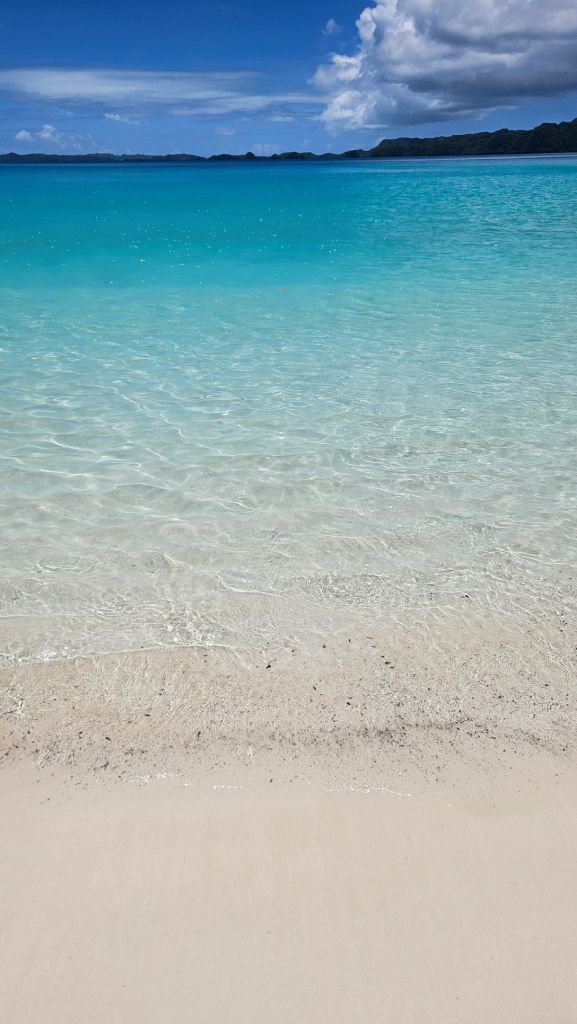
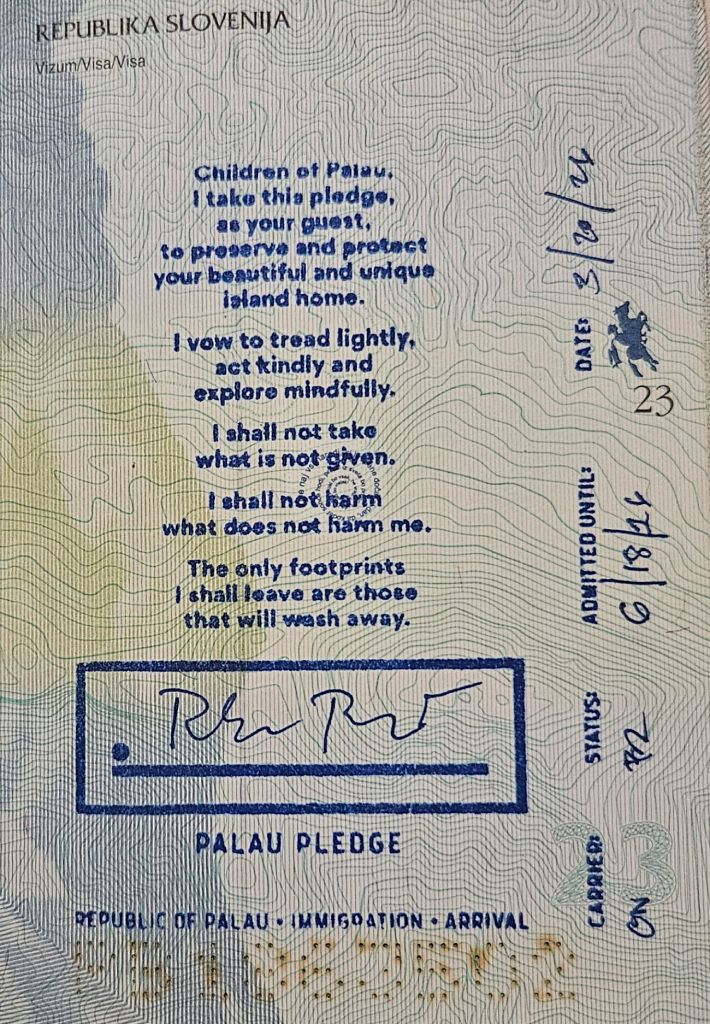
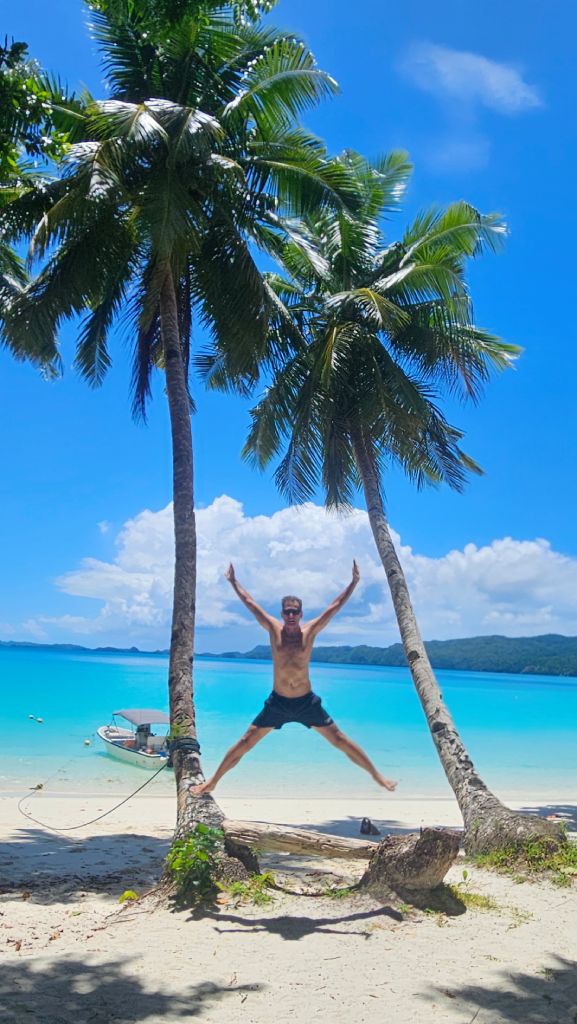
Palau is a unique country that aims to present itself as a special tourist destination in every way. From the moment I arrived at the airport, the experience was special. The passport stamp covered an entire page, and I had to sign a pledge to respect and protect the environment in my passport.
With around 17,000 inhabitants spread across 466 km² and about 340 islands, tourism plays a crucial role. It contributes nearly half of the country’s GDP and creates many jobs, making the preservation of its marine ecosystem especially important.
My plan was to spend five days in Palau, combining snorkeling, diving, renting a car to explore Babeldaob island, and walking around Koror.
Walking away from a 30USD taxi
When I asked the hotel about a free shuttle from the airport, 10 kilometers away, they directed me to a taxi service.
“30 USD is the price from the airport to your hotel,” was the message from the cheapest taxi provider.
“That seems a lot for just 10 kilometers,” I replied.
“Fuel is expensive, I won’t lower the price,” was the final answer.
With enough experience from five previously explored Pacific islands on this trip, I felt the price was too high. So, I decided that after landing, I would simply walk to the main road and intent to get a lift toward town.
Hitchhiking kindness in Palau
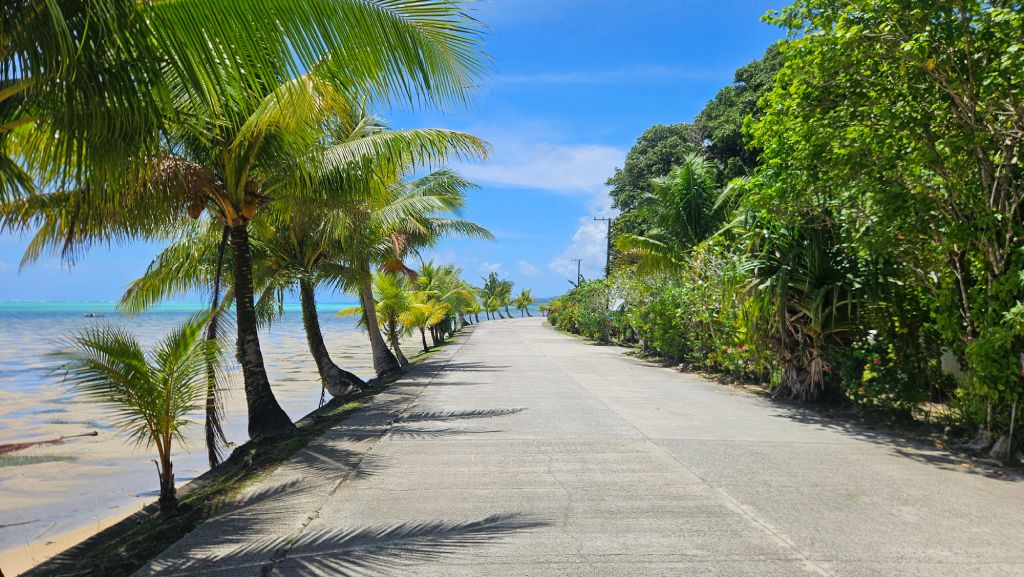
It felt quite strange standing by a perfectly paved road with almost no traffic. Let my Palau travel adventure begin.
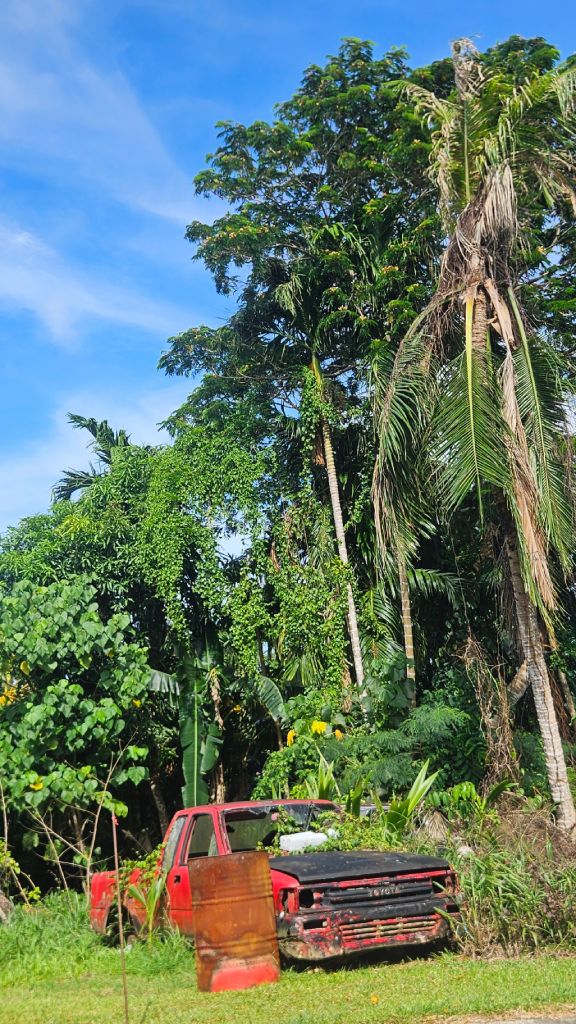
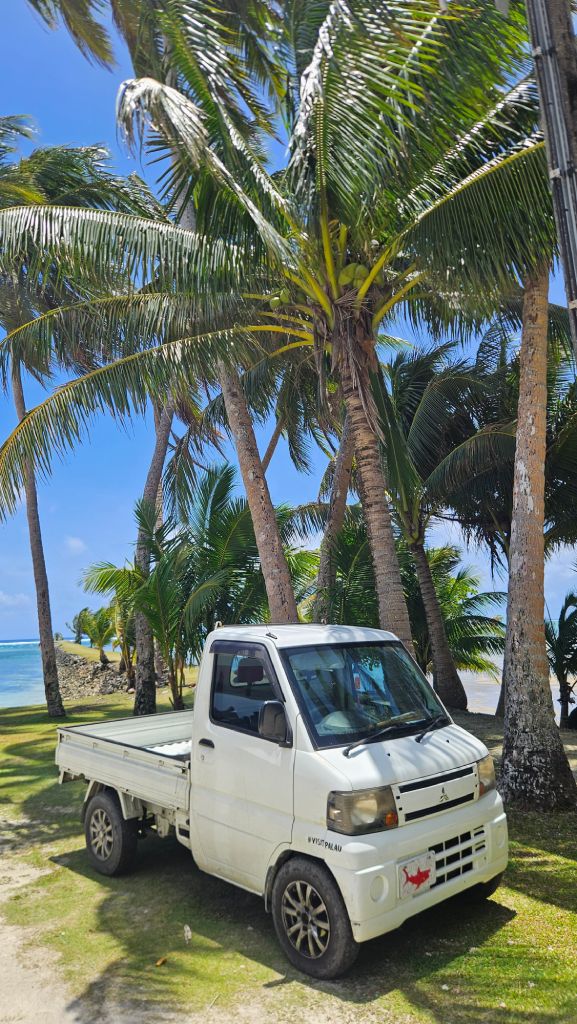
A car passed every couple of minutes, and the fourth one already stopped. A friendly man named Edwin, with a mouth full of betel nut mix, could barely speak. He kindly offered me a ride to Koror. He mentioned, that we would first stop at a shopping mall where he had some business to do.
“In the meantime, you can go to the supermarket and get something to eat,” he suggested.
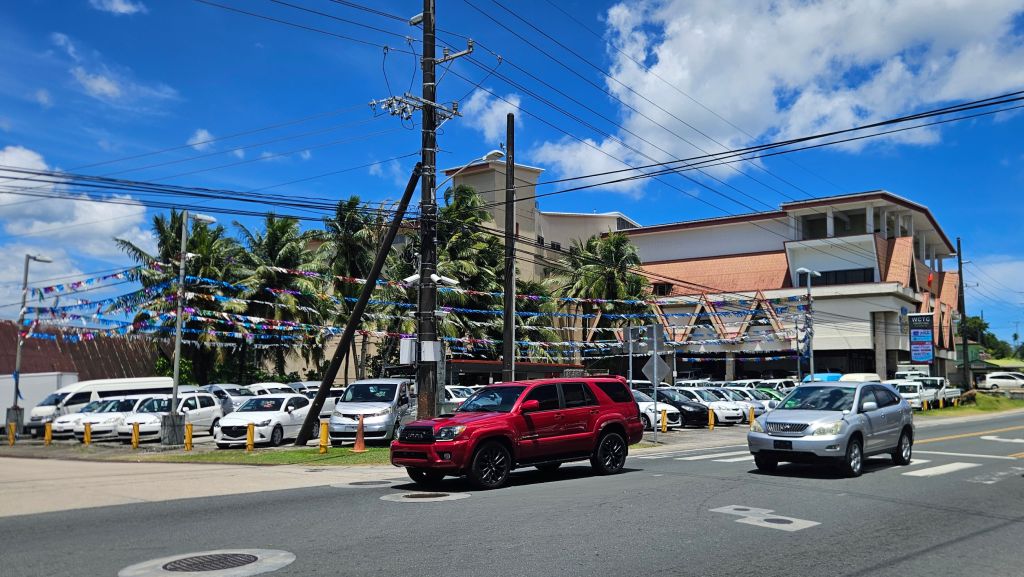
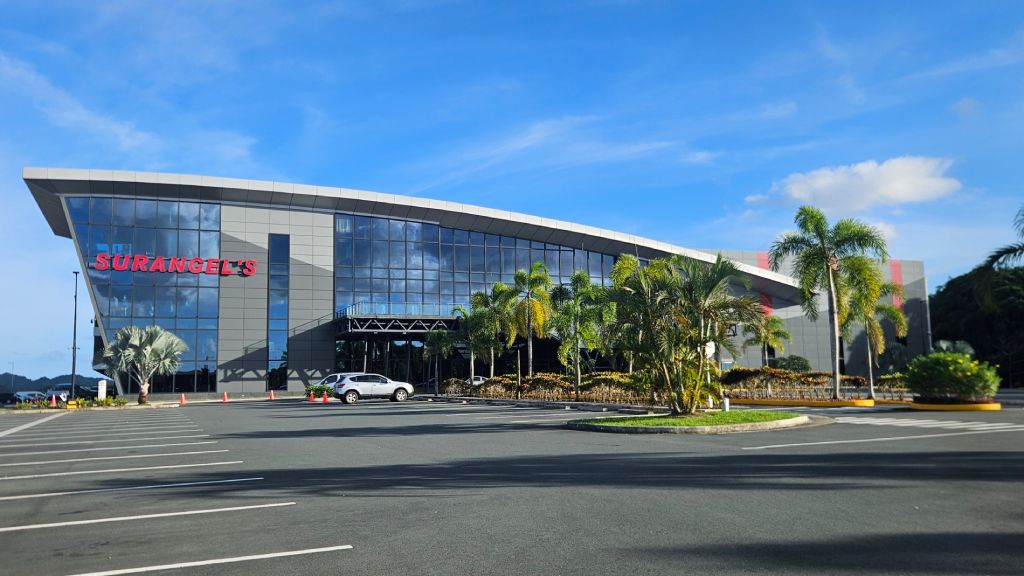
I couldn’t believe my eyes when I saw the modern shopping mall, Surangel’s Supercenter. Something I hadn’t encountered on any island since leaving Australia.
Later, I learned that the mall was built by the Whipps family, one of the wealthiest in Palau. The founder’s son became President of Palau in 2021. Is it a coincidence? Not really. In such a small country, it is common that influential families play key roles in the government.
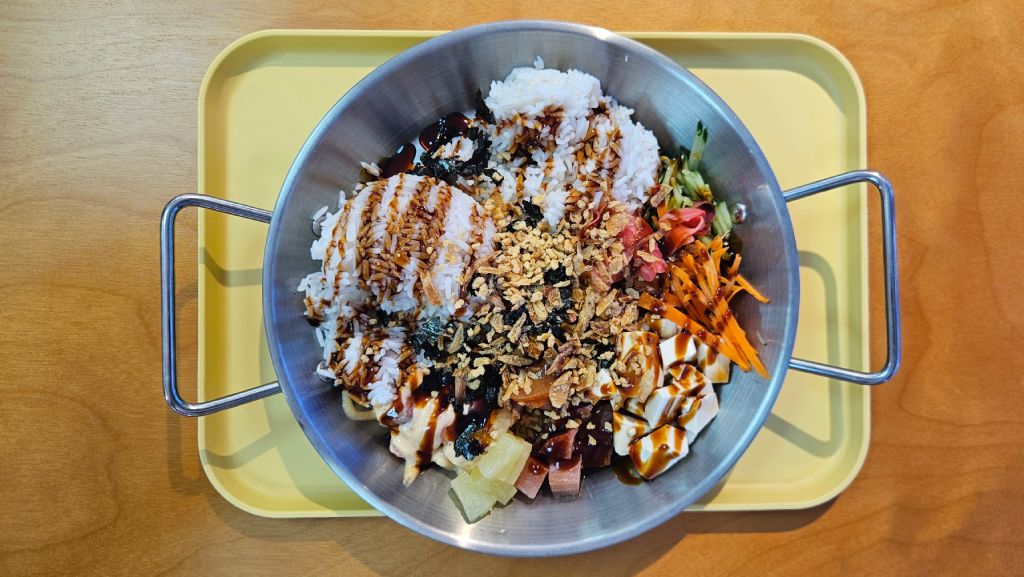
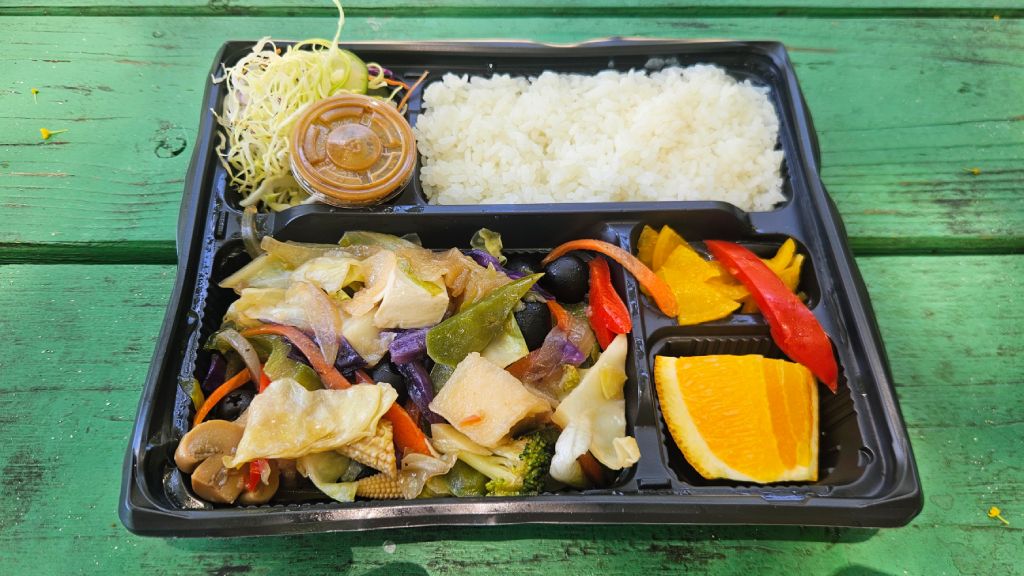
At a supermarket I chose a warm meal from a self-service counter, a common lunch option in Palau. Cheap bento boxes are much more affordable than an average restaurant meal, which can be quite expensive.
Edwin didn’t just drop me in Koror; he drove me directly to my hotel. That’s when I realized how kind and helpful the locals are. Later, I hitchhiked several times and never had to wait more than a few minutes. Friendly drivers always took me exactly where I wanted to go, even if it meant going out of their way.
Exploring Koror on foot
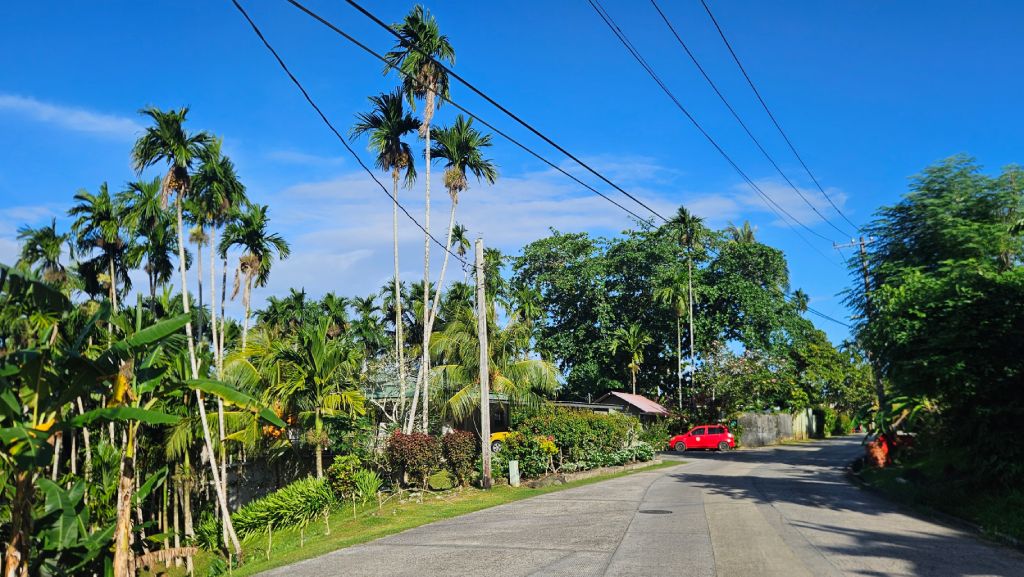
Most of the population lives on the island of Koror, which is also the main urban center of Palau. Despite small population (13,000), the town spreads over a large area, making it difficult to explore on foot. I didn’t find functional public transport nor taxis available on the streets. Therefore, getting around without a car was challenging.
It seems that most people have their own vehicles or rely on company transport. I rented a car for one day, but for the rest of my stay, I walked or hitchhiked. Fortunately, Palau feels safe from stray dogs, and I never felt threatened. The few more aggressive ones were usually chained, reflecting a more organized and safety-conscious approach compared to many other Pacific islands.
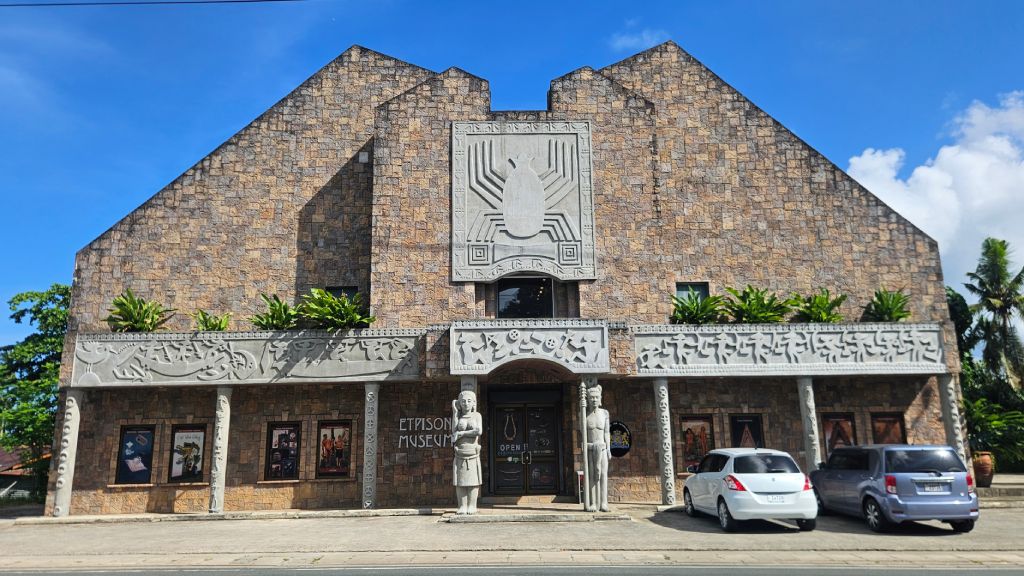
Two main places to visit (attractions) in Koror are Belau National Museum and Etpison Museum. I only viewed them from the outside, as the entrance fees seemed too high for what they offered. Having visited many of the world’s major museums, I didn’t feel it was worth paying 15USD for the entrance.
Palau has a mix of American, Japanese, and Taiwanese influences, most visible in its restaurants and supermarket offerings.
It’s hard to define a traditional Palauan cuisine, and even harder to find it in local restaurants. Majority of restaurants offer Chinese, American or Japanese food.
I experienced the best local atmosphere at the Friday night market. Around 15 stalls offered freshly prepared food and drinks. While the food wasn’t exceptional, the vibe was warm and lively. A live band played on stage, and older women joined the singer, gently moving with the music.
Sacred bai and a deserted Palau Capitol
To explore the island of Babeldaob, I rented a car for just 35USD. Although driving is on the right side, many vehicles have the steering wheel on the wrong side – the right. While there was still some traffic in Koror, it quickly disappeared after crossing the bridge.
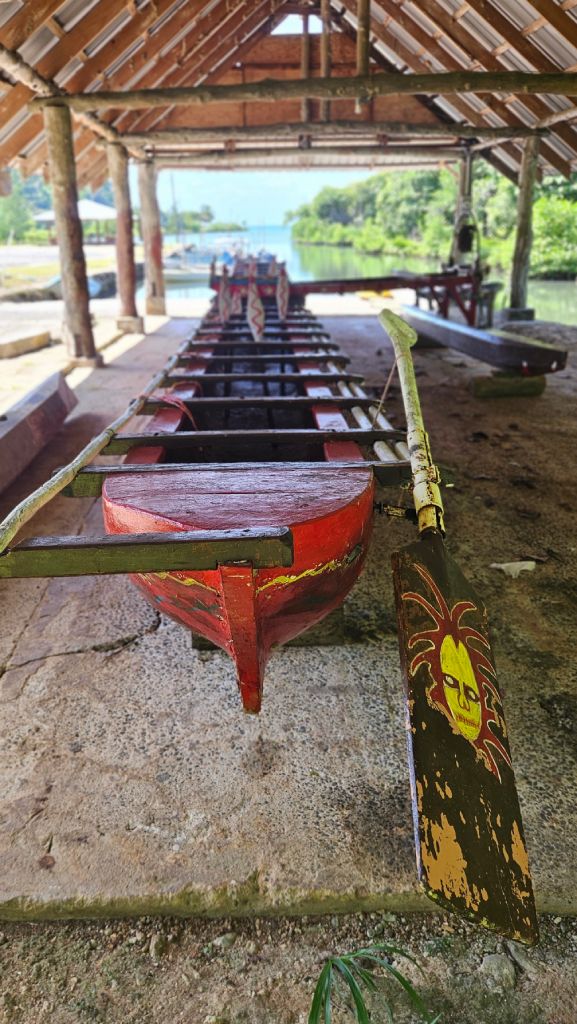
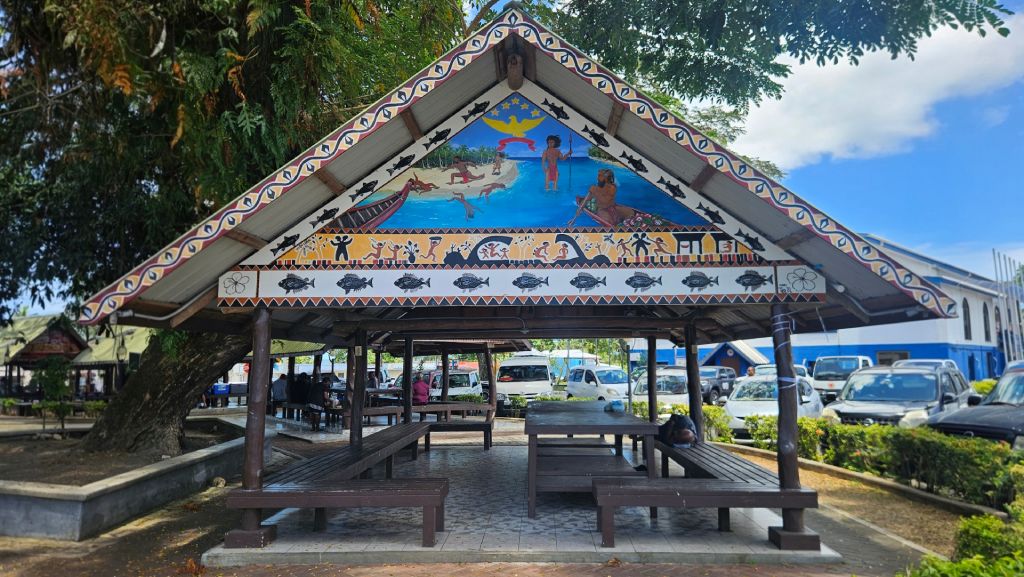
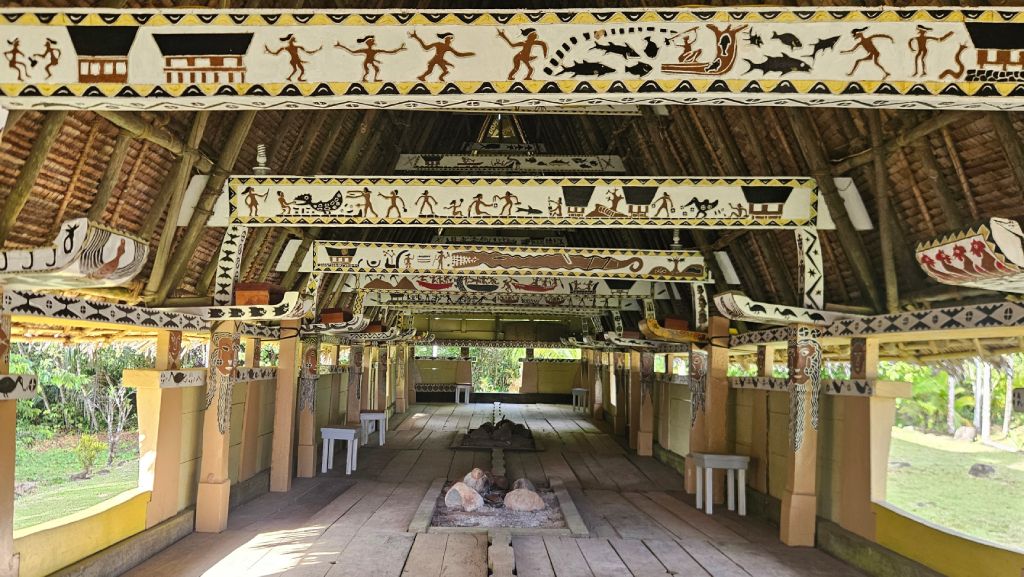
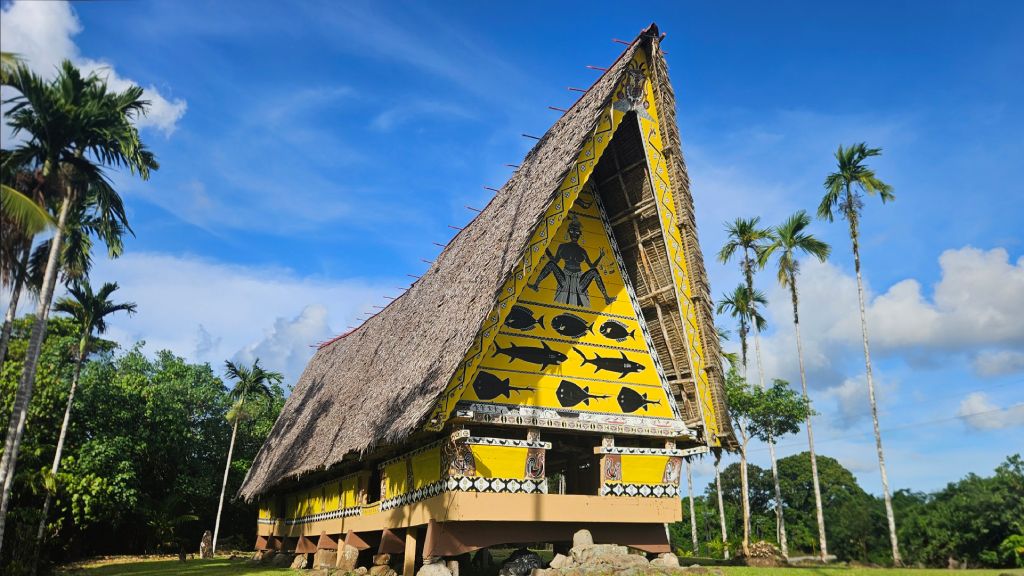
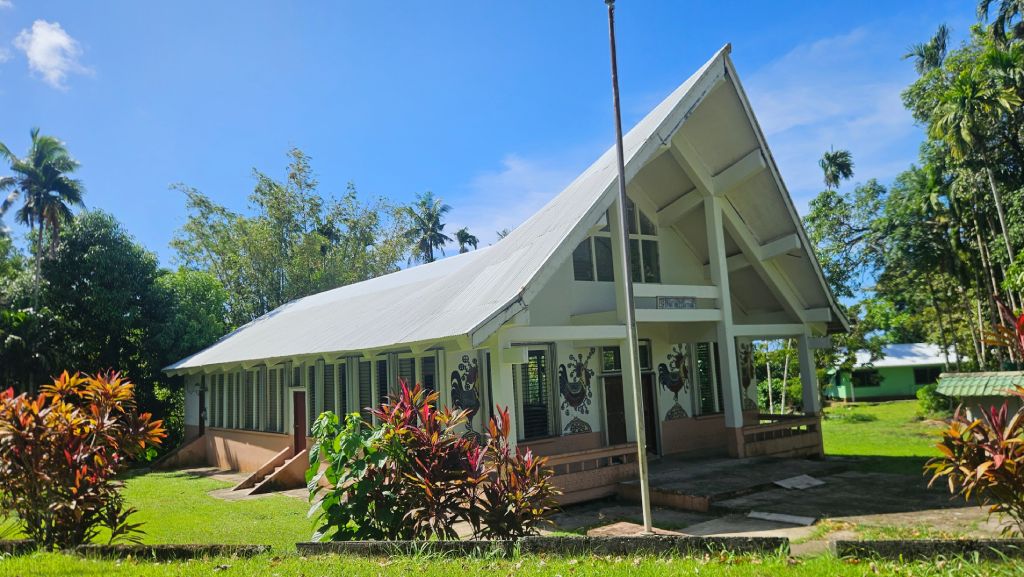
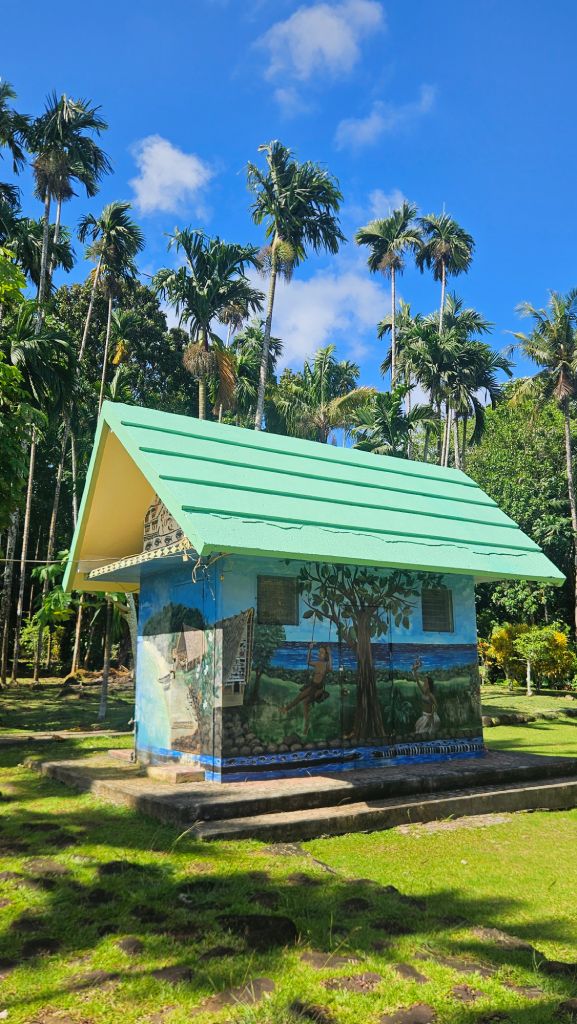
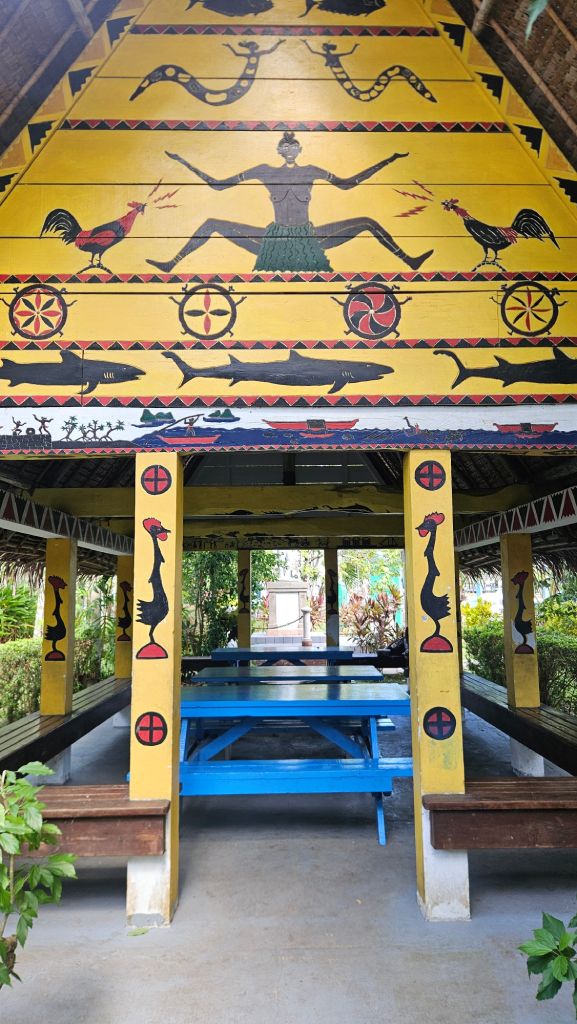
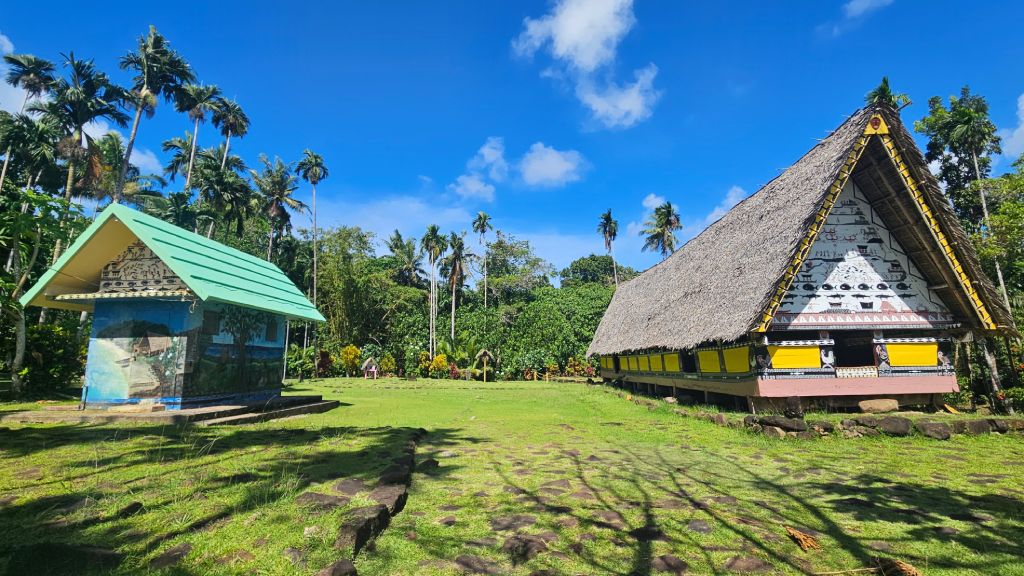
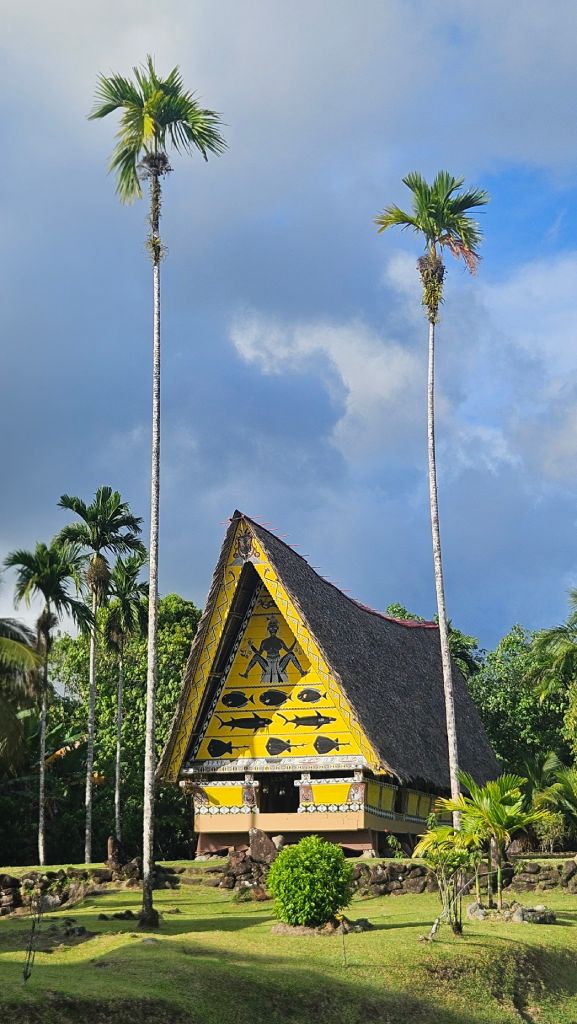
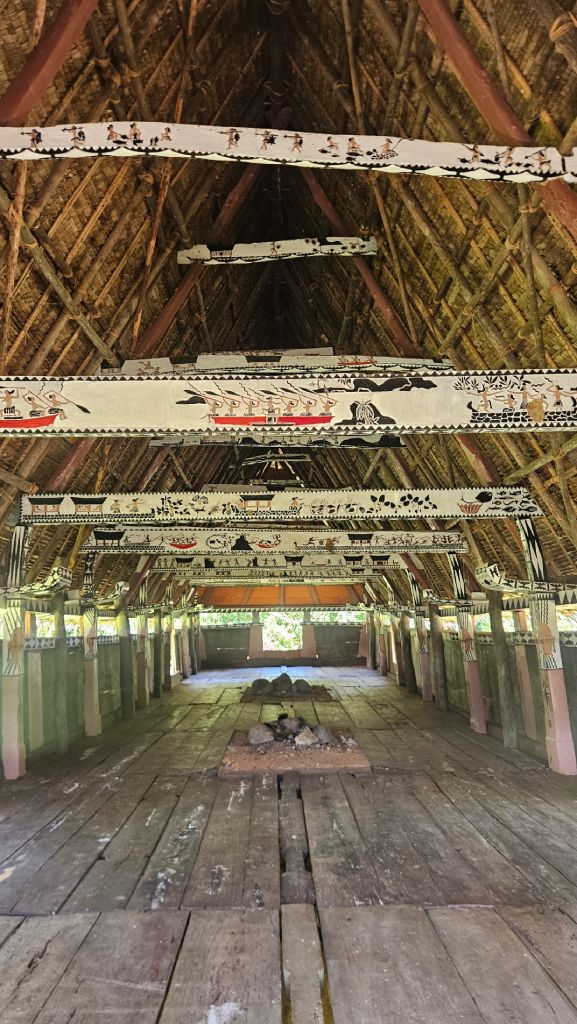
In one day, I covered more than 200 kilometers, stopping at a few scattered attractions but mostly improvising along the way. My first stop was a traditional Palau bai in Airai. They still serve as sacred gathering places and remain important symbols of Palauan identity and heritage, carefully preserved and surrounded by lush tropical vegetation.
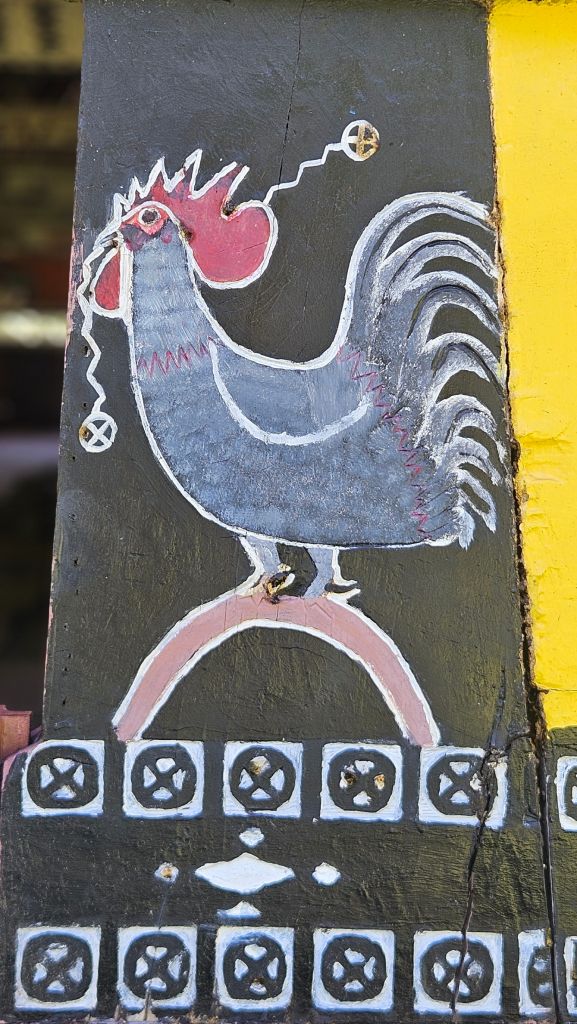
On that Saturday morning, there were no officials around – only workers maintaining the grounds. I wandered between three wooden structures, the largest measuring about 20 by 6 meters, rising up to 12 meters at its peak. The painted beams featured traditional motifs like roosters, fish, bats, and birds. Throughout the day, I passed several more bai along the road.
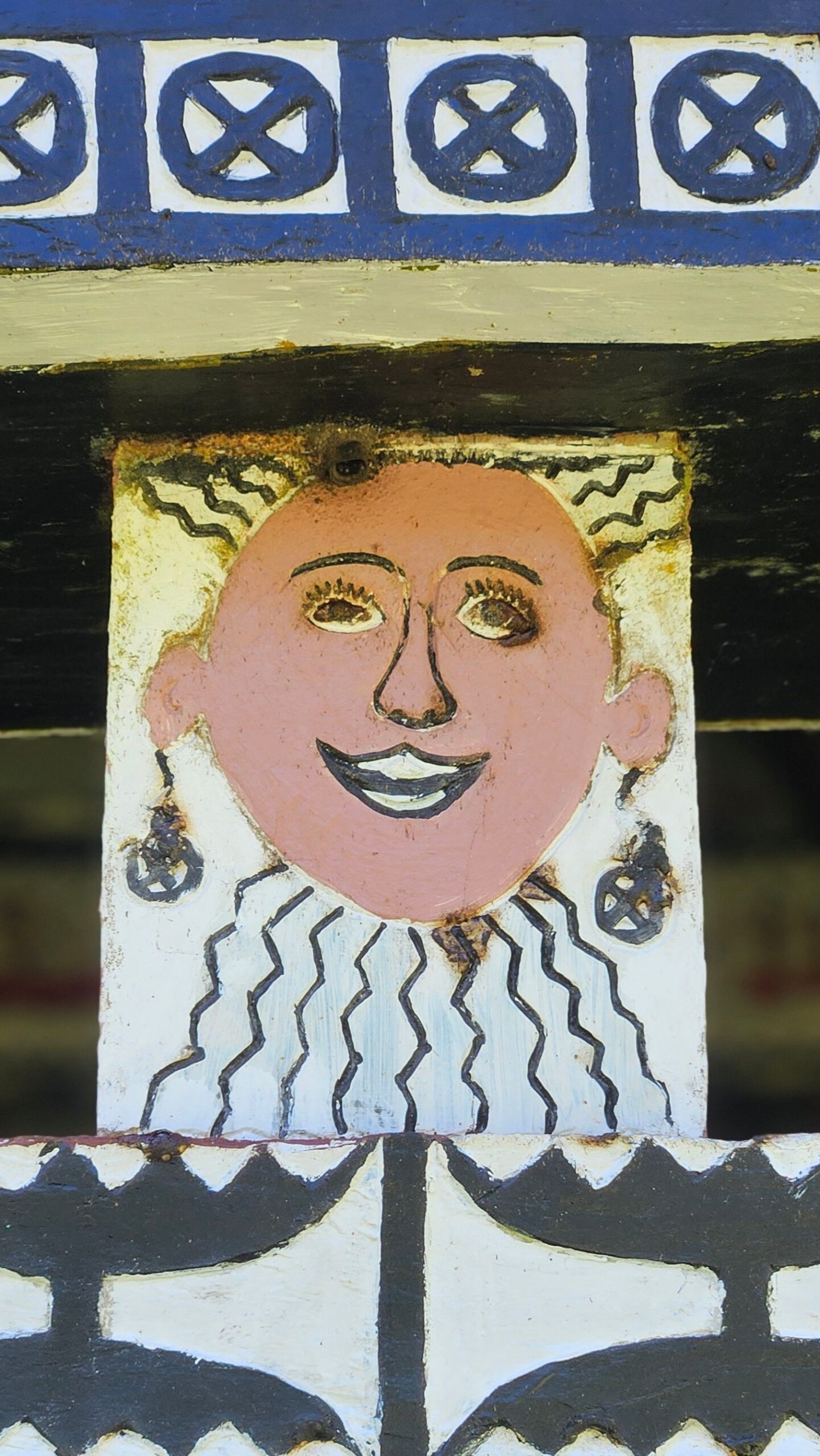
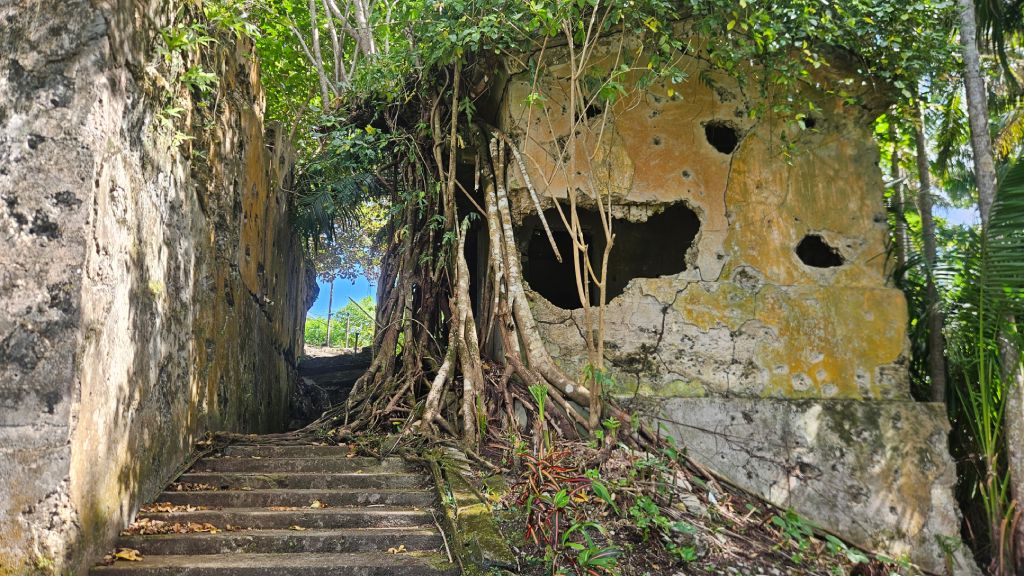
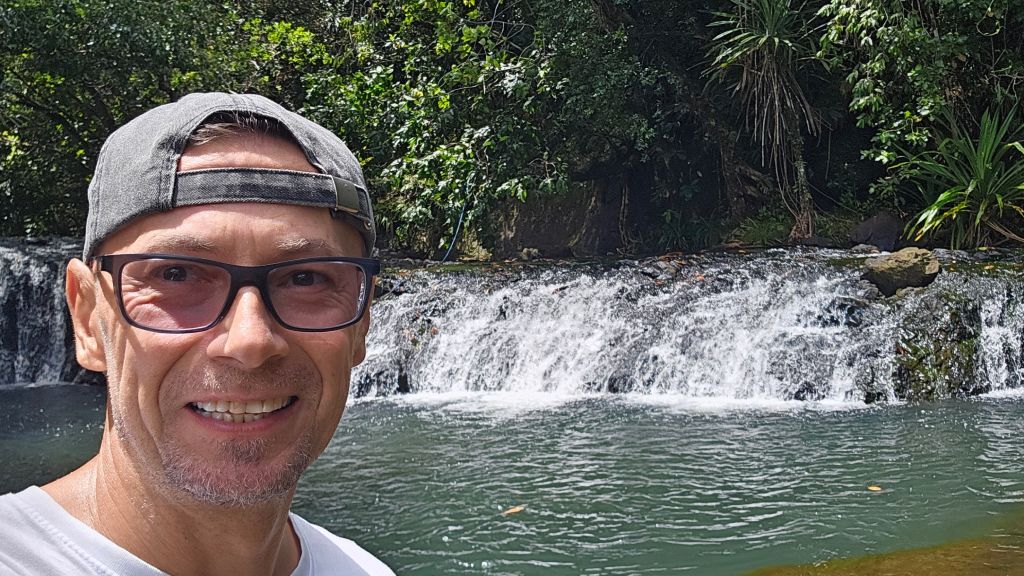
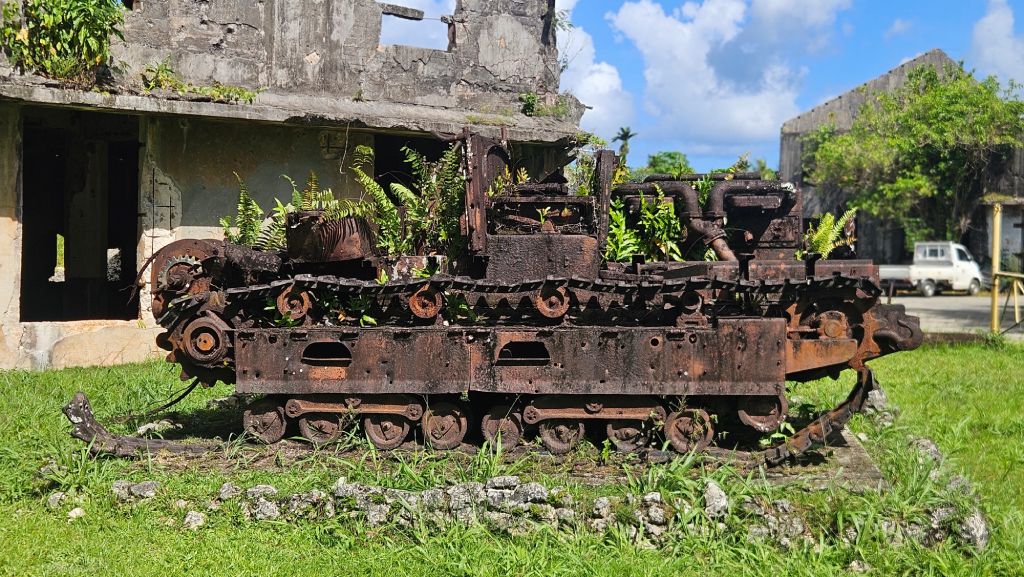
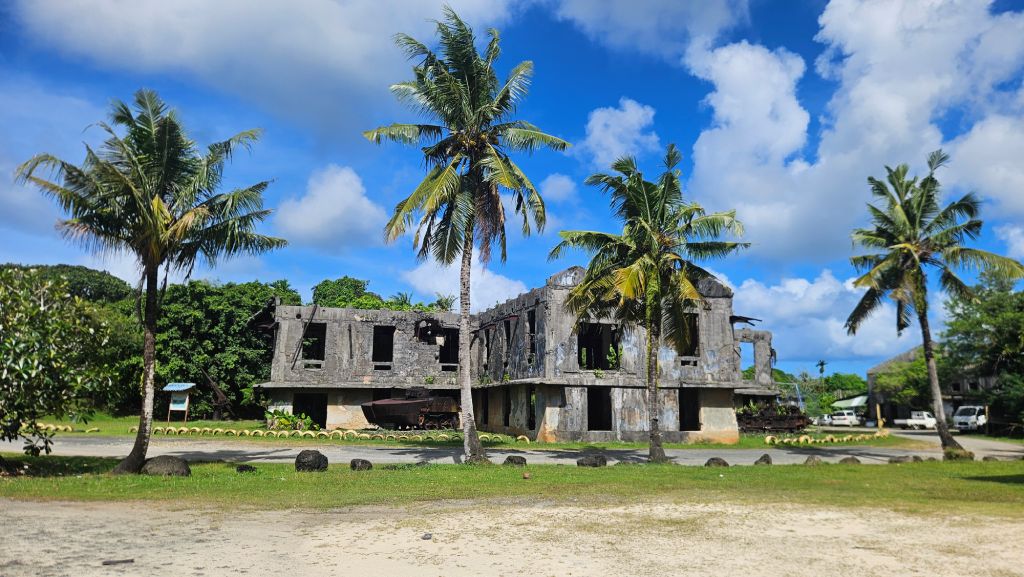
Later, I stopped at remnants of the Japanese army from World War II, a few waterfalls, and a lighthouse on the island’s northern end.
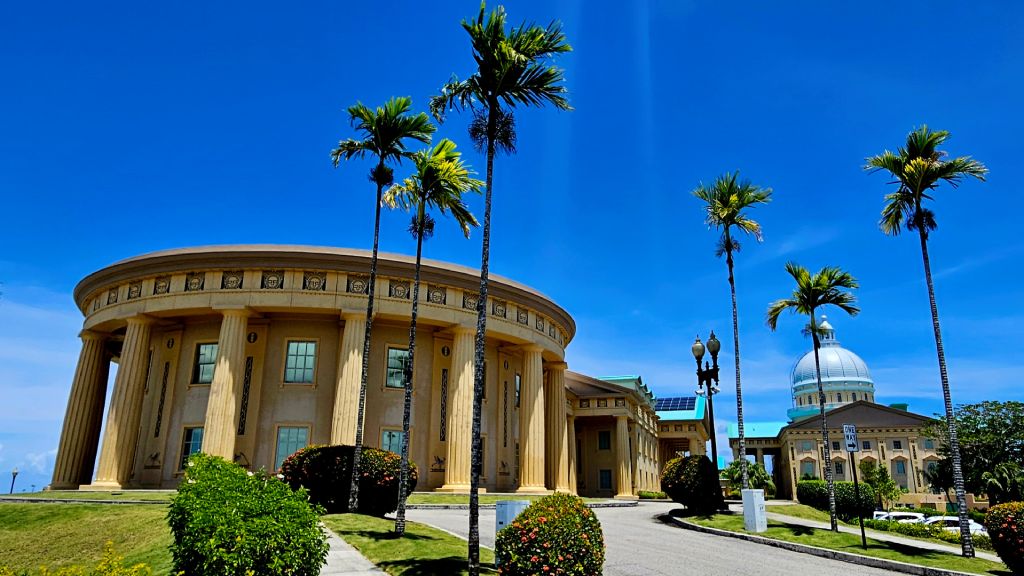
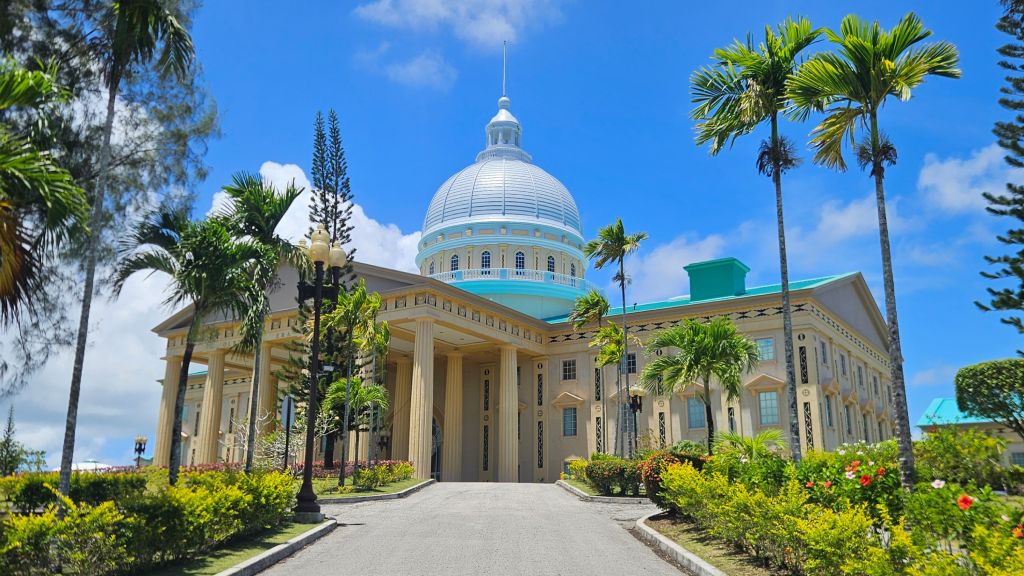
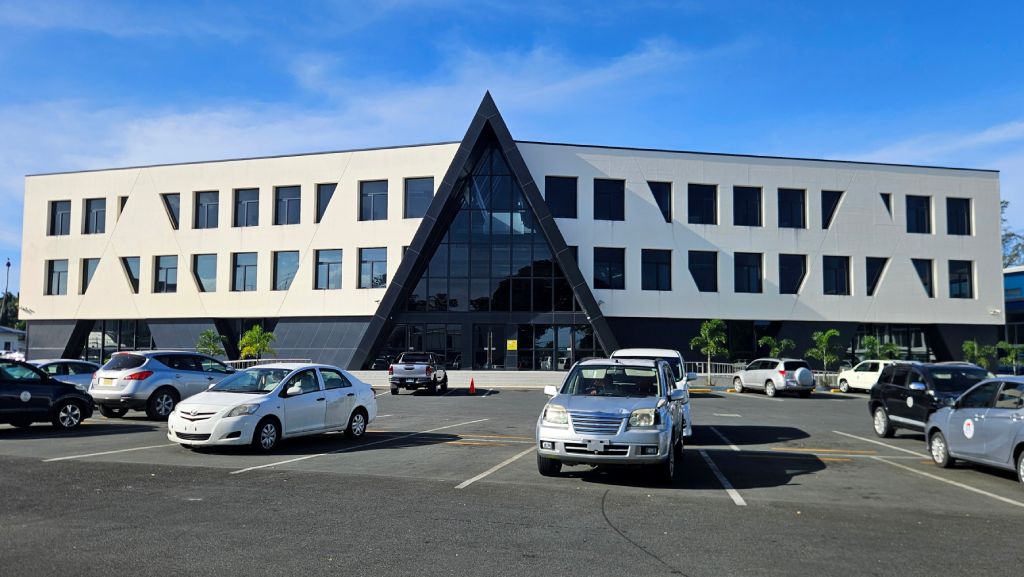
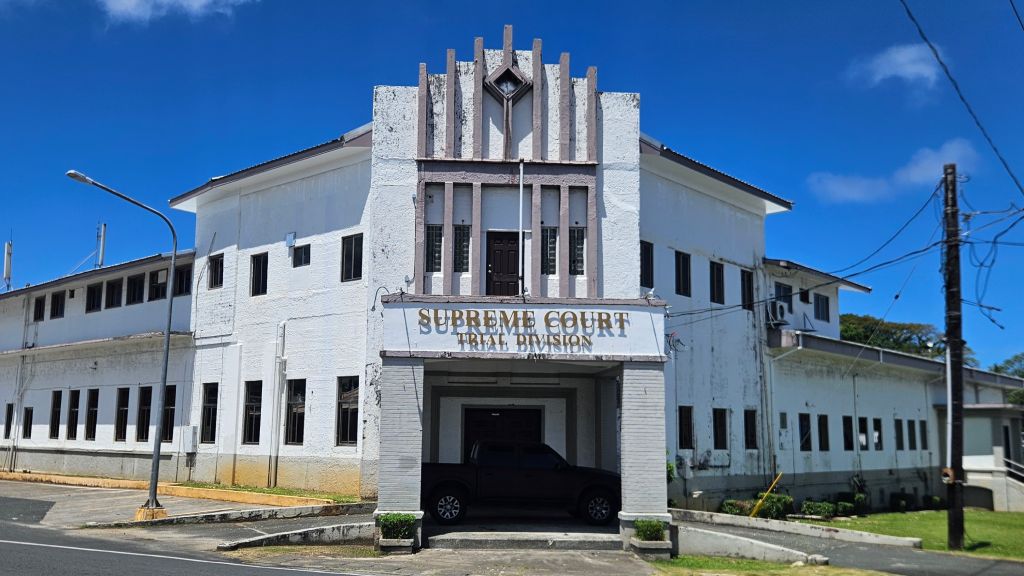
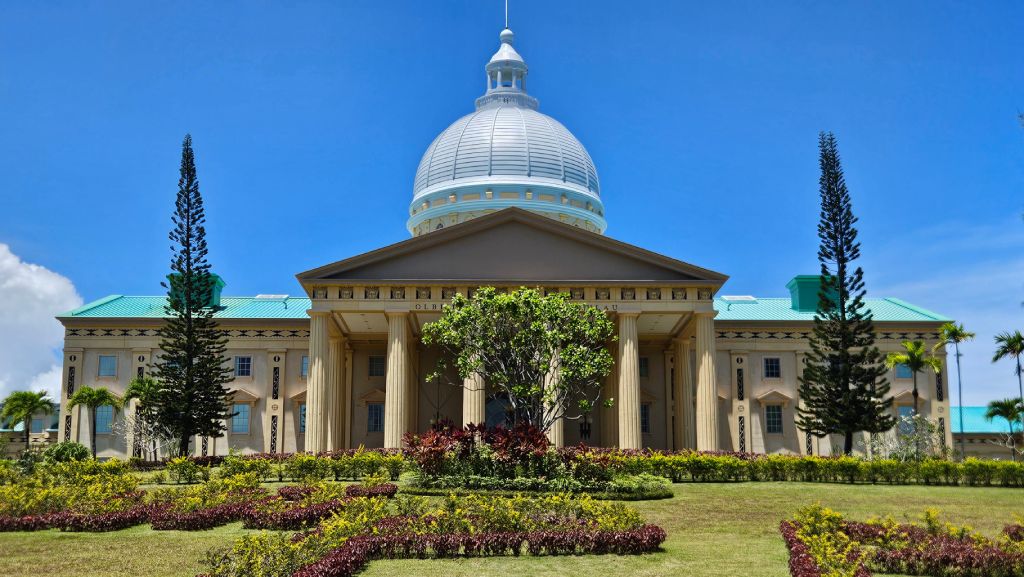
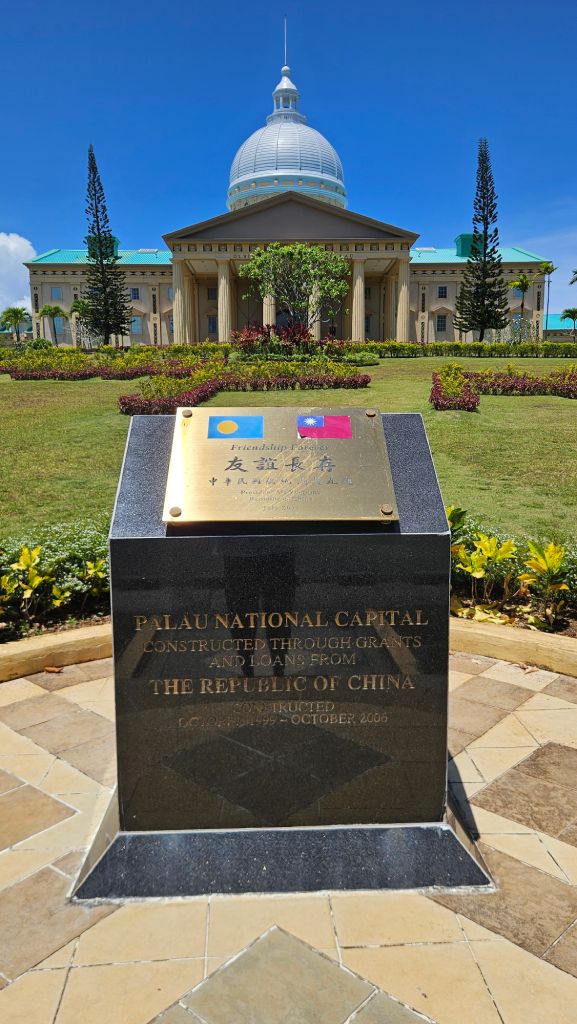
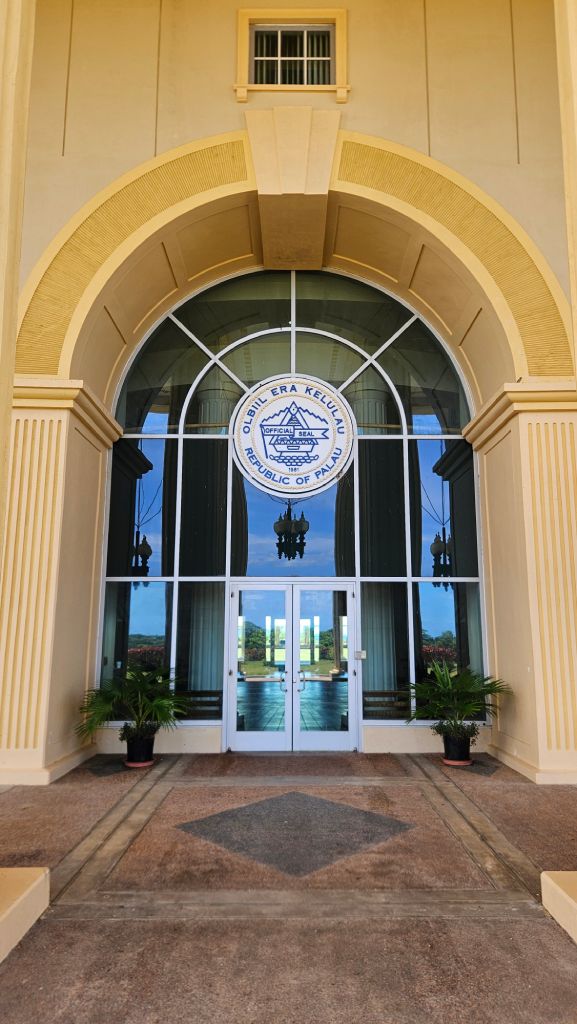
I eventually reached a ghost town, Ngerulmud, the official seat of government, which replaced Koror as the capital in 2006.
It houses the National Congress, Supreme Court, and the presidential office.
The place felt completely deserted; no people, no traffic. The oversized complex seemed oddly out of place, like it had been dropped into the middle of nowhere. For such a small country, the scale felt excessive and disconnected from reality. Unlike planned capitals such as Canberra or Brasília, Ngerulmud felt disconnected and lifeless. Even Yamoussoukro appears more logical and vibrant in comparison.
Officially, Ngerulmud has no permanent residents, which only reinforces the sense of how impractical the project feels.
Rock Islands trip
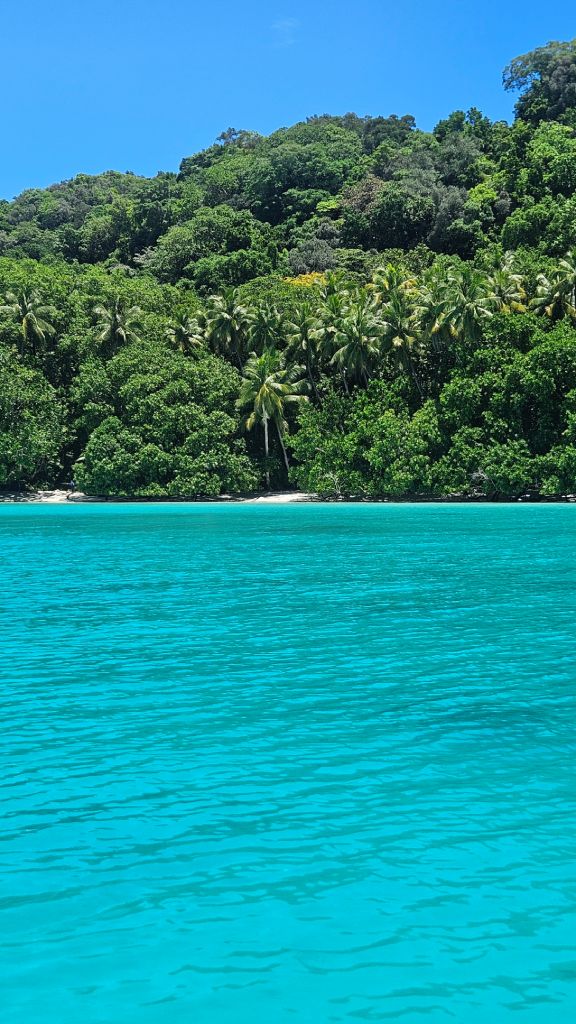
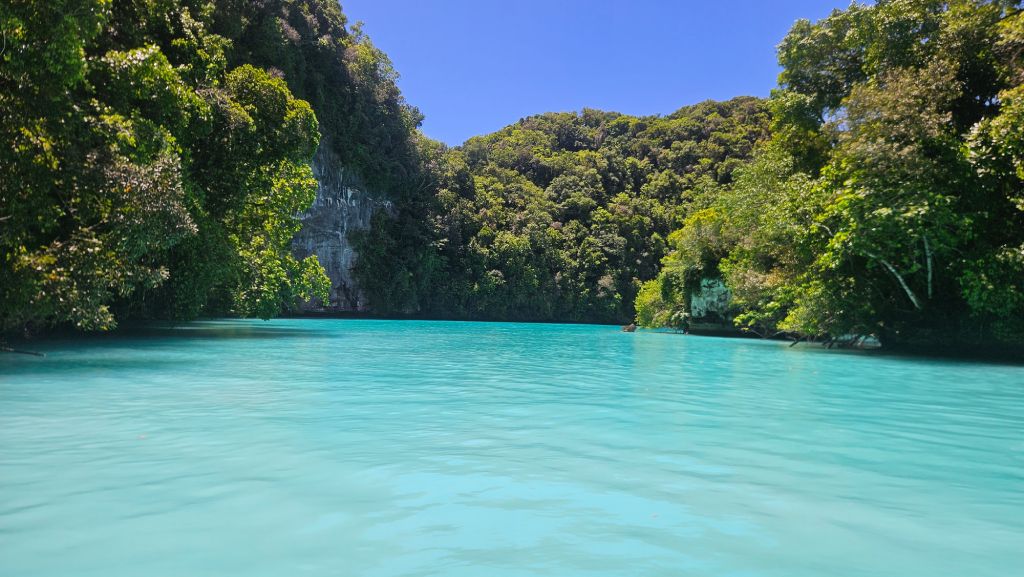
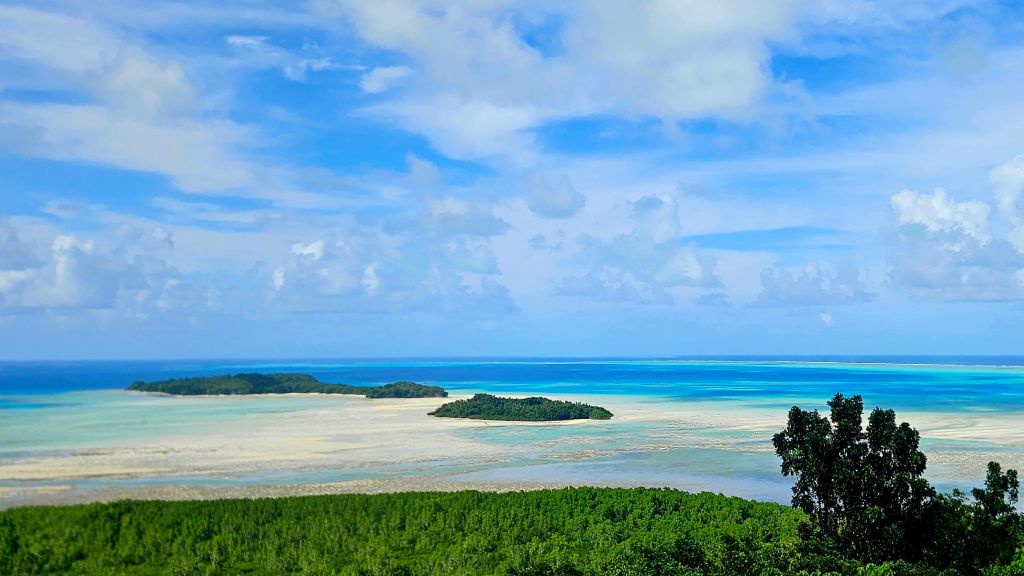
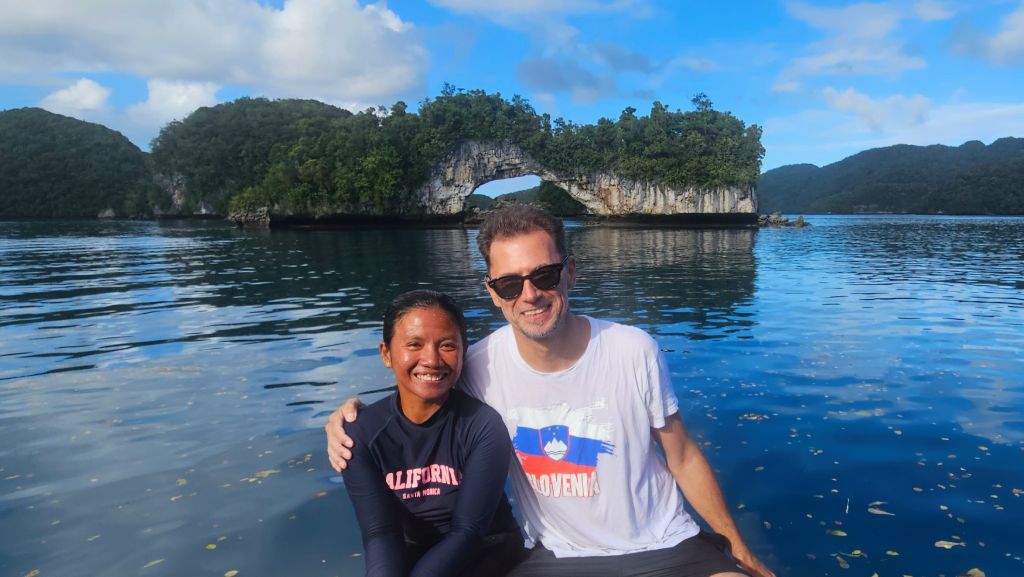
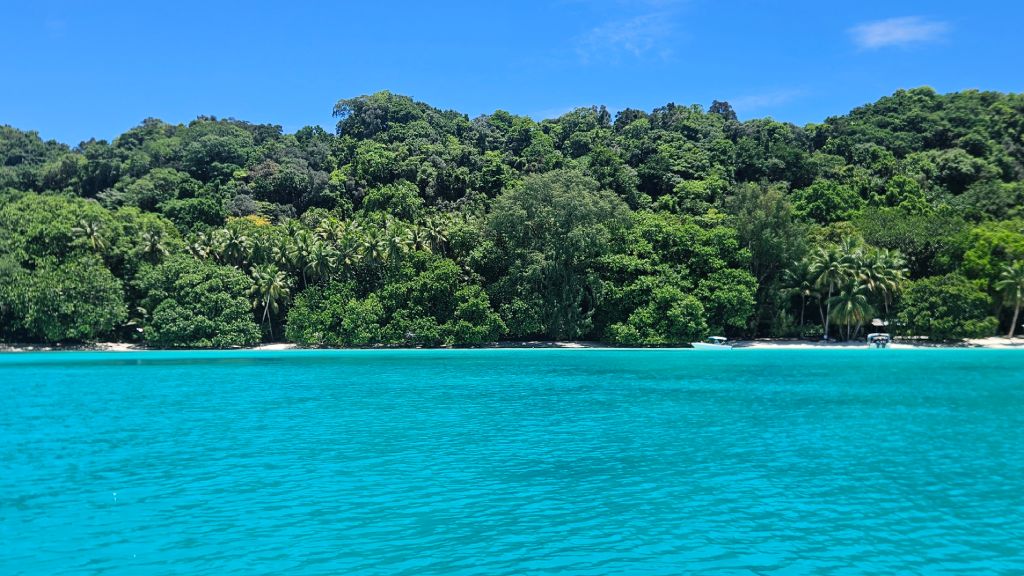
The Rock Islands are the country’s top landmark – a UNESCO World Heritage Site made up of 445 uninhabited limestone islets, famous for their unique mushroom shapes.
Exploring turquoise lagoons, snorkeling, and diving among rich marine life are the main highlights. Most trips are organized through agencies, and many require expensive permits. I decided to skip some options, as kayaking and especially Jellyfish Lake didn’t justify the high cost.
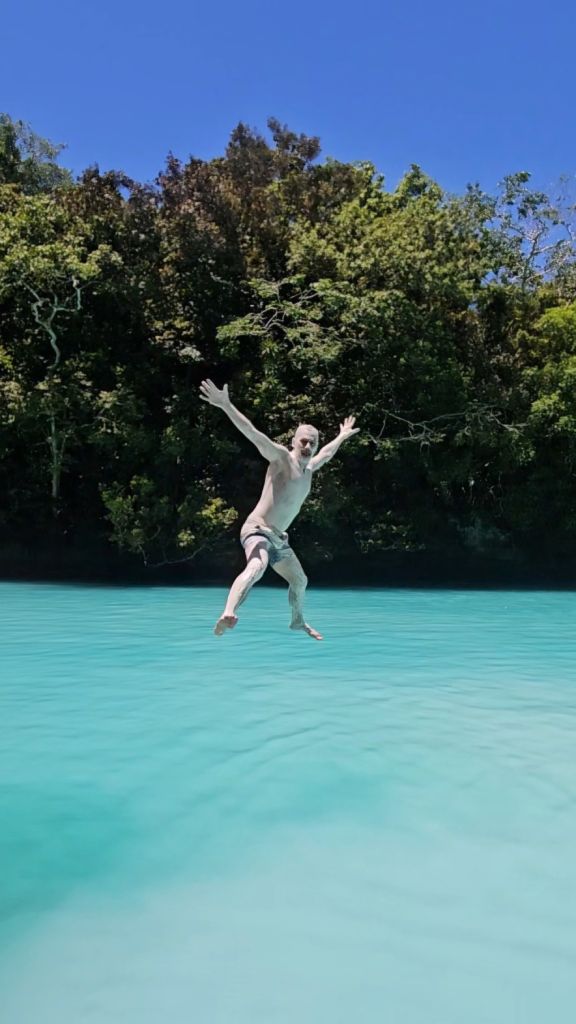
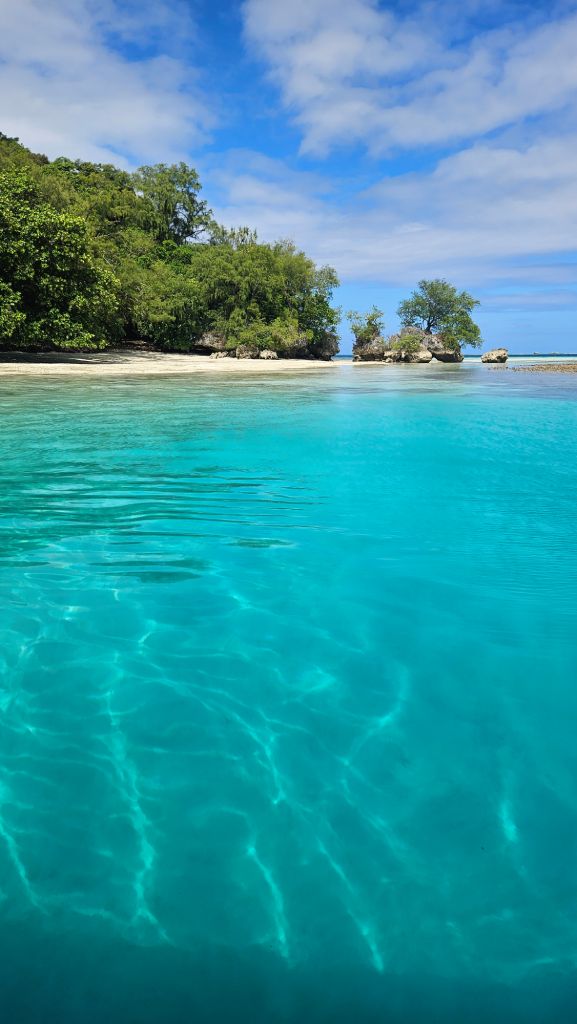
My one-day tour included snorkeling at four different sites, lunch on a beautiful beach, and a stop at Milky Way Lagoon. The experience was spectacular. Each snorkeling spot felt different. Colorful corals lay just beneath the surface due to low tide, often less than a meter below me. The underwater world was full of life, with plenty of fish, as well as a turtle and sharks.
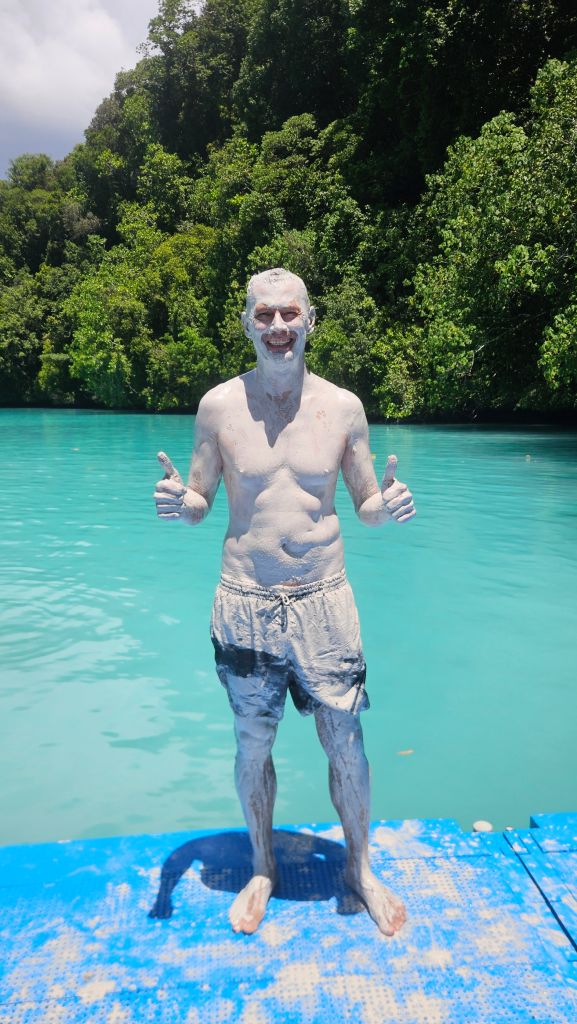
At Milky Way Lagoon, we covered ourselves in soft white mud formed from the surrounding limestone. The guides dived about three meters down to collect it from the seabed. Smooth and creamy, it’s believed to have healing properties. More than anything, it was simply fun to smear it all over our bodies, even in our hair.
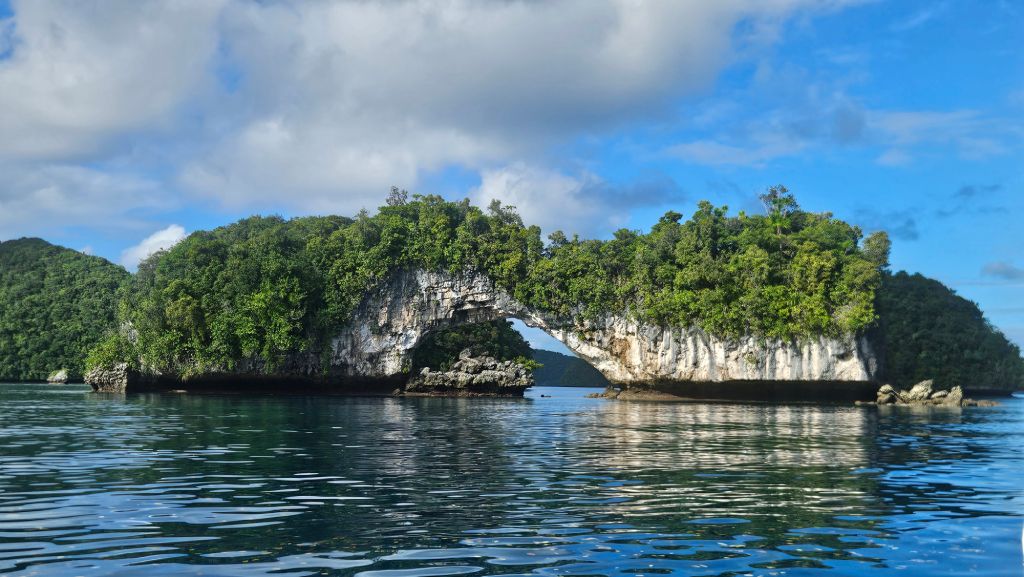
We ended the day at the Natural Arch, an iconic limestone formation turned into another popular places to visit
People of Palau clearly know how to showcase its natural beauty, though often at a very high price.
In search of a dentist instead of scuba diving
Although I’m not a particularly passionate diver, I also planned a day for scuba diving during my Palau travel adventure. I had completed PADI course years ago on Roatán, but since then I’ve mostly explored the underwater world through snorkeling.
Still, I felt that Palau would be the perfect place to refresh my skills and finally do a few proper dives again.
After two days of communication with several dive agencies, I found an option that suited my experience: a refresher dive followed by two or three fun dives at some of the best sites. Everything was arranged, including an early morning pickup.
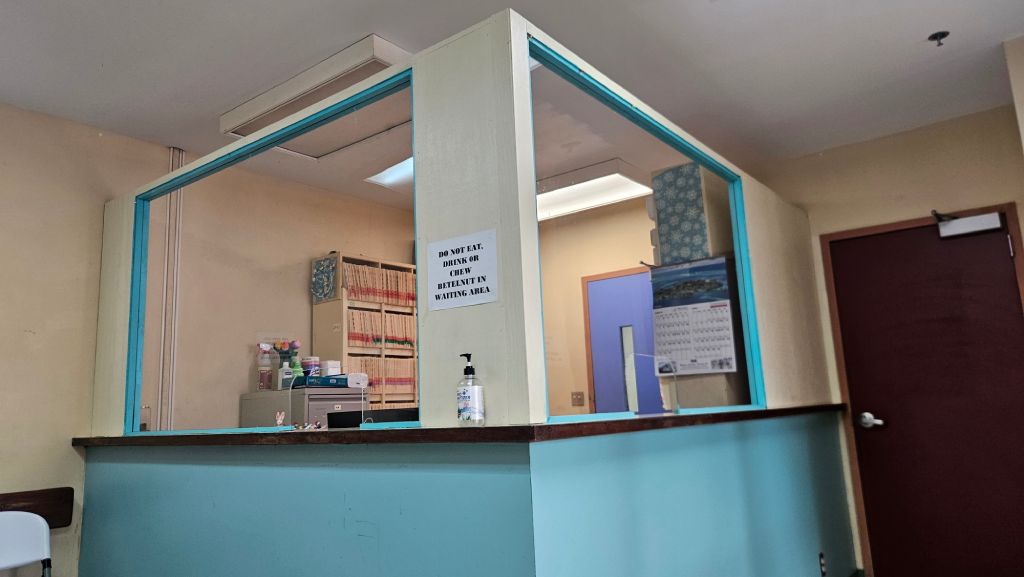
But the night before, a sudden and intense toothache changed everything. I took a painkiller, but the pain didn’t ease and lasted through the entire night. After barely sleeping, I analyzed the risks and realized that diving with a toothache is not recommended. By 5:00am, I had canceled the trip. Instead, my mission was to find a dentist.
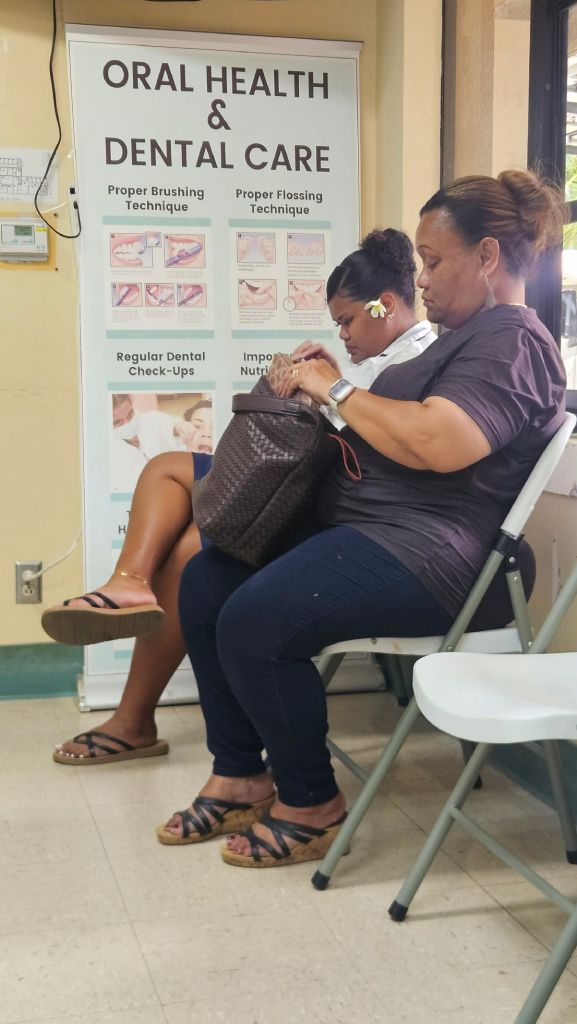
In a country where many locals suffer from poor dental health due to widespread betel nut chewing, I didn’t expect top-level treatment. At the first clinic, the dentist explained they weren’t accepting patients that day, because the assistant was away for training. Still, she kindly spoke with me and made a brief check, but couldn’t identify the exact source of the pain. She prescribed painkillers and, surprisingly, didn’t charge me anything for her services.
Inside Palau’s healthcare system
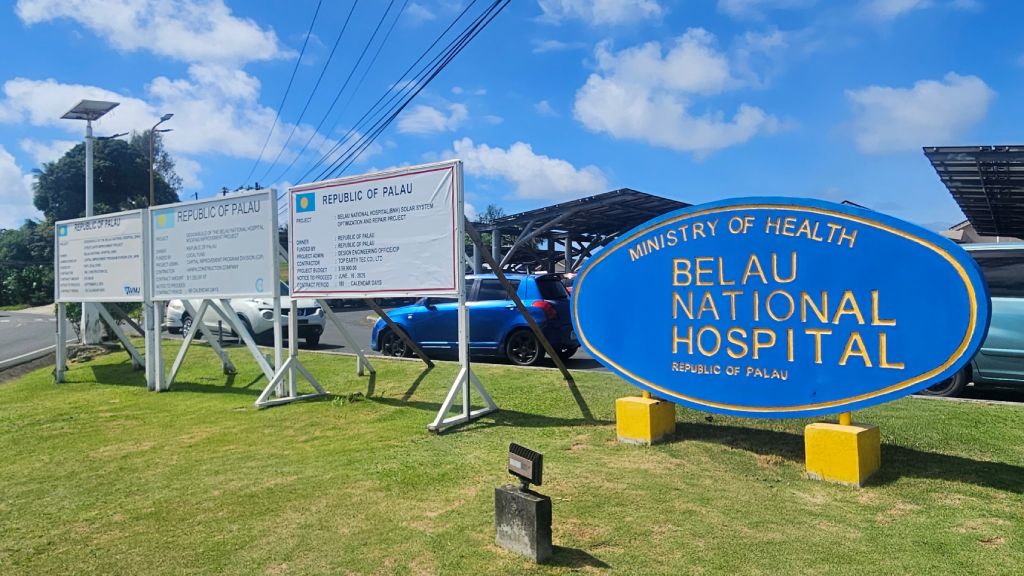
My next stop was the main hospital, Belau National Hospital, on the island of Meyuns. I didn’t want to walk in the heat, so I asked a young man for a ride. He immediately offered to take me there. When I arrived, it was lunchtime. Instead of eating, many employees were chewing betel nut, kindly explaining me with their full mouths that they preferred it over food at midday.
I registered in the central healthcare system and, based on my prescription, received painkillers for just 5USD. The system and administrative process were well organized, with no crowds anywhere.
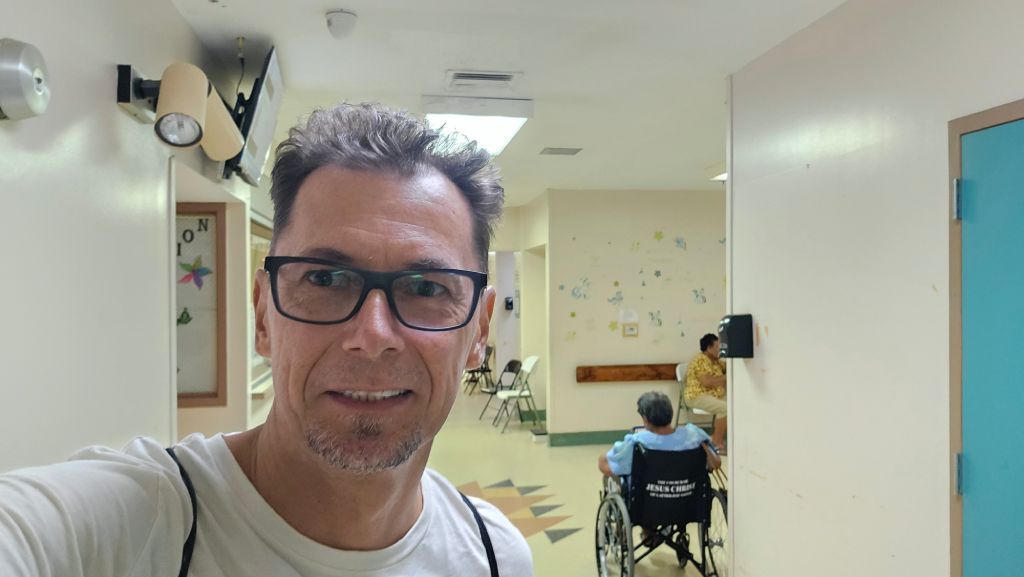
After the lunch break, I was quickly admitted to the dental clinic due to my pain. A friendly nurse took an X-ray, but even the dentist couldn’t determine the source of my toothache.
“On the X-ray, I can see spots around one tooth, which may indicate inflammation,” she explained.
She prescribed me antibiotics as a precaution. Again, I paid only 5USD for the consultation and another 5USD for antibiotics for the week. The rest is apparently covered by local health insurance.
Overall, I can say that the healthcare system in Palau is excellent; well organized, professionally run, and affordable for everyone.
Reflections on my visit to Palau
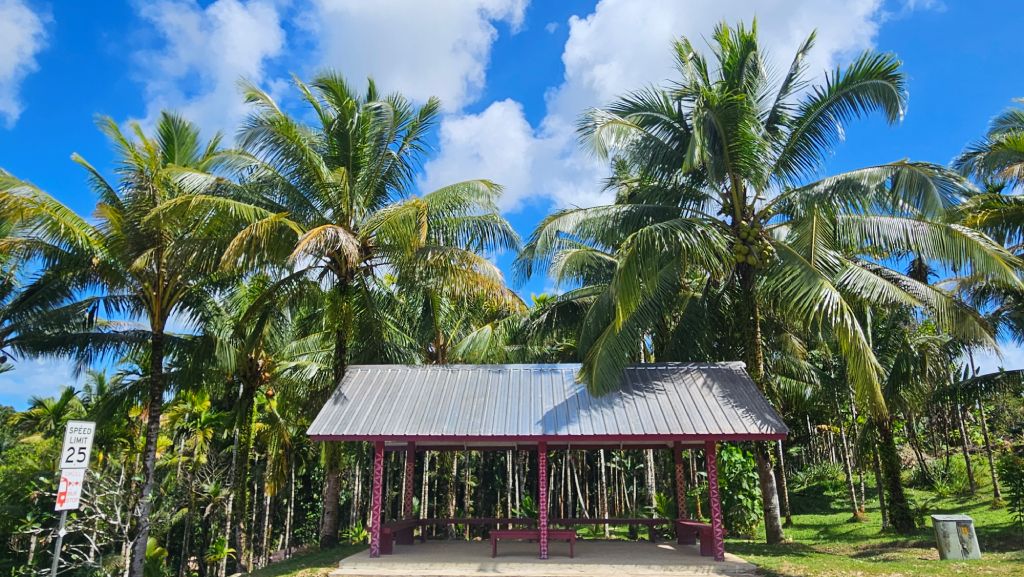
Palau is one of the most developed countries in the Pacific, with high living standards and excellent infrastructure. Its economy is supported by a mix of of foreign aid, a thriving tourism industry, and past foreign administration that implemented strong public facilities. I believe the high standard of living also reflects good governance and quality education.
In addition, Palau maintains excellent diplomatic relationships with Taiwan.
I noticed Taiwan’s extensive support and involvement in most public projects. Almost every government initiative displays a Taiwanese flag and a board explaining the partnership.
Although I couldn’t go scuba diving due to health reasons, I really enjoyed my Palau travel adventure.
Extremely friendly people and stunning natural beauty put Palau on a completely different level compared to most other Pacific islands I had visited on this trip.
It would be hard to call Palau a backpacker’s haven, as prices are quite high, making it an exclusive destination. This is probably good, as mass tourism could easily damage its fragile natural balance.
Palau Travel Photo Gallery