Visited: August 2025
Duration of visit: 11 days
Capital city: Windhoek
Population: 3 million (2025)
Namibia travel blog reading time: 15 minutes
Namibia attractions and memorable experiences:
- Visiting a remote Himba village by public transport with a local guide.
- The contrast between touristic, German-influenced Swakopmund and its poor ghettos.
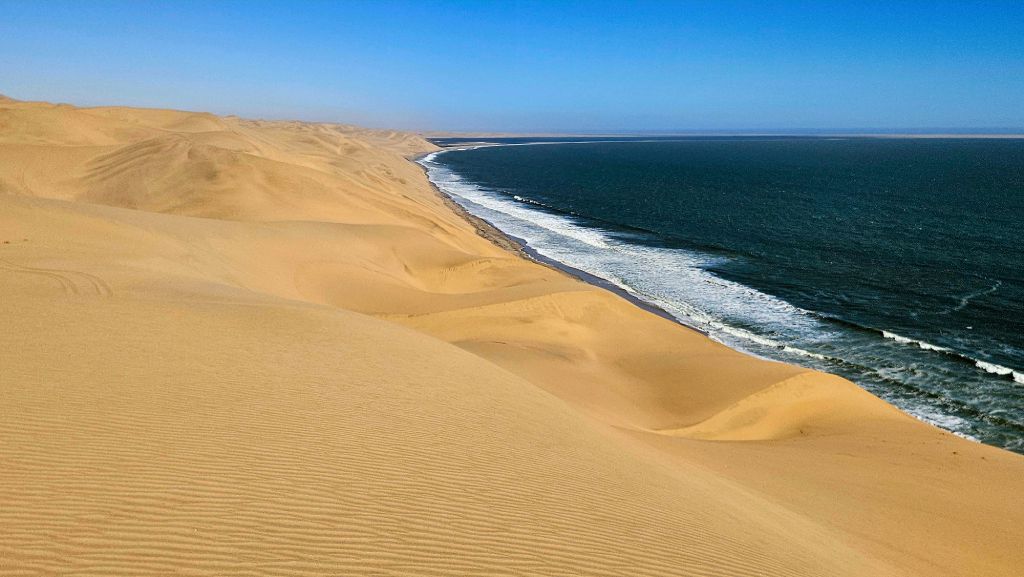
- Driving over the dunes around Sandwich Bay.
- Finding peace among the massive granite rocks of Spitzkoppe.
- Climbing Dune 45 and Big Dady for breathtaking views over Sossusvlei.
- Traveling endless roads, watching magical sunsets and vast landscape.

Namibia was part of my three-months trip that also included Angola, Botswana, Zambia, Zimbabwe, Malawi and Mozambique. Traveling from the Atlantic to the Indian Ocean was one of my most enjoyable journeys in Africa. Along the way I encountered warm hospitality, reliable infrastructure, delicious cuisine, excellent value for money, and, thanks to perfect timing, I avoided crowds in many areas.
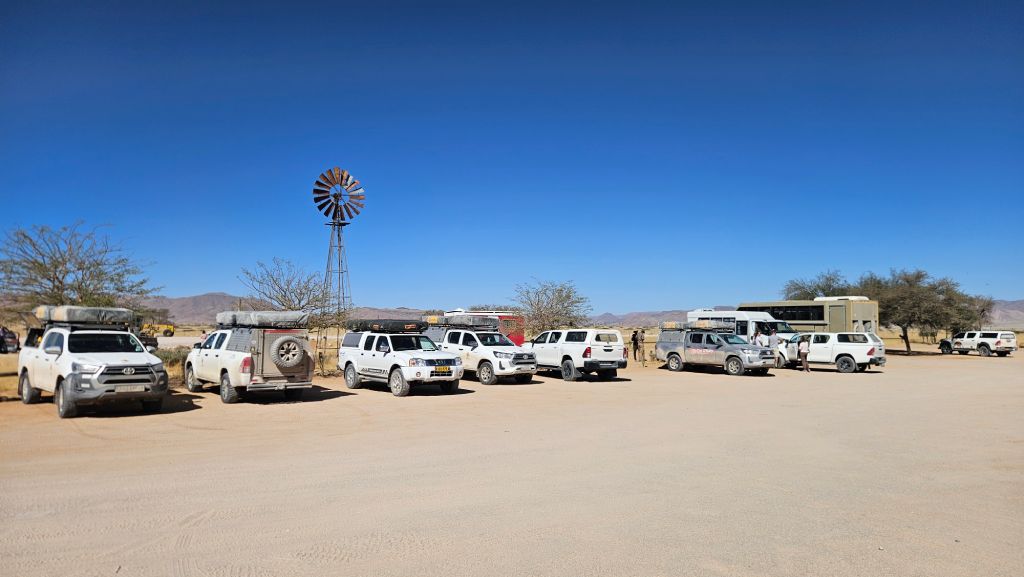
I travelled around Namibia mostly using public transport and rented a car for three days while in Swakopmund. It’s a less common way to explore the country, as most foreign visitors get around in rented cars that are equipped for camping and driving on dirt roads.
I believe that travelling this way allowed me to connect more with the local culture and visit a variety of non-touristic places that reflect the real Namibia – places often hidden from tourist groups.
Meeting Beauty in Opuwo
I crossed the border from Angola to Namibia at a small border post called Caleque. If the previous day had been a mix of broken-down cars, a run-down van bumping along a dirt road through the bush and a moto-taxi ride, my first journey in Namibia was the complete opposite.
This time, I was in a small sedan whose driver was speeding sped up to 145 km/h on a perfectly paved road without a single curve.
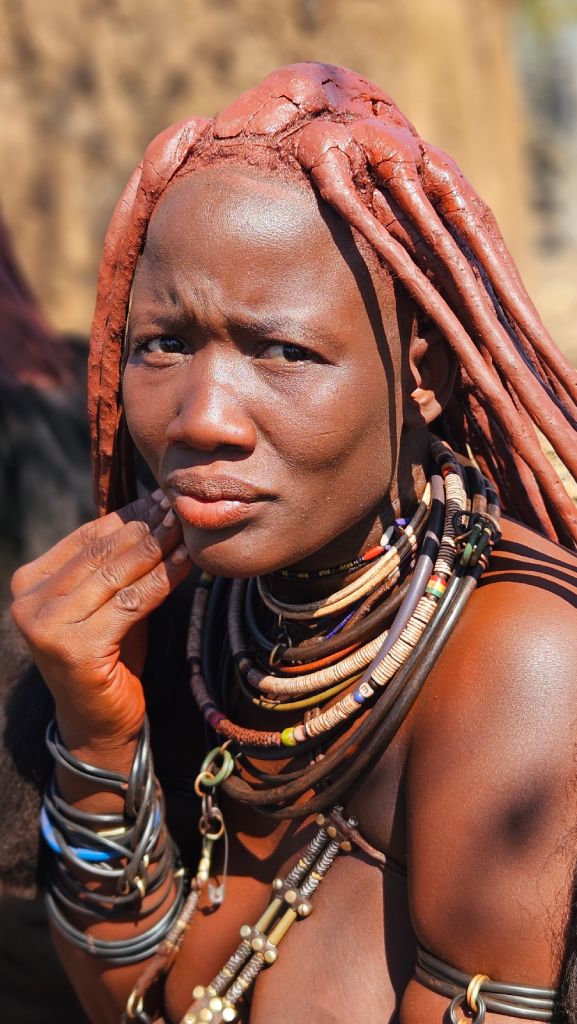
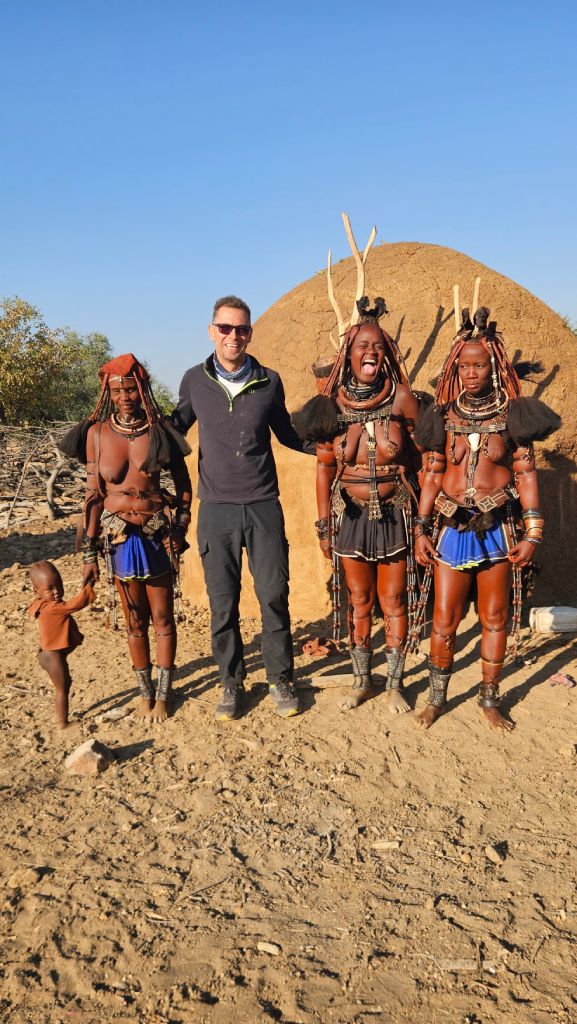
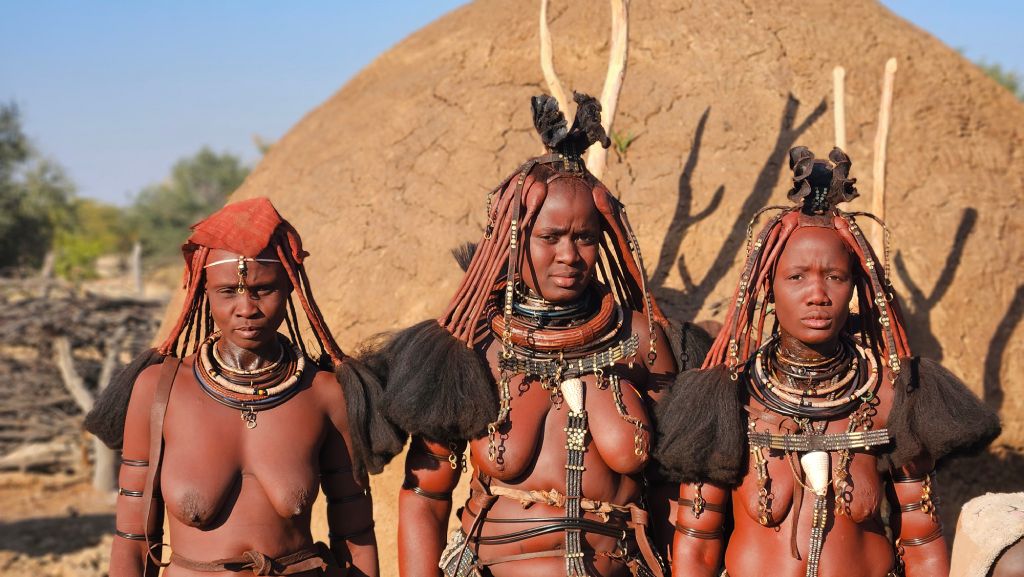
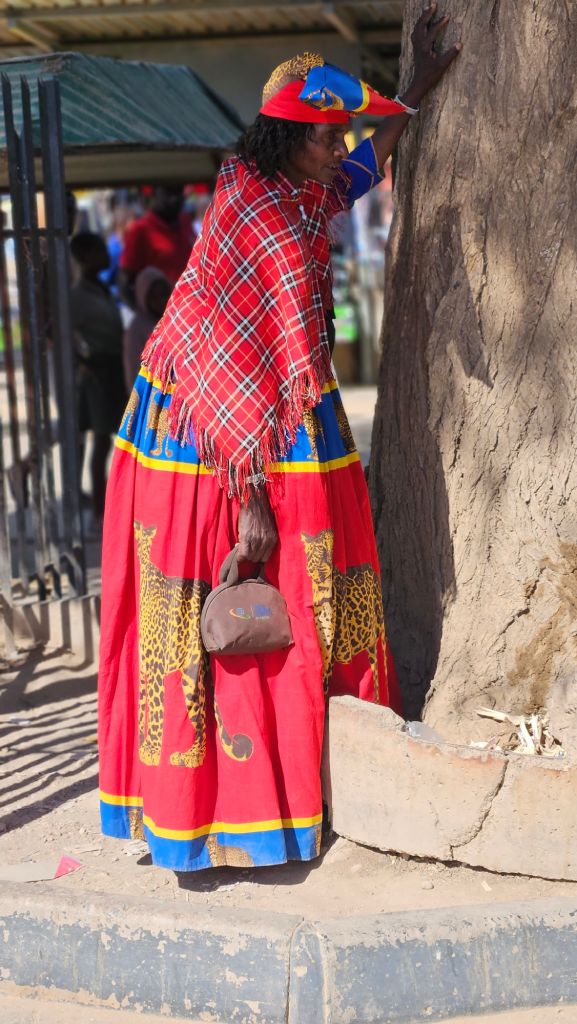
We drove on the left side, picking up and dropping off passengers along the way to Opuwo. Among them were also two Himba women, beautifully dressed in their traditional attire and covered with ochre paint.
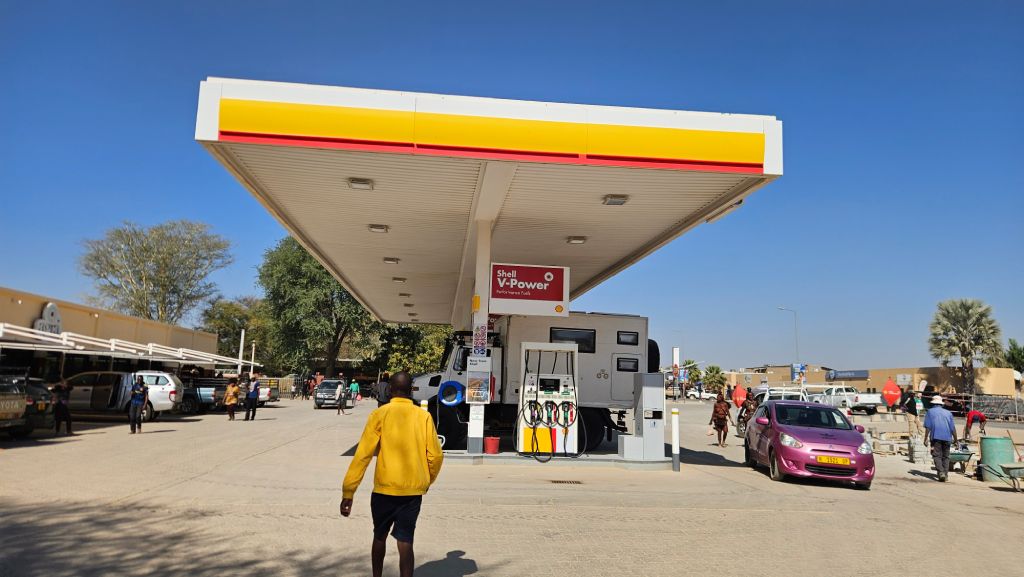
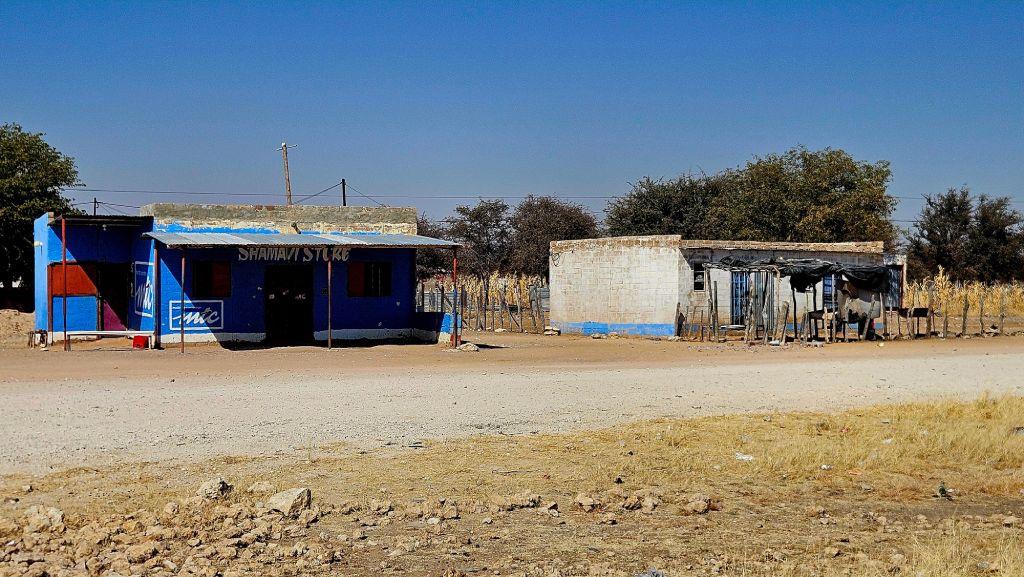
Reaching Opuwo, I mentioned the name of my guide, Beauty, to the driver.
“I know Beauty. She was my schoolmate,” he explained to me.
“I’ll take you to the shop, where her family usually is.”
I later found out that Beauty was well known among the locals. Everywhere we went, people called out her name and greeted her warmly.
My first task was to exchange money at a bank, which turned into a two-hour mission among patient locals. They assured me that the situation really wasn’t that bad.
I invited Beauty to a restaurant, where I noticed more foreign visitors than I had seen during my entire 17-day trip in Angola. Most were tour groups of older European tourists with guides, confirming that Namibia is a top tourist destination – very different from my previous experiences in Africa.

Travelling to Himba village
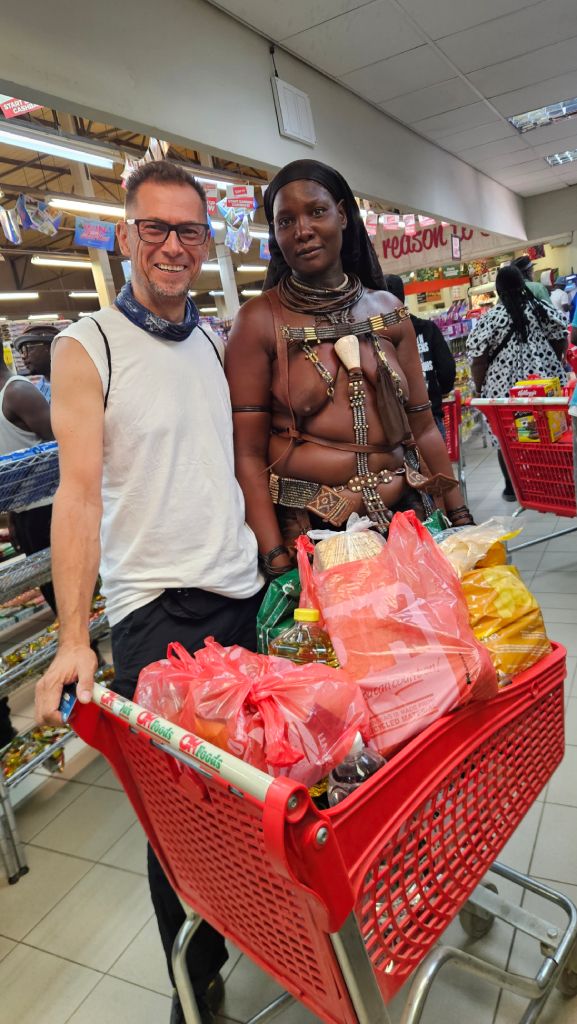
As a devoted backpacker, I asked Beauty to travel by public transport to a remote Himba village, where I’d be the only visitor and stay overnight to learn about their lifestyle. Our first stop was a supermarket in Opuwo, where we bought gifts for the villagers: corn flour, sugar, oil, coffee, tea and bread. Beauty decided how much we should spend, and we stayed within the budget.
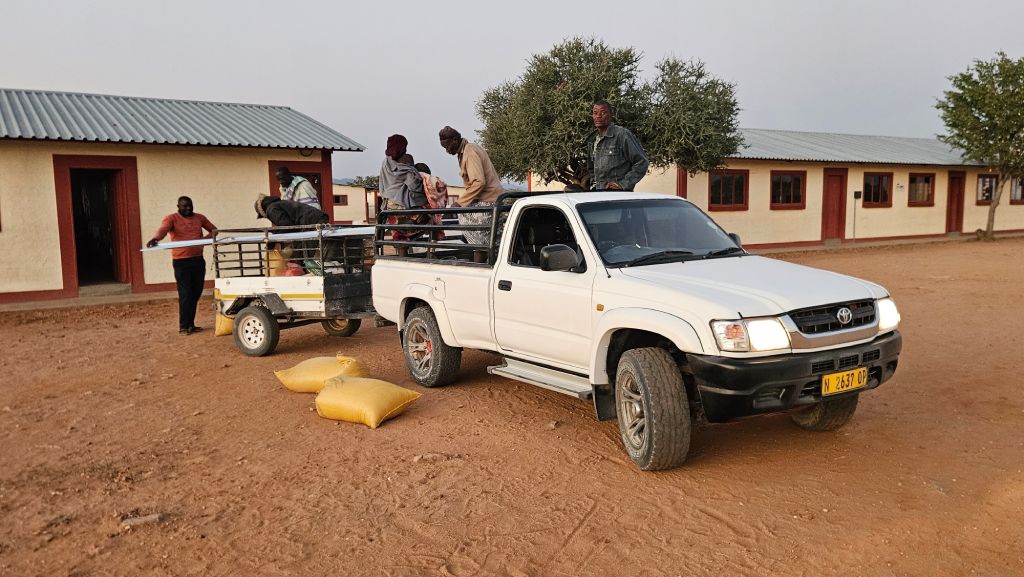
We loaded all the supplies onto a pickup truck and travelled about 100 kilometers north along a dirt road. Riding in the back of the truck on a dusty track was tough. I was shifting around, trying to hold on, find a comfortable position, and protect my mouth and eyes from the dust that covered me from the moment we set off.
It was getting late by the time we stopped in front of a small primary school.
“It seems the village we wanted to visit is almost empty,” my guide said, sounding slightly worried.
“The men have taken the cattle to other areas in search of food. It might be better if we visit another village.”
“Whatever you decide Beauty. I trust you,” I replied.
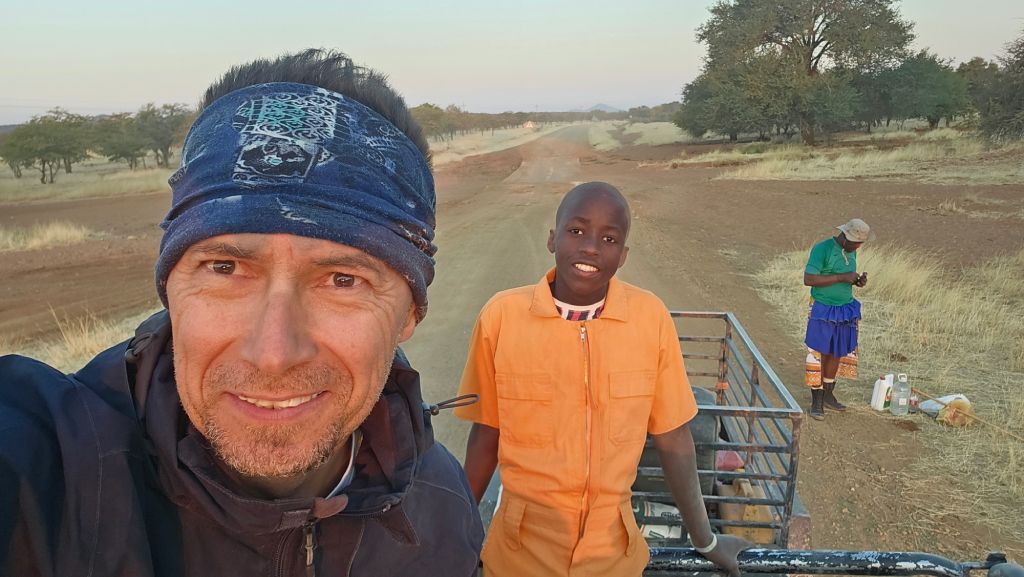
We headed to another village, only 2 kilometers from the main road. As soon as we arrived and Beauty explained the purpose of our visit, we began unloading the supplies. Three women approached, smiling and hugging my guide, calling out to other members of the community.
“They haven’t had visitors in years,” Beauty explained. “They’re really surprised and very happy to host us. They can’t believe we’ve brought all this food for them.”
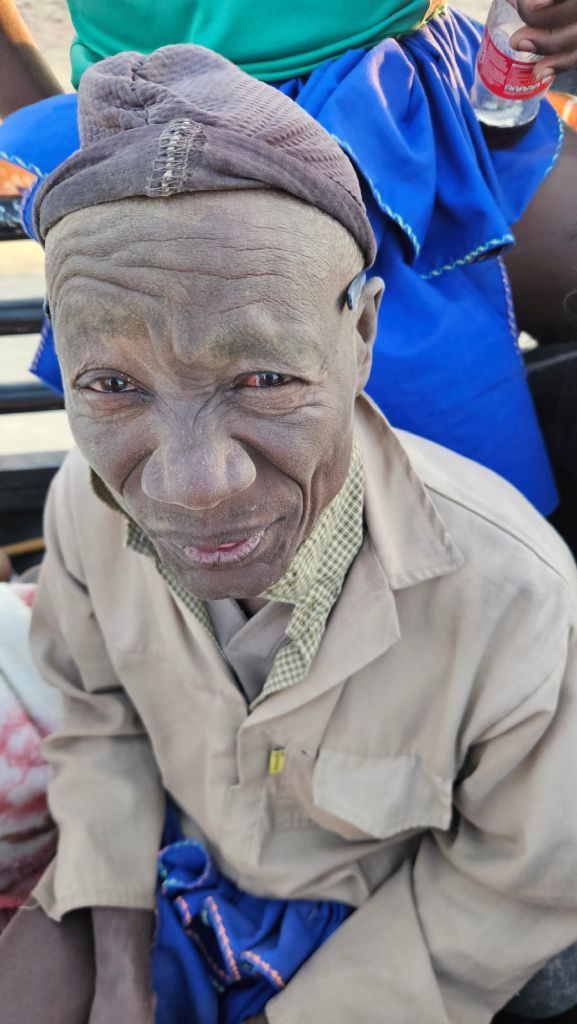
I was introduced to the village chief, who asked me a few short questions before continuing a longer conversation with Beauty. I was officially welcomed as a guest of the village.
Among Himba tribe
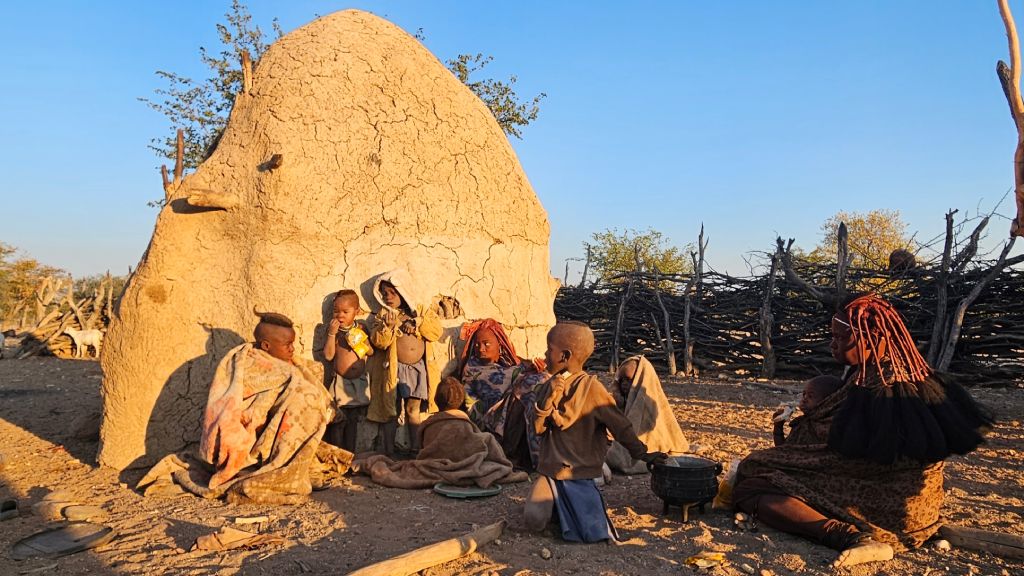
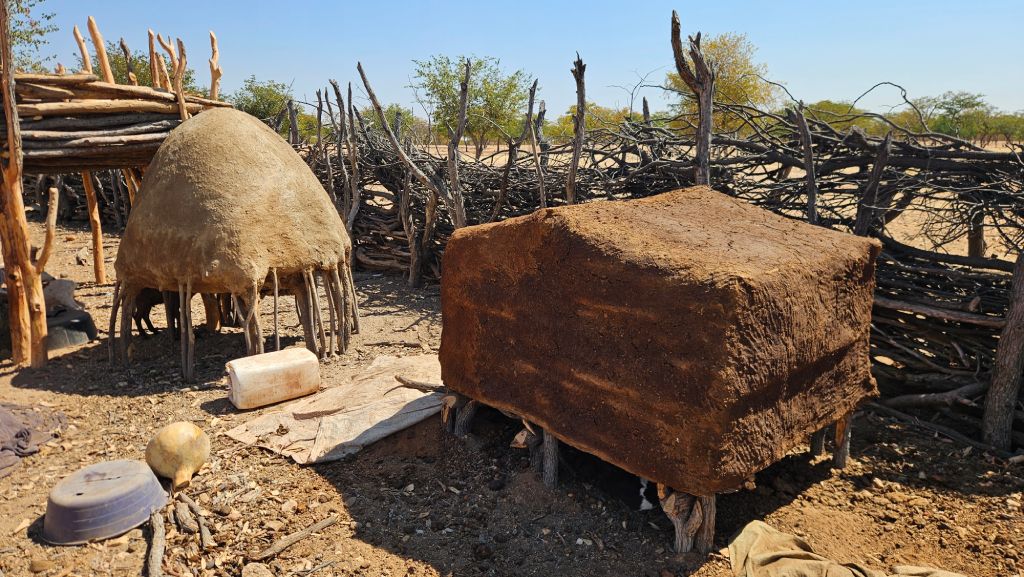
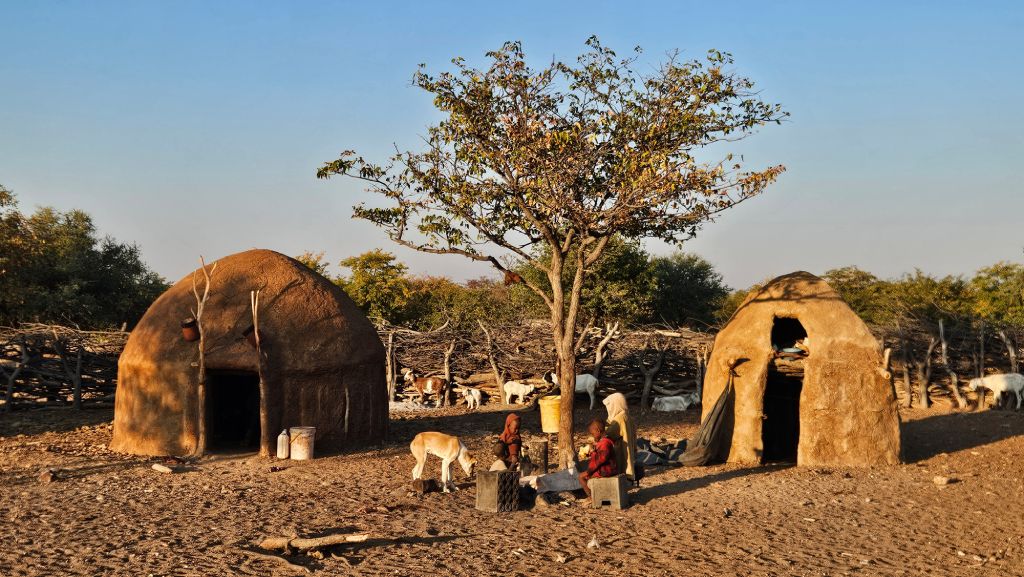
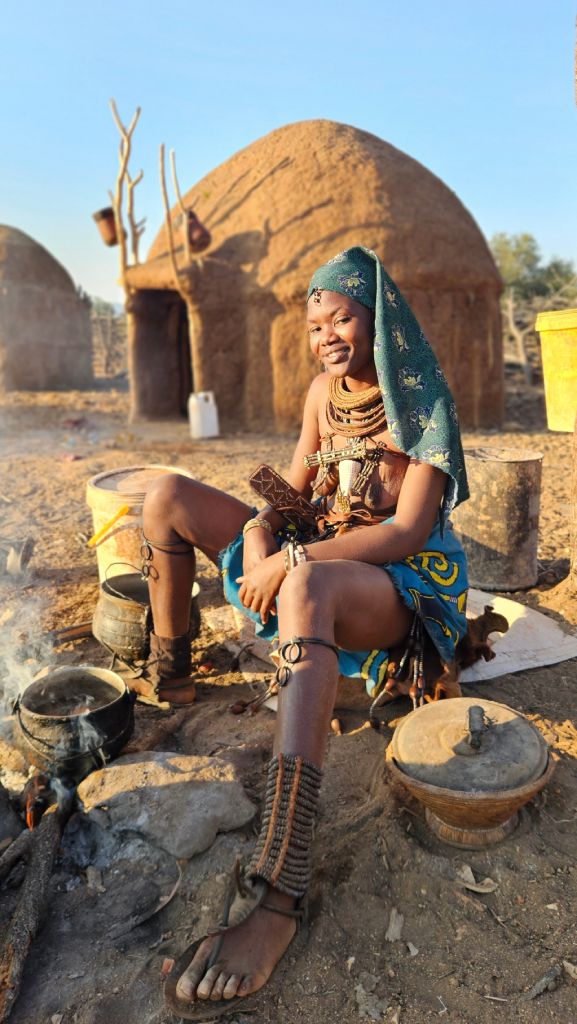
The Himba sleep in small mud huts with thatched roofs. One of these huts was given to Beauty and me, so we could settle in.
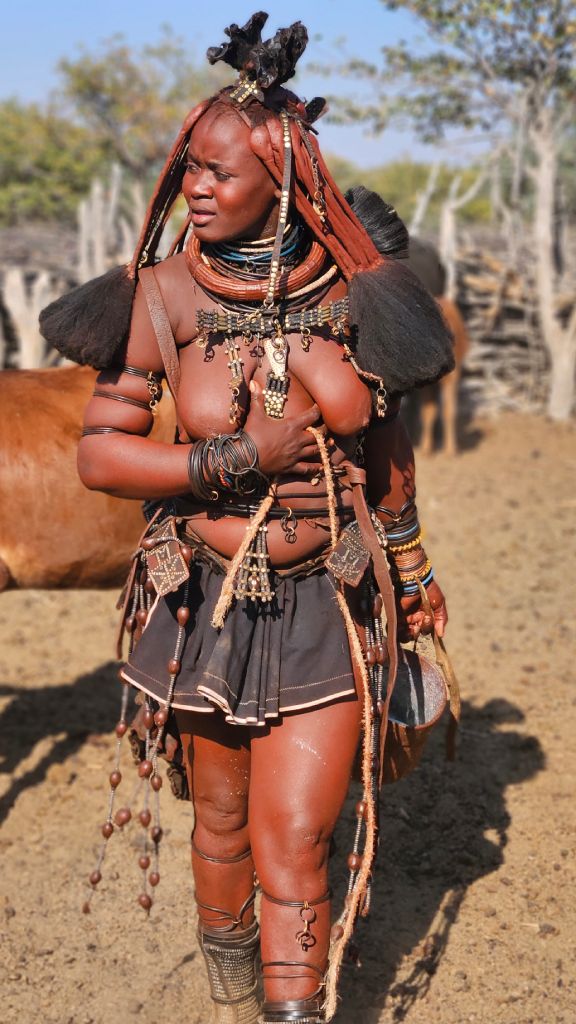
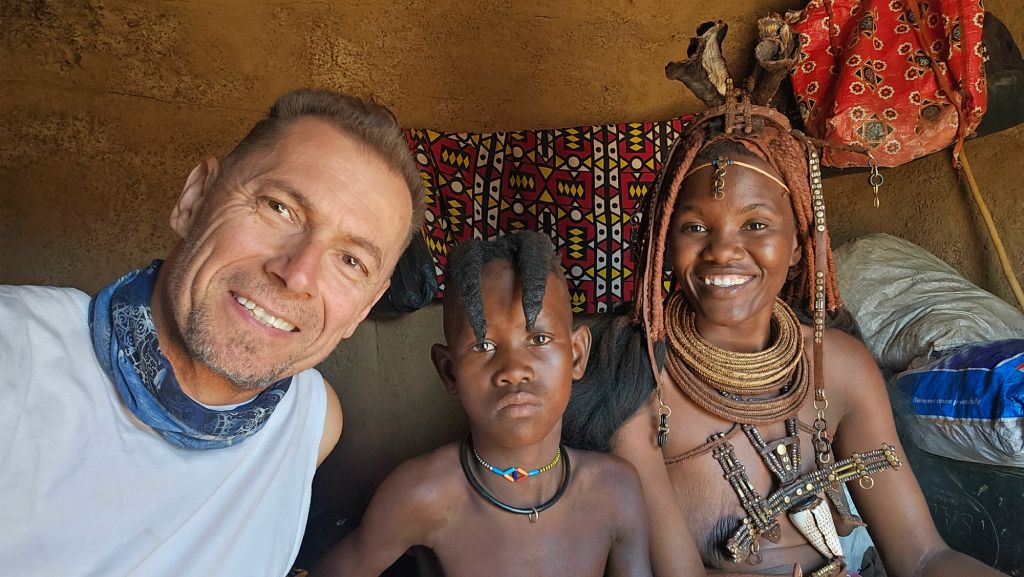
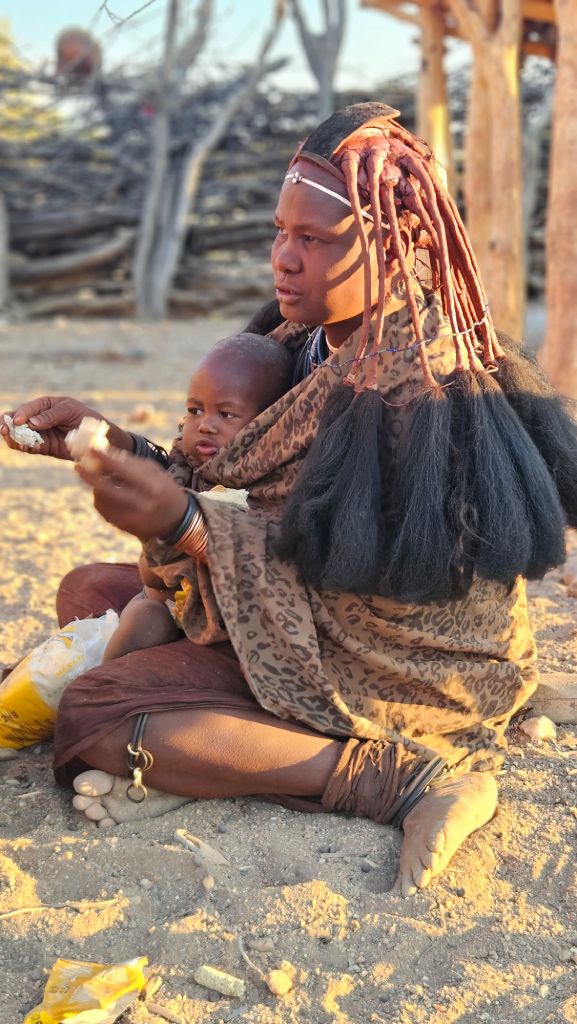
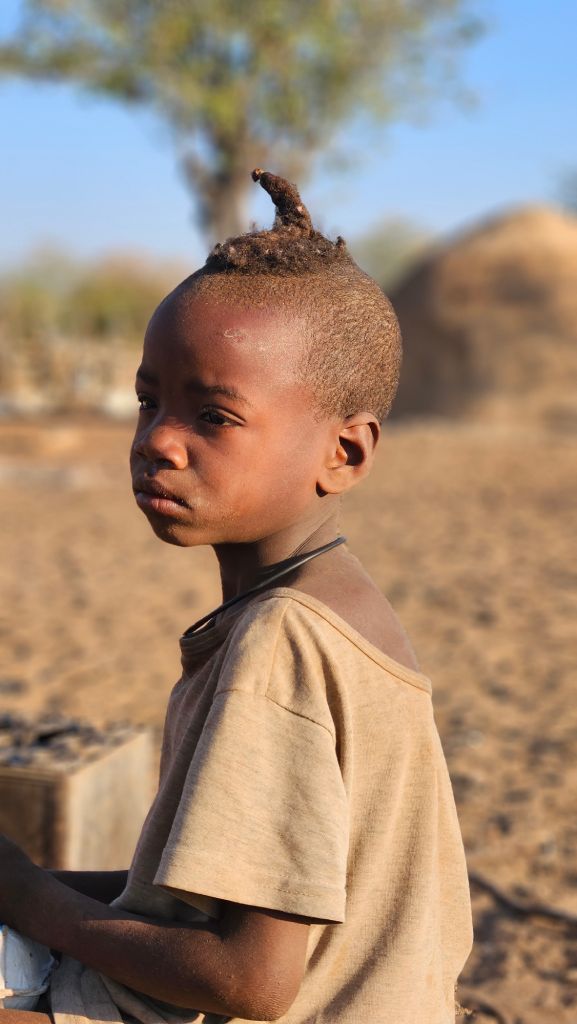
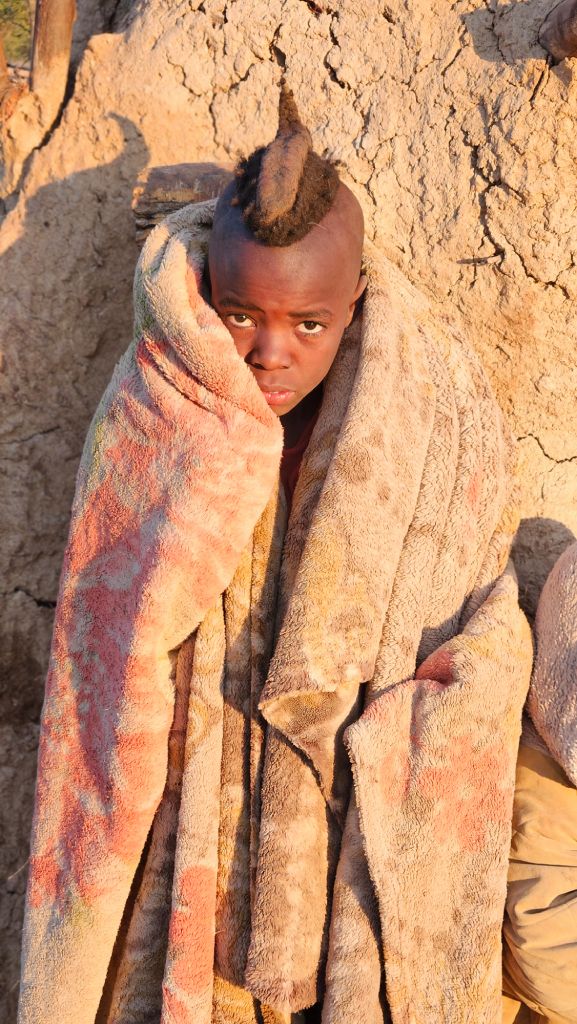
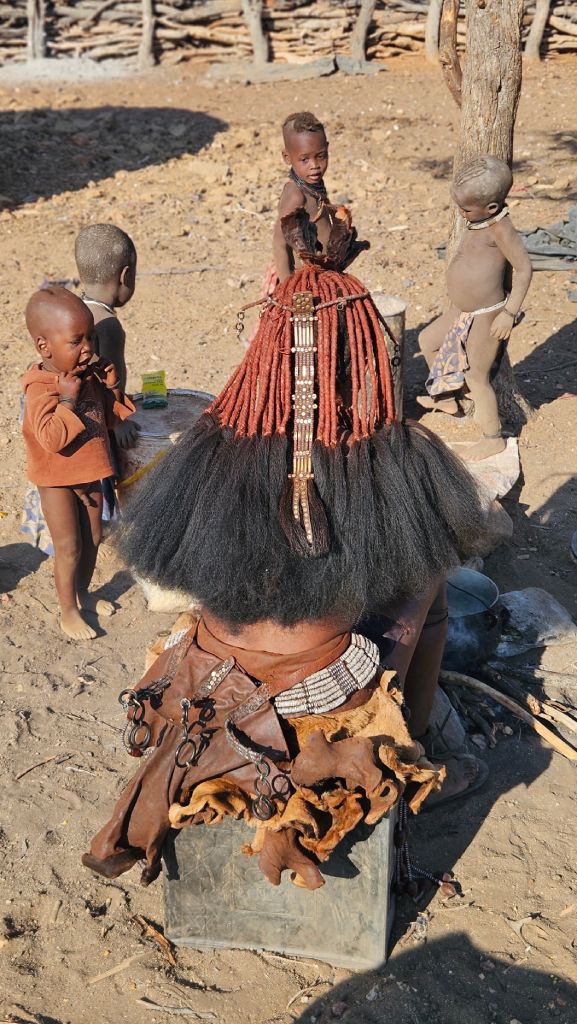
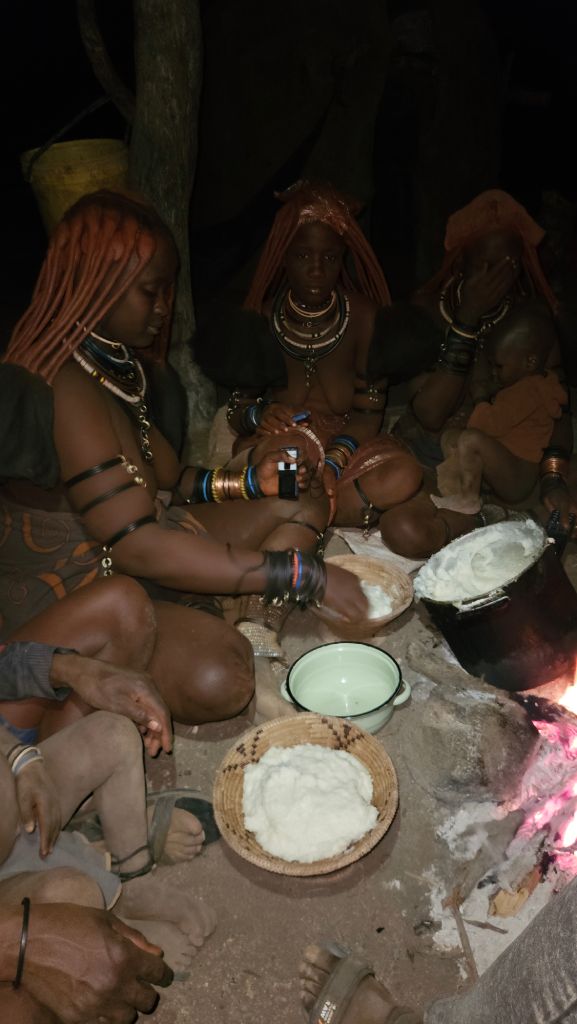
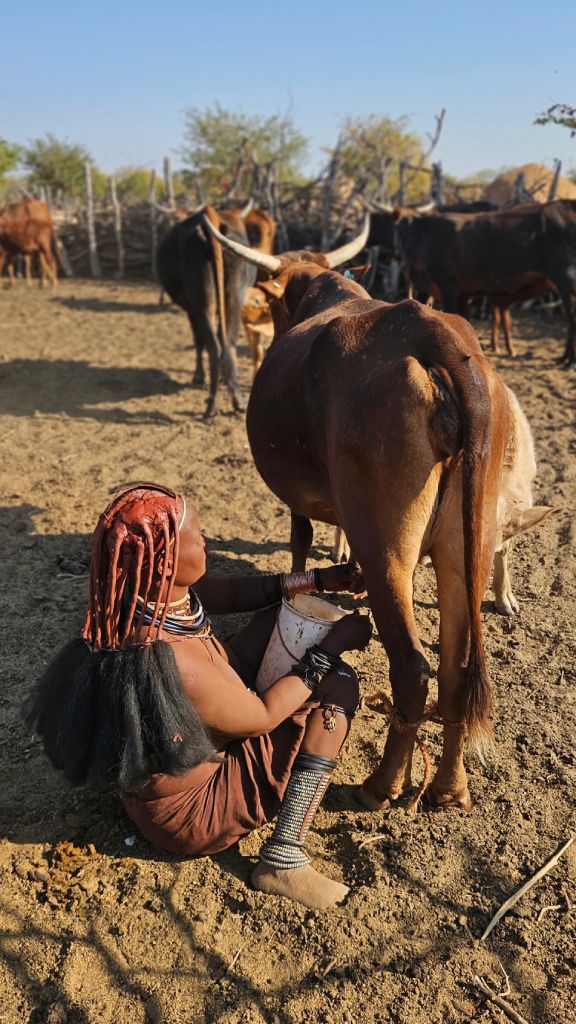
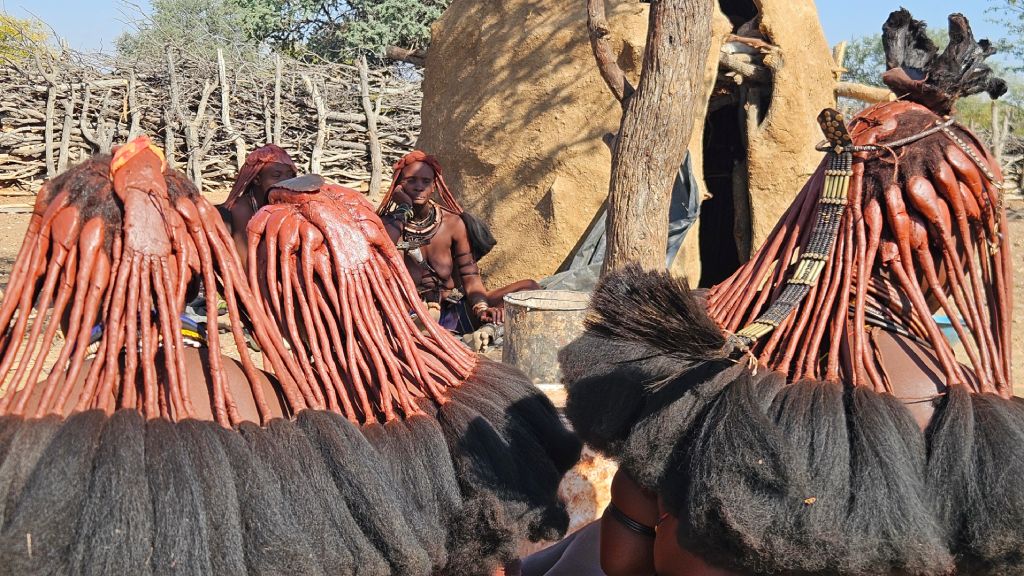
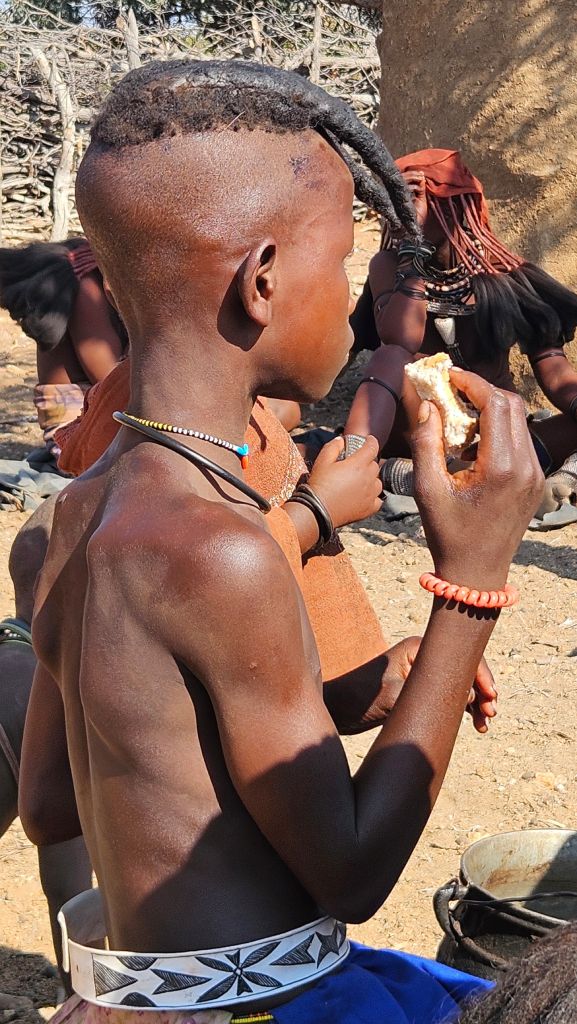
The Himba are semi-nomadic cattle herders. They are known for their red skin and hair, covered with a mix of red ochre and fat.
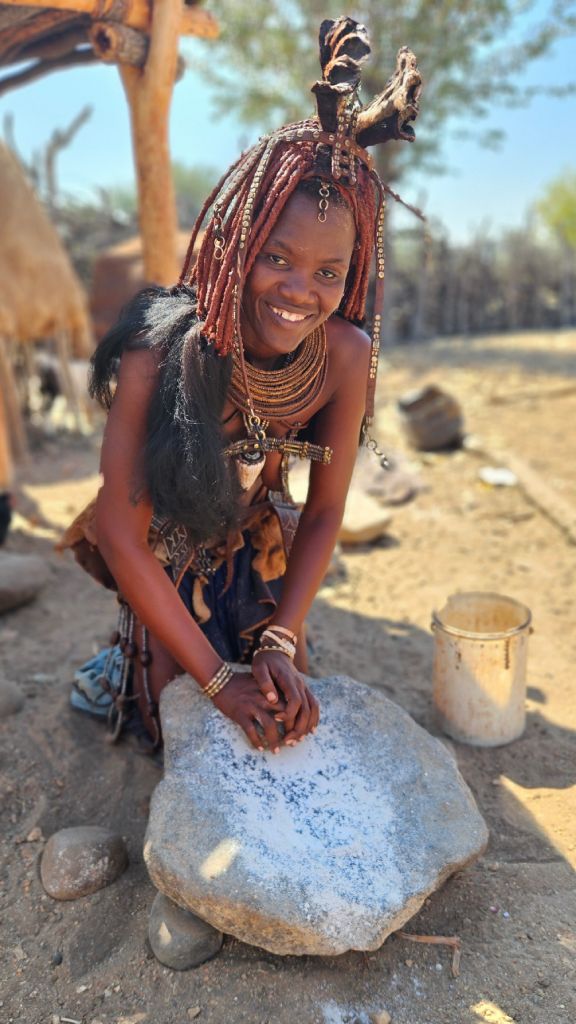
They wear plenty of jewelry and leather clothing. Their hairstyles show their age and marital status. When girls reach puberty, they receive a leather crown called an erembe.

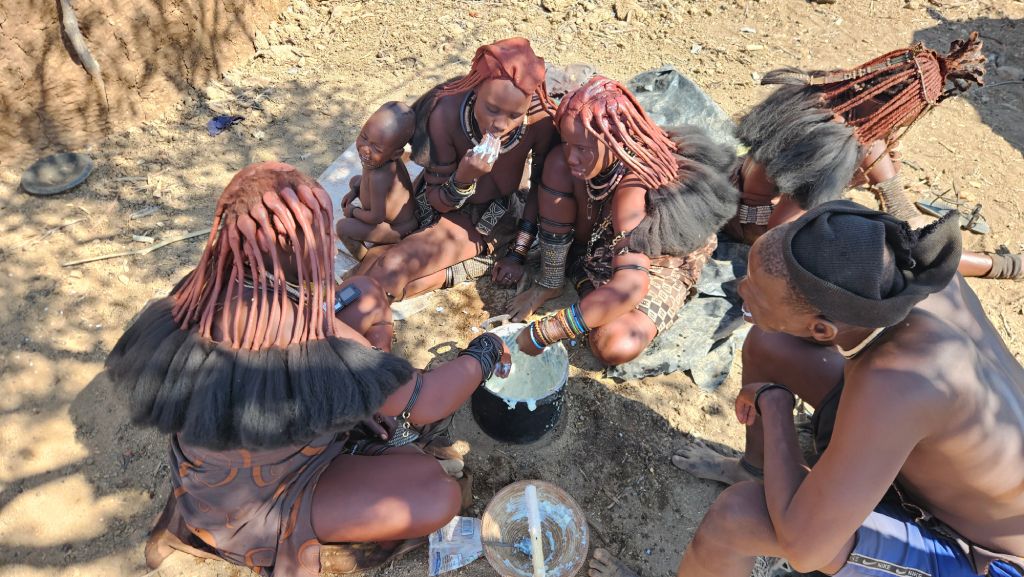
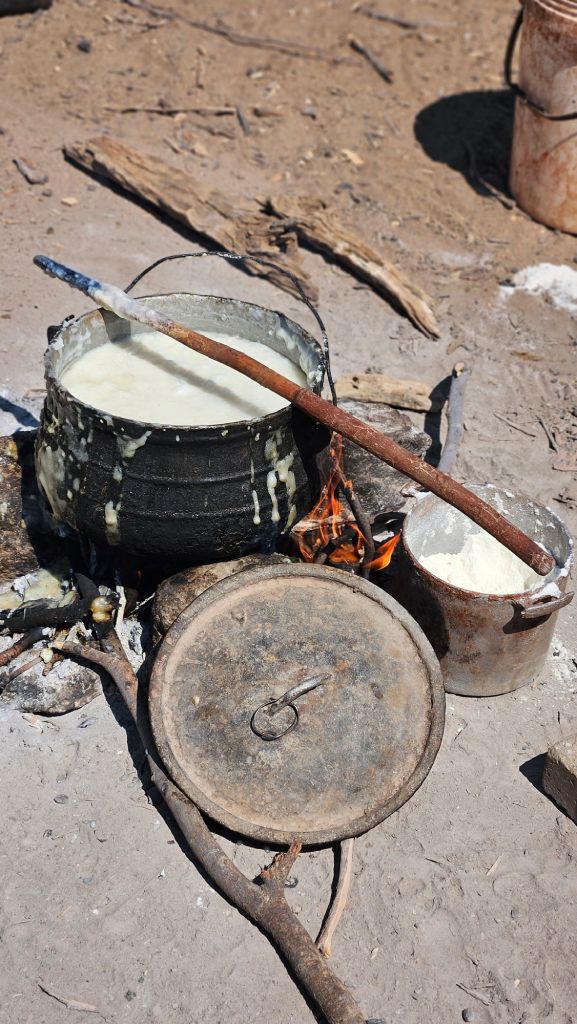
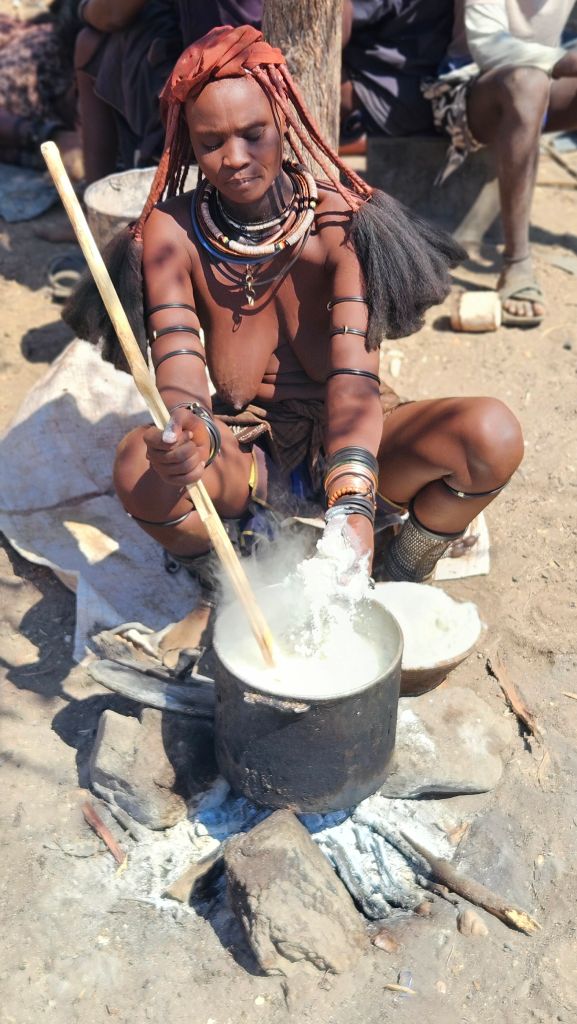
There were two families in the village, each sitting around their own fire, cooking shima (a maize porridge, made by cooking corn flour with water) and talking. I joined one of them. The women were very talkative, while men were quieter and spoke mostly among themselves, not showing much interest in me.
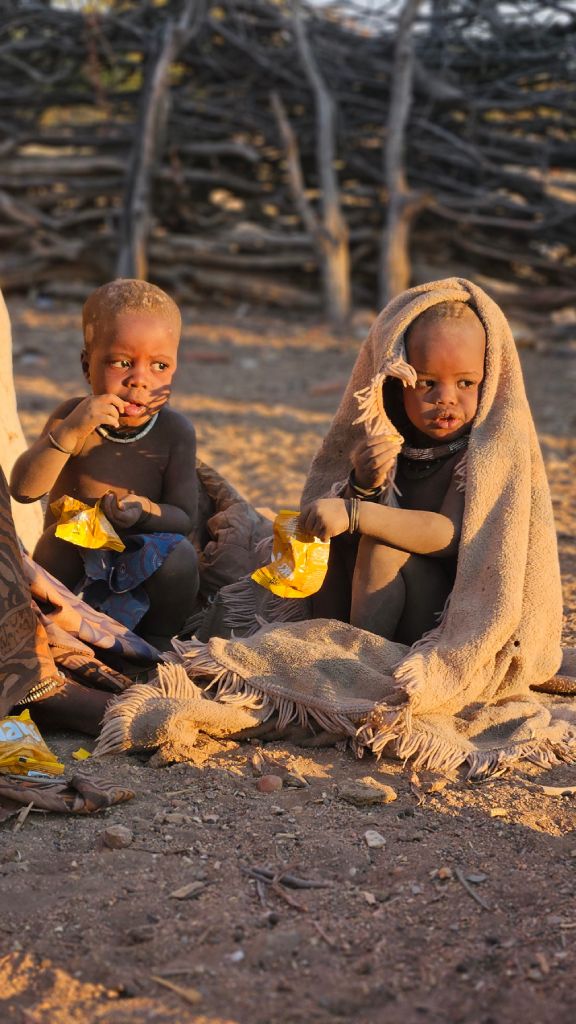
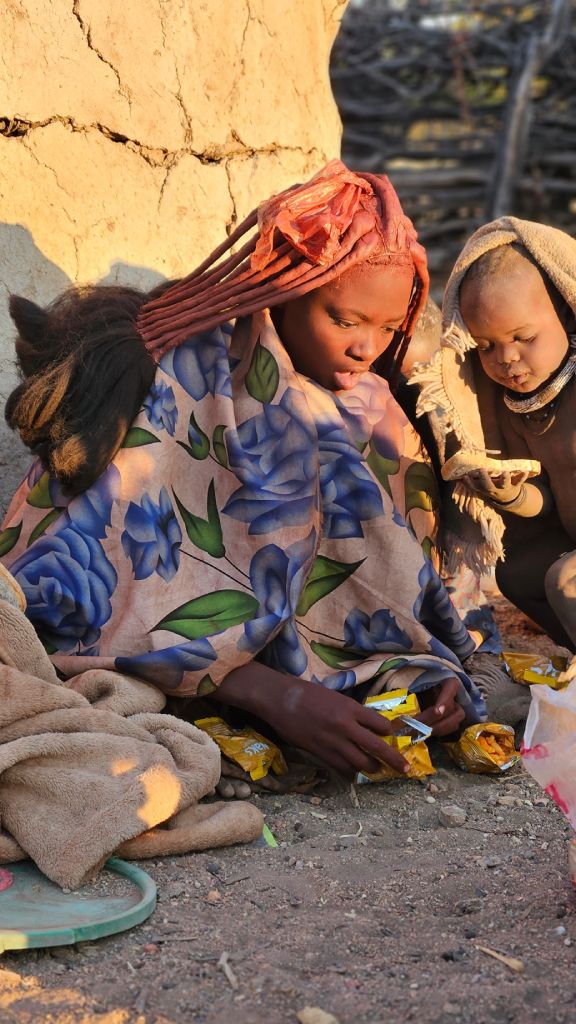
While the shima was cooking, they began tasting the bread and chips I’d brought. Although there was enough food for days, they kept eating until almost everything was gone.
“How are the toilets here?” I asked, seeing none around.
“You just walk outside the compound and do what you need to,” came the friendly reply.
“And how do you clean yourself?” I asked.
“With a stone,” Beauty answered, “or you wait for the wind to do it.”
I didn’t mind going to the nature, but I was really annoyed with myself for forgetting to bring toilet paper. How could I forget that?
The scent of smoke and ochre
The next day Beauty explained how the Himba care for their bodies. Since water is scarce, they grind red ochre into powder, mix it with fat, and rub it on their skin to protect against sun and insects. To prevent body odor, they smoke their armpits with a piece of burning wood – simple but effective.
Meals were always the same: shima, sometimes with vegetables, meat sauce or milk. Simple food, but tasty, especially when eaten with my fingers. During my visit, we added a few treats I’d brought along, but that was an exception.
Learning about the Himba, spending time in their village, sharing meals, talking, and enjoying their company was one of the highlights of my visit to Namibia.
For our trip back, Beauty and I walked about two kilometers to the main road. We waited for 2 hours with no traffic in sight. Just as I started to worry, a pickup truck stopped and gave us a lift to Opuwo. We squeezed in the trunk with a few locals, held on tight, and enjoyed the view. It was far less dusty than the day before.

Travelling with public transport
Because Namibia is so sparsely populated, intercity public transport is very limited. Instead of regular buses, private cars or vans pick up passengers from their homes or agreed spots. For my trip from Opuwo to Swakopmund, I had to start around 5:00am and change vehicles in Otjiwarongo. I wasn’t even sure the trip would happen until the driver called that morning and confirmed that he had enough passengers to make the trip profitable.
The roads usually have just one lane in each direction and are patched in many places. At first, I was terrified as we were speeding above 120 km/h toward oncoming traffic, but I soon realized it’s normal here. The roads are straight, with gentle curves. The biggest danger are cows or goats that sometimes jump across without warning.
German legacy in Swakopmund
On the way from Opuwo to Swakopmund, my new SIM card worked well, and I luckily found a decent hotel room. This is not easy in peak season, when most places are booked months ahead.
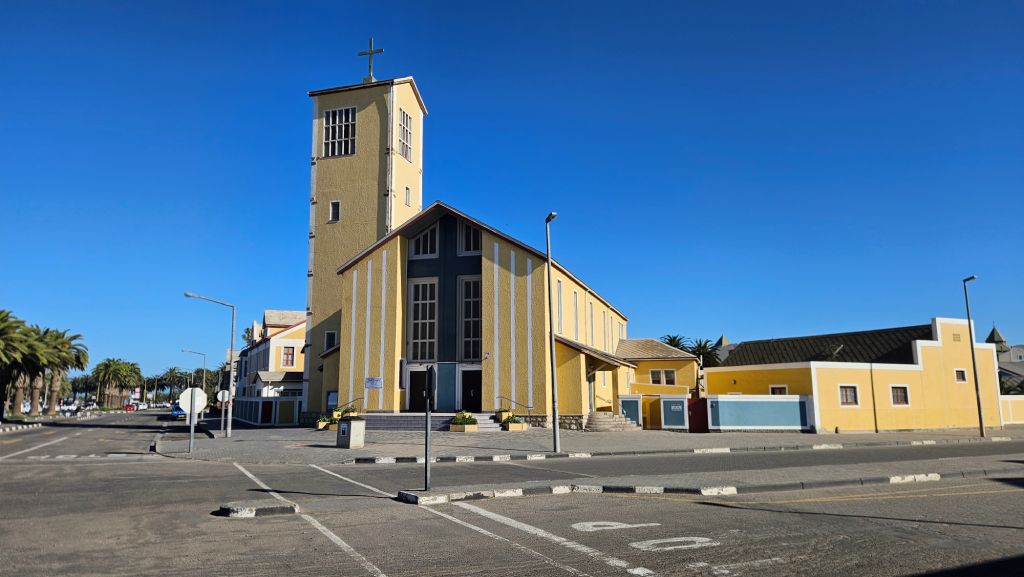
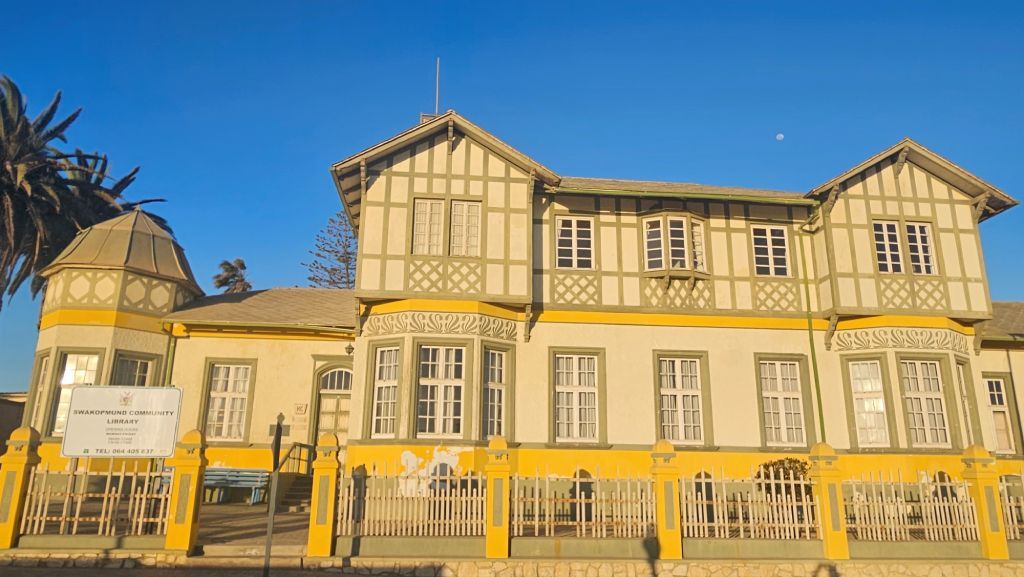
My first impression of Swakopmund that late afternoon wasn’t great: cold wind, damp air and empty streets, with only a few parked 4WDs outside hotels and restaurants.
I was questioning myself: “Did I come all this way to a ghost town with German shops and restaurants just to drink beer and talk German?”
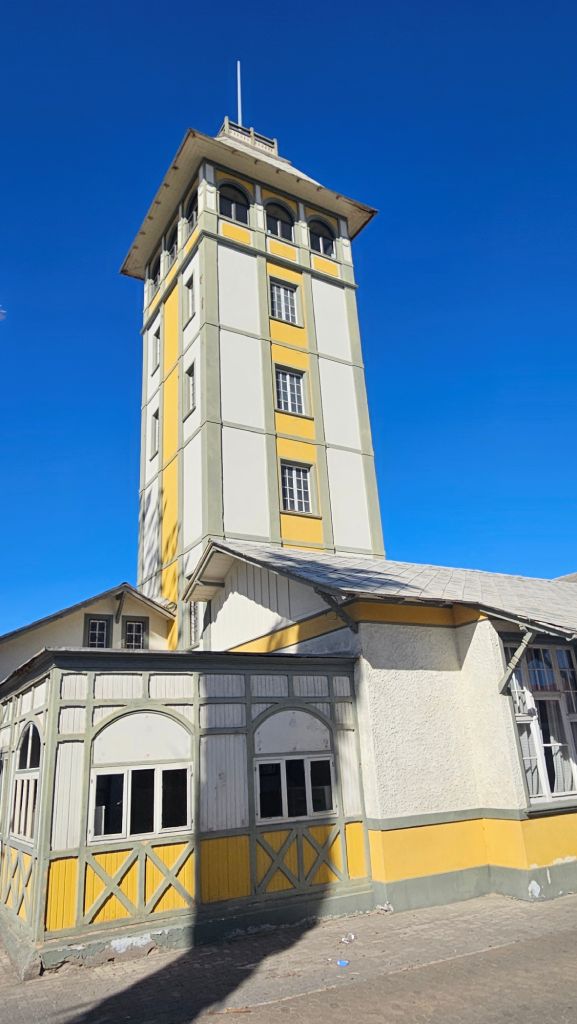
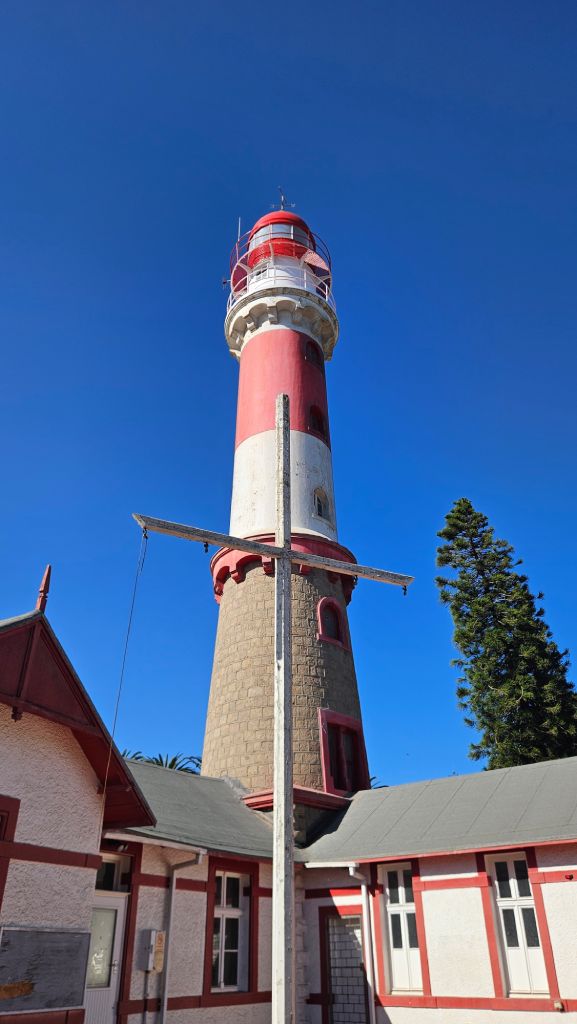
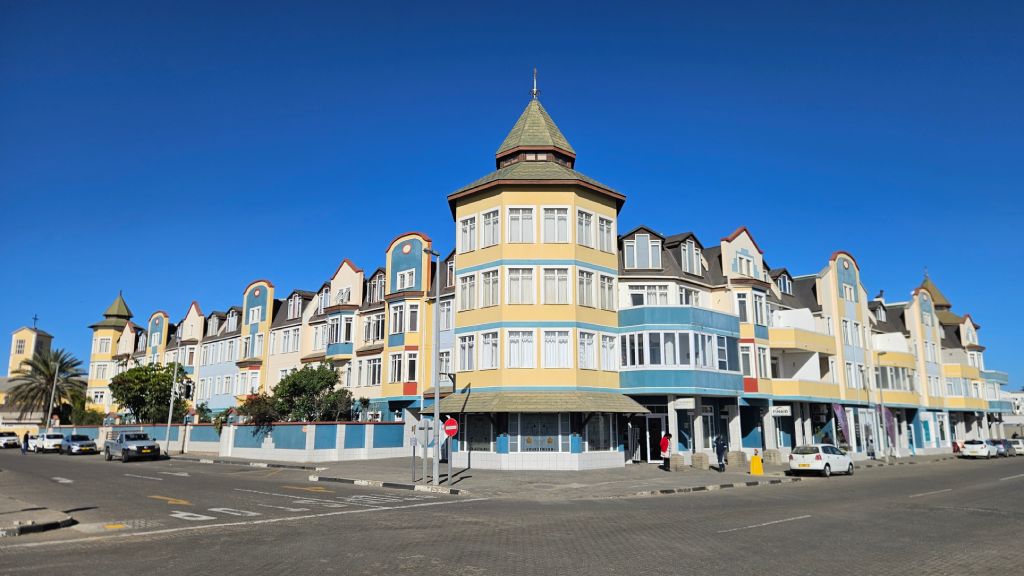
The next morning, the sun came out, and I managed to see the brighter side of the city. Swakopmund is full of colonial architecture from the late 19th century, when Namibia was under German rule, but it has few attractions beyond its historical charm. It’s a coastal town of about 40,000 people, with cozy cafes, good restaurants and some art galleries.
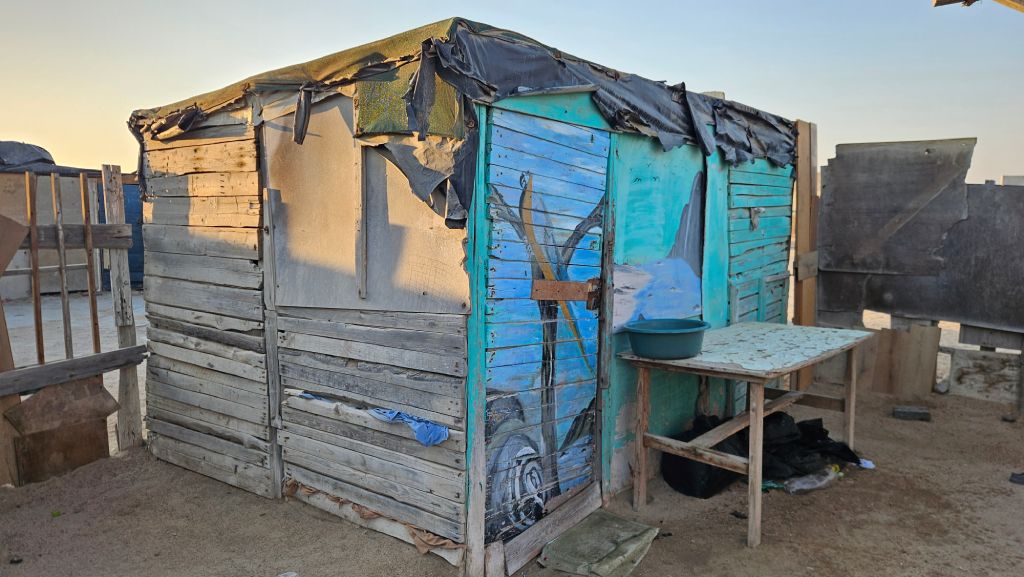
Tour to the dunes in Walvis Bay
Although I’m usually not a fan of organized tours, I had no choice if I wanted to drive through the dunes outside Walvis Bay.
During the ride from Swakopmund to Walvis Bay, the tour guide told me how this former German outpost grew into Namibia’s most popular seaside destination. Besides being a stop for every tourist visiting the country, nearby harbor also welcomes cruise ships. I can only imagine how crowded Swakopmund gets when hundreds more visitors arrive at once.
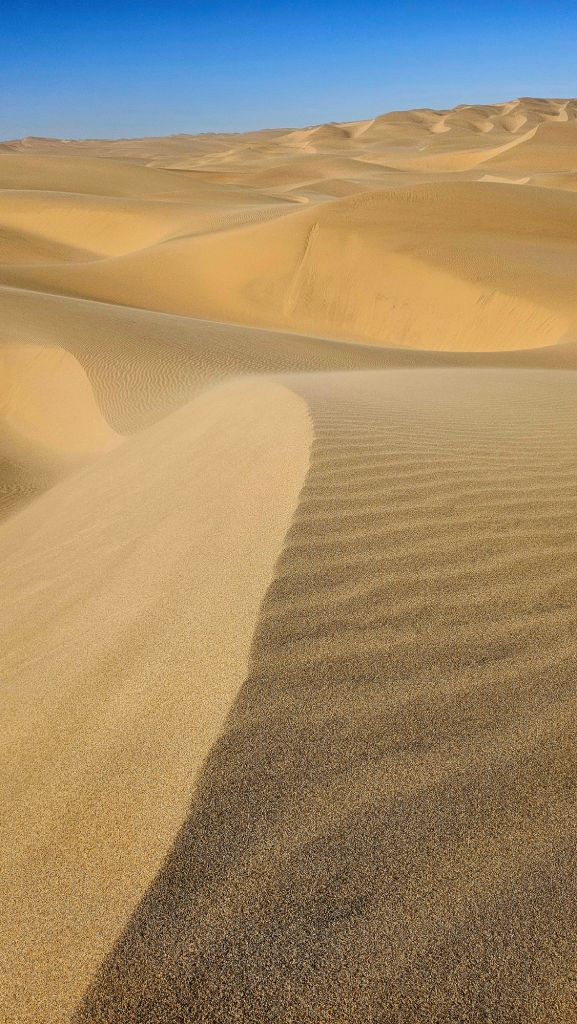
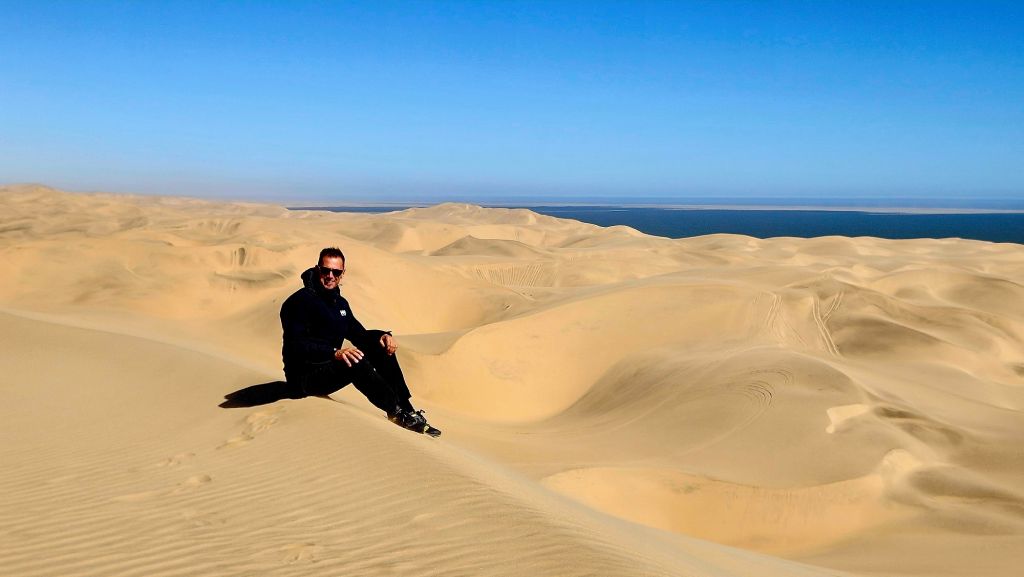
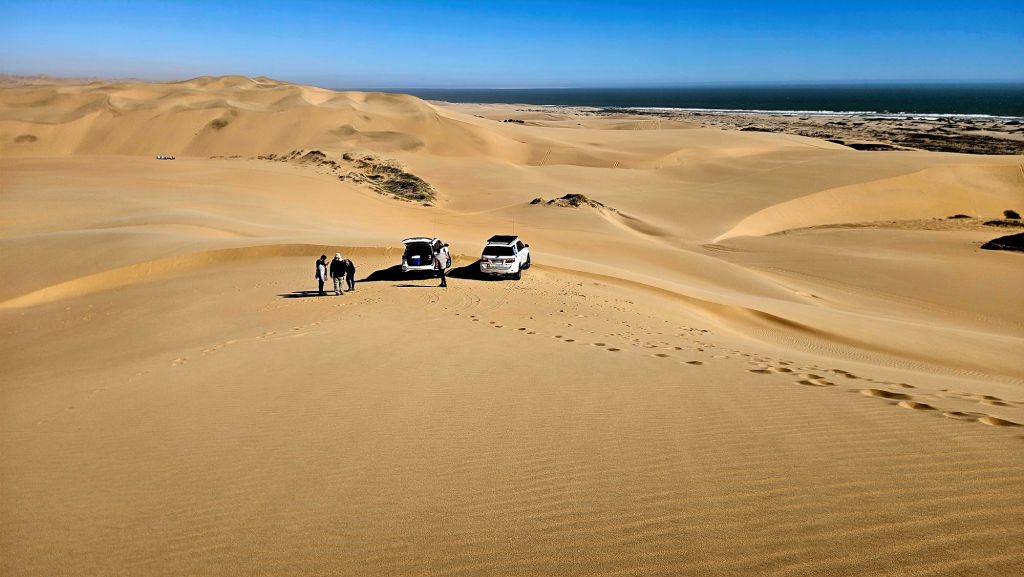
The dune drive itself was magnificent, one of the best things to do in Swakopmund area. Sitting comfortably in the front seat of a Toyota Land Cruiser, I watched our driver skillfully climbing and descended the slopes. He was often changing angles and speeding to avoid getting stuck in the soft sand. One stunning view followed another. It was peculiar to see other vehicles moving in a convoy behind us.
“The desert traffic seems busy today!” I joked when I noticed more than 30 cars around us.
“Oh, this is nothing,” the driver laughed. “When cruise ships are in town or during the summer holidays, it’s 5 times worse.”
Welcome to Namibia in the high season.
Because of the high tide, we couldn’t reach Sandwich Harbor, where the huge dunes meet the ocean. Still, I loved the experience, even if it wasn’t exactly my backpacker style and it was over my budget.
The most breathtaking landscape
The two-day trip to Sossusvlei was the highlight of my travel in Namibia and one of the most memorable places to visit in the country.
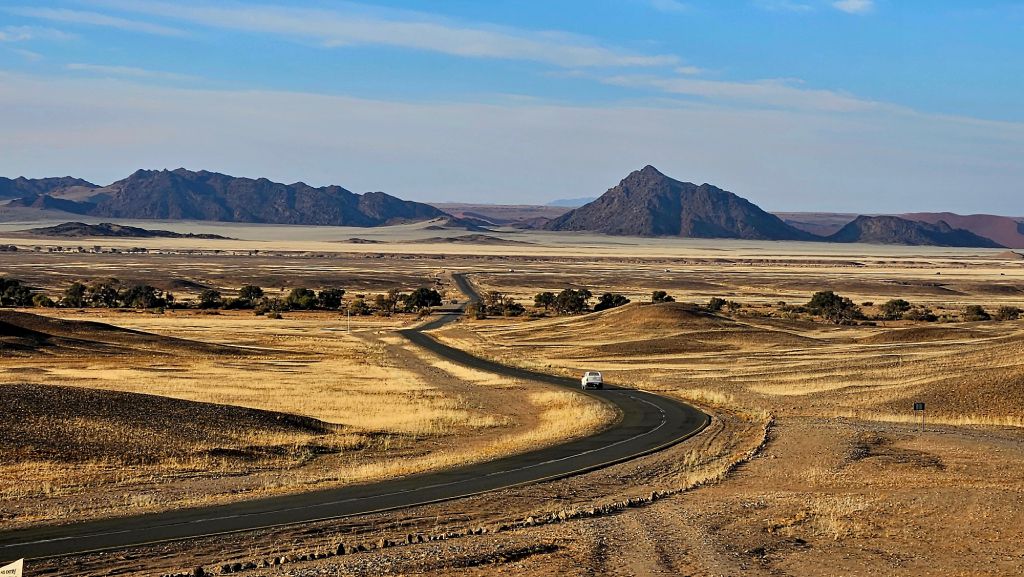
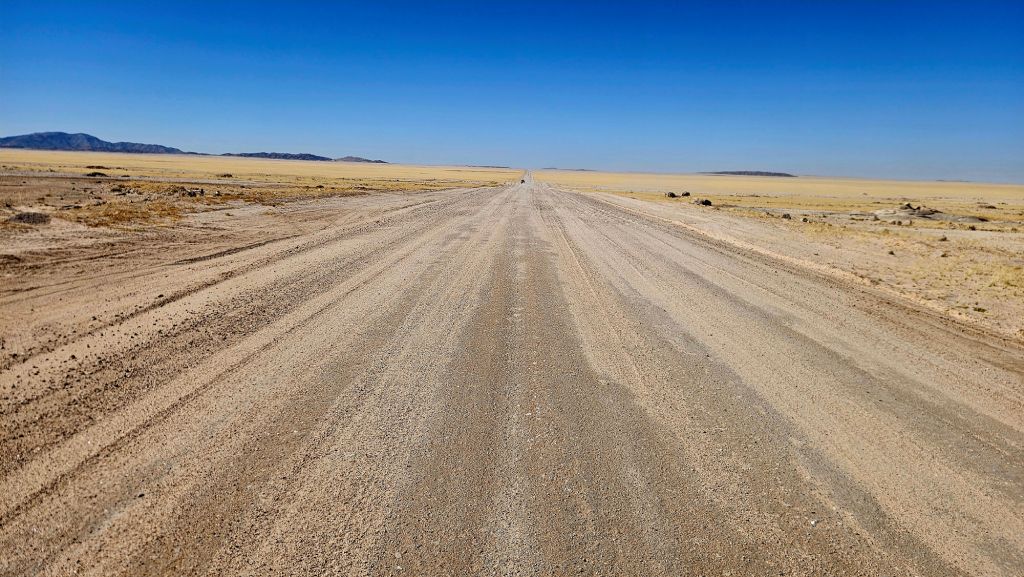
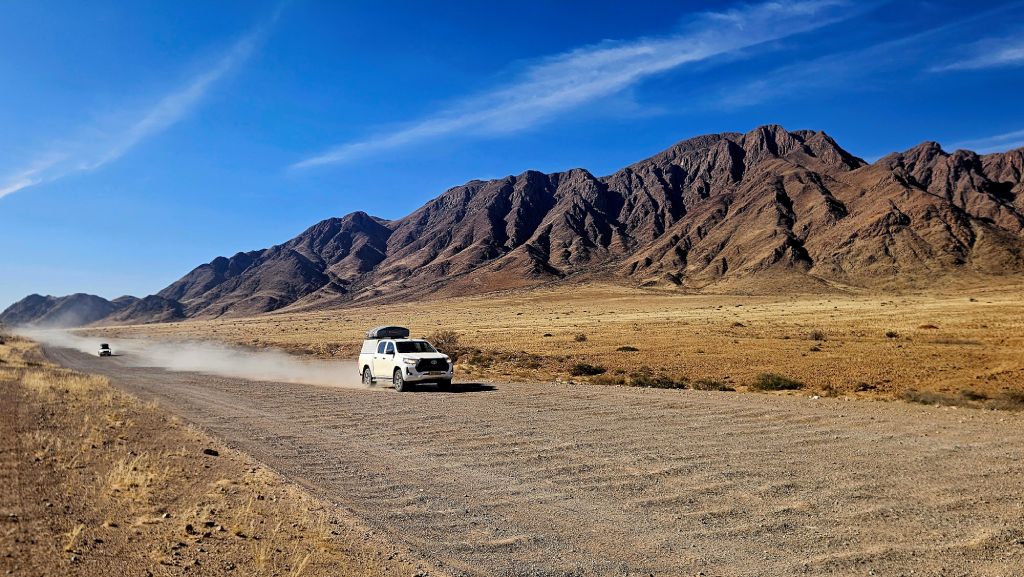
I rented a Toyota SUV at Walvis Bay Airport and drove more than 1,000 kilometers on gravel roads, passing through some of the most stunning desert landscapes I’ve ever seen.
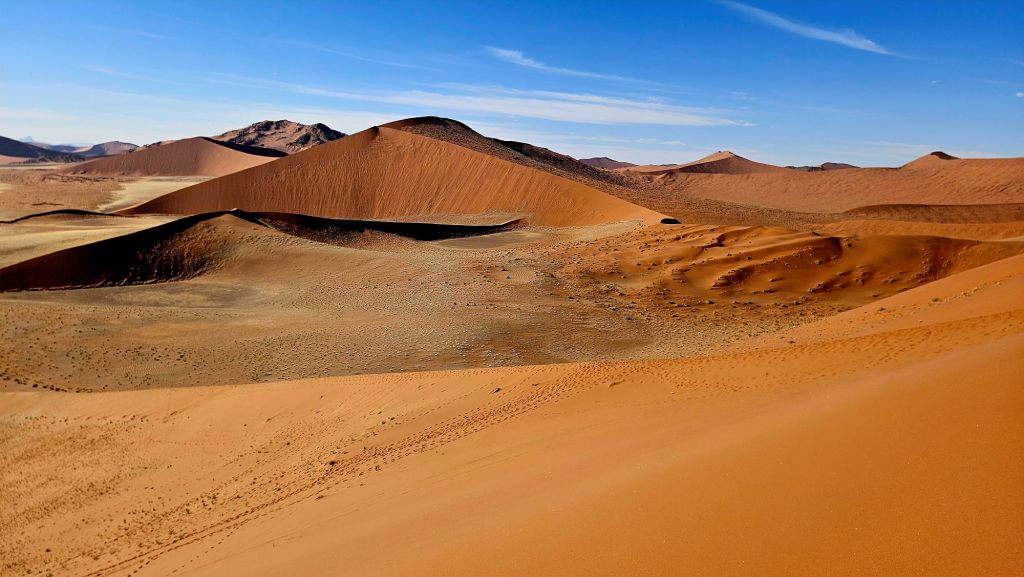
After about 20 kilometers of perfect asphalt, the surface turned into a compact soil. Traffic dropped almost immediately. Soon after, it became a proper gravel road - rough and bumpy, with deep ridges that were shaking violently the car, me and everything inside.
The trick with these roads is to find the right speed: fast enough to glide over the ridges, but not so fast that you lose control. Too much speed, and one mistake can send you straight off the track.
At first, I drove around 70 km/h, but I soon learned that driving closer to 100 km/h made the ride smoother and more comfortable. With every kilometer, I felt more confident handling the car across the Namibian desert.
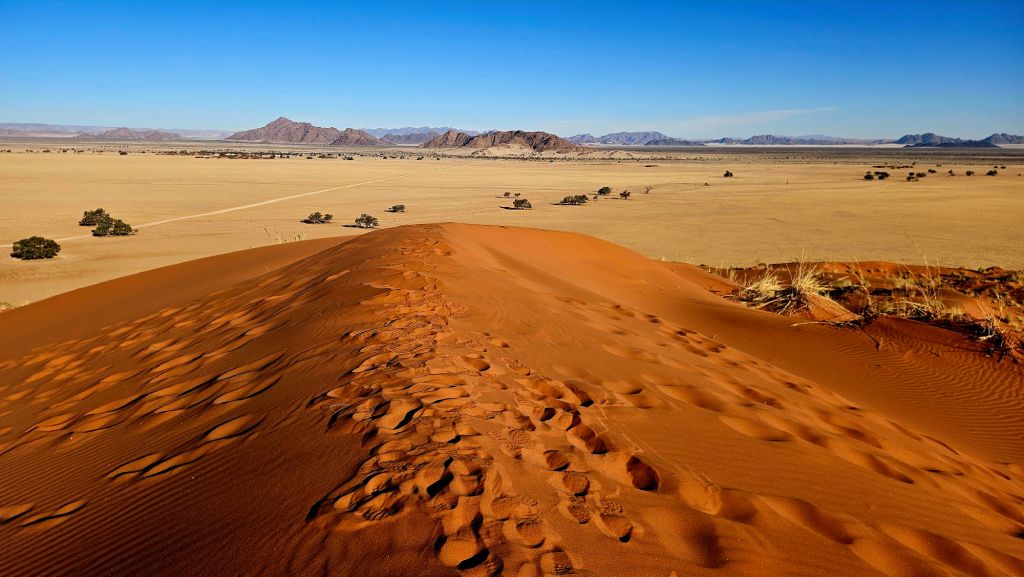
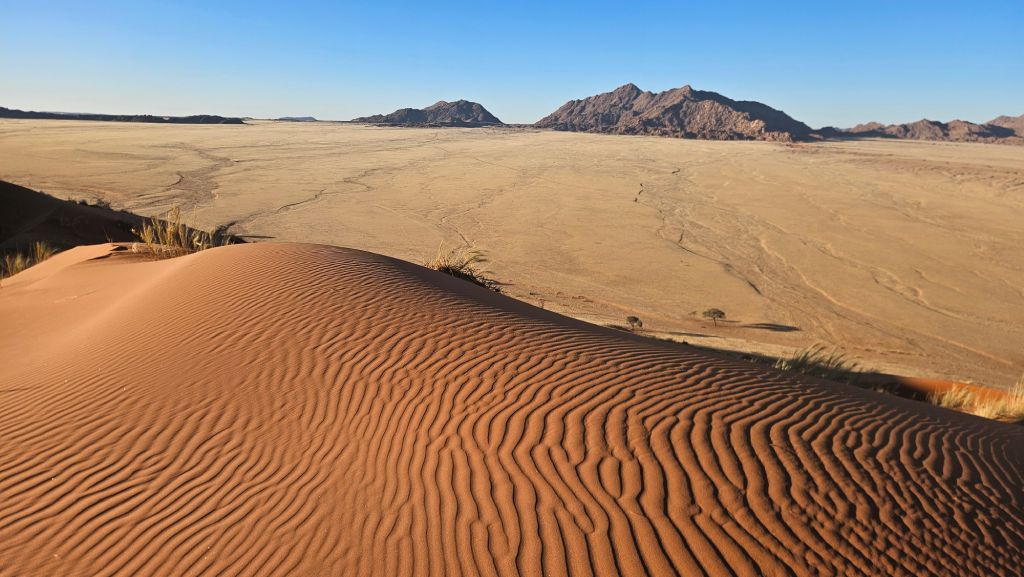
After the long drive on Day 1, I reached the Sesriem Gate, the main entrance to Namib-Naukluft National Park, at 4:00pm.
“Are you sure that you want to enter into the national park today? It is better for you to come back tomorrow early morning?” was the advice of park ranger.
“Don’t worry. I am going to Elim Dune. I will only climb the dune, which is 10 minutes’ drive from the entrance!” I was aware of the time restrictions and the strict opening hours of the park.
I parked my car at the lot below Elim Dune. Only 5 other vehicles were around. As I started to climb, everyone else left, and soon I saw no one; just endless sand and fading footprints.
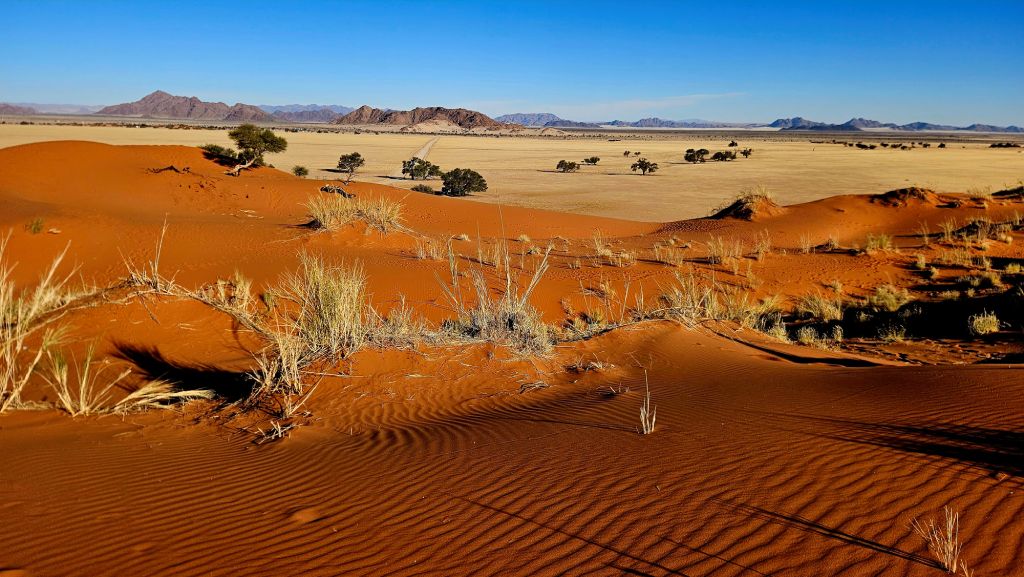
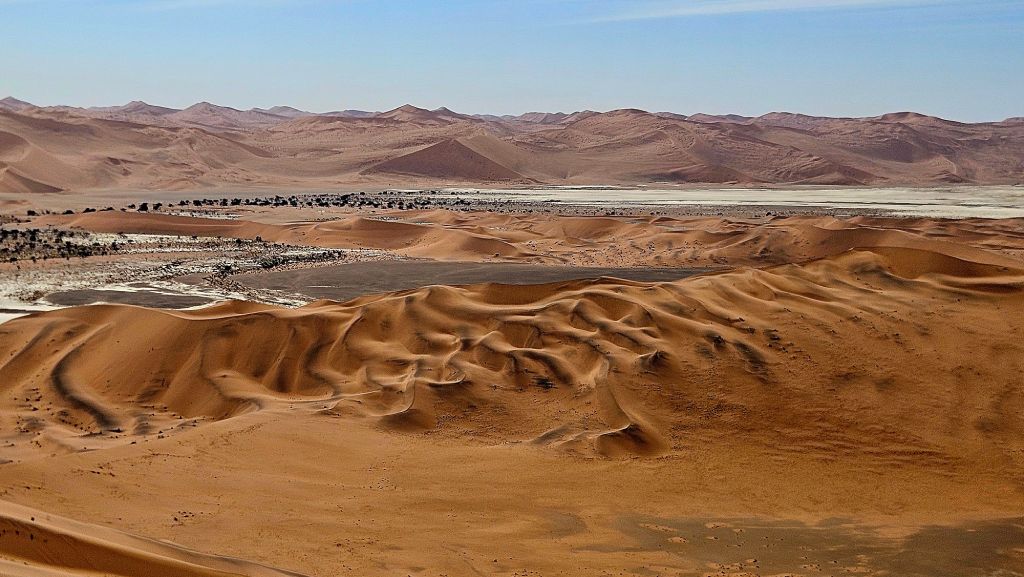
I kept walking uphill, stopping to admire the view. The late afternoon sun turned the sand into incredible shades of orange and brown.
When I reached the top, I saw more cars arriving below. Running down the dune, I passed groups of people struggling to climb up. Too late for them to appreciate the beautiful sunset.
Climbing Dune 45
I spent the night in an expensive lodge 75 kilometers away from the park entrance. In the morning, I left early to reach the Sesriem Gate by 7:00am. It was only 3°C in the morning.
Although I had planned my day carefully to make the most of my time, I couldn’t resist stopping along the way. The views of the dunes were simply too stunning to pass by.
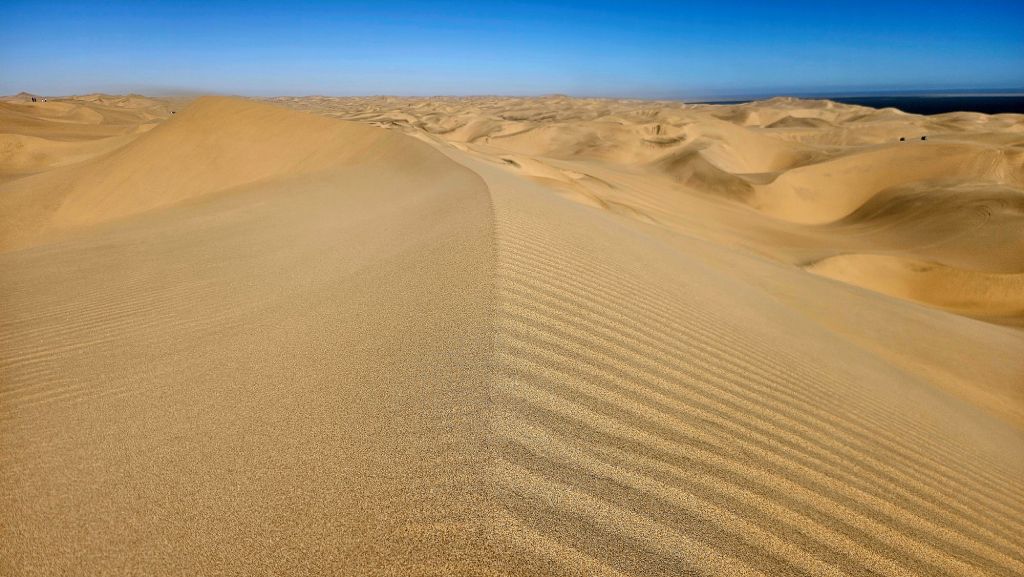
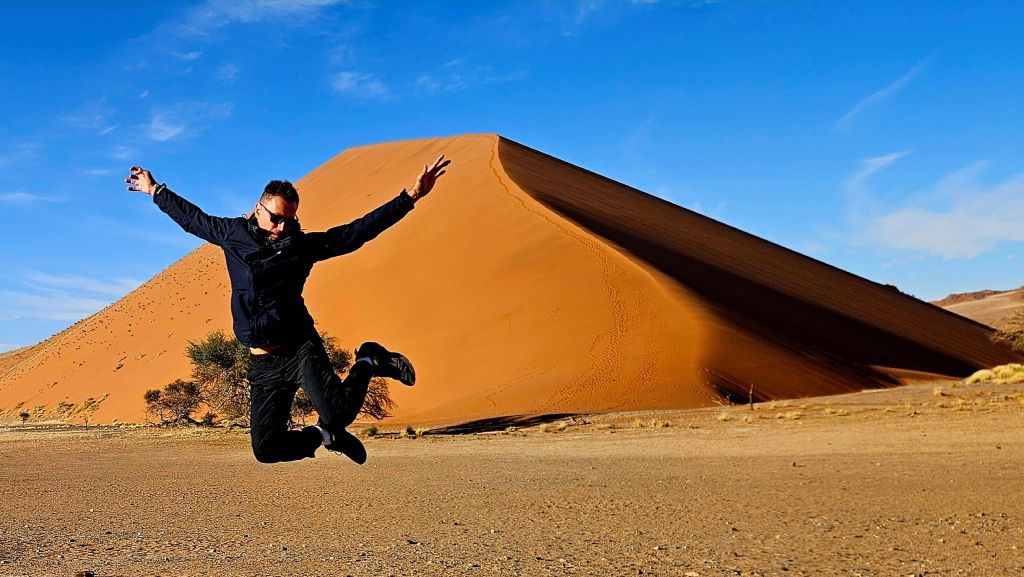
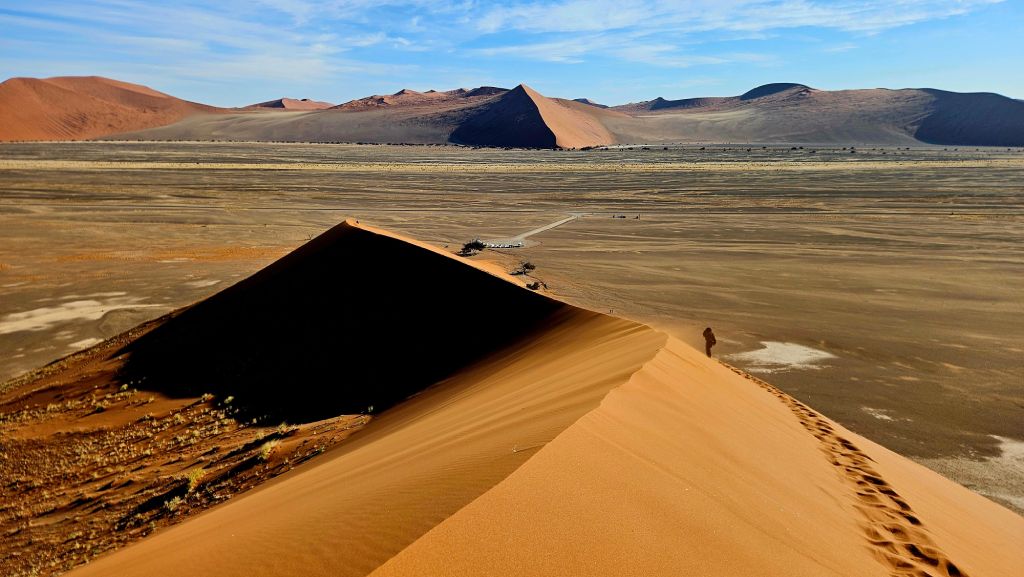
Climbing Dune 45 wasn’t part of my plan, but when I got close, the ascent didn’t seem too hard. I started up climbing the soft sand from the sheltered side to avoid the wind. From the top, the view over the valley was absolutely spectacular.
Dedvlei and the Big Daddy Dune
Instead of venturing into the soft sandy track, I decided to leave my car at the parking lot and take the shuttle to Deadvlei.
A few hundred tourists were already making their way back, when the clouds began to clear. It was perfect timing to avoid the crowds, who had visited earlier in the morning.
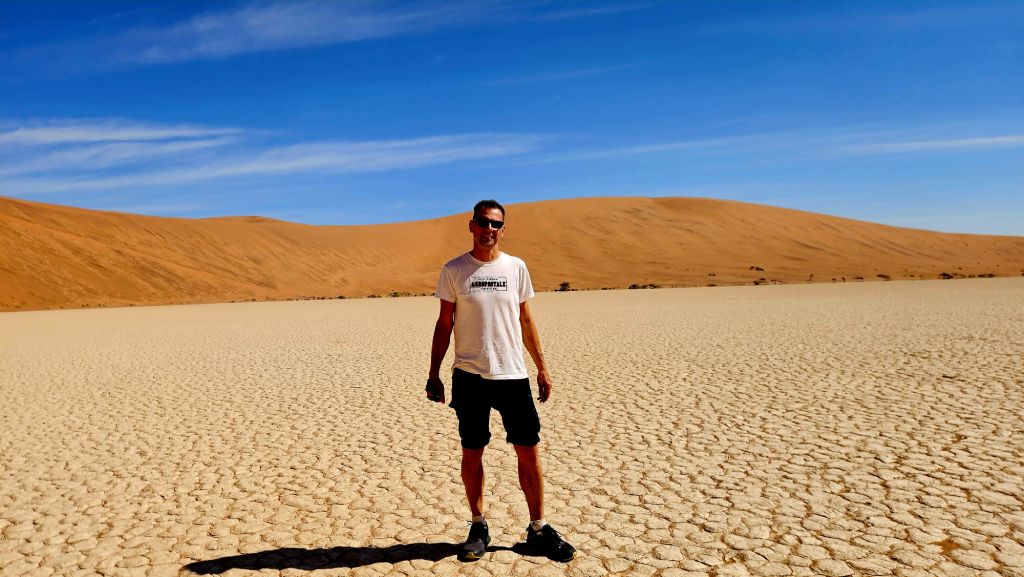
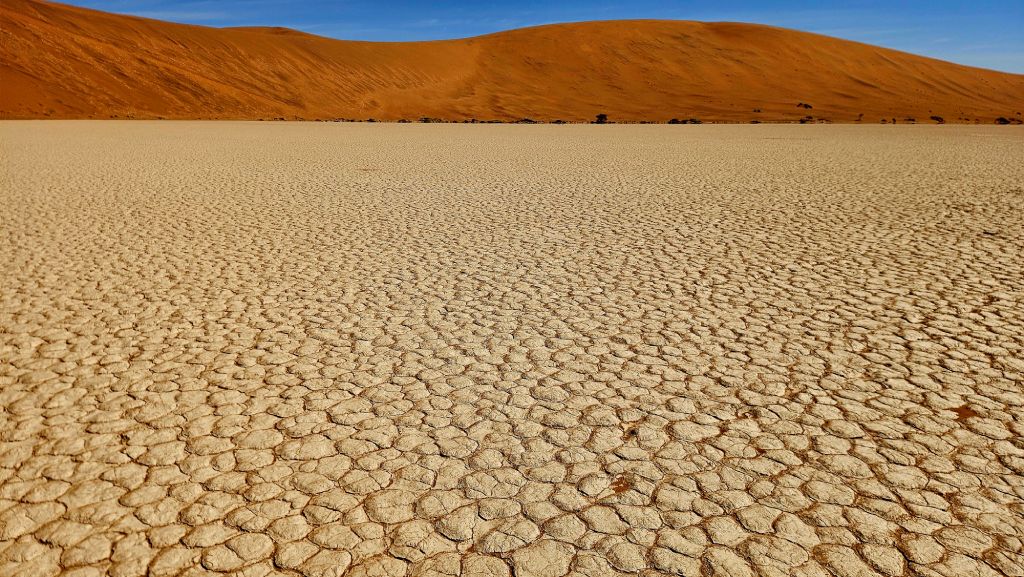
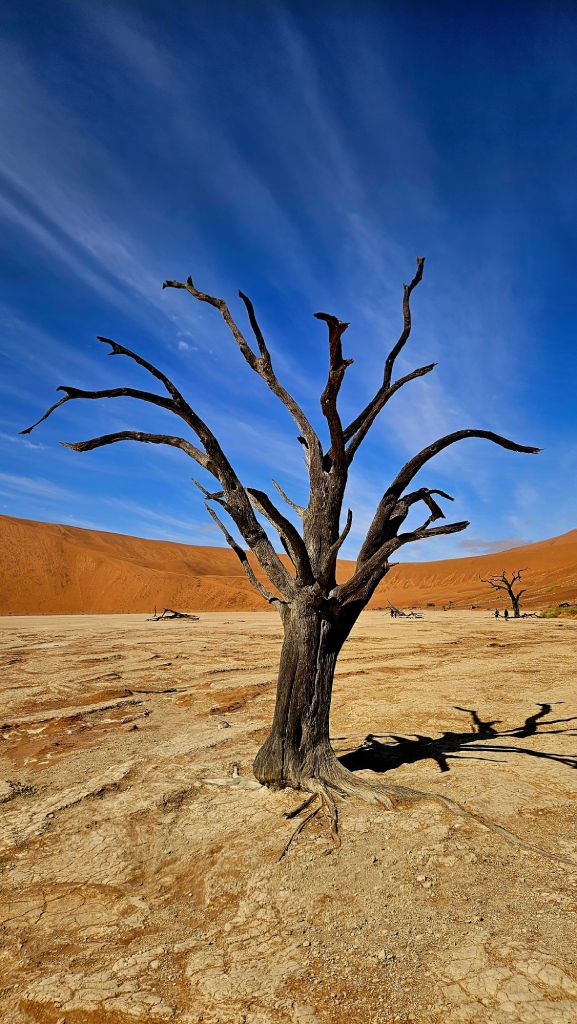
After a short ten-minute walk from the 4x4 parking area, I reached the iconic Deadvlei. A white clay pan scattered with the ghostly remains of camelthorn trees, surrounded by high dunes, is one of Namibia’s iconic landmarks. The scene was surreal; mesmerizing to look at and extremely photogenic.
The trees died 600 to700 years ago. Their blackened trunks have been preserved by the dry desert air.
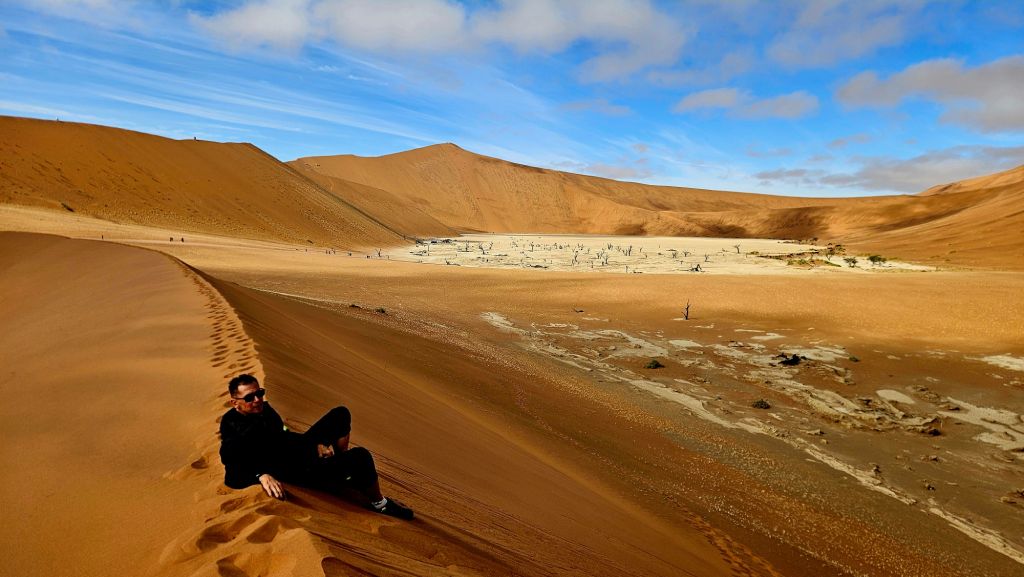
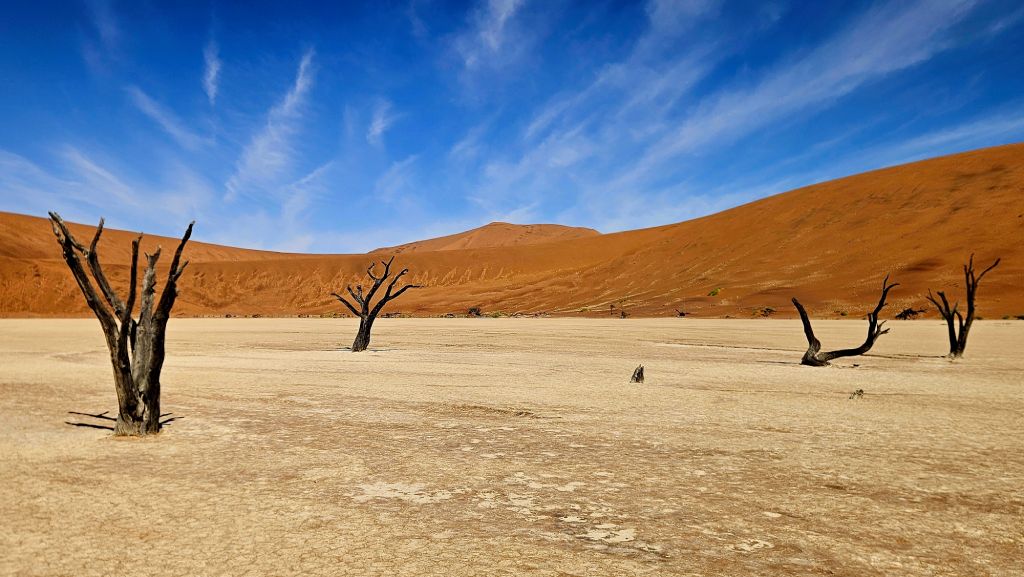
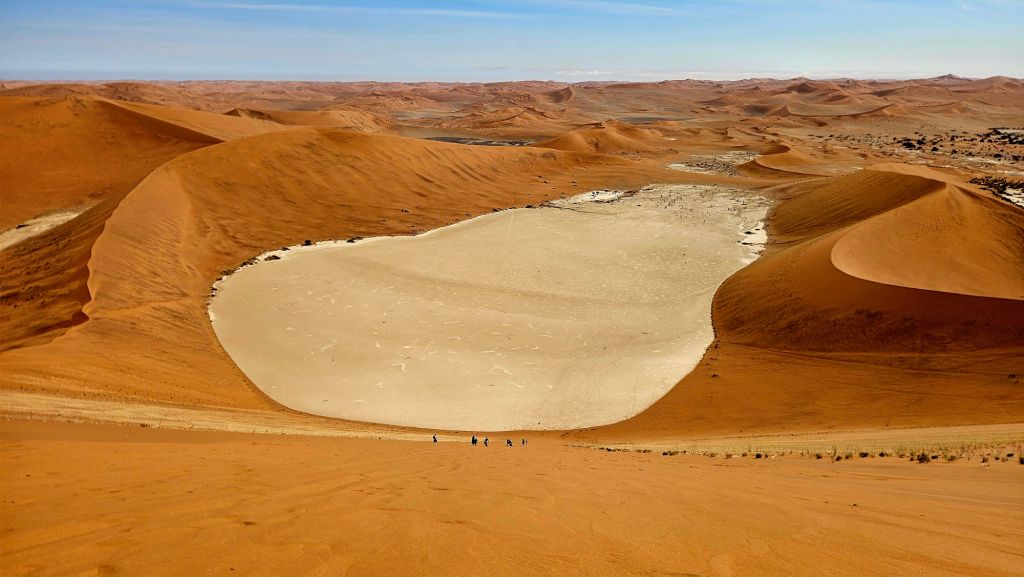
Climbing the tallest dune in Sossusvlei with a height of 325 meters was much more difficult than I expected. The Big Daddy Dune hike is much more challenging than Dune 45: longer, with softer sand and very steep as well.
By the time I reached the top, the whole area was almost empty of other visitors. Standing in the top, with 360° view along the valley and the Deadvlei bellow me, was probably one of the most special moments of Namibia trip.
If going up can be challenging, running down on the soft send was pure pleasure. One of the most fun things to do in Sossusvlei. I took of my shoes and descended barefoot, laughing, smiling and enjoying every step. In a question of a minute or two, I reached the bottom and returned to the parking lot, crossing Deadvlei one last time.
The drive back to Swakopmund was long, but by then I was already an expert on Namibia’s gravel roads. Cruising at over 100 km/h, I was gliding over the ridges with ease, completely in control of the car.
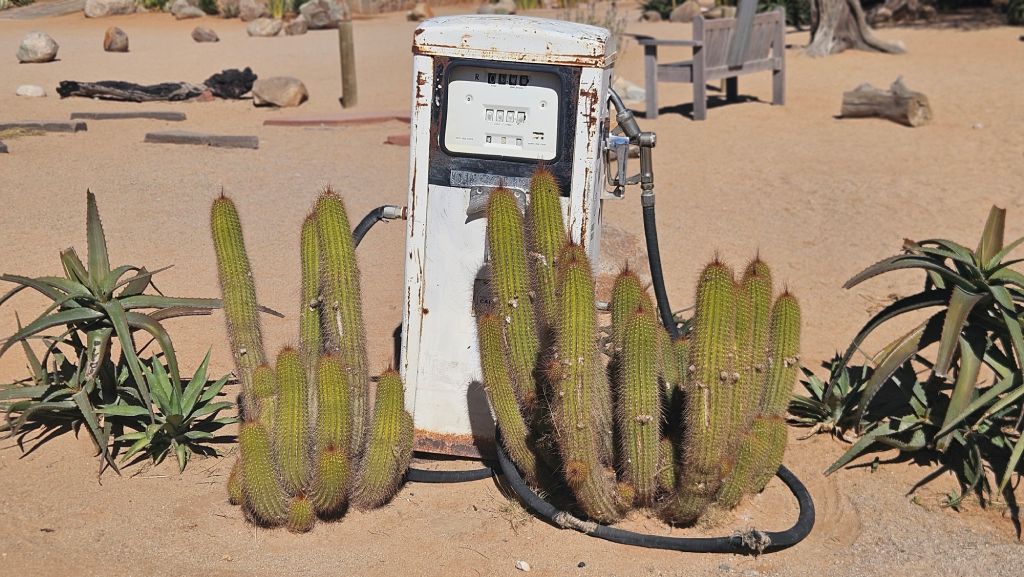
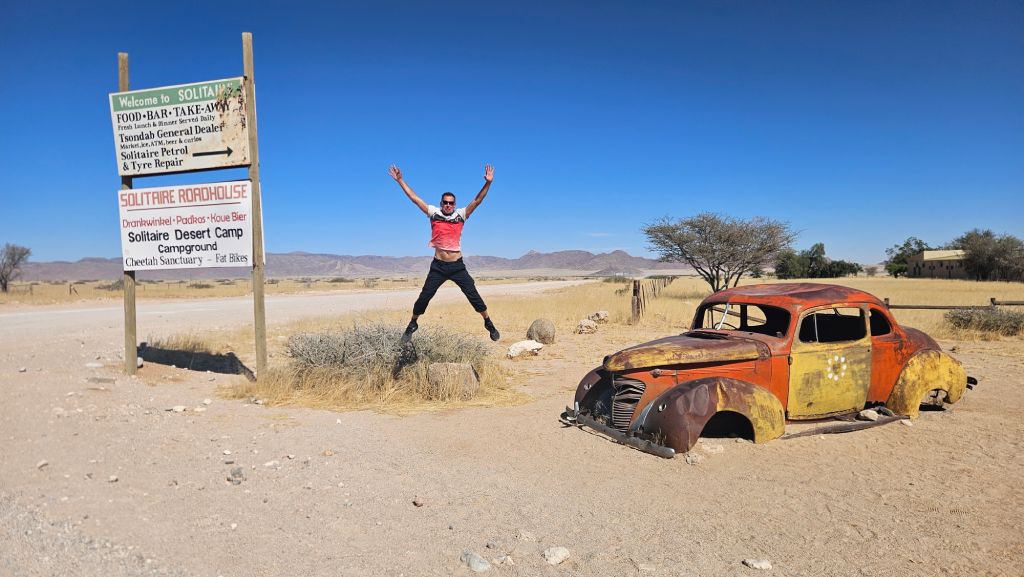
I stopped in Solitaire - a lonely outpost with a lodge, campsite and gas station that looked like from an old Western movie. It felt like a Route 66 stop in the middle of nowhere. Around the lodge stood rusted remains of old cars from the 1950s, perfectly preserved by the dry air.
I filled up the tank, grabbed a cold bottle of water, stretched my legs, and had a coffee at Café van der Lee before continuing my travel.
There was almost no traffic on the last 200 kilometers until Walvis Bay airport. I saw only 4 cars. The sunset, as always in Namibia, was breathtaking, and driving west into it made the whole journey unforgettable.
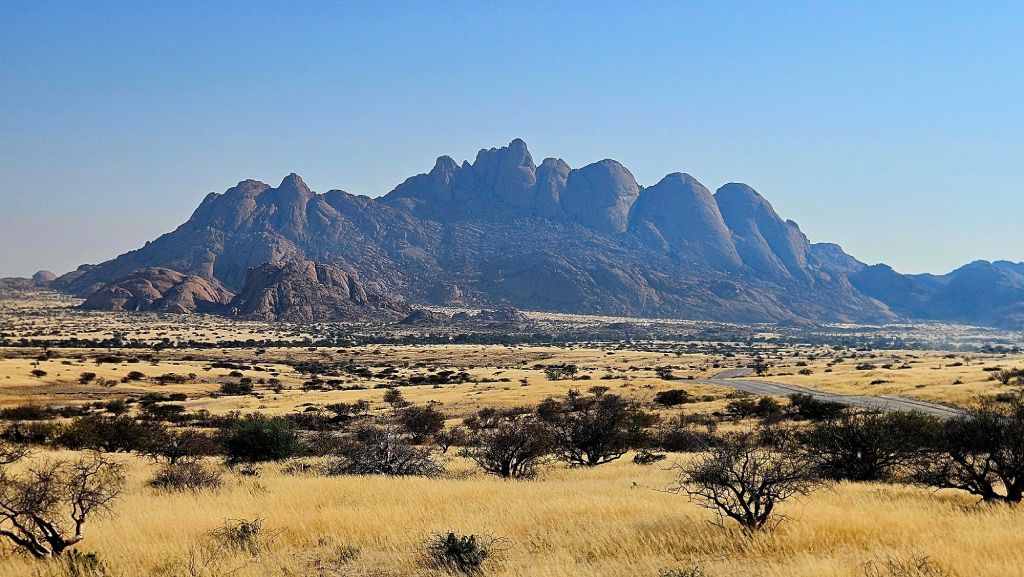
Granite peaks of Spitzkoppe
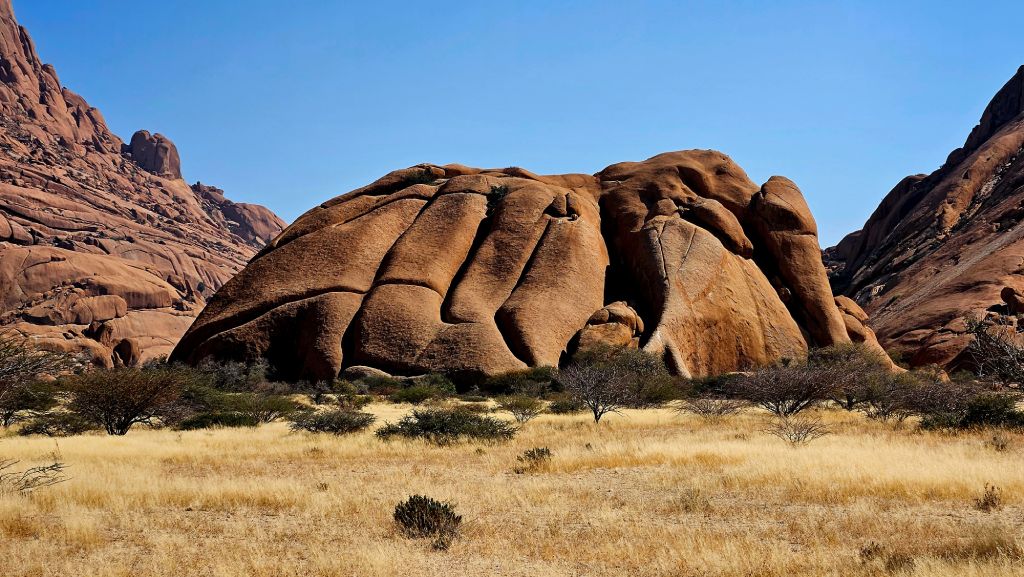
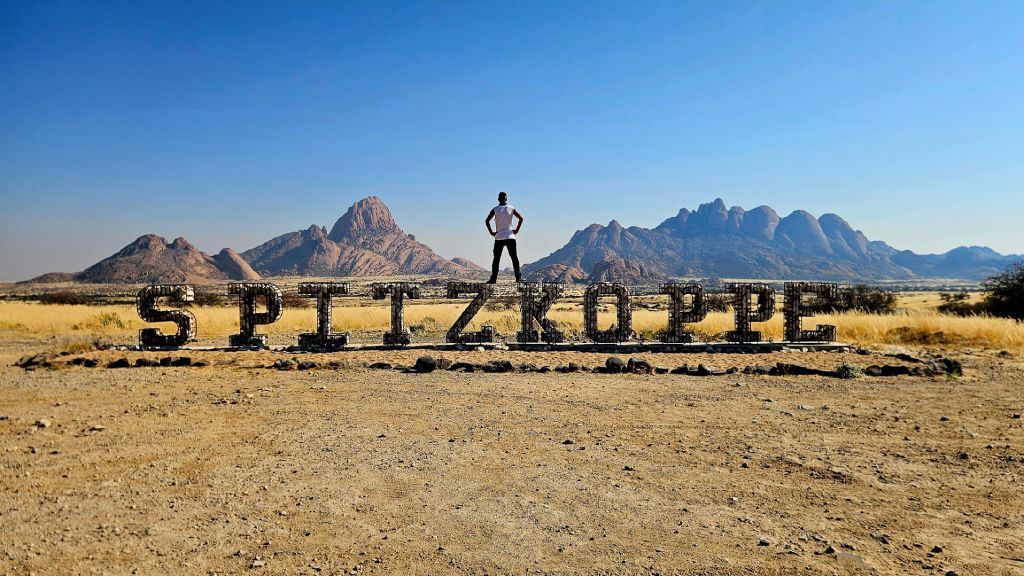
The next day I visited Spitzkoppe, a group of bald granite peaks in the Namib Desert, about two hours from Swakopmund. The drive was easy, mostly on the highway, with the last 30 kilometers on gravel – a piece of cake compared to the previous two days.
Spitzkoppe, standing 1,700 meters high, is a striking monolith on the edge of the Skeleton Coast, where some of the oldest San rock paintings have been found.
The peaks stand out sharply from the desert and are far less crowded than Sossusvlei.
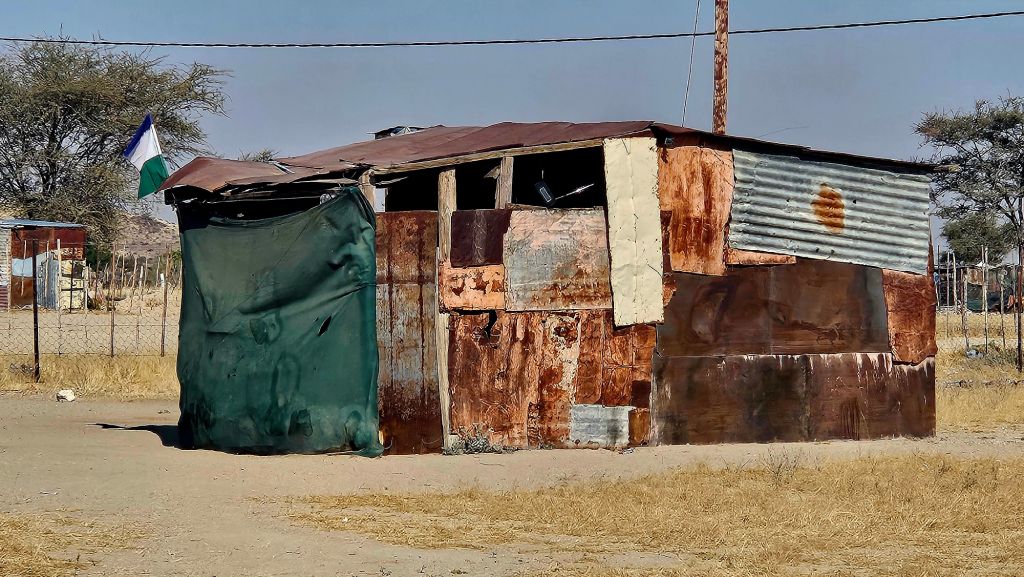
From the viewpoint before the nearby village, I took my favorite photo of the mountain, but also saw the poverty below. Simple metal huts, no real infrastructure, and children selling stones along the road were a clear reminder that Namibia is much poorer than it seems.
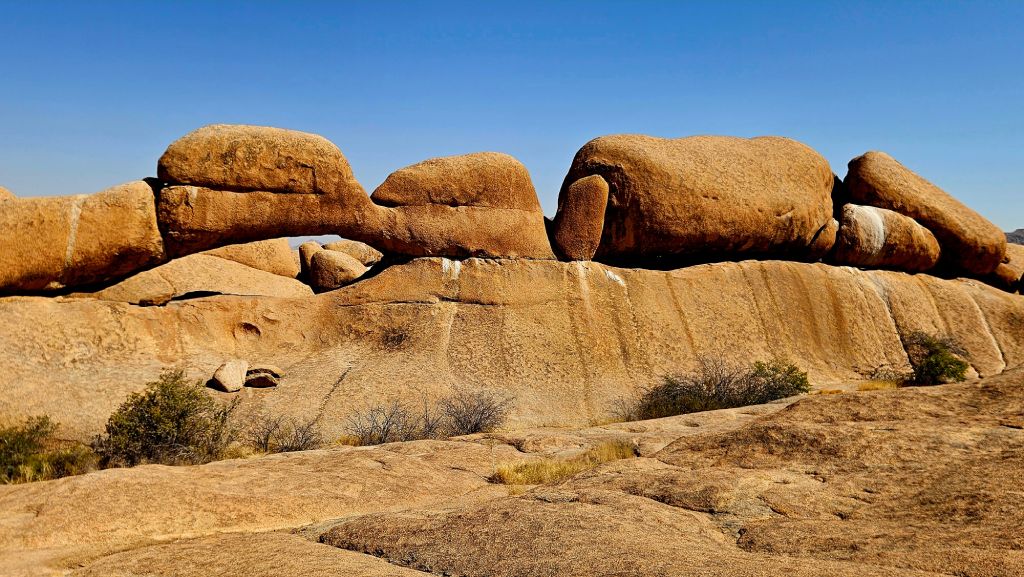
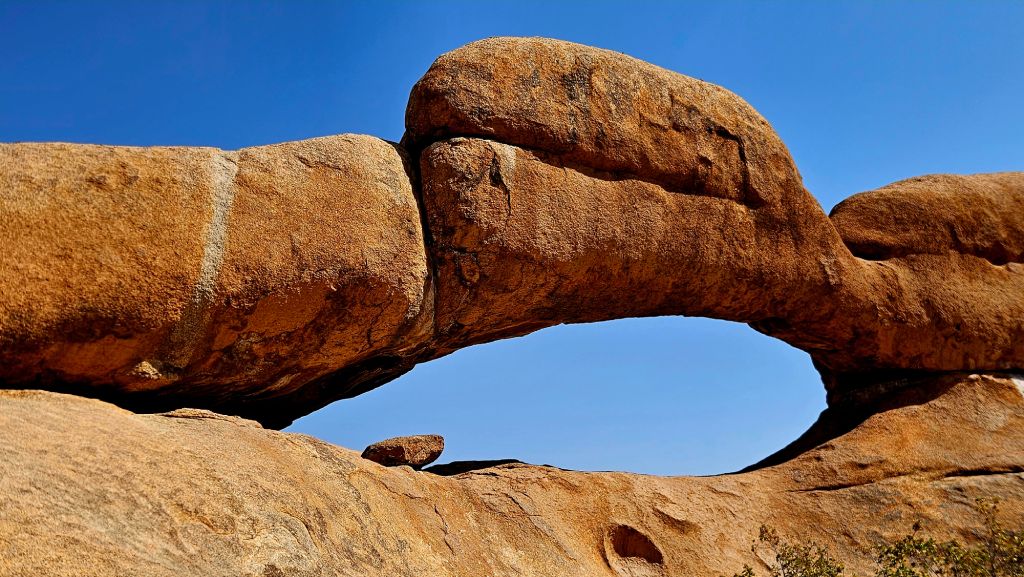
I spent the whole morning exploring, stopping at different viewpoints and climbing some of the smaller peaks near the famous Rock Arch - a natural formation that has appeared in many movies.
The Rock Pool was disappointing, completely dry, but the view over the Rock Arch and surrounding mountains was perfect. The climb was easy; the hardest part was jumping a one-meter gap; more mental than physical.
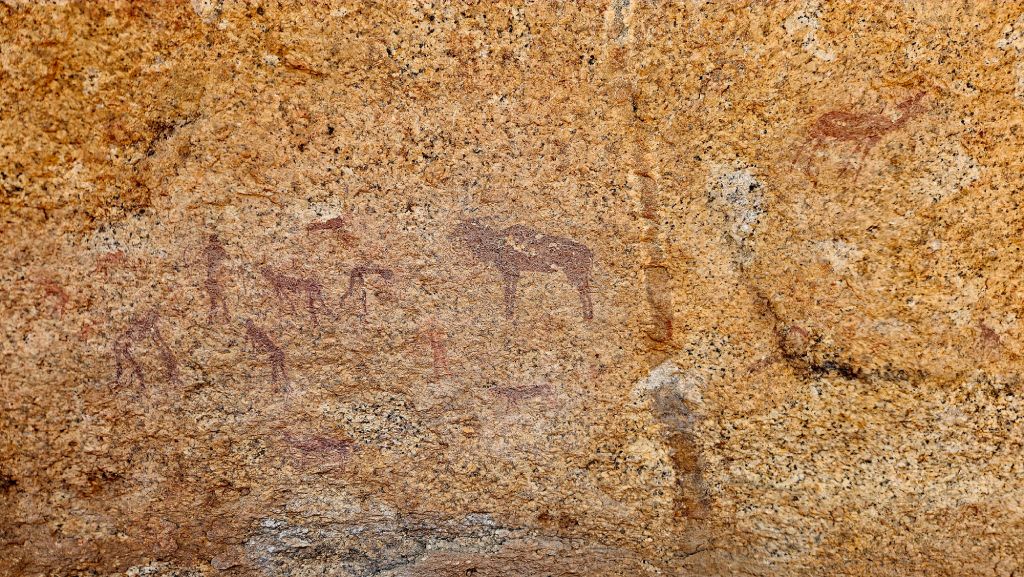
The afternoon hike to Bushman Paradise Cave was short but exciting, with chains to help along the steep slope. It was the only place where I had to join a guided group. At the top, we saw ancient San rock paintings, a remarkable historic attraction, and enjoyed a fantastic view over the valley. The guide explained their meaning and pointed out several images.
The unremarkable capital - Windhoek
I travelled from Swakopmund to Windhoek in a shared taxi. Sharing the second-row seat with two large ladies was uncomfortable, the driving speed was high. Around midday we stopped at one of the well-stocked supermarkets.
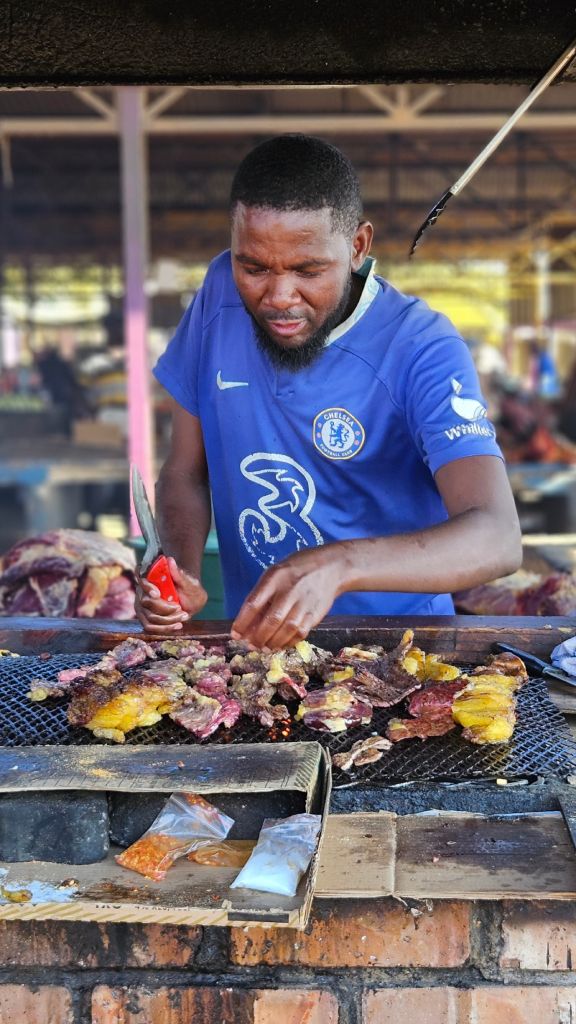
As on many other occasions during my trip in Namibia, I bought some freshly prepared fish, mashed potato and fresh salad. It’s very common and economical to buy a lunch box in a supermarket and then have a picnic in a park or eat while on the road in public transport. All my fellow passengers did the same.
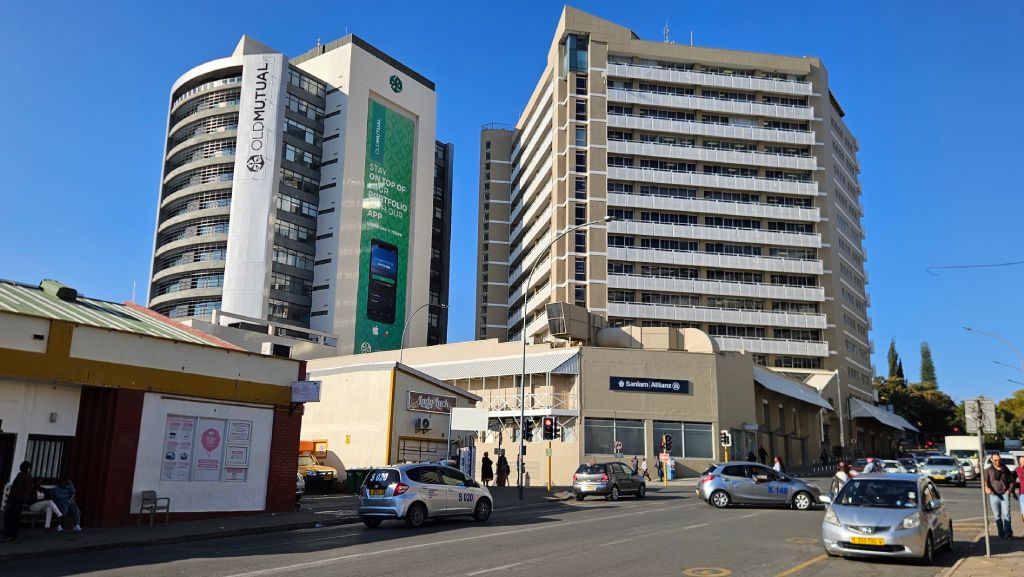
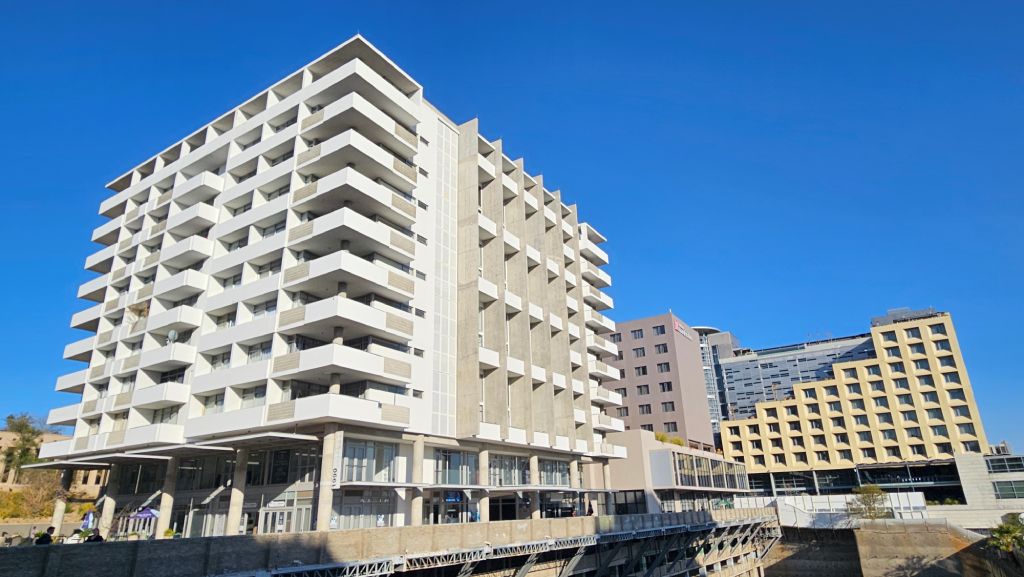
The capital of Namibia, Windhoek, is not a particularly interesting city, without major attractions. Especially in a country with so many other places to visit and things to do, it’s not a major tourist destination.
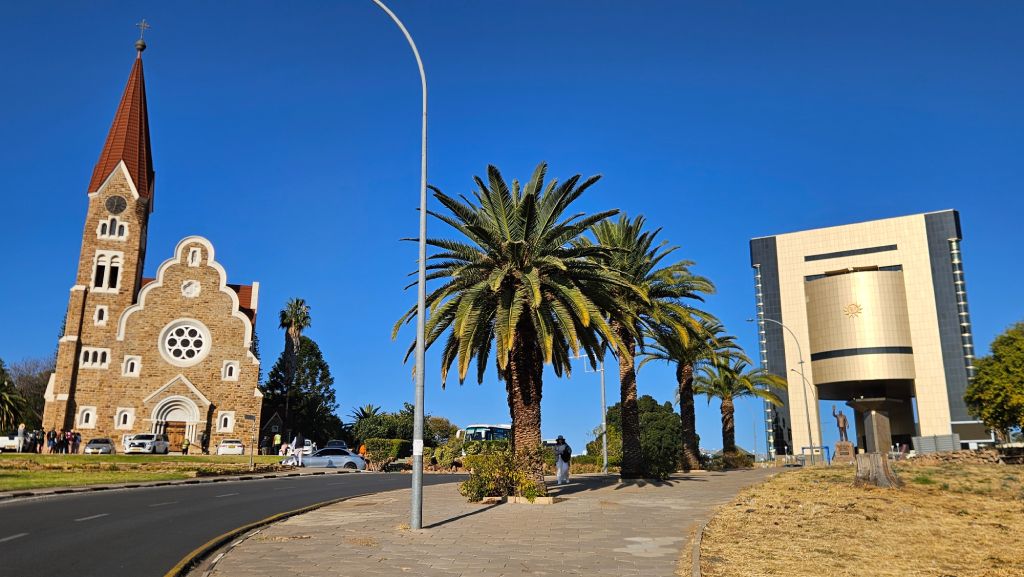
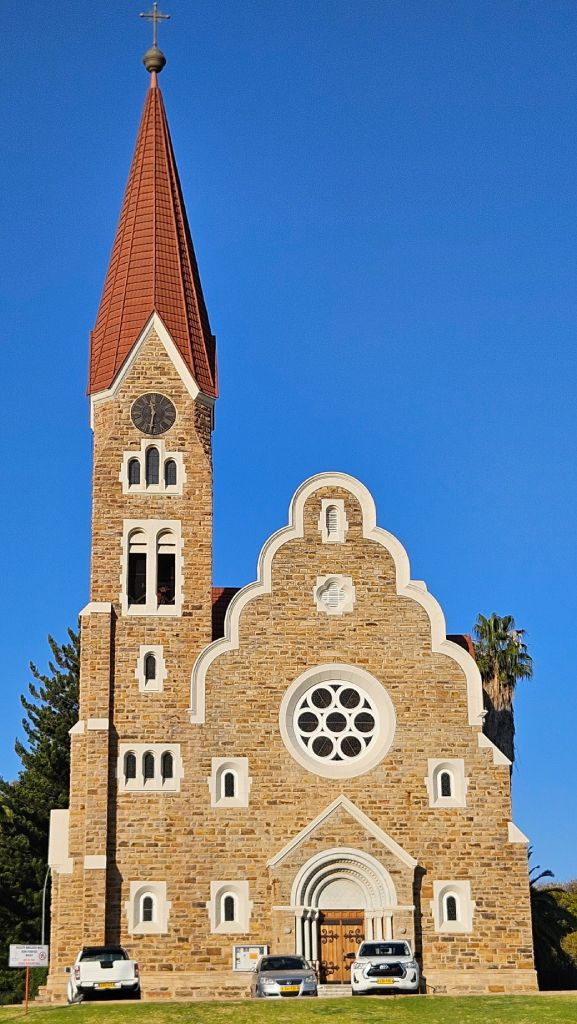
One of Windhoek’s most recognizable landmarks is the Christ Church (Christuskirche), a central piece of Namibia’s history. Built in 1910, after the wars between German colonial forces and the Herero and Nama peoples, this Lutheran church was dedicated as a symbol of peace and reconciliation.
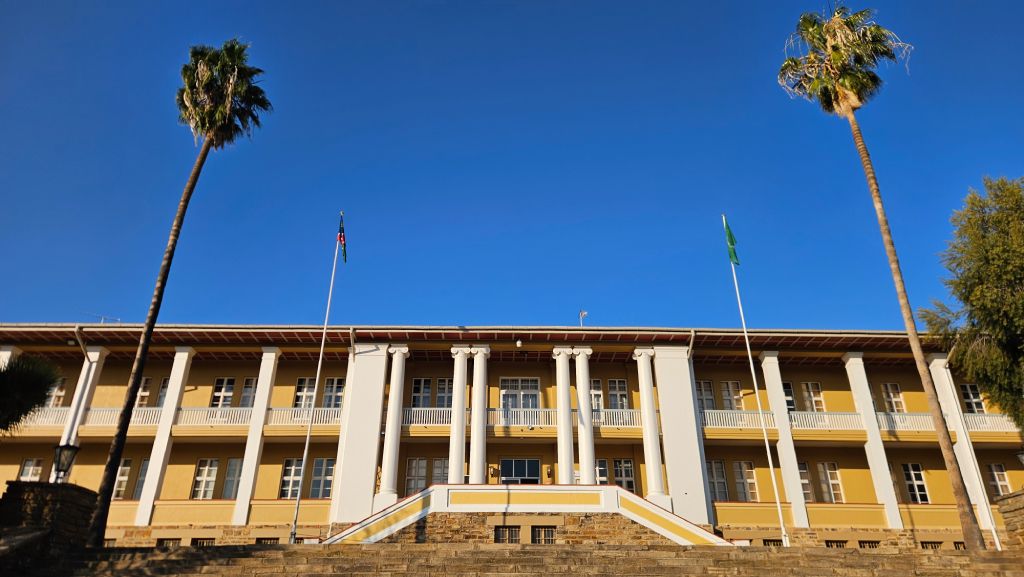
Although the Parliament Gardens were closed during my visit, I still had the chance to see the Parliament Building up close. Also known as Tintenpalast, this grand structure, completed in 1913, serves as the seat of Namibia’s government.
What surprised me most about Windhoek was how early shops, offices and malls close. Some of them as soon as 6:00pm. I later learned this is done for safety reasons, to reduce the risk of crimes after dark. I joined the evening crowd and took a taxi back home as soon as it got dark.

Reflections on my visit to Namibia
Namibia is one of the world’s least populated countries, defined by vast open spaces and striking natural beauty. Home to the ancient Namib Desert and some of the tallest dunes in the world, it combines stunning landscape with a strong community-based conservation system.
Namibia is also a country divided into two very different worlds: one for foreign visitors and another for Namibians themselves. These two worlds rarely come together.
Most tourists never get a true glimpse of local life, while most locals can’t afford to visit the remote places that attract so many foreign visitors.
I managed to get a much deeper understanding of the country than the average tourist who rents a luxury 4x4 and spends most of their time in isolated spots.
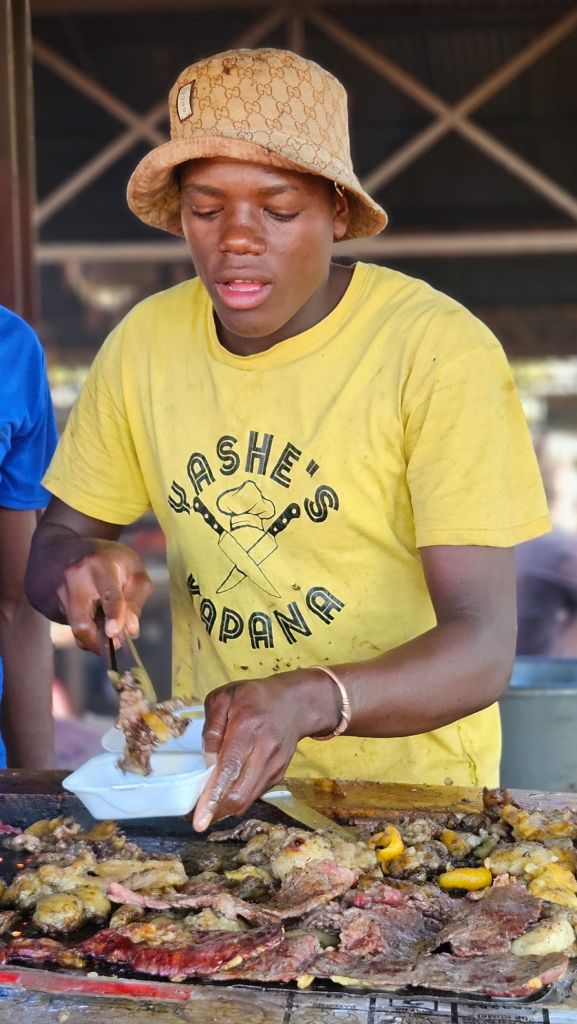
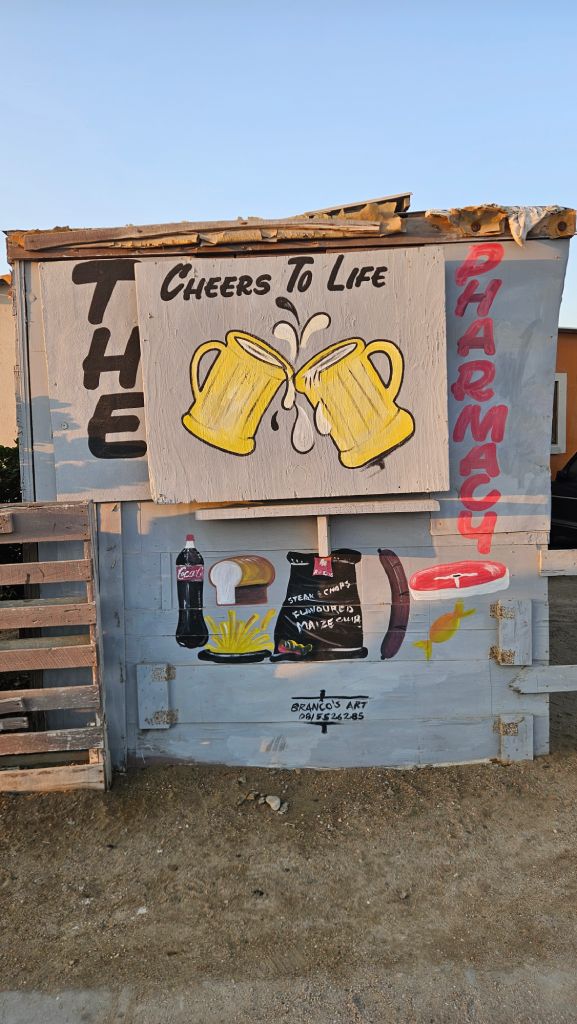
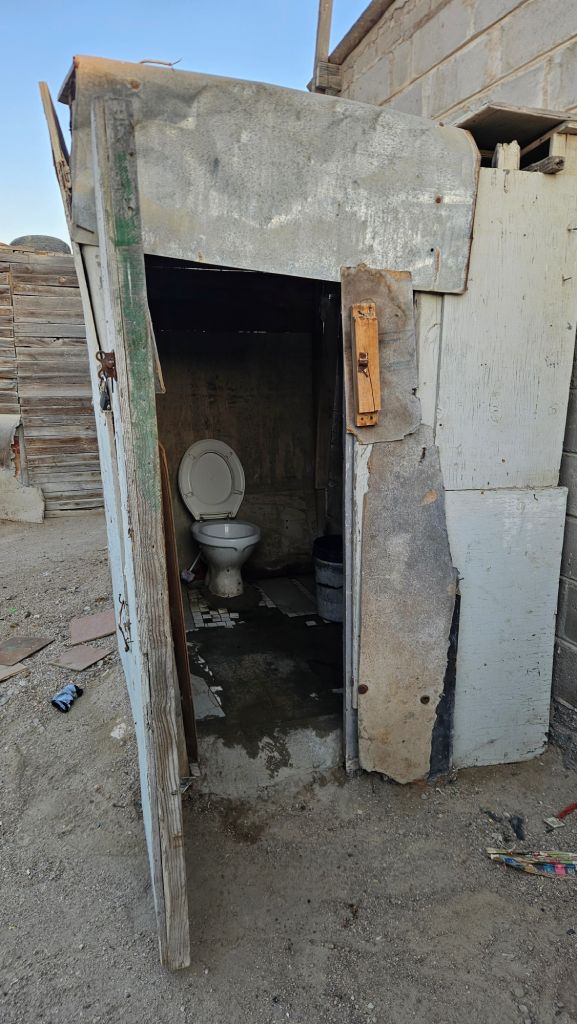
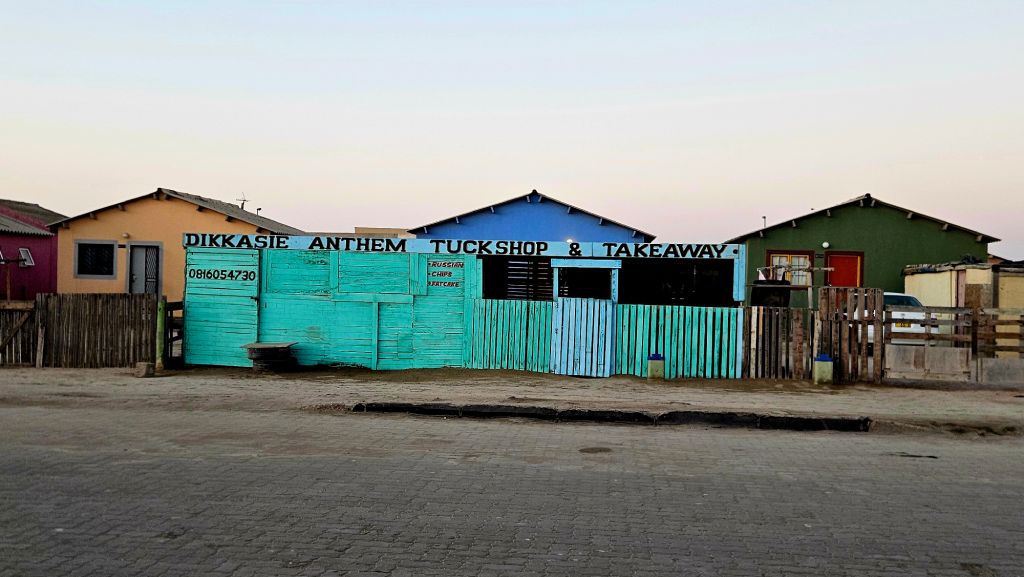
Namibia is a poor country. Despite its incredible natural resources and the large number of tourists, only a small elite benefit from it. In the poorer parts of touristic Swakopmund, I saw how modest the average Namibian’s home really is, and how people struggle to survive in such tough conditions. The warnings about safety in Windhoek and the fact that everything shuts down early, are further signs of how many challenges the country still faces.
I hope one day Namibia will become one of Africa’s best places to live for its own people, instead of just a magical place to visit for tourists and a Namibian wealthy minority.
Namibia Travel Photo Gallery