My South Africa travel summary:
Visited: August 2026
Duration of visit: 14 days
Capital city: Pretoria (executive), Cape Town (legislative), Bloemfontein (judicial)
Population: 65.5 million (2026)
South Africa travel blog reading time: 14 minutes
Attractions and places I visited in South Africa:
- Impressed by Johannesburg’s attractions and surprised by its level of safety.
- Exploring South Africa’s apartheid legacy while walking through touristy and deep Soweto.
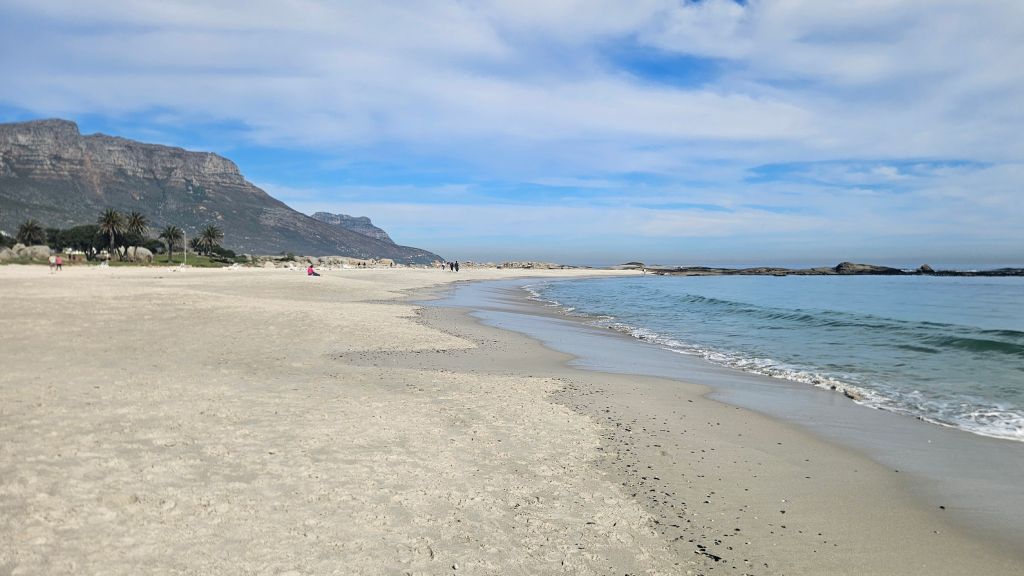
- Spectacular coastal scenery from Cape Town to the Cape of Good Hope.
- Wine tasting in Stellenbosch.
- Watching spectacular humpback whales and dolphins in the ocean around Hermanus.
- Spotting herds of elephants and rhinos crossing just meters in front of the car.
- Lions feeding from just a few meters away at Lion & Safari Park.
Having visited almost the entire African continent, I finally explored South Africa in 2026. After years of postponing the trip, the country finally eased the visa requirement, while ongoing conflicts in the Middle East contributed to a significant decline in tourist arrivals.
South Africa travel adventure was part of my two-month journey, which also included Botswana, Lesotho, Eswatini, Comoros, Madagascar and Mauritius.
Exploring Pretoria on foot
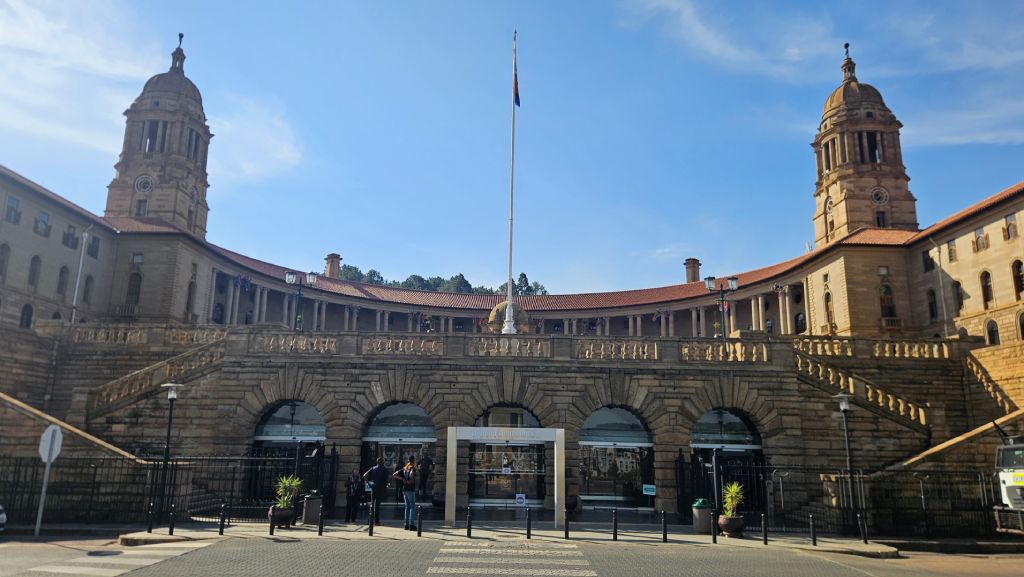
I had not initially planned to visit Pretoria, but I used my full-day layover at Tambo Airport to explore one of South Africa’s three capitals. I took the modern Gautrain to reached Pretoria Central Station. Without any serious plan, I started walking towards the city center along Kruger Street and then continued towards the Union Buildings.
This was my first full day in the country, and I chose Pretoria over Johannesburg because I had heard it was safer.
During five hours of walking around, I hardly saw any white people, which occasionally made me feel uncomfortable and out of place. Passing Church Square and its surrounding park, I found several people simply relaxing or lying on the grass. The Paul Kruger Statue in the middle of the square felt like a fading reminder of the country’s apartheid past.

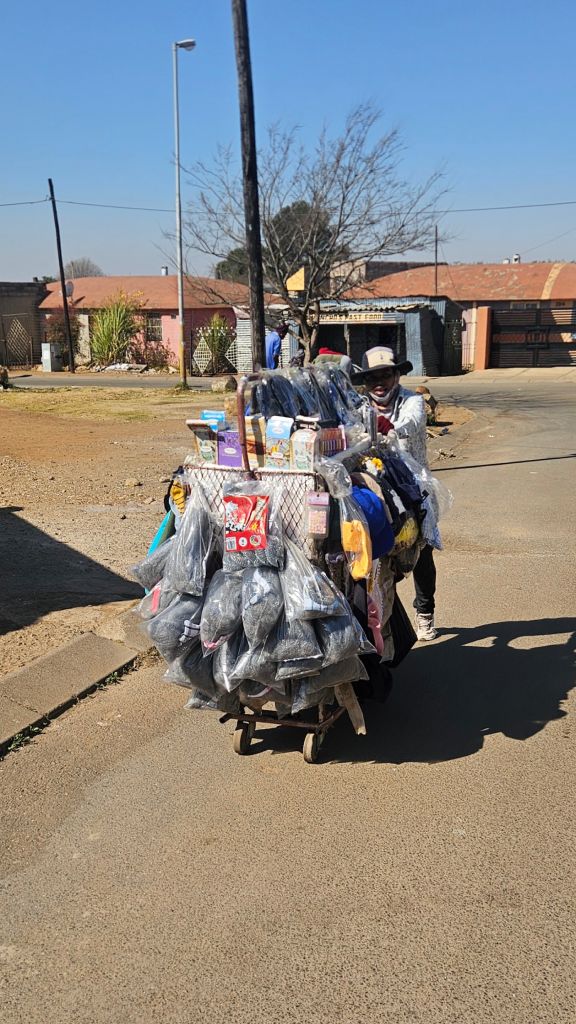
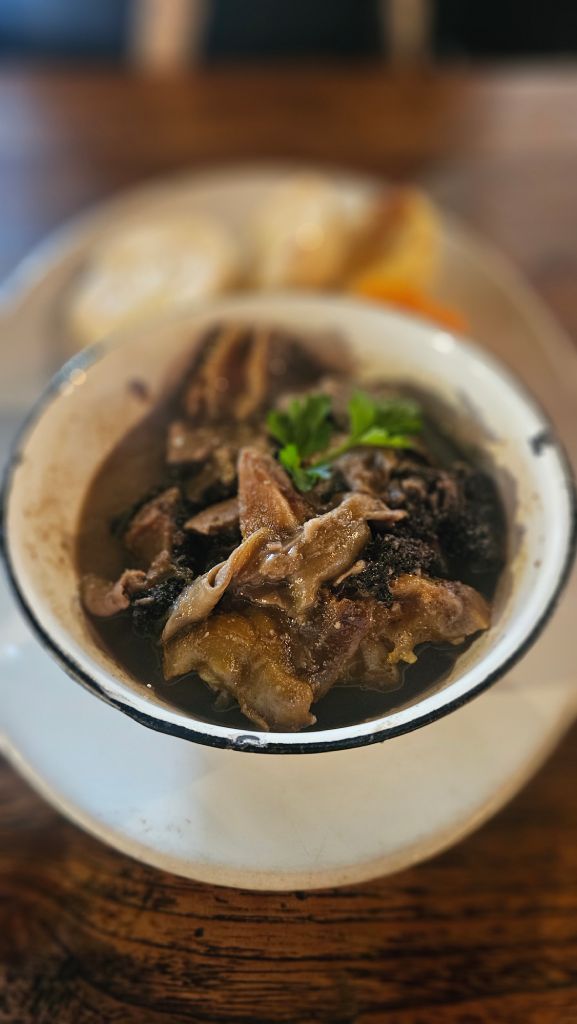
I continued towards the bronze Nelson Mandela Statue while observing everyday life and eating habits along the way. Pretoria was packed with inexpensive fast-food restaurants; fried chicken being particularly popular, probably because of its affordability.
In contrast to downtown, the world’s tallest Nelson Mandela statue, at 9 meters, stands before the Union Buildings, surrounded by a beautifully landscaped flowers garden in peaceful atmosphere. A perfect ending to exploring Pretoria’s landmarks, attractions and historic places to visit.


Johannesburg: beyond the fear
Johannesburg, South Africa’s largest city and economic center, was one of the places I feared most before my visit. Stories of robberies, attacks, dangerous neighborhoods and hostility towards white people had shaped my expectations.
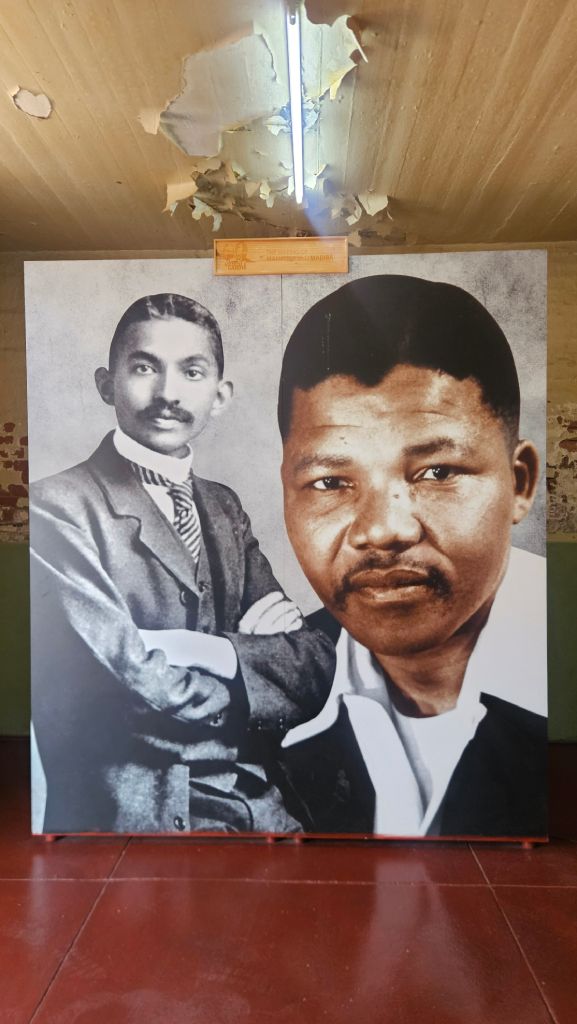
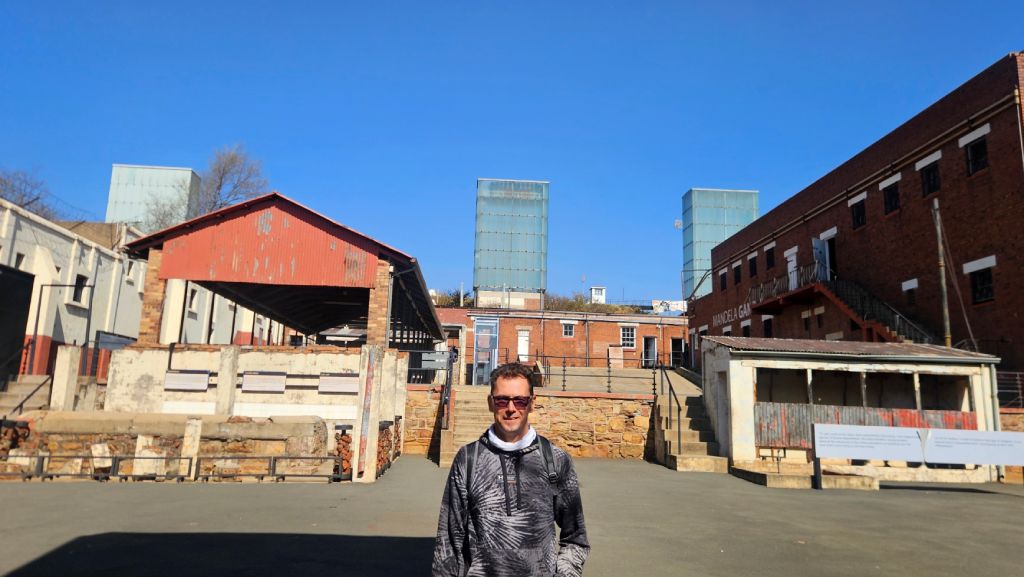
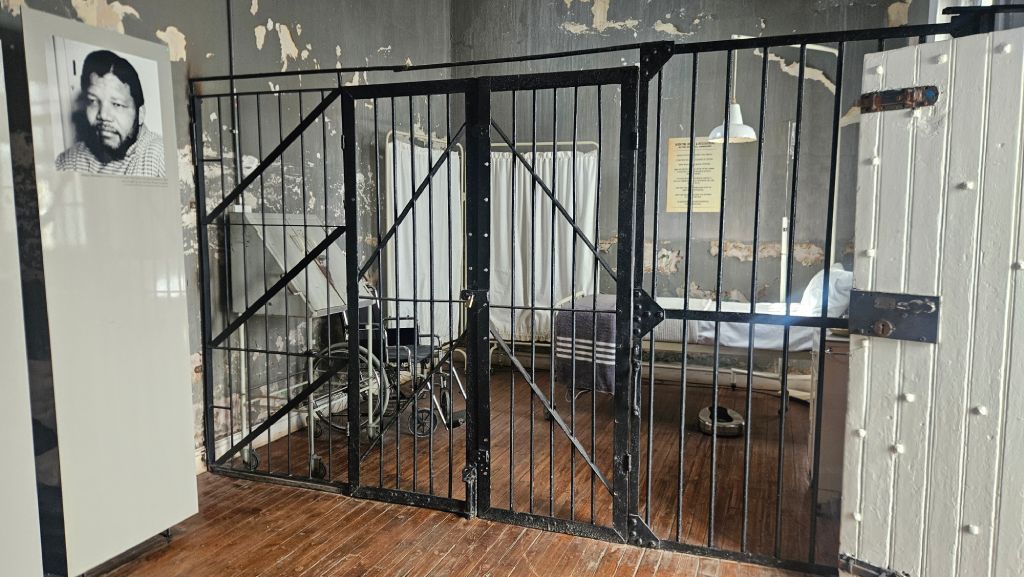
I began exploring at Constitution Hill Human Rights Precinct, a former prison complex where some of the country’s most prominent opponents of apartheid and injustice were detained. Among its most famous prisoners were Nelson Mandela and Mahatma Gandhi.
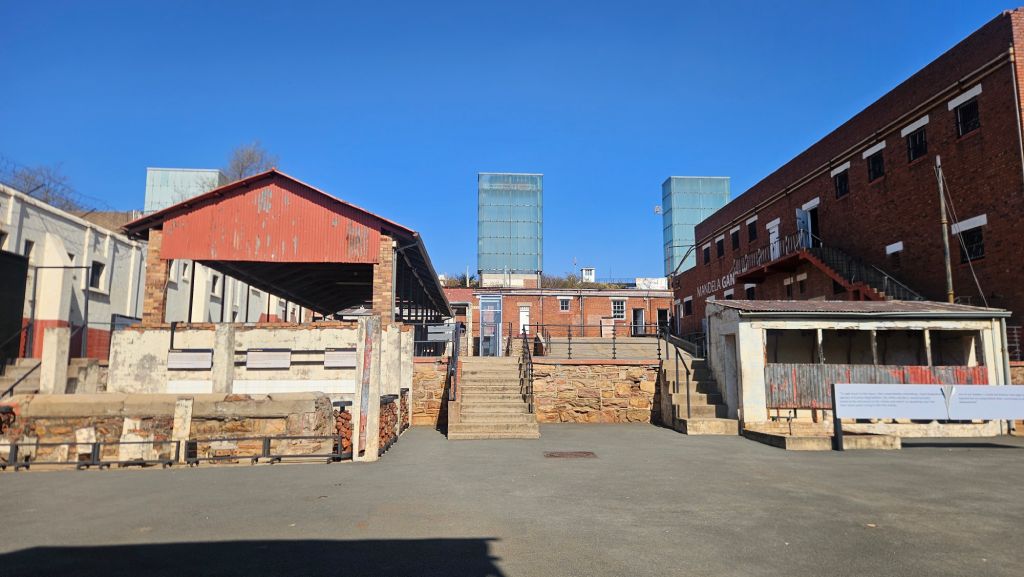

During a guided tour, I learned about the huge differences in treatment between white, Indian, and Black prisoners.
While Black prisoners endured harsh conditions, inadequate food, and oppression, white prisoners generally enjoyed considerably better treatment and living conditions.

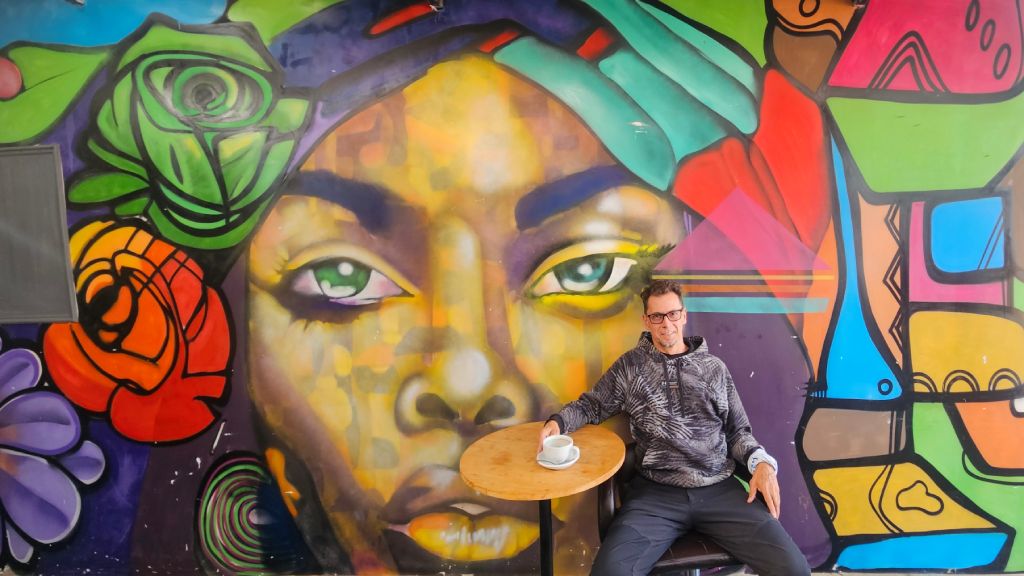
Immediately after leaving this important landmark, I began to feel uneasy. A few suspicious-looking people were nearby, while the streets were empty and littered. I took a taxi to Maboneng, known for its nightlife, galleries, restaurants, and colorful street art. Although the main area felt relatively safe, the atmosphere changed noticeably as soon as I moved away from the main avenue.
By late afternoon, I decided to skip Johannesburg’s CBD, which everyone had warned me about.
“Don’t go there. Go to Sandton or Rosebank instead, where you’ll find shopping malls, upscale restaurants, and plenty of security.”
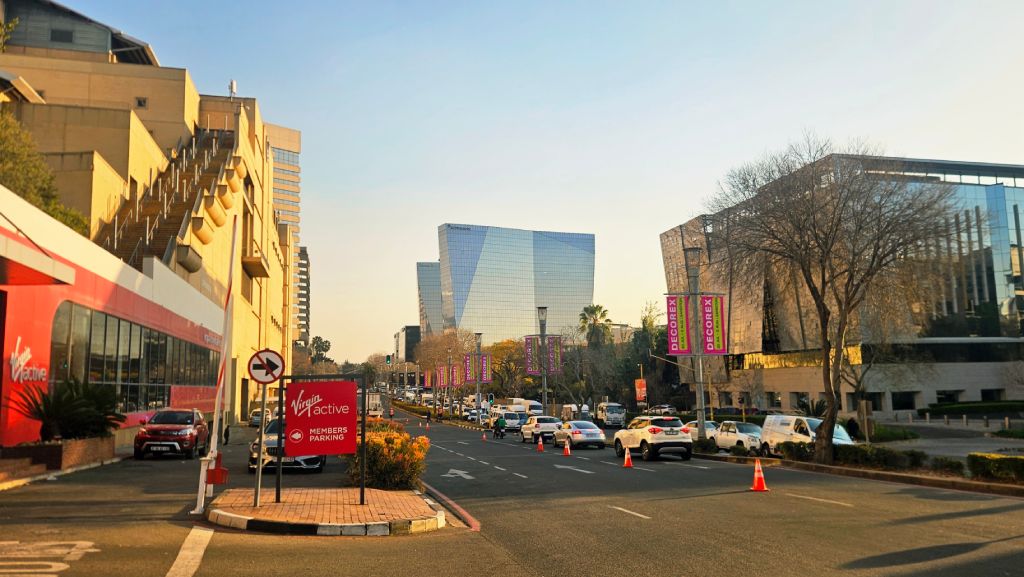
I had apparently made the right choice by staying near Rosebank Mall. A comfortable apartment in a secured building, just steps from a busy mall proved an excellent base for exploring Joburg.
Soweto: from fear to fascination
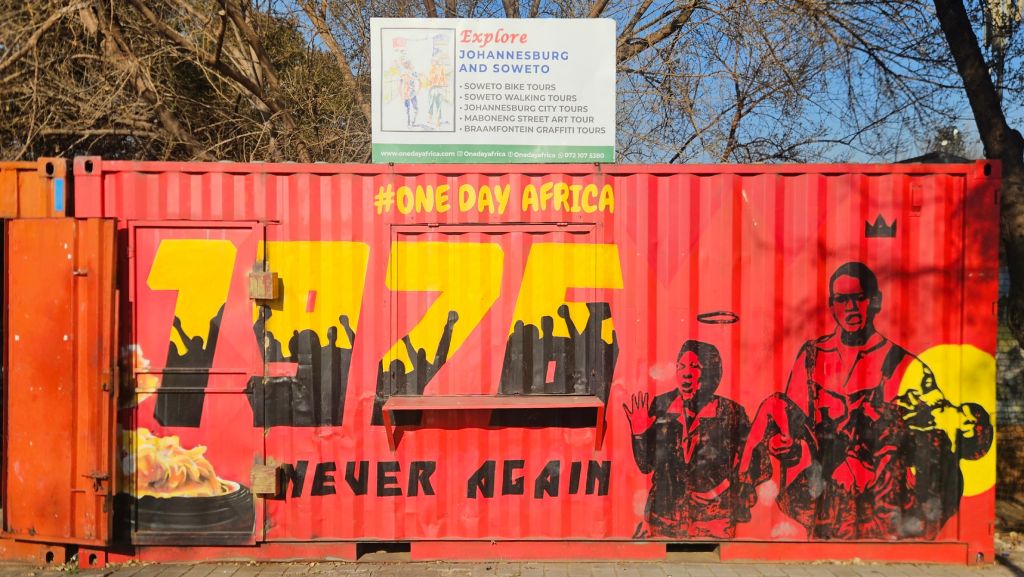
Soweto is one of Johannesburg’s most remarkable neighborhoods, where the 1976 uprising became a defining moment in the struggle against apartheid.
Before my South African adventure, I had no plans to visit Soweto, assuming it was unsafe.
After doing some deeper research, I decided to visit Vilakazi Street, the main tourist area, with several important historical places to visit. It is promoted as the only street in the world where two Nobel Peace Prize winners once lived: Nelson Mandela and Desmond Tutu.

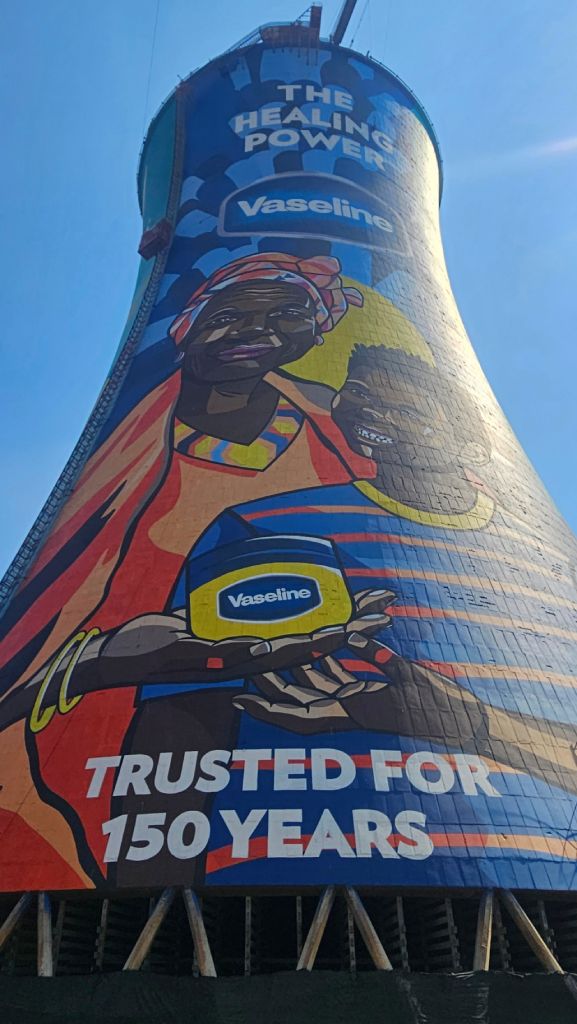
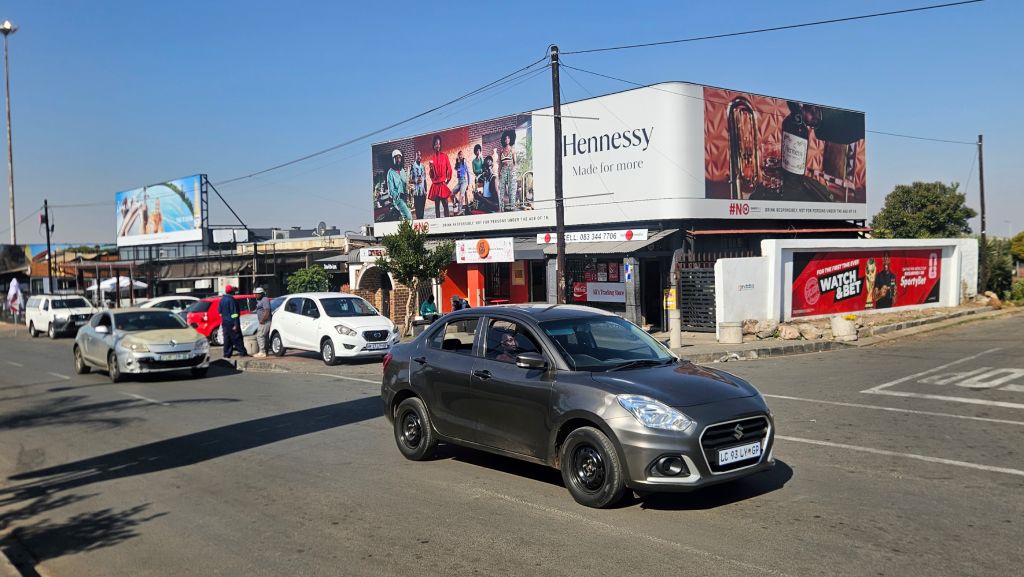
On the way there, I spotted the Soweto Towers in the distance. The two striking towers are part of a former coal-fired power station. Once contributing to air pollution, they are now a colorful landmark covered in advertisements and a popular bungee-jumping attraction.
“Soweto is safe. The idea that it is a dangerous place is a myth,” my friendly taxi driver told me.
Although I arrived early in the morning, I quickly noticed that this was a very tourist-oriented area with unquestionable security. Vendors were still setting up their stalls when I started walking along one of Johannesburg’s most famous streets.


Soon, an older, cheerful man approached me and offered to explain the history and show me the main sights. We quickly agreed on the price and started the tour.
During the informative walk, I learned more about the importance of 16 June 1976, when the Soweto uprising became a defining moment in the struggle against apartheid and attracted international attention.
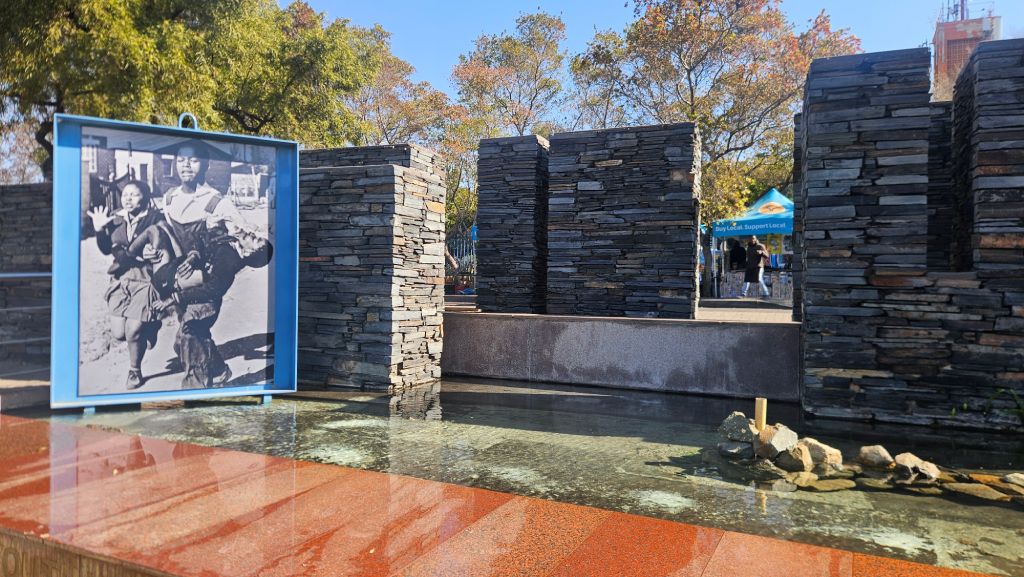
The killing of the young Hector Pieterson, and the publication of the famous photograph showing his body being carried away, exposed the reality of apartheid to the world.

Into the heart of Soweto
I quickly realized that Vilakazi Street was mainly a tourist attraction and did not show the real Soweto of today.
“I want to see the heart of Soweto,” I told Simps, my guide. “No tourist landmarks or attractions.”
He looked at me a little surprised, stopped a passing minibus and we headed to a completely different part of Soweto.
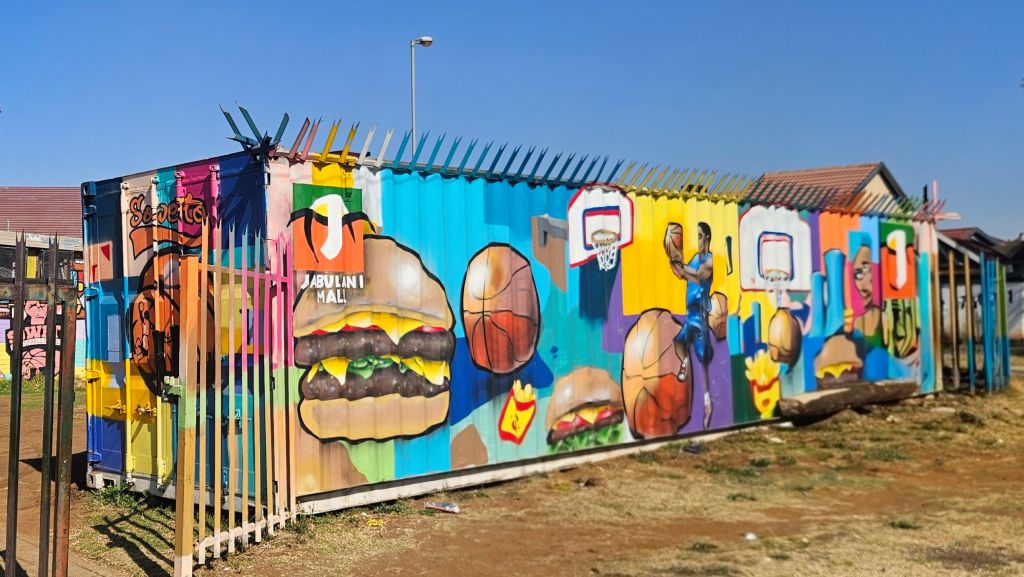
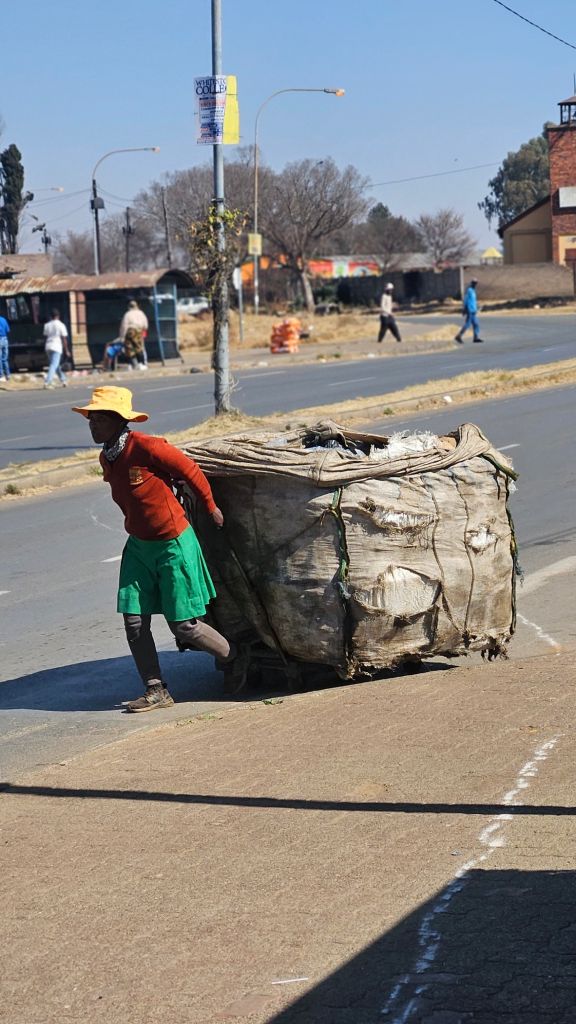
We walked through a residential area far away from the tourists. People first looked at me with curiosity, but soon started greeting me and talking to me. Some were drunk in the middle of the day, others were well dressed, while many simply sitting around and waiting for something better to come along. We stopped at a basketball court, and a group of players invited me to join them. Nearby, people were playing dominoes and dice in the street and I joined them.

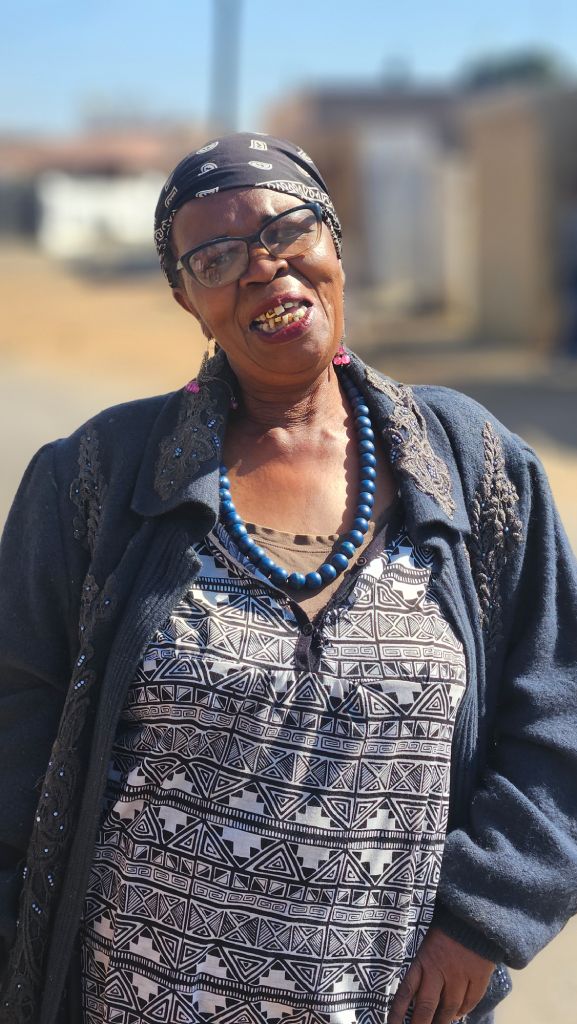
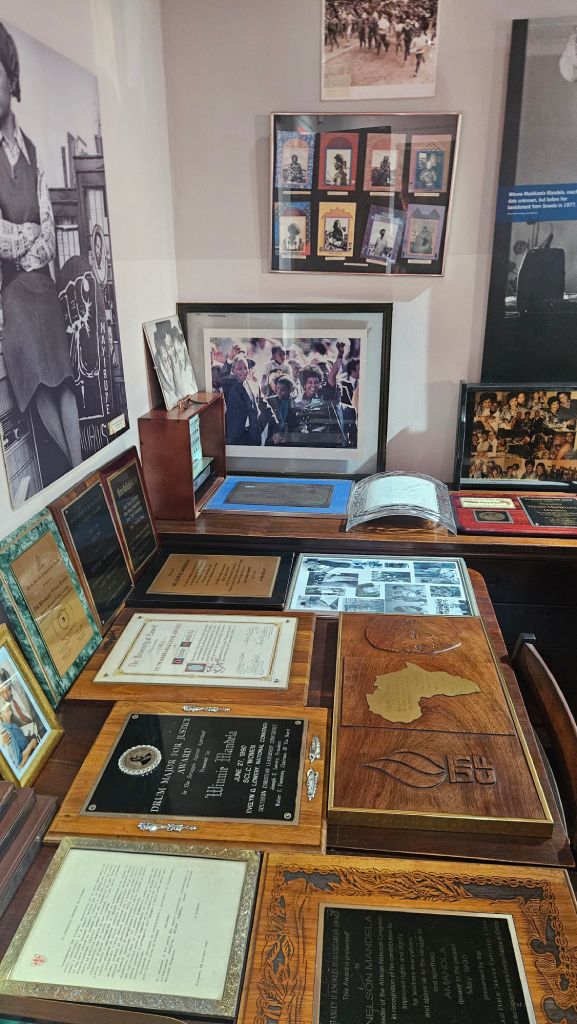
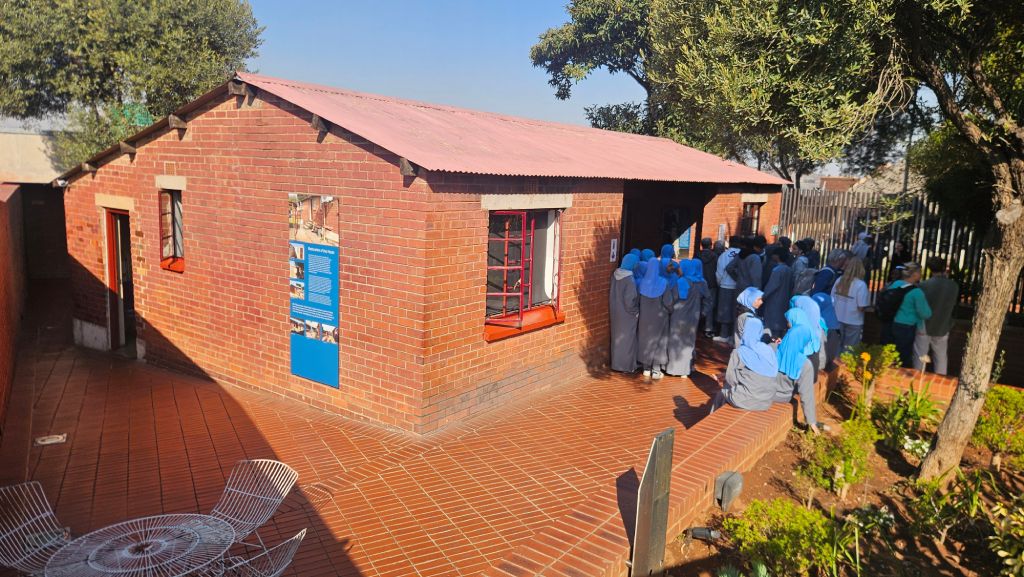
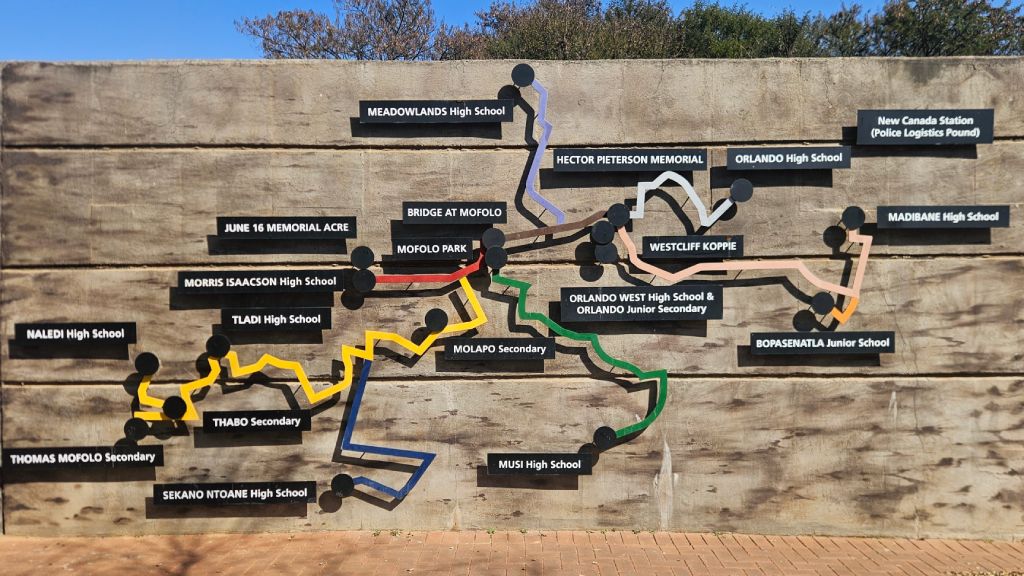
I also visited June 16 Memorial Acre, which commemorates the 16 June 1976 Soweto uprising. Unlike Nelson Mandela House, crowded with tourists and charging a high entrance fee, the museum was empty and free.
I found it much more interesting and informative, showing what happened on that tragic day when the apartheid government brutally put down the uprising. Images and stories of the protests soon reached the world, making it increasingly difficult for apartheid to survive.
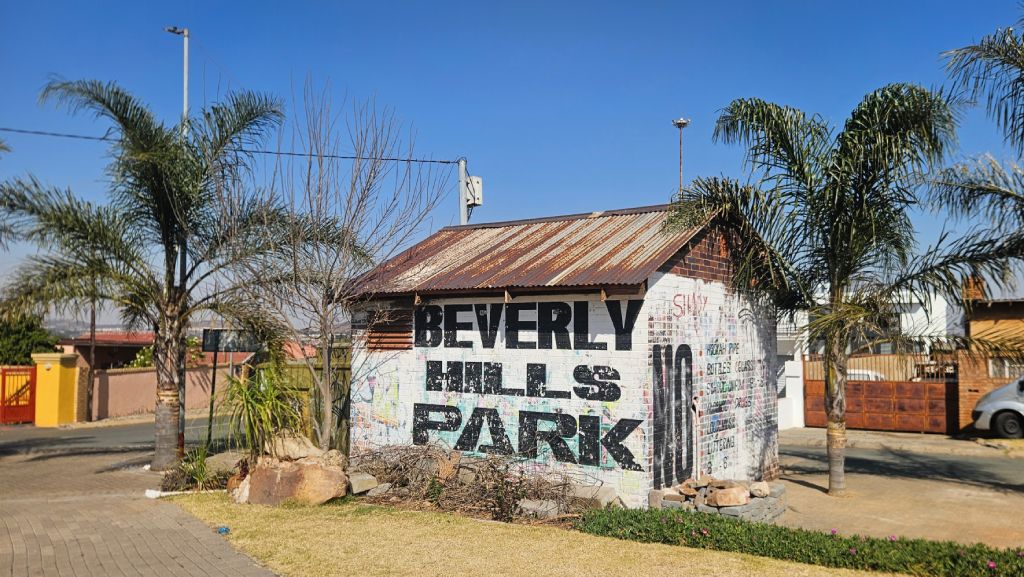
To finish the day, we stopped at a traditional restaurant where tourists were not regular visitors. The owner offered me a good selection of freshly prepared food at much lower prices than the restaurants in Soweto’s more upmarket Beverly Hills area, which we passed through on our way back.
After leaving the tourist streets and seeing everyday Soweto, I felt I had experienced the place I came to see.

Cape Town and Table Mountain
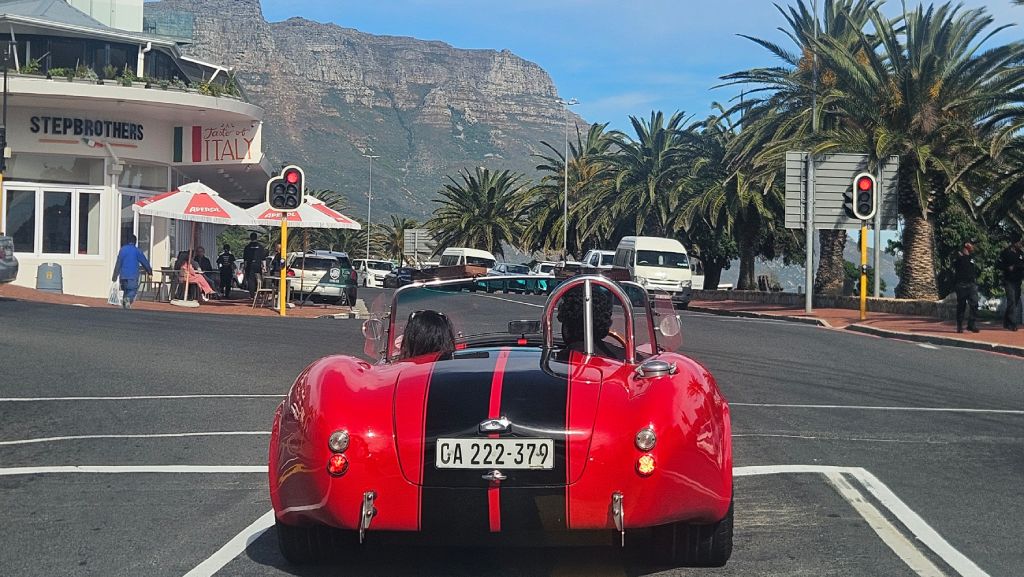
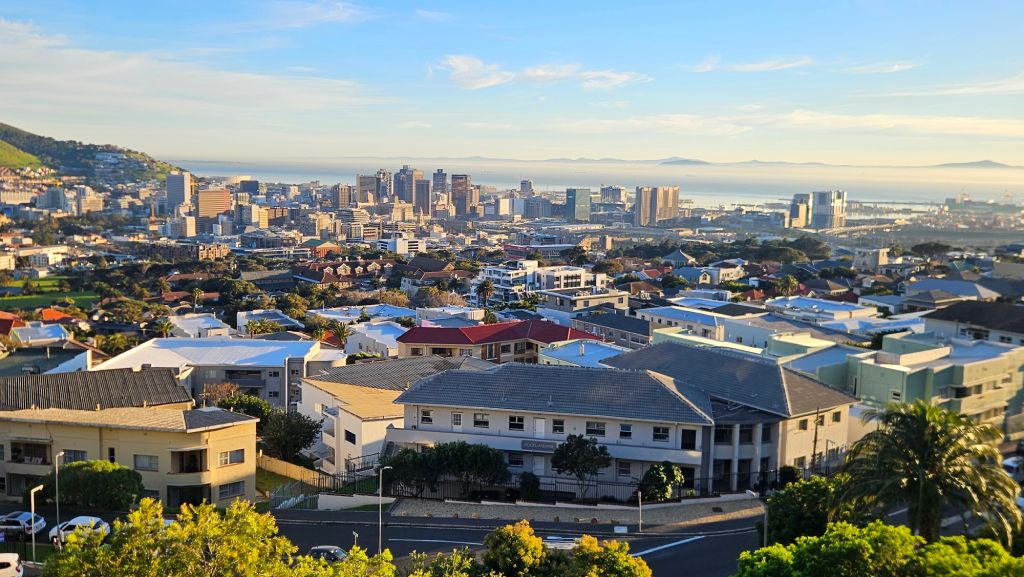
My family joined me in Cape Town, where we rented a car to continue my South Africa travel adventure further travelling. We stayed in an apartment of below Table Mountain, which offered spectacular views over the entire city. With the short winter days, we started our activities early, often before sunrise.
Cape Town offers plenty of exciting things to do, places to visit and trips in the surrounding area. We had to plan our time carefully. The first stop was Lagoon Beach. An ideal spot in peaceful surroundings to watch the city wake up just after sunrise, with Table Mountain in the background.
Table Mountain, a UNESCO World Heritage site, is Cape Town’s most recognizable landmark, rising 1,086 meters above the city.
Unfortunately, the cable car to the top was closed for maintenance, while climbing was not an option.
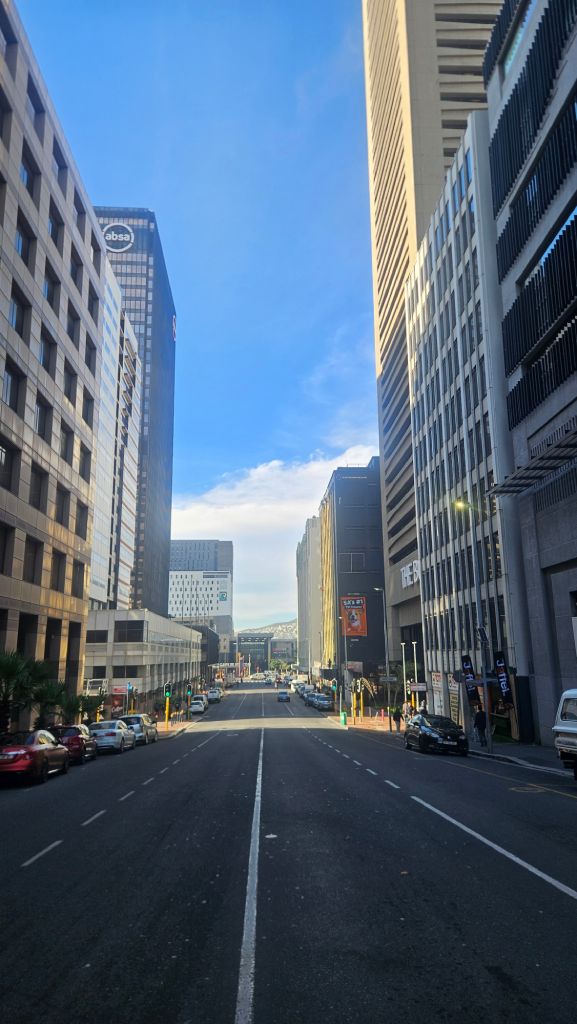
Since I didn’t consider the city center a priority, we spent only a few hours walking along Long Street and Greenmarket Square, with its many stalls selling crafts and souvenirs. The picturesque Bo-Kaap, with its narrow-cobbled streets lined with colorful houses, was fun, although it probably remains so picturesque partly because of its tourist appeal.
There was no time for Robben Island, while the sea was too cold for cage diving with great white sharks. I will certainly return one day and make time for these activities as well.
Cape of Good Hope
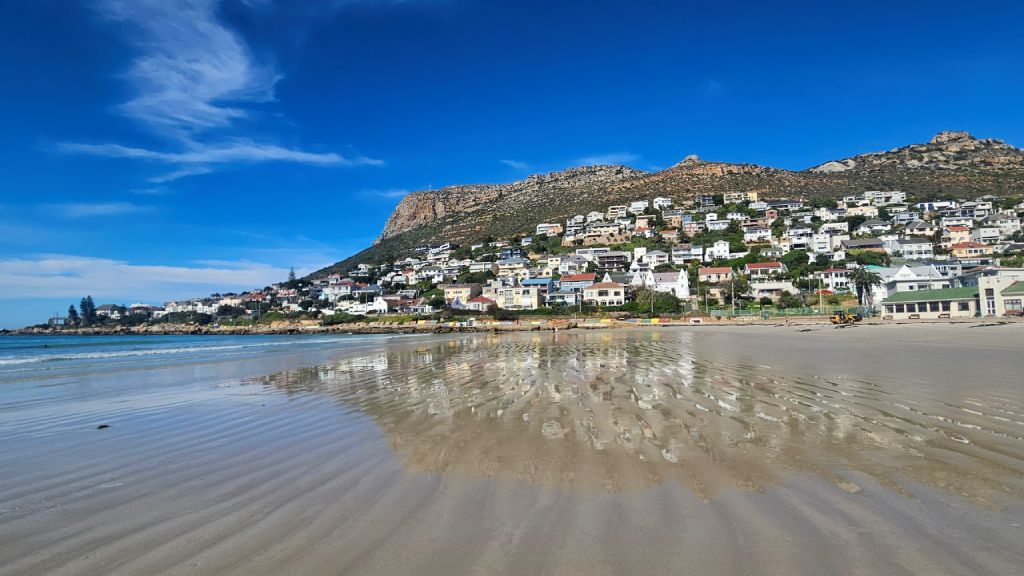
The drive from Cape Town to the Cape of Good Hope, one of the highlights of the Cape Peninsula, offers plenty of interesting places to stop along the way. The road follows the Atlantic coastline, passing beautiful beaches, dramatic cliffs and small seaside towns. Along the way, pleasant coastal settlements offer good food, interesting views and comfortable places to stop and relax. I stopped several times to enjoy the scenery, although the sea was far too cold for swimming.

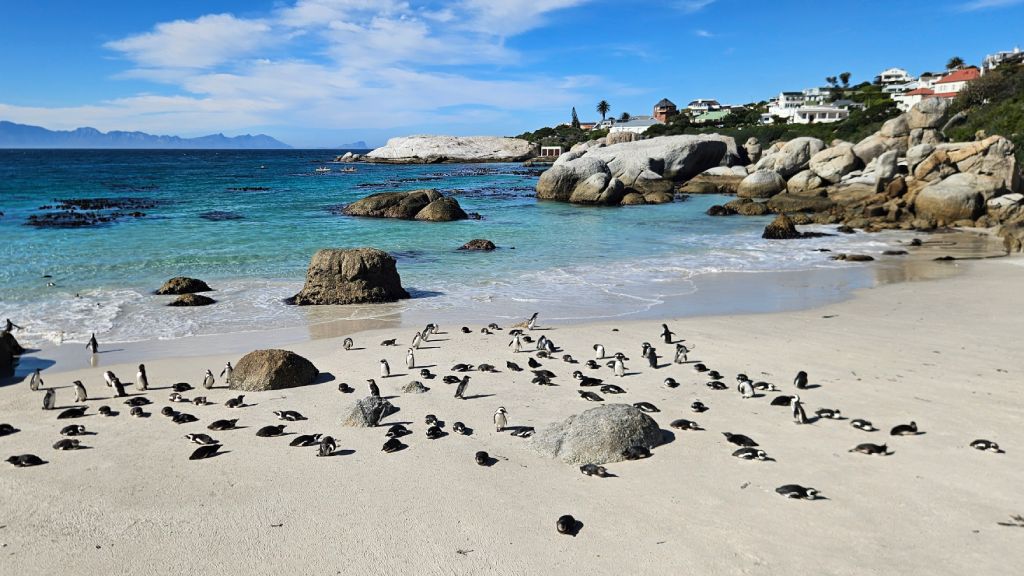
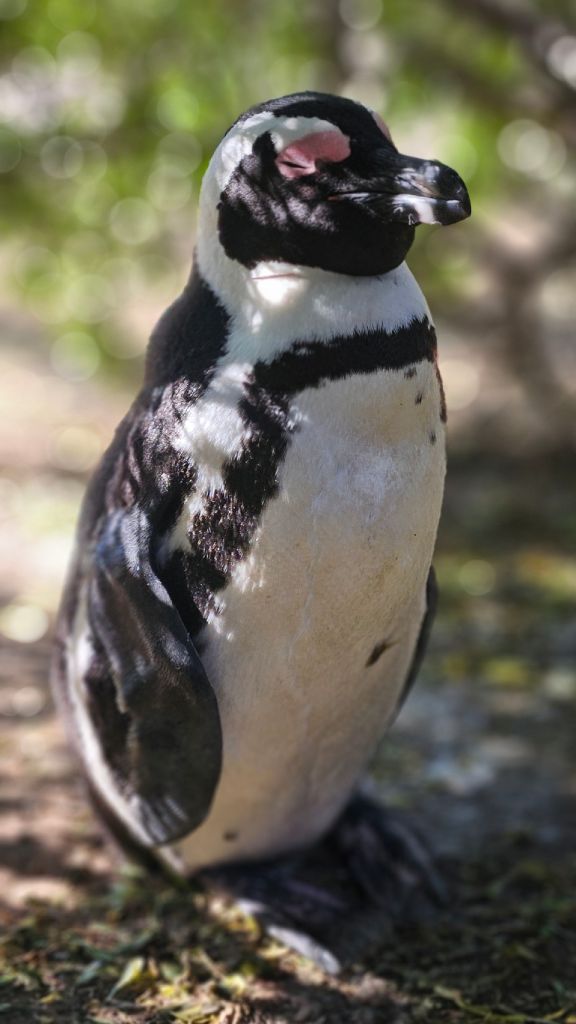
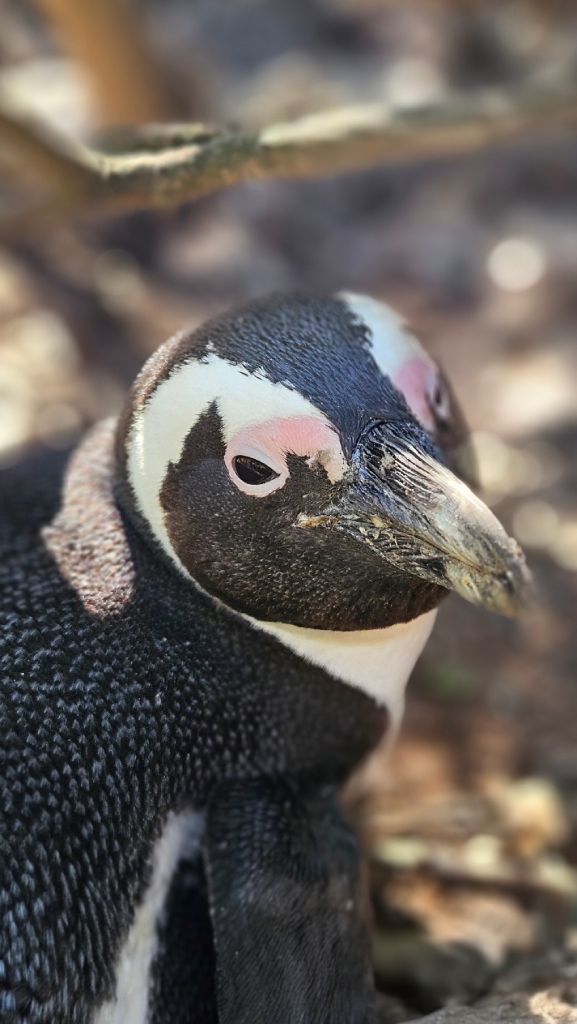
The most exciting stop was Boulders Beach, home to a large colony of African penguins. As we approached the main beach, I could already see hundreds of black-and-white penguins resting in the shade. They were even more entertaining on the beach, where they played in the water. Their upright, waddling walk towards the sea brought plenty of smiles from the visitors.
The penguin colony was established in 1982 with just two breeding pairs and has since become one of South Africa’s best-known wildlife attractions. Although the population at Boulders Beach has increased to over 2,000, African penguins are now endangered.
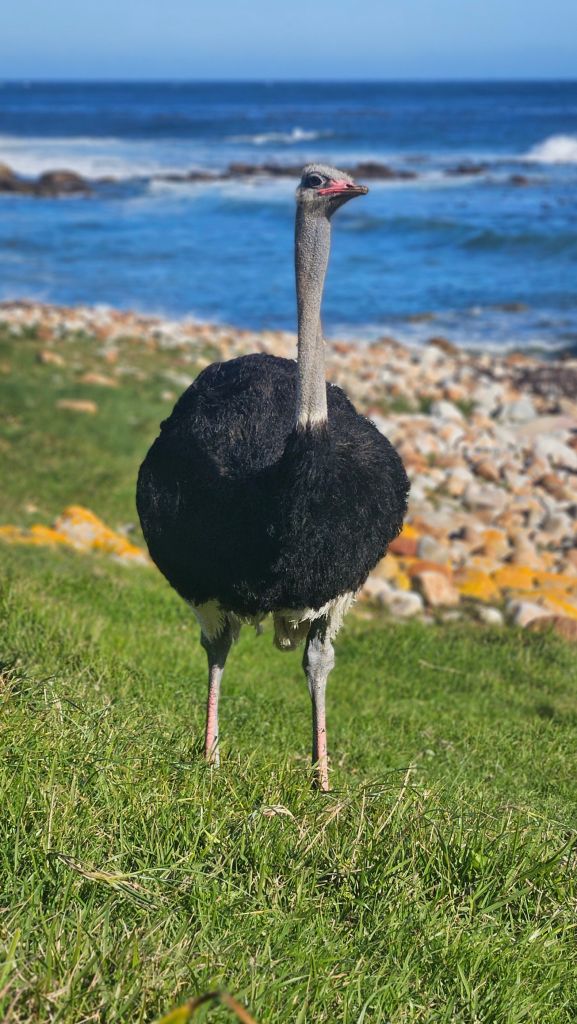
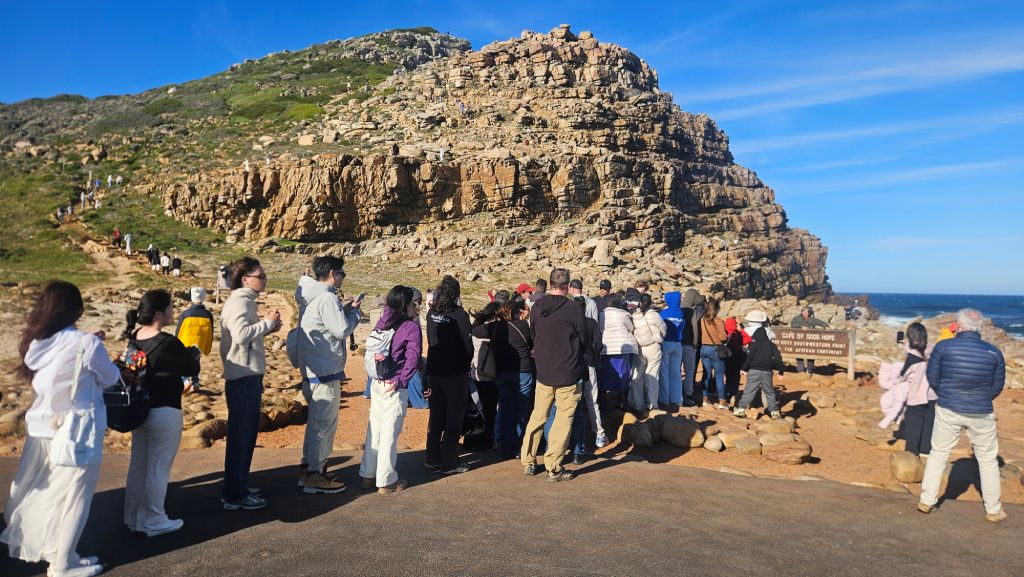
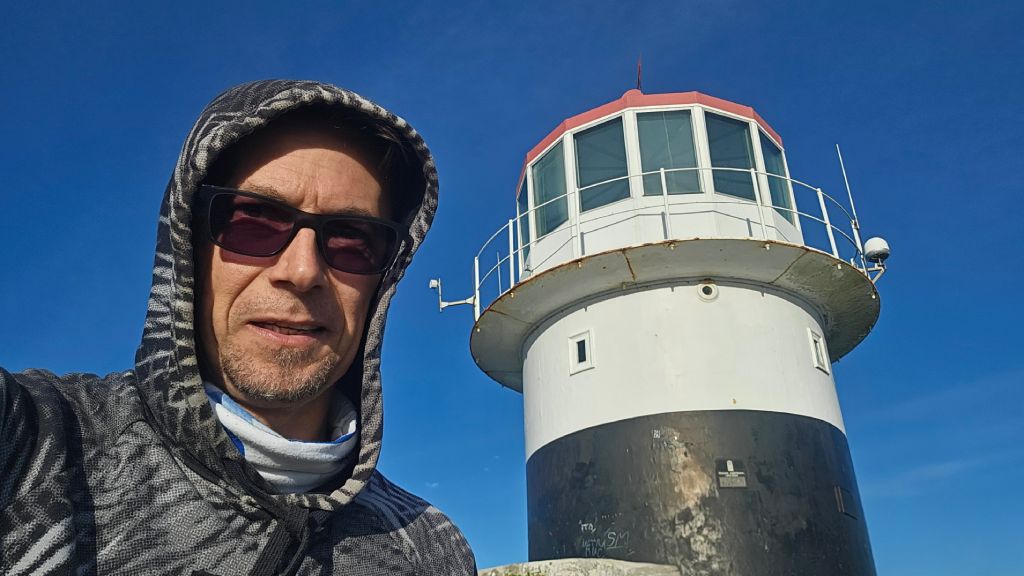
The Cape of Good Hope is not the southernmost point of Africa, but it is certainly worth visiting. A long queue formed at the famous sign, so I first climbed the cliffs above the shoreline. In the strong wind, I had beautiful views over the ocean, Cape Point and the lighthouse, which I visited later.
The Cape Point Lighthouse, built in 1859, standing high above the cliffs, guided ships around the dangerous Cape Peninsula, where strong currents and fog made navigation hazardous. Despite the crowds, I managed to find a few quieter spots and enjoy the views in the strong wind.
Wine tasting in Stellenbosch
South Africa is the world’s seventh-largest wine producer, with wine production dating back to 1659. The modern industry changed dramatically after 1994, when the end of apartheid opened international markets for South African wines.
The country has several important wine regions, with the valleys around Stellenbosch being among the best known. I got in touch with friends of friends who live in the town and arranged a wine tasting at one of the more prestigious producers in the area - the local wineries - Uva Mira.
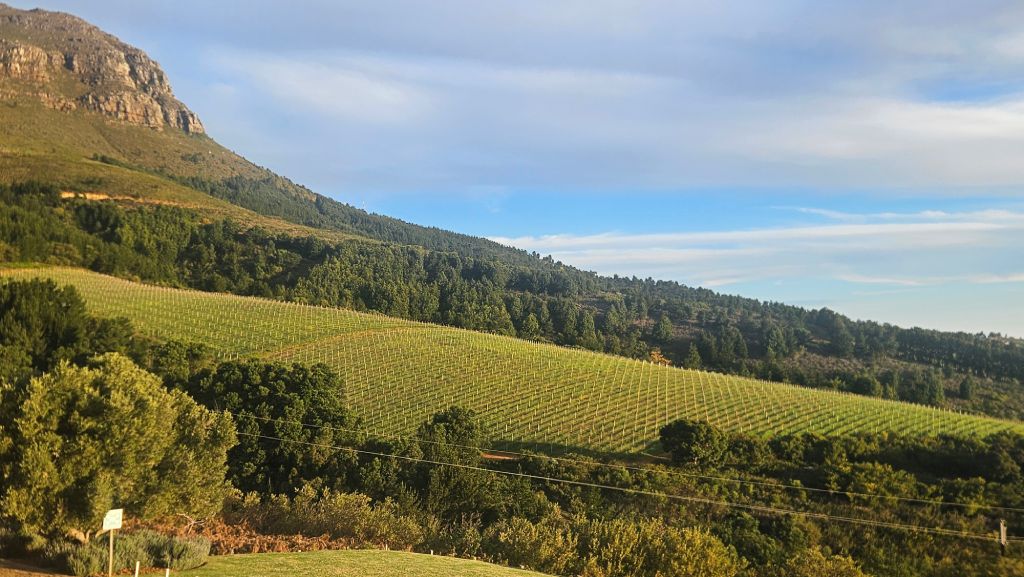

We tasted six different wines, both white and red. We enjoyed them on a terrace overlooking the surrounding vineyards, with views stretching all the way towards the sea. The presentation and explanation were nothing extraordinary, but the quality and flavors of the wines were excellent. It was also my first-time trying Pinotage, a grape variety unique to South Africa and the country’s signature red wine. One of the highlights of my South Africa travel adventure.
South African wines are considerably cheaper than in Europe, and the selection is surprisingly diverse.
Although wine is widely available in grocery stores, specialized liquor shops offer a much larger selection.


A close encounter with dolphins and whales
I had never been particularly lucky with whales. In Dominican Republic and Panama, I saw them, but only their fins. I hoped Hermanus would be different.
The tour was very well organized, starting with an informative introduction from the guide. We started our trip looking for dolphins, which surrounded us in incredible numbers. Several hundred of them spent twenty minutes swimming alongside our boat, following us, diving playfully and jumping out of the water. It almost seemed as if they were competing who could perform the most impressive turns, jumps and accelerations. I had never seen so many dolphins being so active.

We then headed towards the coast and spotted our first humpback whale in the distance. It loudly blew water into the air before slowly disappearing beneath the surface. It didn’t submerge very deep, since the water was shallow. The guide kept drawing our attention to whales’ location, using the clock-face system to direct us where to look. Two adults and a calf appeared repeatedly for at least half an hour, often just a few meters from our boat.
Humpback whales migrate to the waters around Hermanus during the winter and spring months to mate, give birth and raise their calves. They are known for their lack of a dorsal fin and distinctive white patches on their heads and bodies.
The highlight came when the largest whale approached our boat and disappeared just a few meters below the surface.
It swam underneath us and then resurfaced on the other side. For a moment, I felt it knew exactly what it was doing, and why we were there.

From Addo to the Valley of desolation
My South Africa travel adventure continued along the beautiful Garden Route towards Addo Elephant National Park. Seeing elephants, zebras, and other wild animals was an unforgettable experience, especially while driving through the park independently, although it was not my first safari.
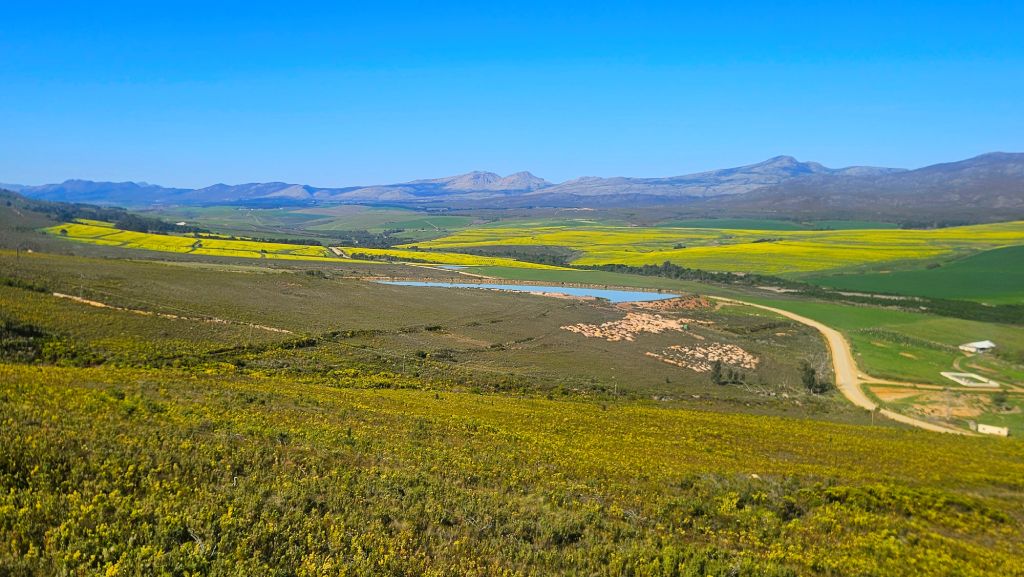
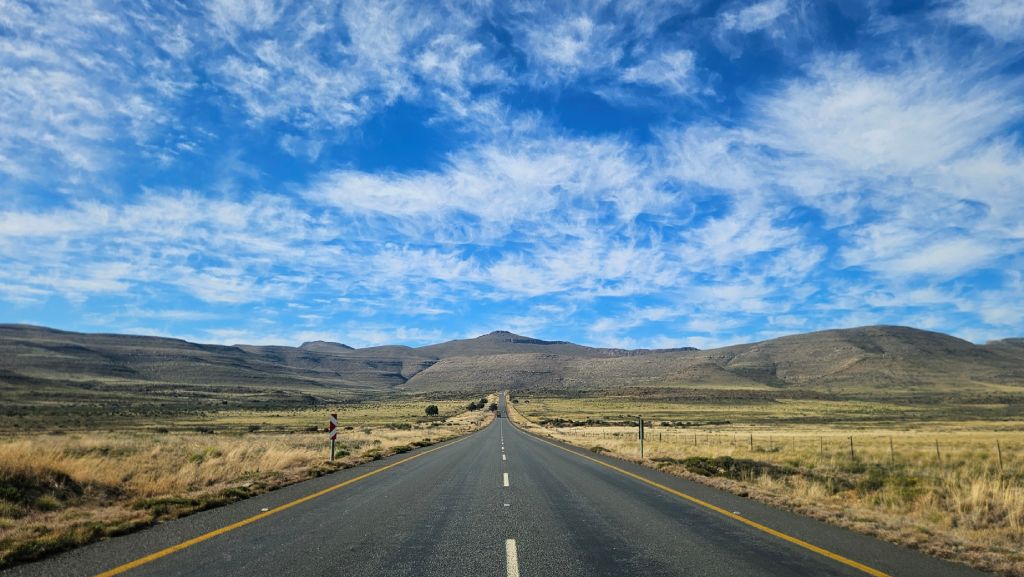
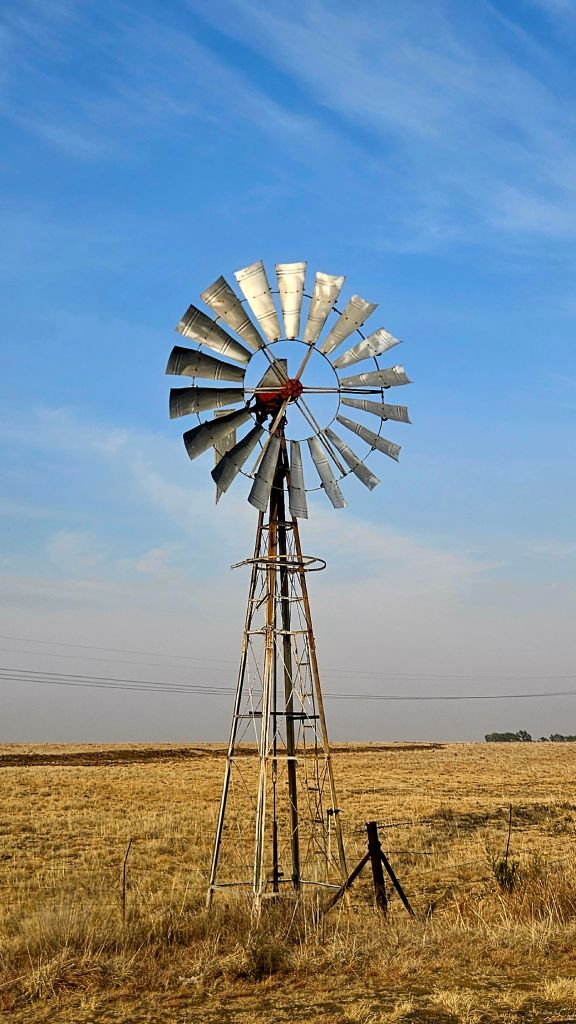
Further inland, Graaff-Reinet felt like stepping into a different South Africa. This historic town, surrounded by the dry Karoo landscape and dramatic mountains, had a peaceful and almost timeless atmosphere. The interesting architecture, with its carefully crafted metal roofs, cleanliness and order, caught my attention. A few excellent restaurants, and especially a characterful coffee shop with beautiful details, added nice moments to the journey.

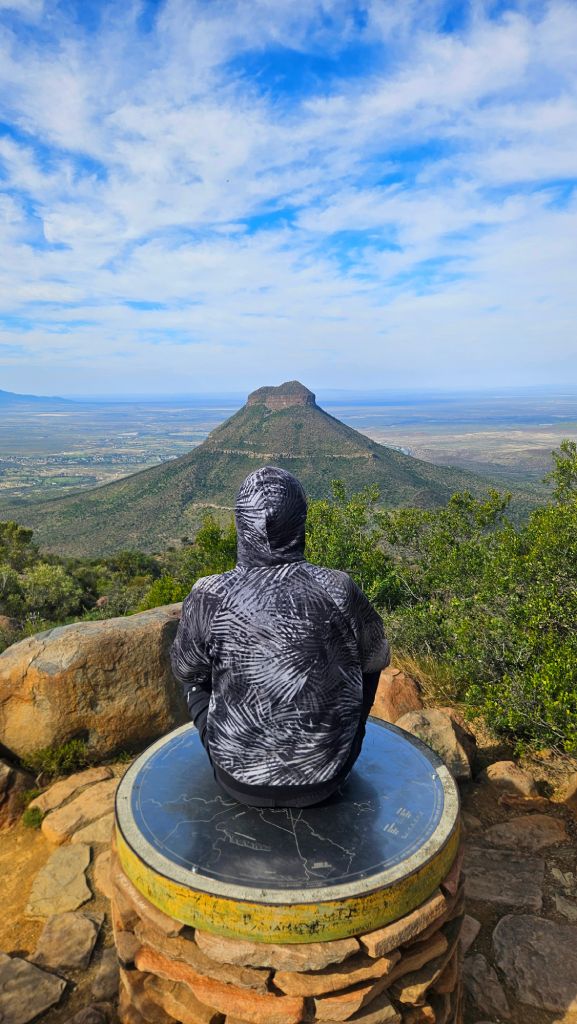
The Valley of Desolation was the most impressive landscapes I saw in the Karoo region.
From the Toposcope viewpoint, I looked across dramatic cliffs, towering dolerite columns and vast dry plains below. Experiencing this impressive landscape in complete solitude made it one of the most memorable stops of my South African adventure.

Rubbish, Castro and Mandela in Bloemfontein
Bloemfontein is one of South Africa's three capitals, but also one of the least attractive cities I have visited. Driving towards the city center in the morning, I was struck by the amount of rubbish along the road. Very little traffic and a few suspicious-looking pedestrians added to my uneasy first impression.
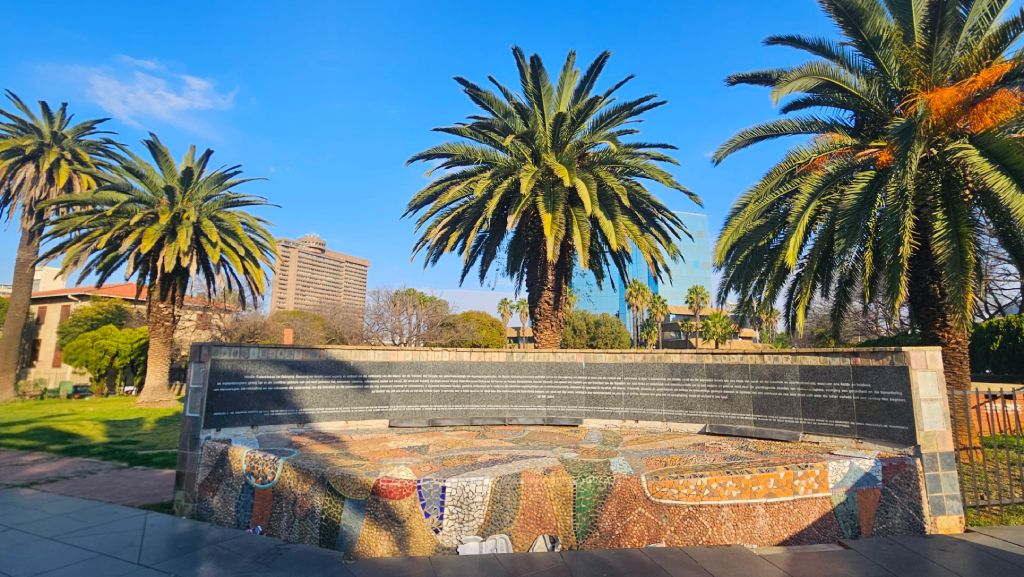
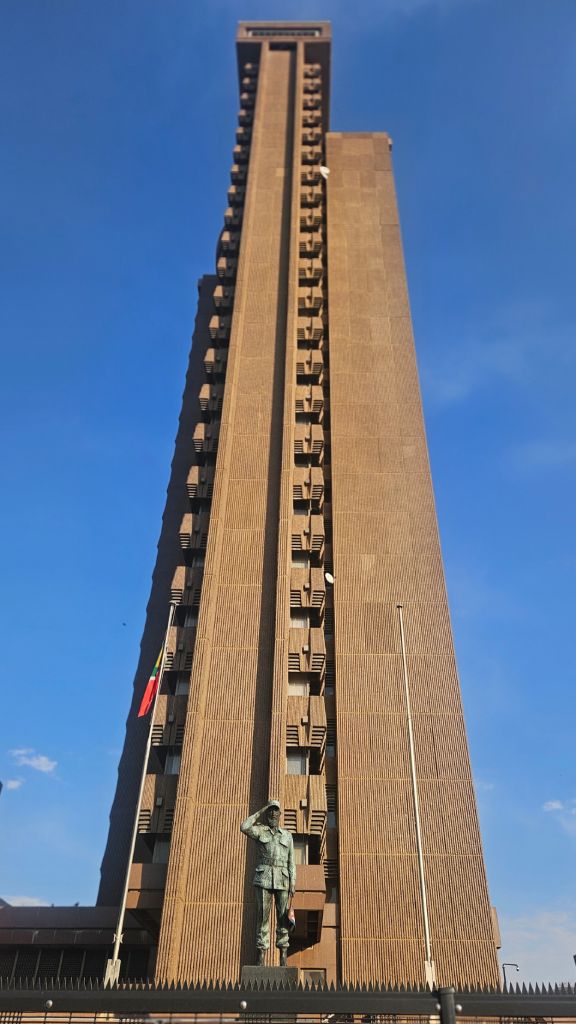
Walking among the various government buildings, I noticed the city's tallest tower, the Fidel Castro Building. A monument to the former Cuban revolutionary and leader standing in front of it was an unexpected sight in this part of the world.
The view from Naval Hill was impressive, with its imposing Nelson Mandela monument overlooking the city. Four colorful, oval towers from a former power station reminded me of Soweto, while a large rugby stadium dominated the opposite side.

Pilanesberg National Park
Because of limited time, I chose Pilanesberg National Park instead of Kruger National Park for safari in my South Africa travel adventure. Only two hours from Johannesburg, with the chance to see the Big Five and the option of self-driving, Pilanesberg NP seemed like a good choice. My main goal was to see lions, which were the only Big Five species my kids had not yet seen.
Early in the morning, we set off on the one-hour drive to the entrance of the park. The rangers at the gate immediately warned us that lion sighting was not particularly common, but encouraged us to keep looking and not give up.


We spent the whole day driving around the park, mainly seeing elephants, impressive rhinos, warthogs and a few colorful birds. After lunch at the well-kept central rest area, we continued along some of the more remote loops until we spotted a large group of cars in the distance.
“These must be the lions. Let’s go and have a look!” we all agreed and drove towards the crowd.
Sure enough, as we approached, one of the rangers warned us.
“There’s a lion lying in the shade under a large tree. Look carefully, and keep to the right.”
We waited in the queue for more than 40 minutes, slowly moving towards the spot where the lion was supposed to be. I couldn’t see it. Others managed to spot the outline of the king of the animals in the distance.
Overall, I was not particularly impressed by Pilanesberg. I saw fewer animals than I had expected, especially compared with the parks I had visited in Kenya and Zambia.
Close encounter with lions
I had originally planned to visit the Apartheid Museum in Johannesburg, but it was closed for Women's Day. Looking for an alternative, the kids chose Lion & Safari Park, which turned out to be an excellent decision.
“We want to see the lions. We haven't been lucky so far in South Africa!”
I am generally not a fan of zoos or private wildlife parks, but the ticket seller convinced me.
“Now is the perfect time to enter. The lions will be fed in half an hour!”

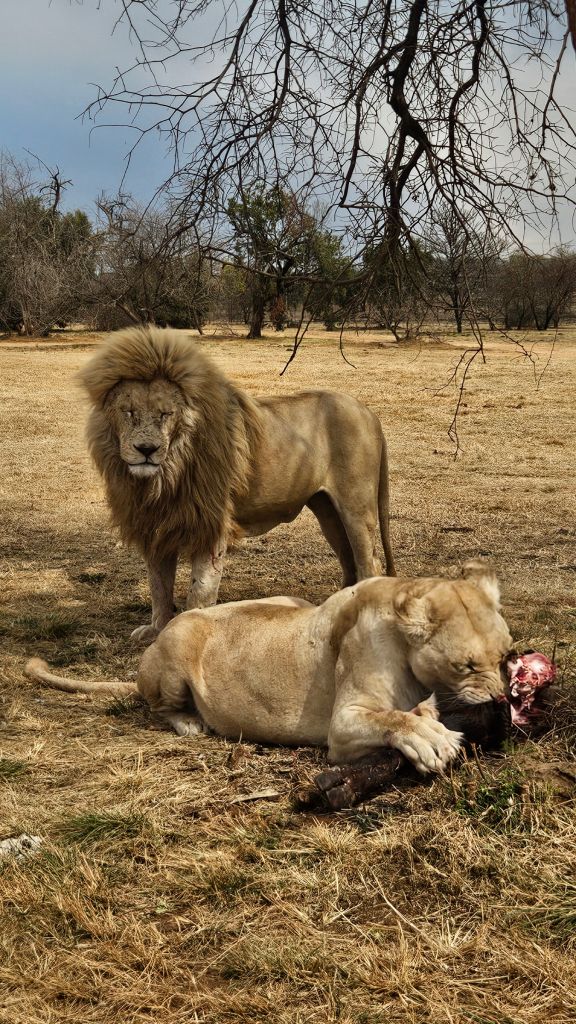
As soon as we drove into the lion enclosure, all my doubts disappeared, and I realized it was one of the highlights of my South Africa travel adventure. A male and female approached our car, sniffing each other and brushing against our vehicle. Later, they even mated just a few meters away from us.
When feeding time arrived, the lions gathered along the fence, impatiently watching the vehicle carrying their meal. Visitors remained in their cars around the enclosure as the feeding vehicle drove in and dropped pieces of meat onto the grass. Each lion grabbed a piece with its powerful jaws and retreated to eat in peace.
For the next 15 minutes, we watched from just a few meters away as they tore the meat apart and stripped it to the bone.
Their raw power, strength, and wildness were truly impressive.
Reflections on my visit to South Africa
One of Africa's most developed countries proved special in many ways. Although I expected danger around every corner, I encountered incredibly friendly people. From shopkeepers and petrol station attendants to passers-by, guides, vendors, and drivers. South Africa was probably the country where my expectations were exceeded the most.
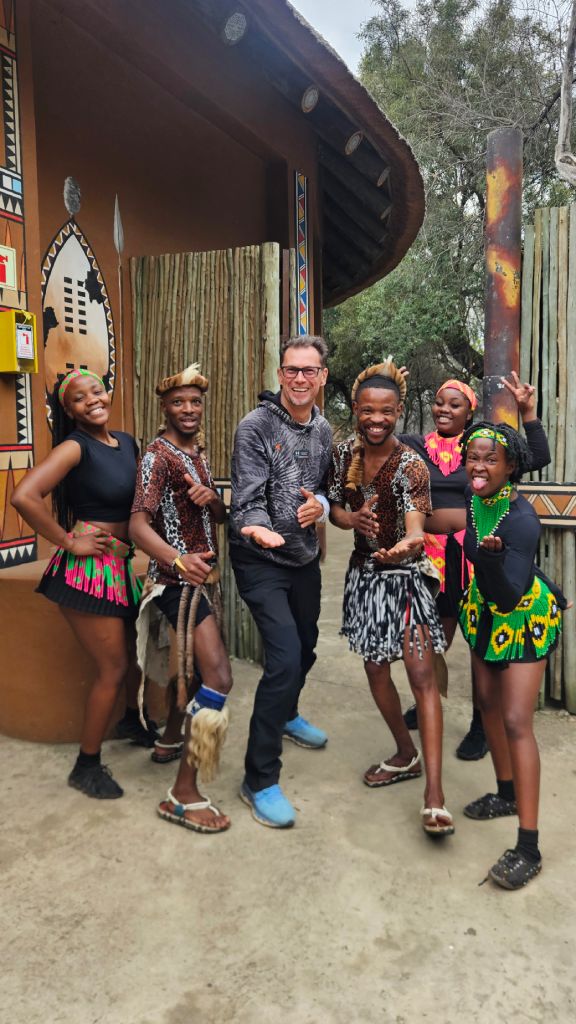
The country's apartheid legacy, the multiculturalism and modernity of Cape Town, the coastal atmosphere, penguins, whales, and dolphins all made a strong impression. Unforgettable experiences in Soweto, close encounters with lions and traditional dancing added even more memorable moments.
Game viewing was the only experience that failed to fully convince me. The infrastructure and navigation were excellent, but lower wildlife density made game viewing less impressive than in other African parks.

South Africa Travel Photo Gallery