My Mauritius travel summary:
Visited: September 2026
Duration of visit: 8 days
Capital city: Port Luis
Population: 1,2 million (2026)
Mauritius travel blog reading time: 10 minutes
Attractions and places I visited in Mauritius:
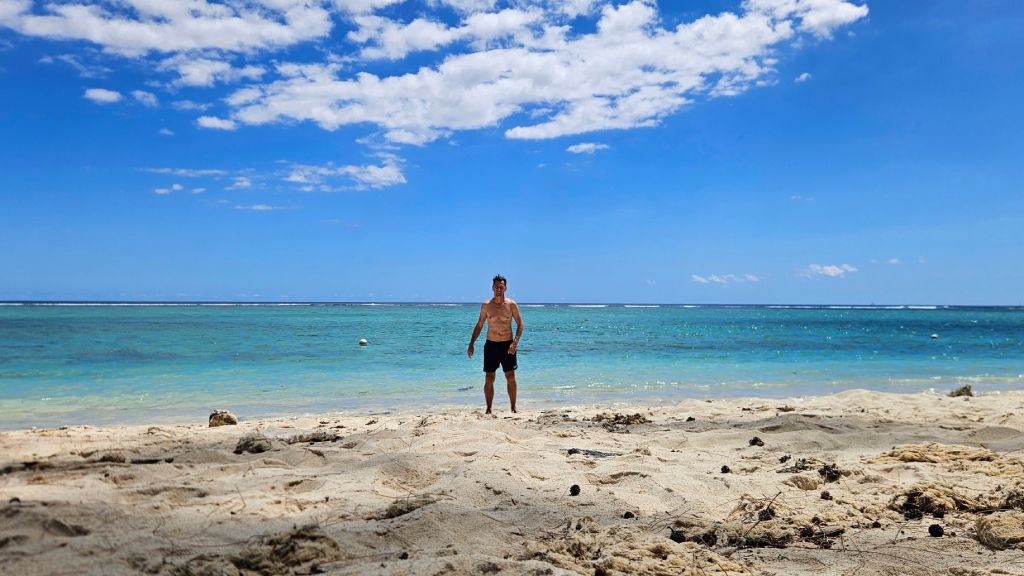
- Quiet Mahebourg, with almost empty beaches around Blue Bay.
- Tasting manioc cookies, tea and rum.
- Exploring Port Louis, a surprisingly large and cosmopolitan capital.
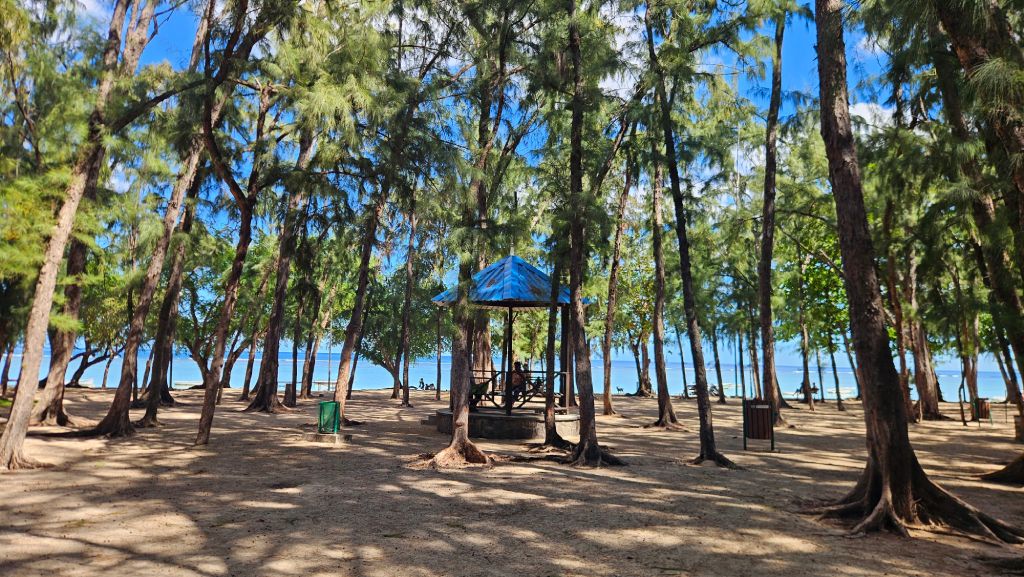
- Relaxing on the public beaches and enjoying the atmosphere in Grand Baie and Flic en Flac.
- Hiking and jumping deep at the Seven Cascades.
Mauritius travel adventure was the last stop on my two-month journey, which also included Botswana, South Africa, Lesotho, Eswatini, Comoros and Madagascar.
Mauritius is a volcanic island without indigenous human population.
Today, people of Indian, African, Chinese, French and British descent live together, speaking Creole, French and English. Worldwide, Mauritius is recognized as an exotic destination known for its tropical climate and idyllic beaches.
My plan was to explore Mauritius from one end to the other by rental car and do some trekking. I also wanted to taste local food and drinks and visit some of the paradise beaches, the highlight of touristic Mauritius.


Discovering southern Mauritius
I decided to spend the first few days in the southern part of the island, between Mahebourg and Blue Bay. I found plenty of hotels and apartments, but during my visit the area was extremely quiet and almost empty.
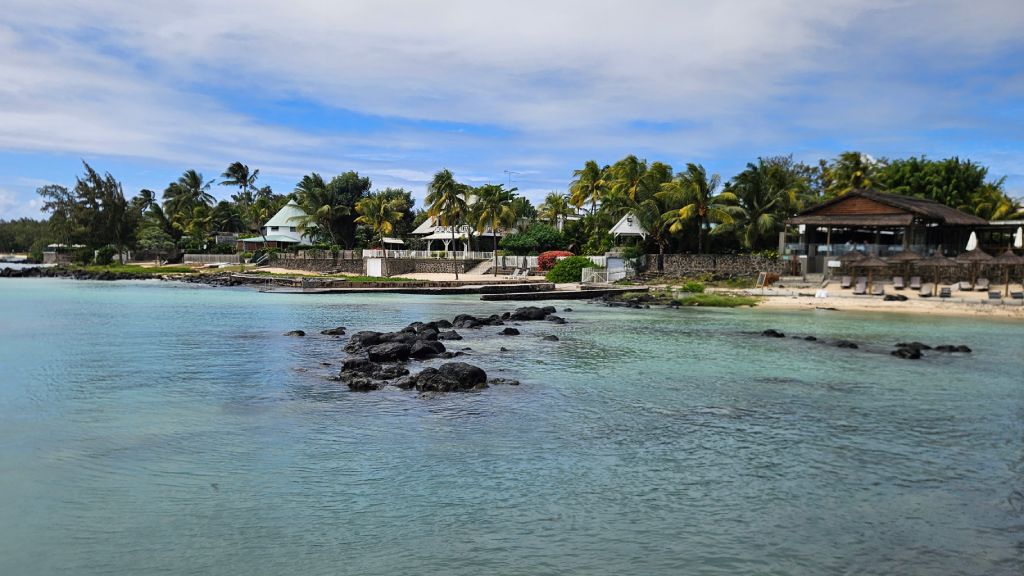
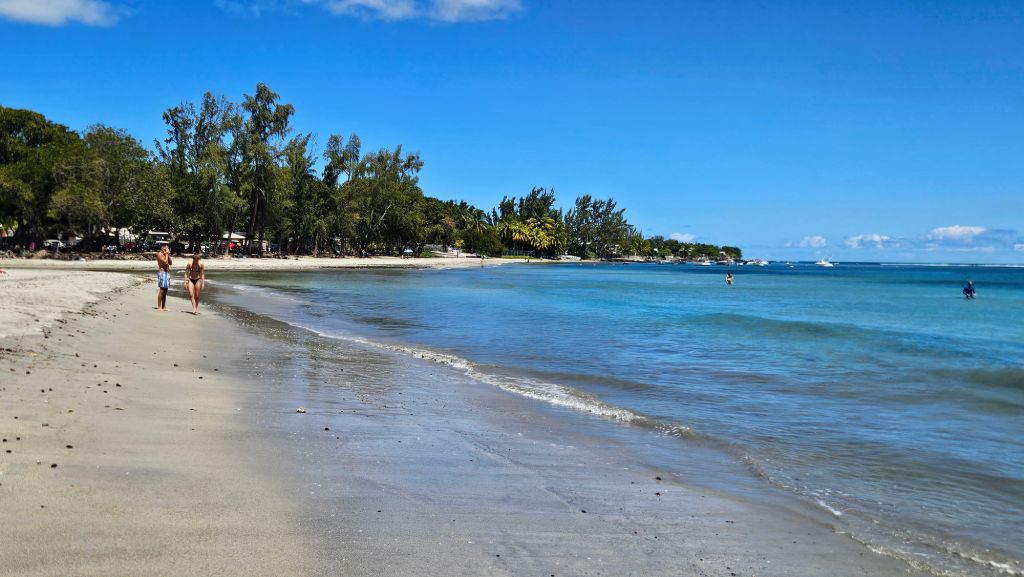
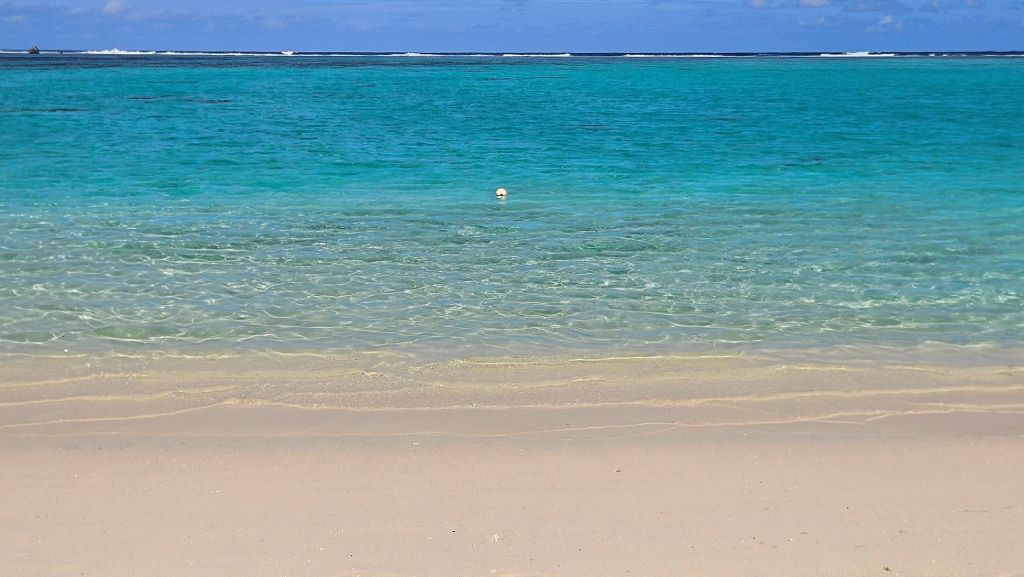
From my apartment, I walked along the beach towards Blue Bay for an hour and saw only a dozen of tourists. The beaches were almost deserted, while the hotels looked either closed or empty. A reef several hundred meters offshore protected the shallow, calm lagoon, which in some places had beautiful sandy beaches, while in others the shore was broken up by black volcanic rocks.

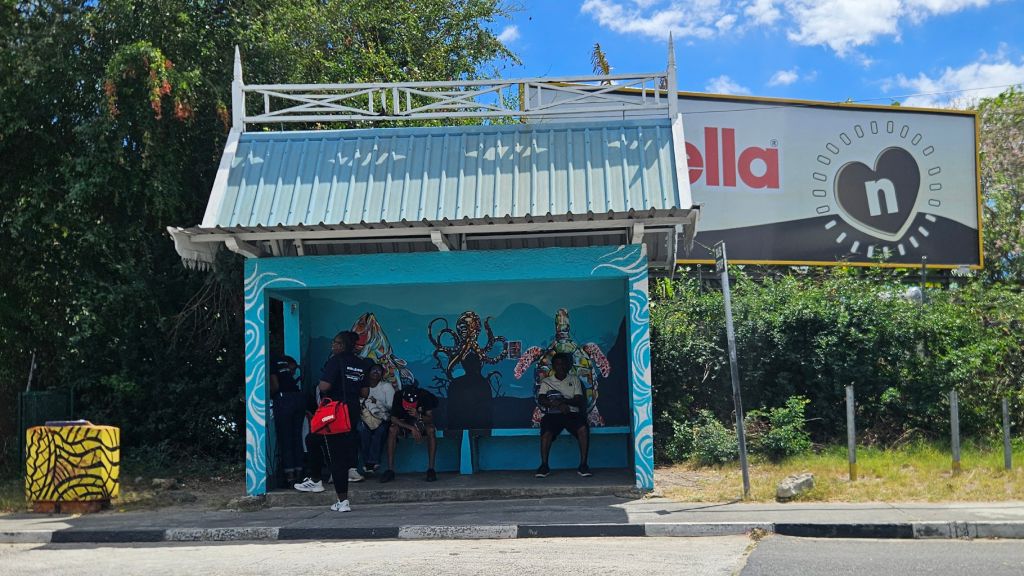
Blue Bay itself was much busier because it was the weekend. Families and groups of friends organized picnics, bringing their own food and drinks, spreading out blankets and setting up chairs and umbrellas. Some played loud music, others went swimming, while many simply relaxed.
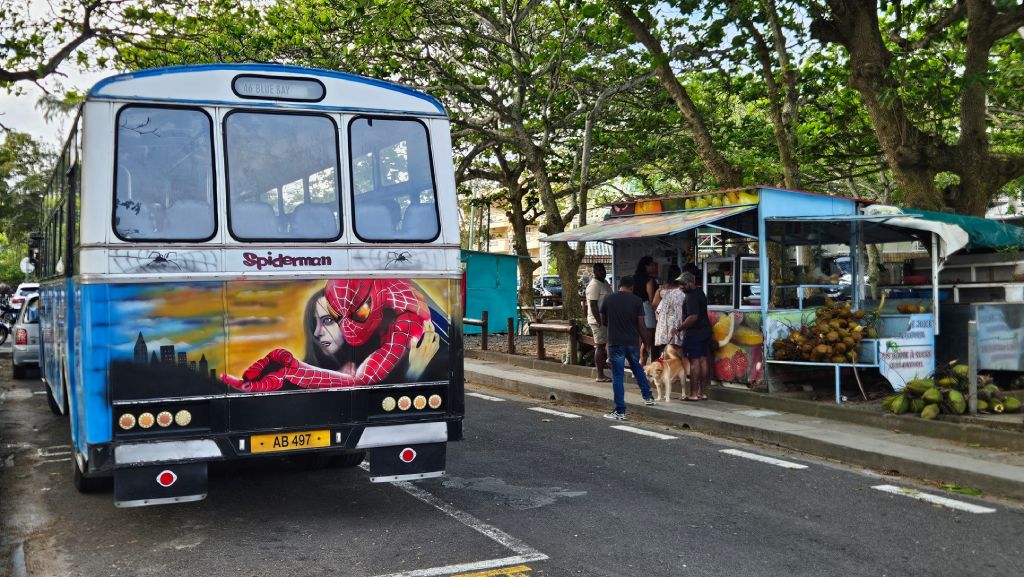
I had a late lunch and then took a bus to the main bus station in Mahebourg before continuing to the airport, where I picked up my rental car.
Tasting manioc cookies, tea and rum
Due to bad weather forecast, I changed my plans and decided to spend the next day tasting some of Mauritius’s best-known local products.
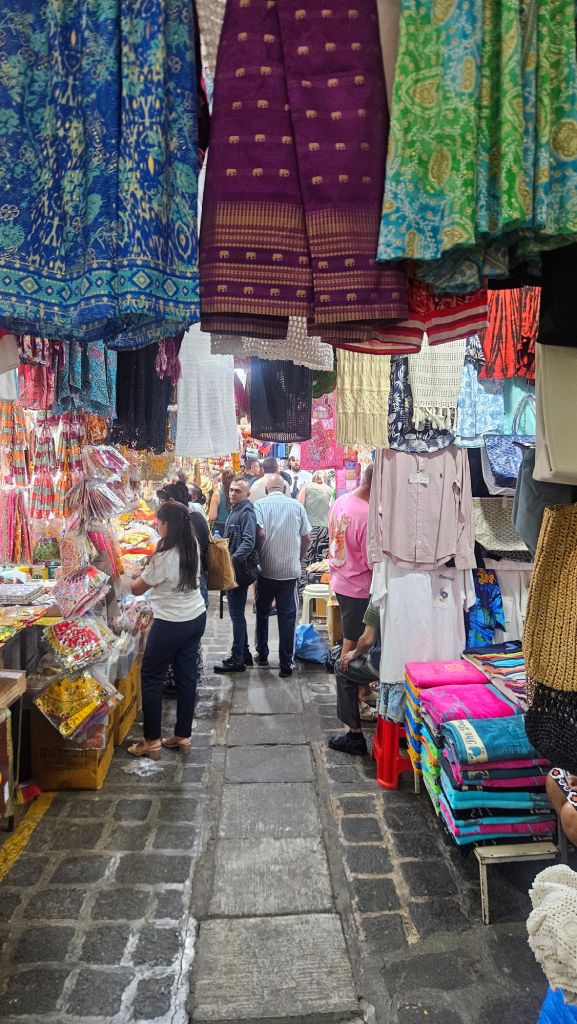
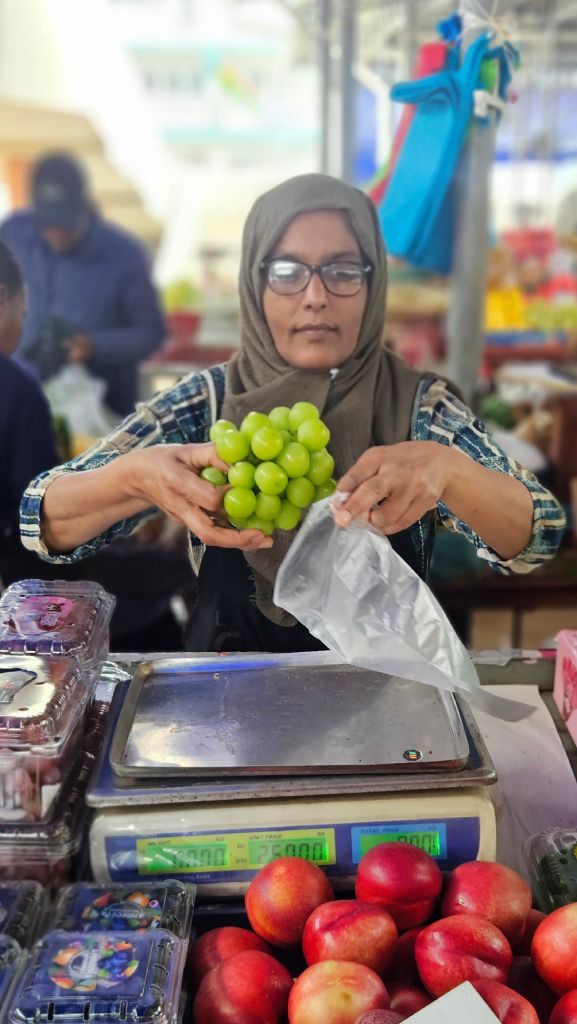
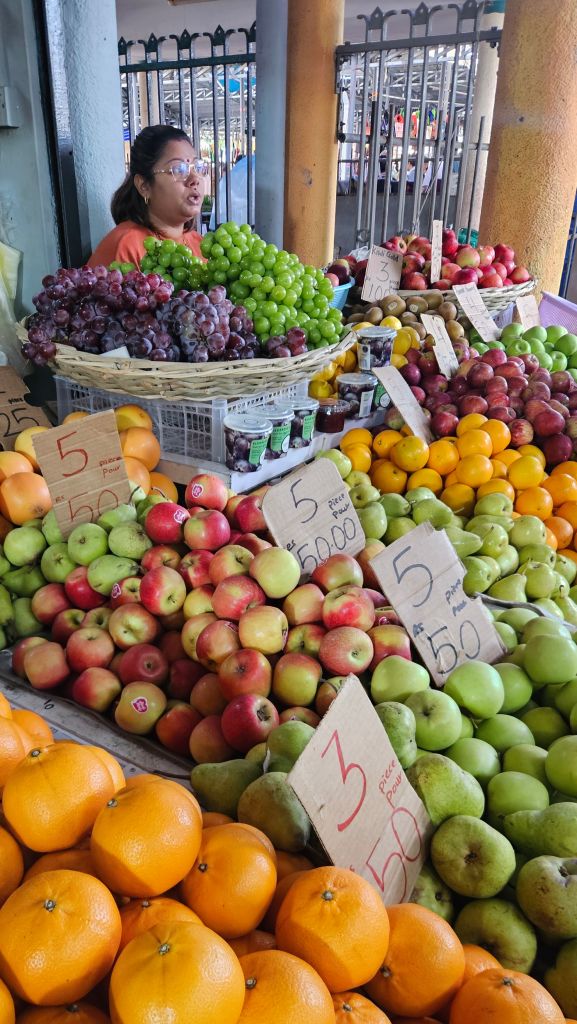
Monday is a market day in Mahebourg. Numerous fruit and vegetable vendors filled the stalls with a wide variety of products. I was surprised by the many exotic products on offer, including many imported from the Indian subcontinent.

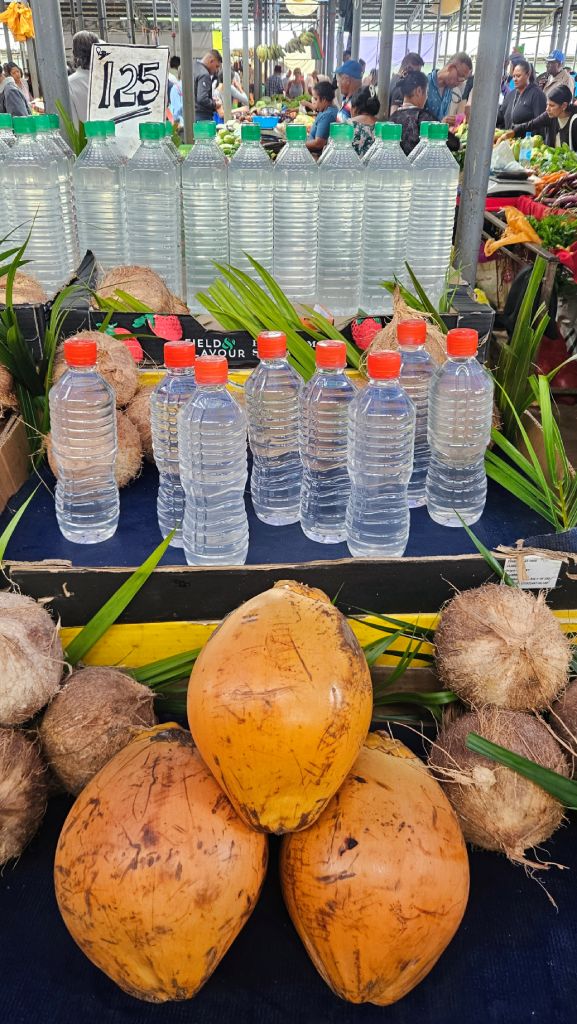
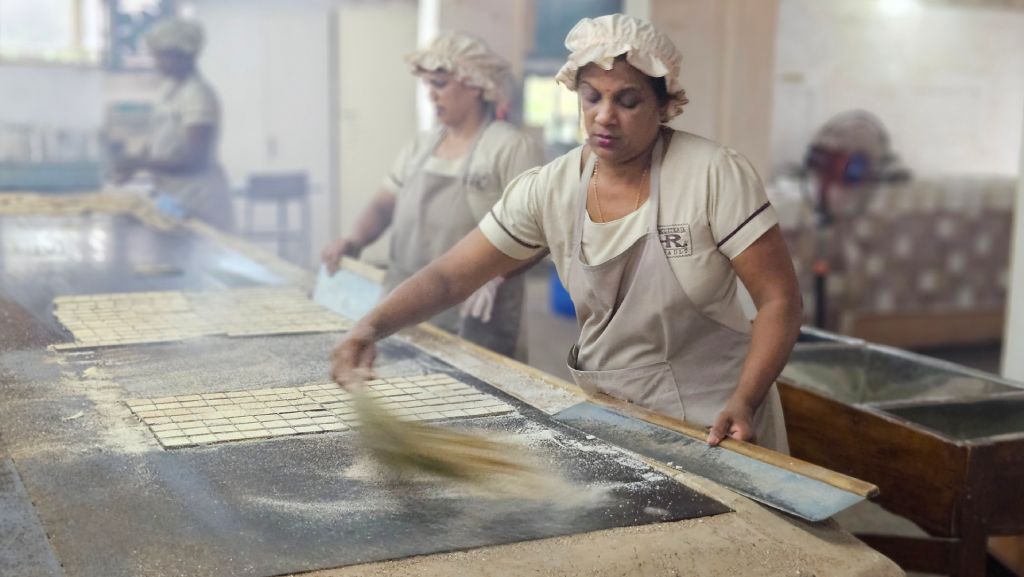
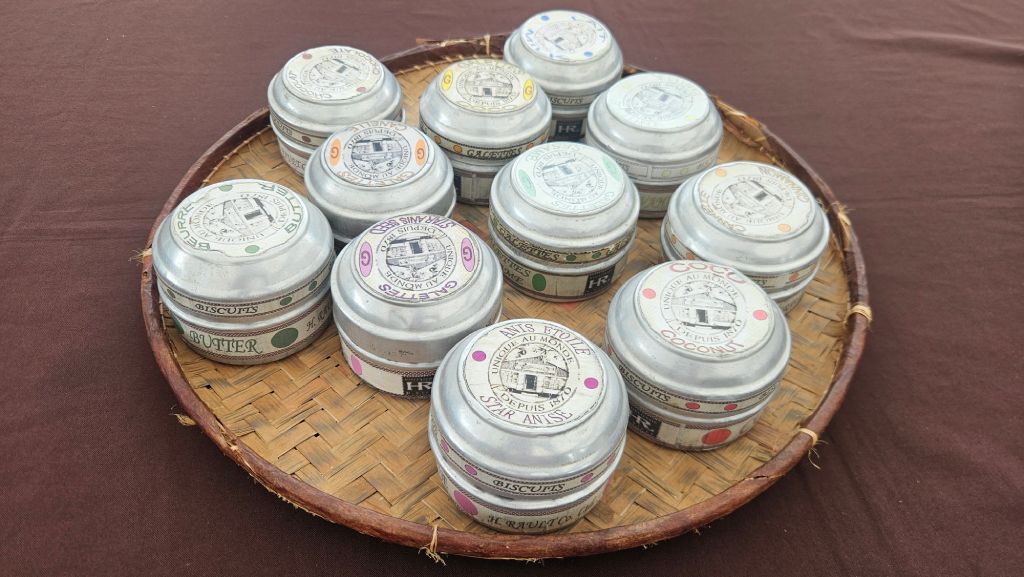
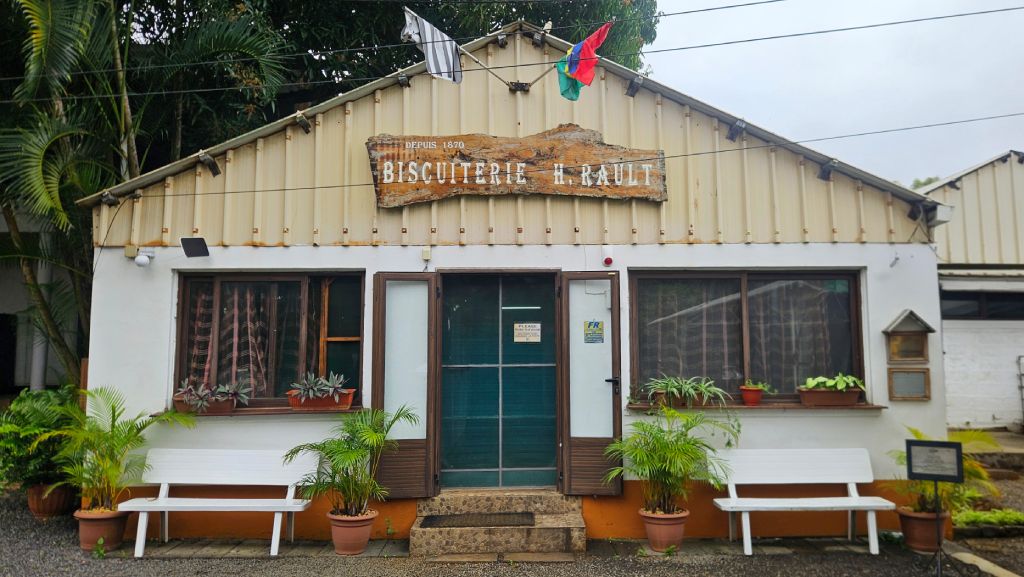
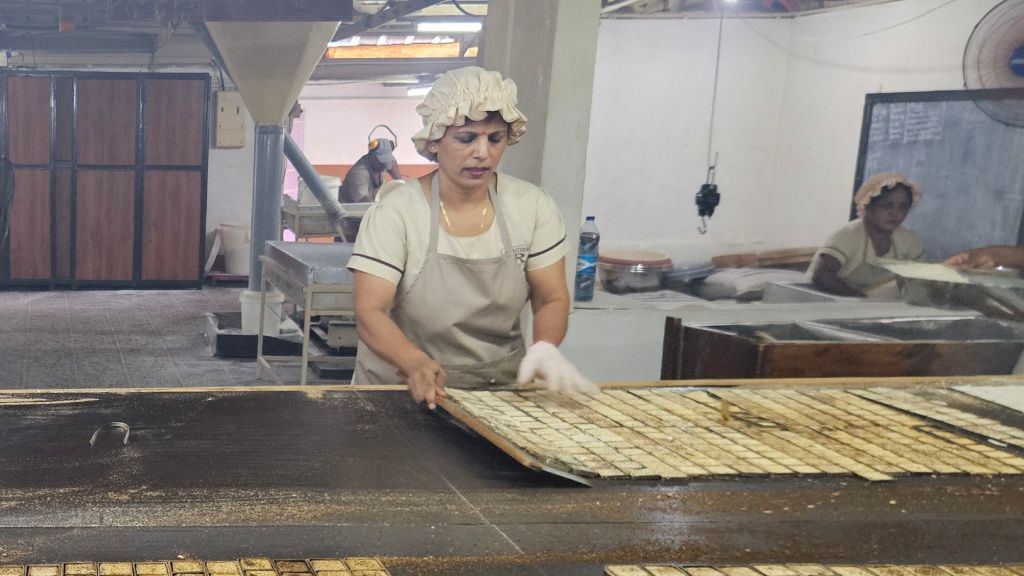
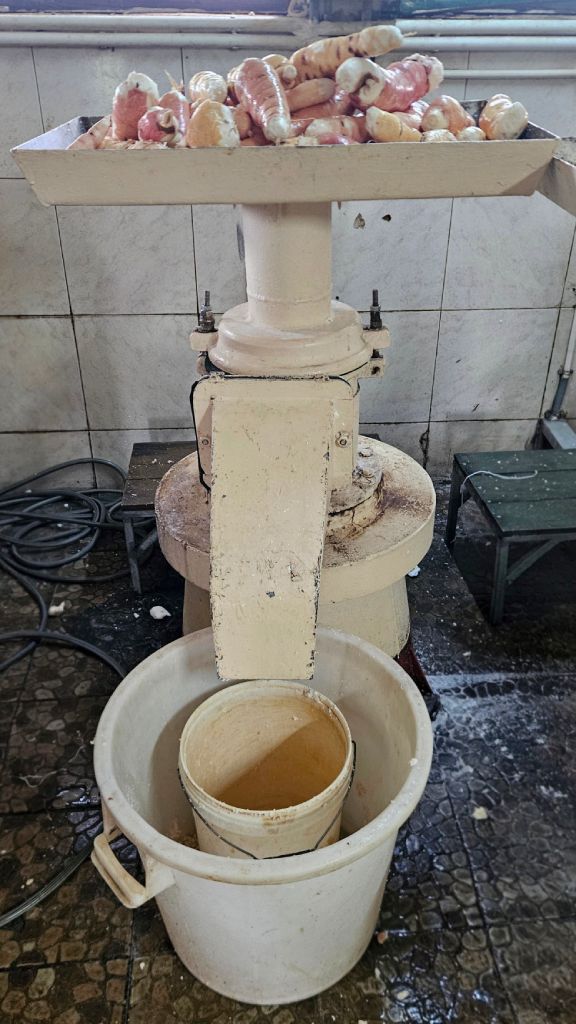
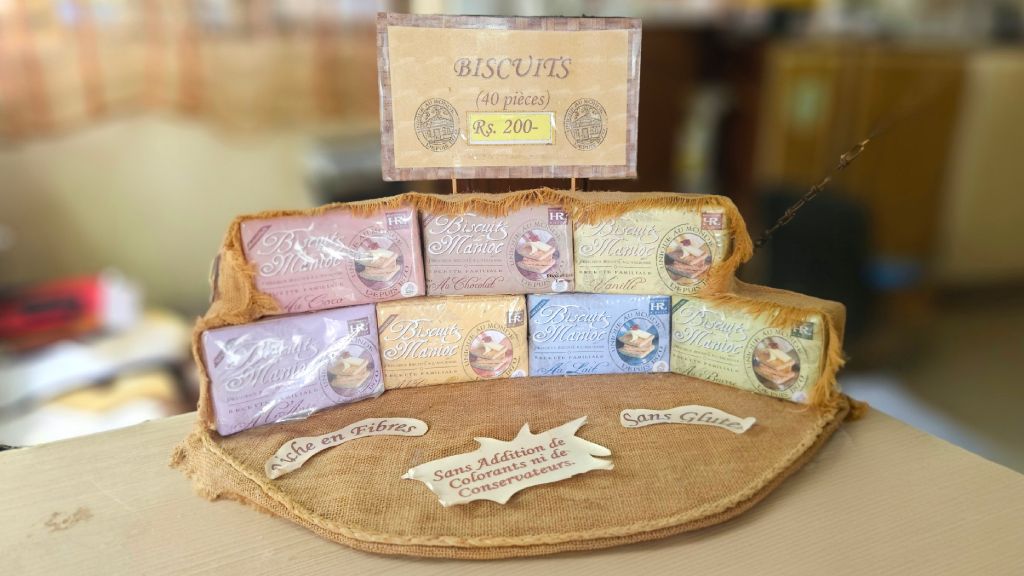
After visiting the vibrant fruit and vegetable market in Mahebourg, I headed to the nearby H. Rault Manioc Biscuit Factory, which claims to be the only factory of its kind in the world.
I watched the simple production process. First, workers peel and grind the cassava into fine flour. It is then mixed with sugar and flavorings. The mixture is baked on a long, hot table, slowly turned and finally packed. Later, I tasted biscuits in all the available flavors, served with tea. The taste was a little plain and dry, but certainly original.
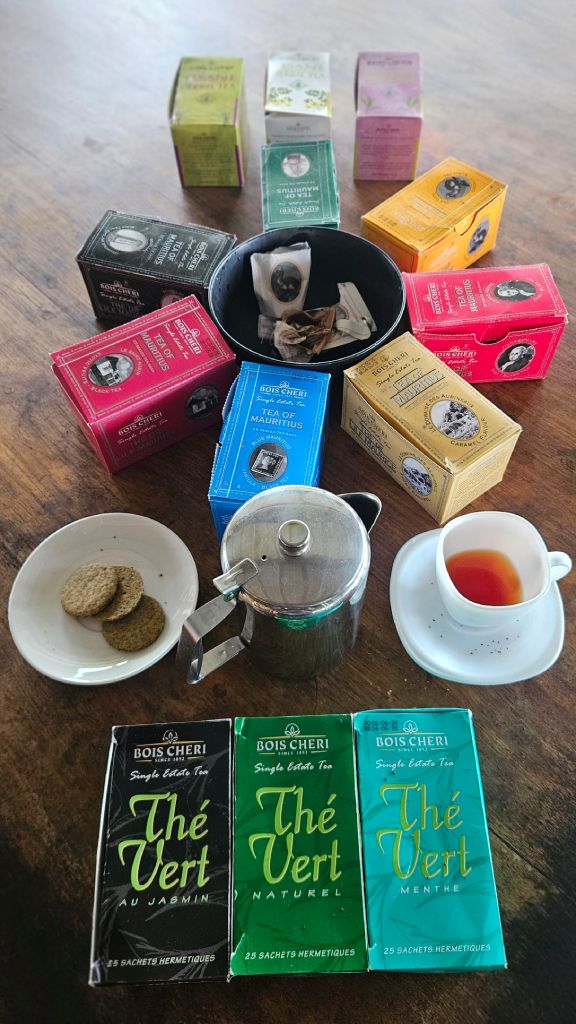
My next stop, in heavy rain, was the Bois Cheri Tea Factory. The factory closed production because of the low season, but I visited the museum and tasted several teas: black, green and herbal. Interestingly, after tasting several teas one after another, I could clearly tell the differences. Some were quite strong, but my favorite was the lemongrass tea.


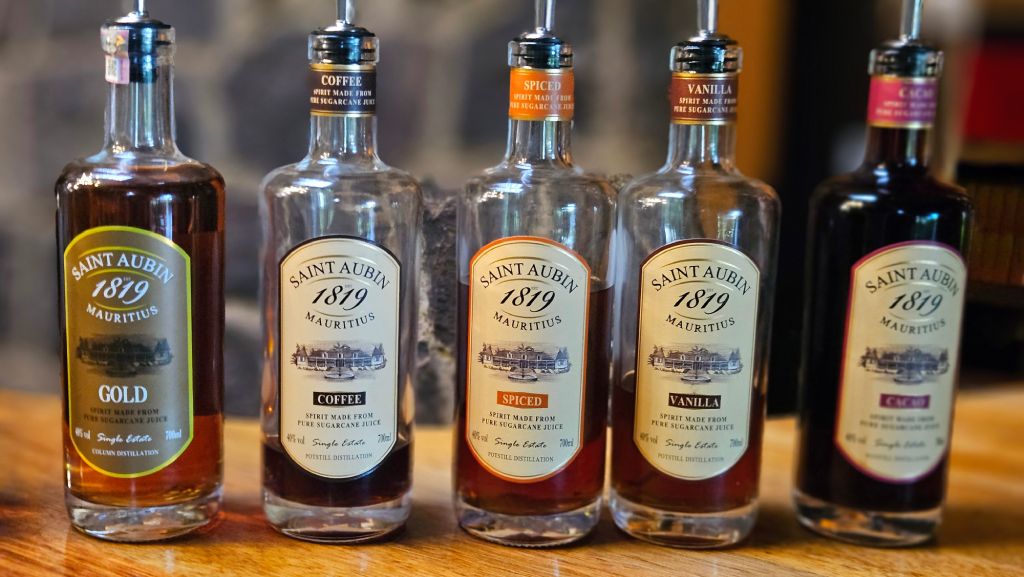
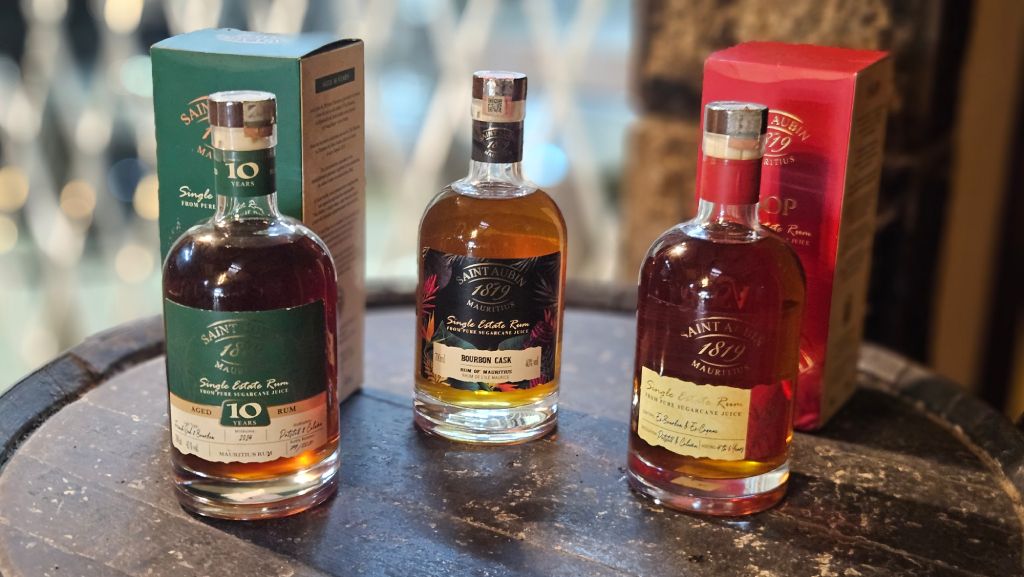
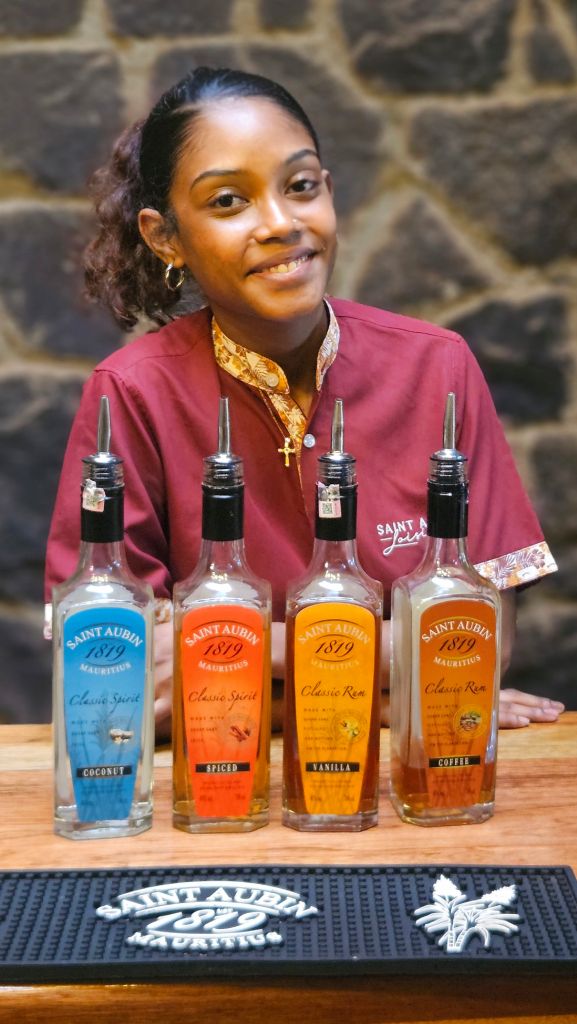
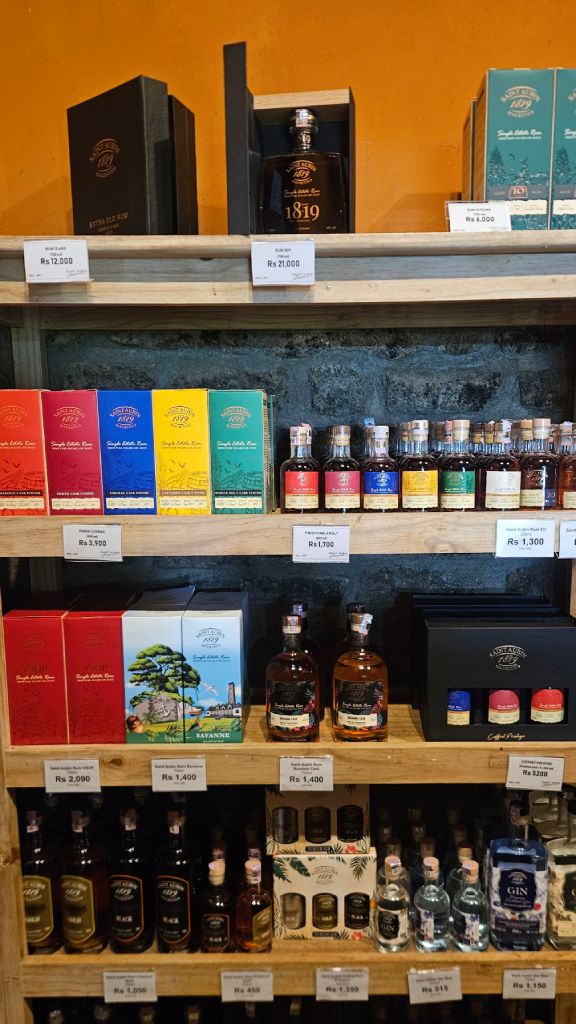
The final stop of my tasting day was the Saint Aubin Rum Distillery. A rather uninteresting five-minute explanation of the rum-making process didn’t impress me. I also skipped tasting the very expensive rums aged for ten years or more. Among the commercial varieties, vanilla rum seemed to be the most popular, but I didn’t find it particularly special.
In general, I didn’t find many interesting things to do or places to visit in the southern part of the island.
Multicultural capital Port Luis
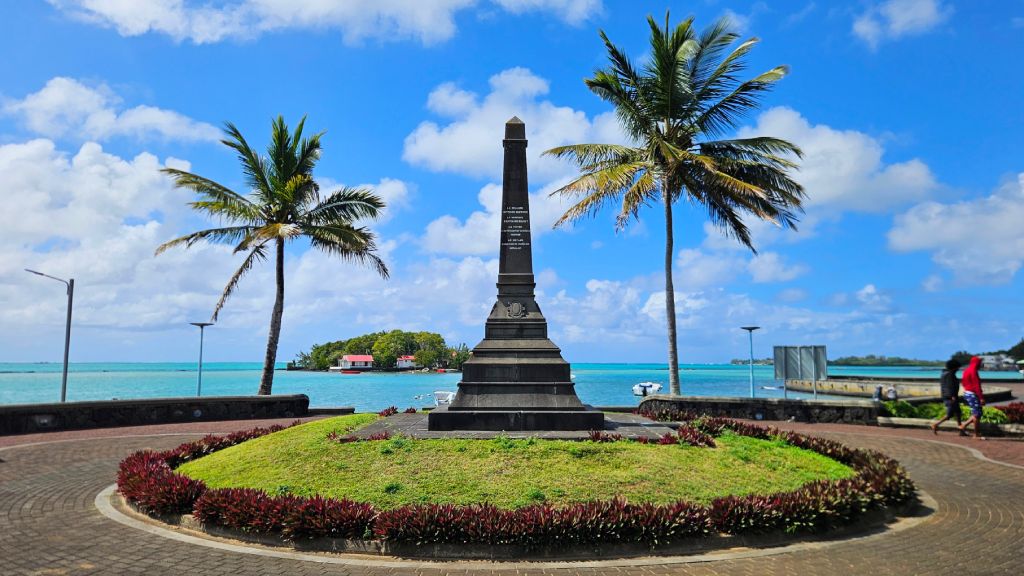
The next stop on my Mauritius travel adventure was Port Louis.
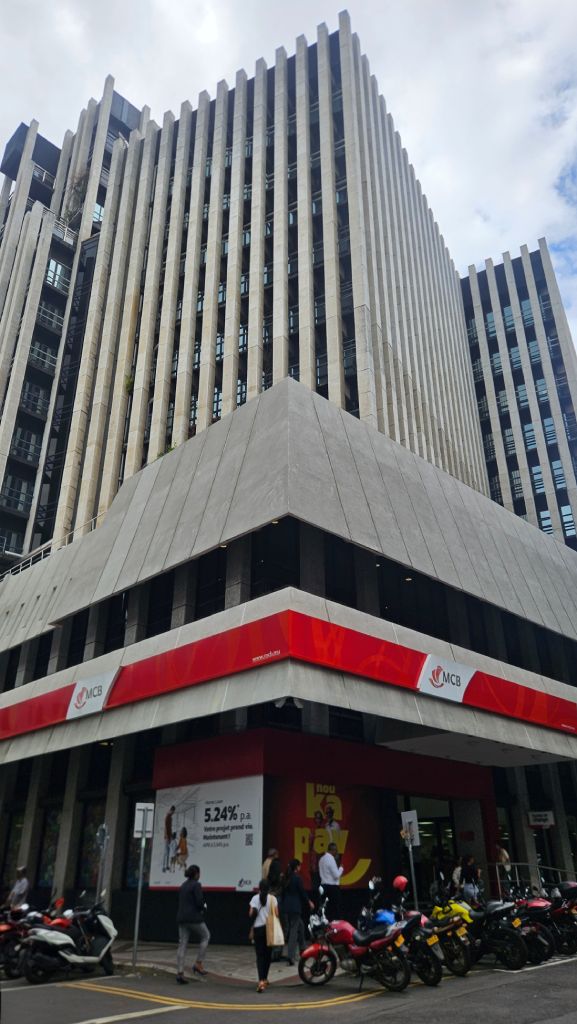
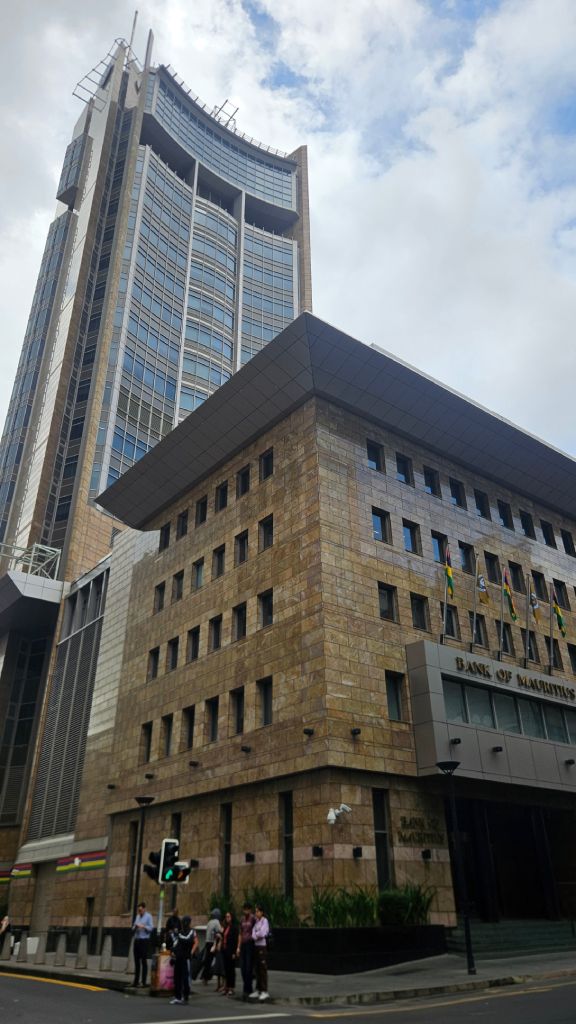
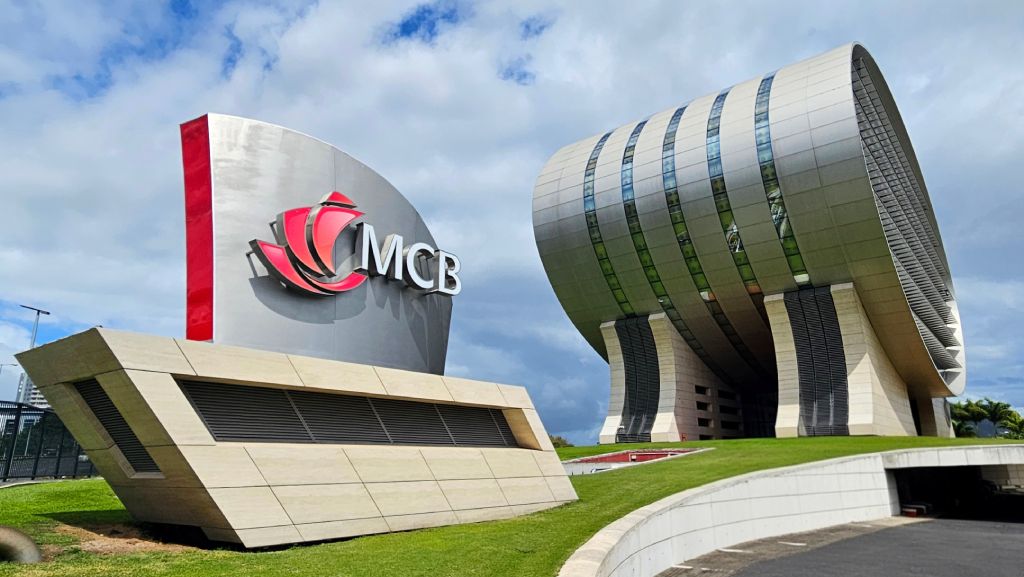
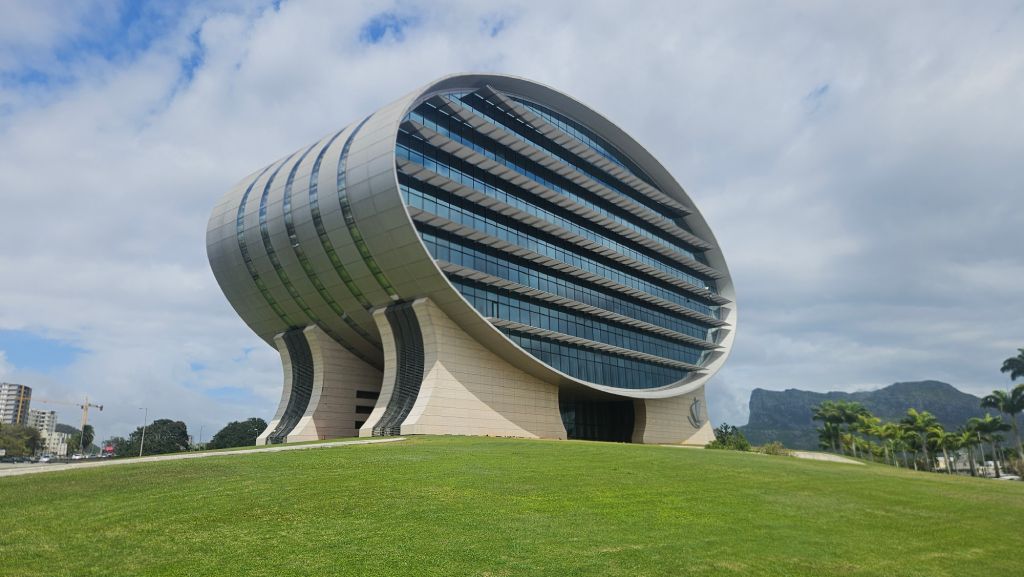
The capital of the “country of immigrants”, as Mauritius is often called, surprised me with its size and modernity. I first stopped in front of the modern MCB headquarter, the largest Mauritian bank. The oval glass building is a striking landmark because of its shape, energy efficiency and symbolism of success.
In 18th century, Port Louis became an important stop for ships travelling between Europe and Asia thanks to its natural harbor. The city played an important role in the global indentured-labor system. After slavery was abolished in the British Empire in 1834, the British chose Mauritius as the first place for their experiment with indentured labor.
Nearly half a million Indian indentured workers passed through Aapravasi Ghat between 1834 and 1920.
Today, Aapravasi Ghat is protected as a UNESCO World Heritage Site. Although the museum and remains of the old buildings are among the highlights of Port Louis, I was not particularly impressed by them.
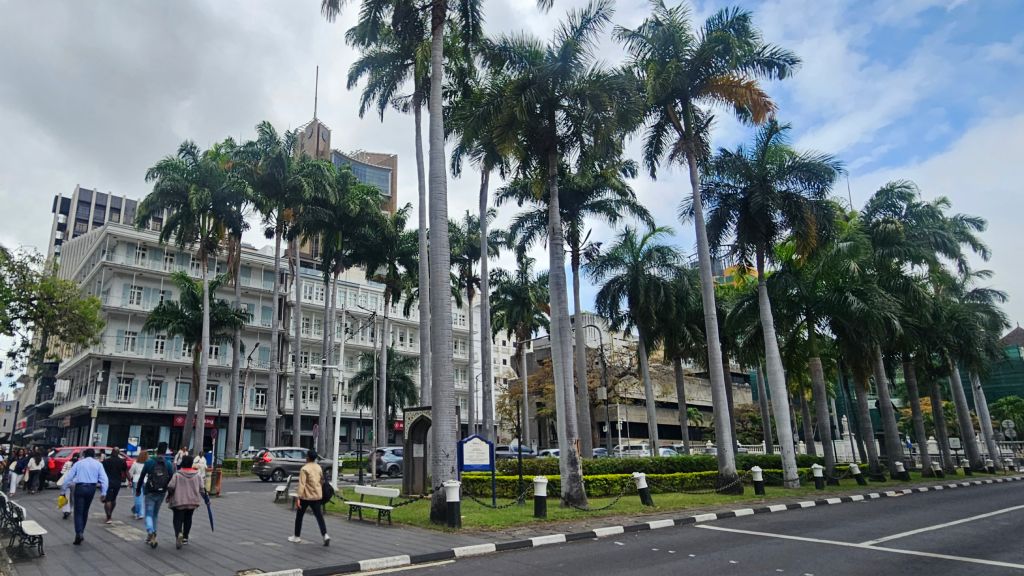
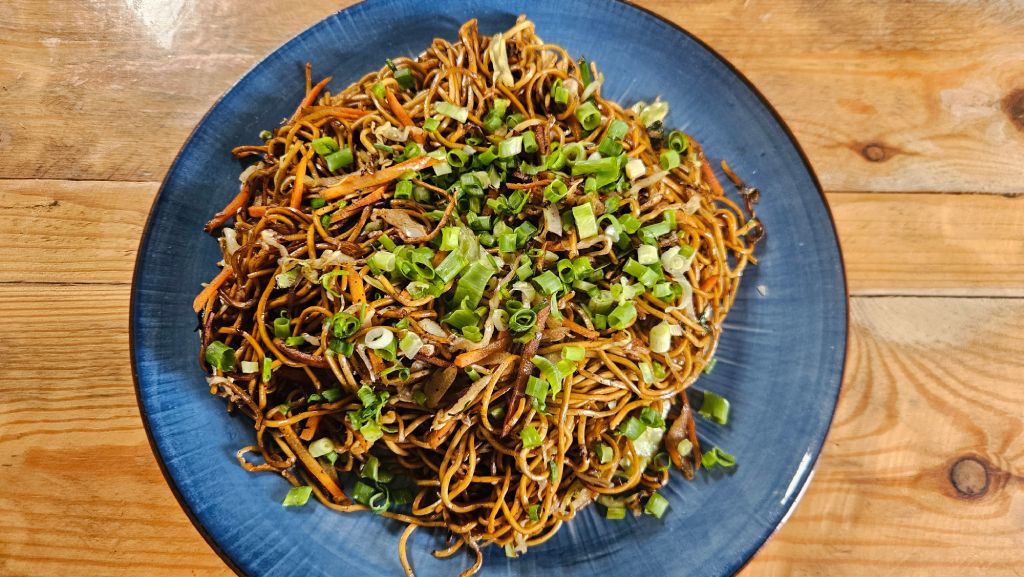
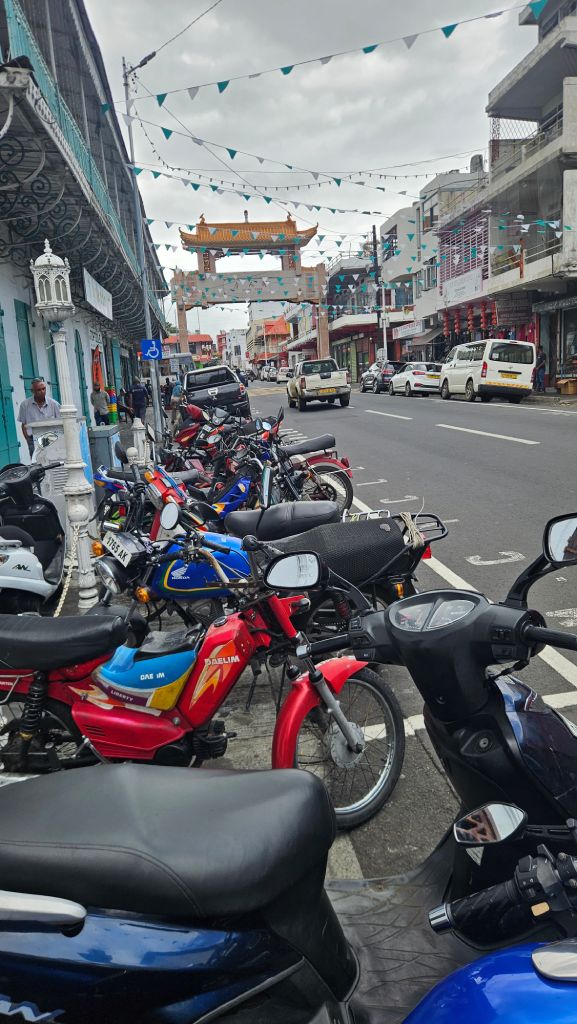
Chinese communities have lived in Mauritius since the 19th century, so it is no surprise that Port Louis also has a Chinatown. Chinese gates mark both ends of the main street. I stopped at one of the local restaurants for Chinese food for lunch.
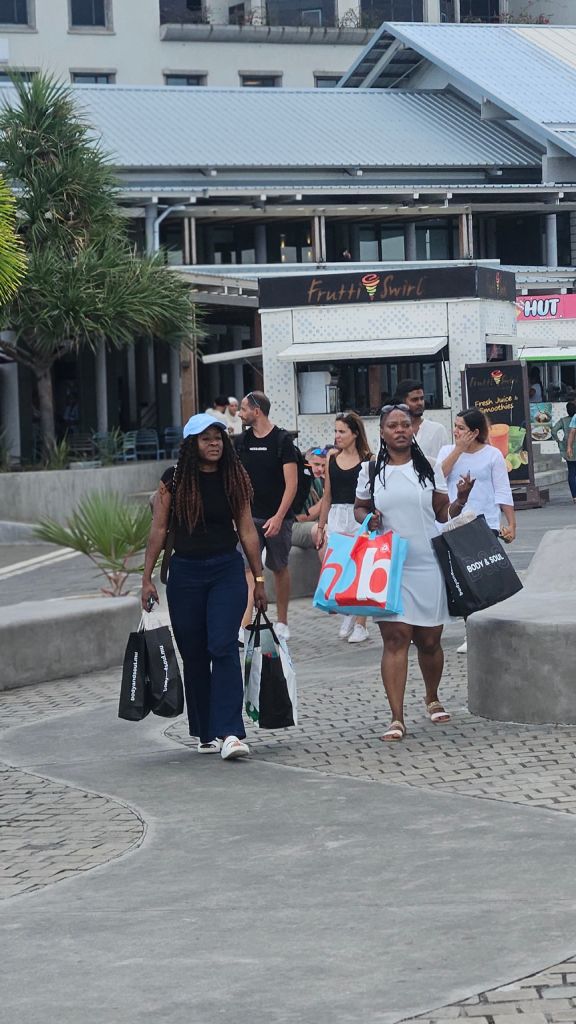
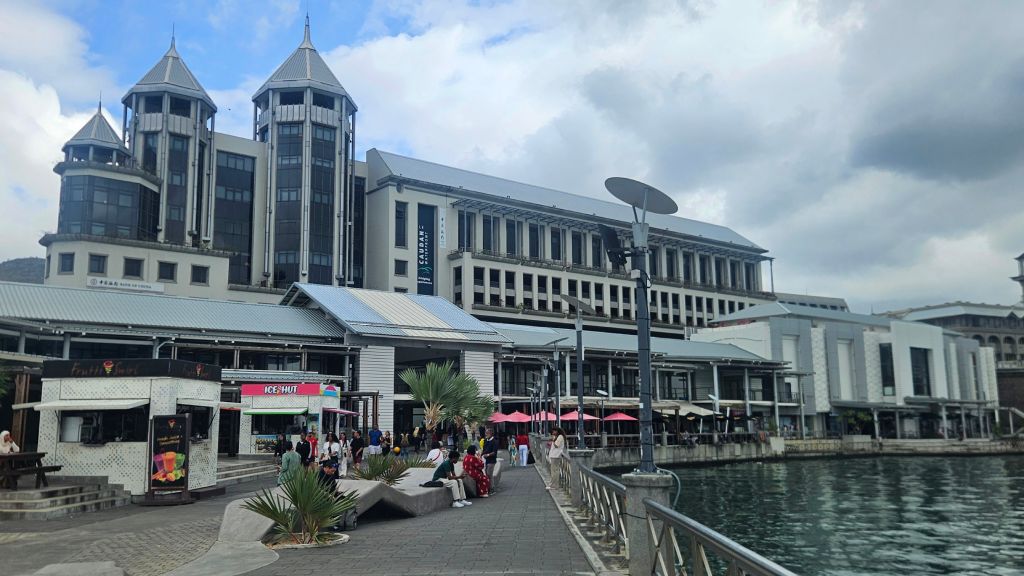
I returned to the parking through Caudan Waterfront, the modern waterfront with shopping and entertainment district. This artificial complex with shops, restaurants and kitschy stalls was built to accommodate the large numbers of passengers arriving on cruise ships.
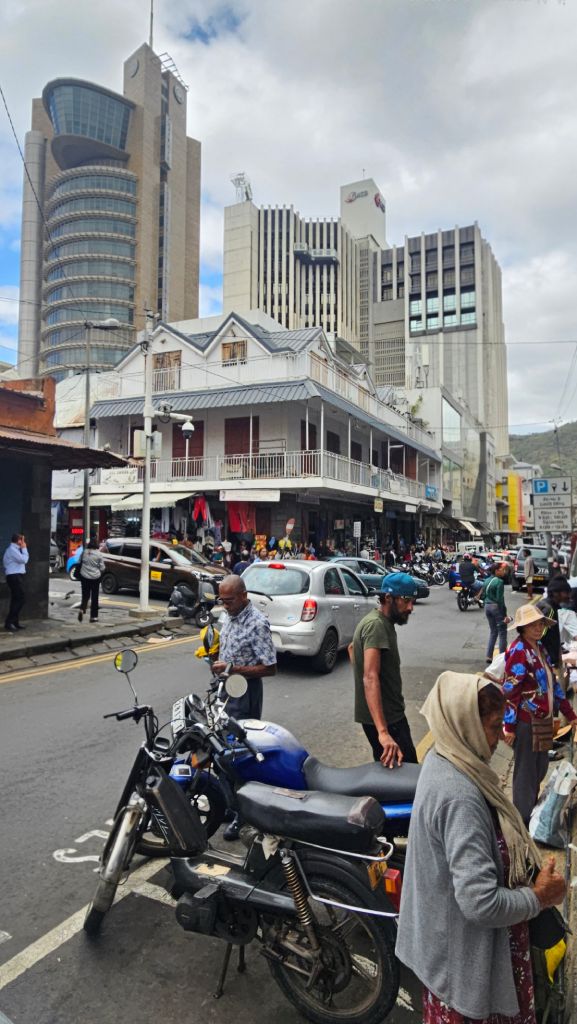
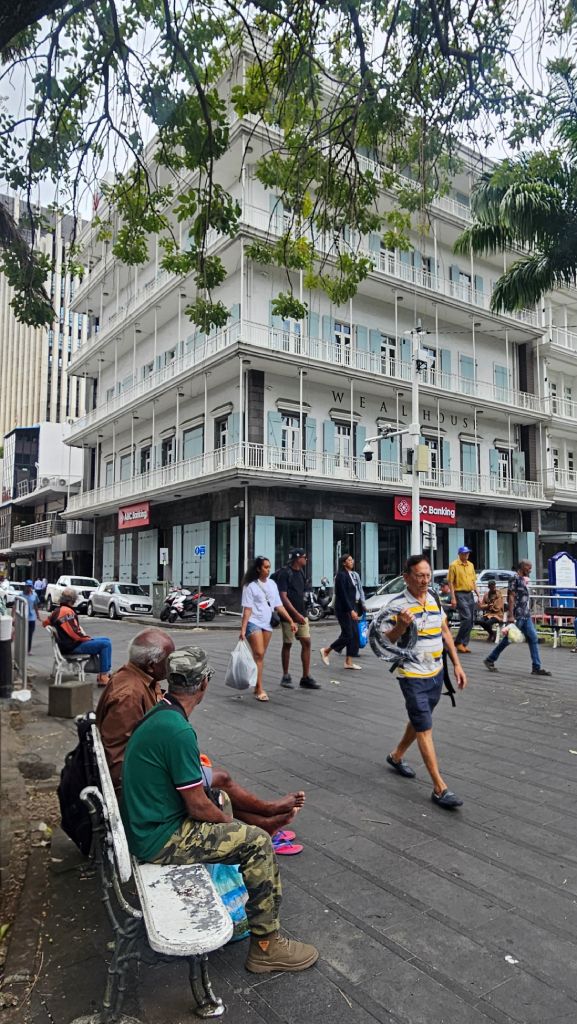
Although the Blue Penny Museum is one of the city’s main attractions, I skipped it because of its touristy location. I found the contrast between the modern and old buildings around the central market more interesting.

Lively and touristy Grand Baie
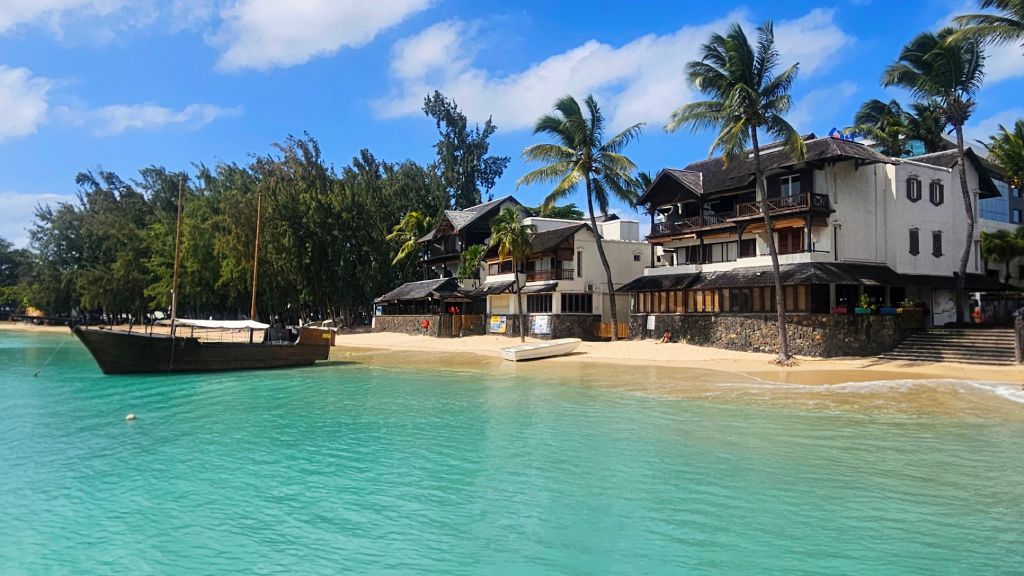
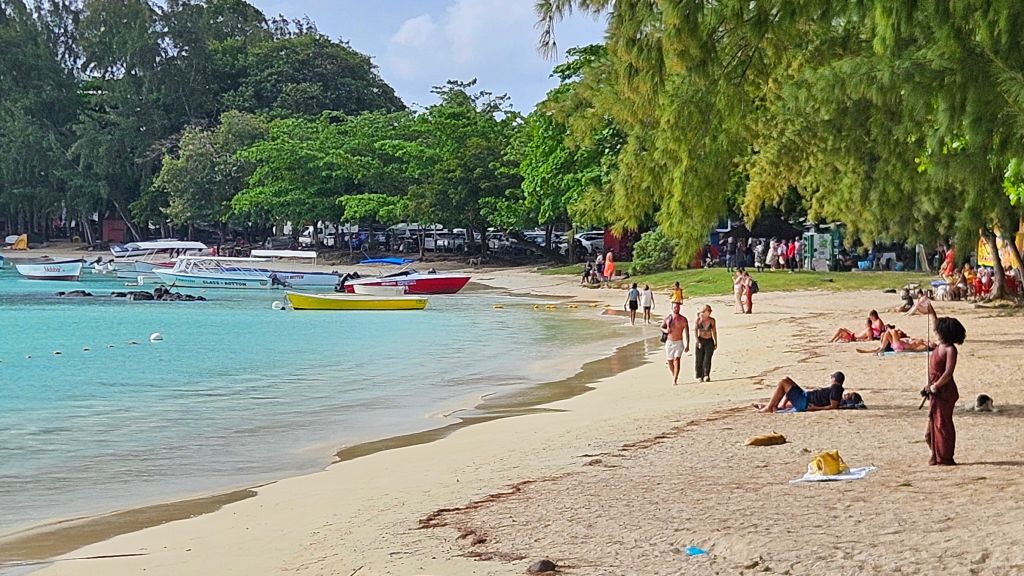
Grand Baie is the liveliest place I visited in Mauritius, although without particularly exciting things to do or places to visit. The turquoise lagoon was full of boats, while the streets were packed with restaurants, cafés and bars. I enjoyed walking along the waterfront and the public beach.
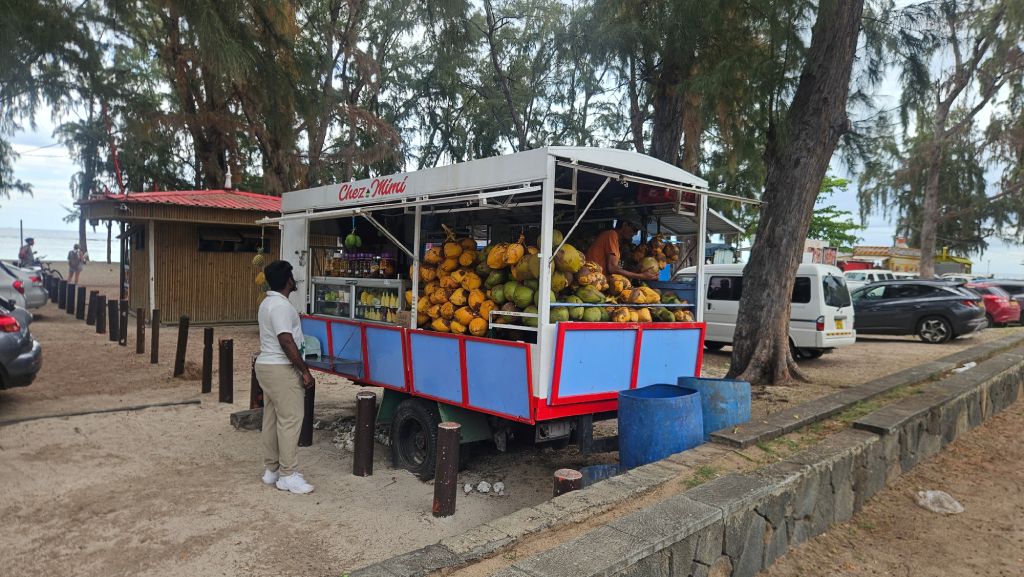
Despite being filled with anchored sailboats and other boats, the water in the bay is beautifully turquoise. Hawkers offer food, drinks, cocktails and snacks without being intrusive, as everywhere in Mauritius. They clearly know how to do tourism, unlike places where sellers are pushy or overcharge tourists.


I stayed in an apartment building just a few streets from Pereybere Public Beach.
The houses were built very close together, with my neighbor’s balcony only few meters from mine.
There was no view, privacy or much comfort. I noticed that many accommodations in the area were built in similar conditions, with the exception od upscale hotels.
The northern coast
Over the next two days, I explored the northern coast.
One of the most visited places is Notre-Dame Auxiliatrice de Cap Malheureux, with its almost fairytale setting beside the sandy beach. Finding the right angle for a good photo was not easy, with clouds constantly moving and tourists posing in front of the church.
In general, the coastline of Mauritius, is far from being one continuous sandy beach. Much of it is built up, rocky or inaccessible.
The public sandy beaches, however, are very well maintained, with parking, toilets, and plenty of food, drinks and restaurant options.

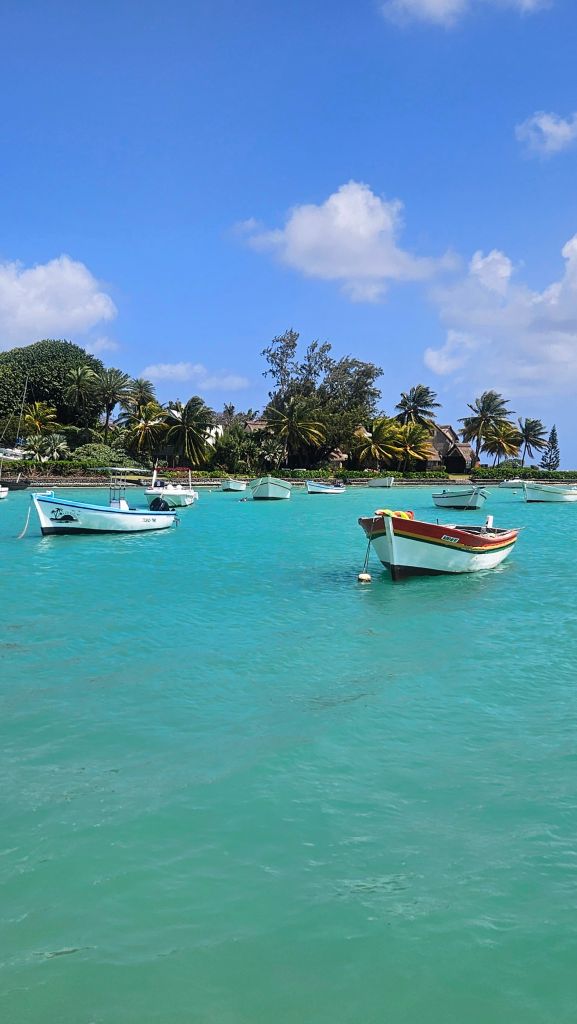
Access to all beaches in Mauritius is generally public, and even luxury hotels cannot block public passage along the coast. When I was walking along beaches in front of some hotels, I noticed that many had unattractive, rocky shorelines.
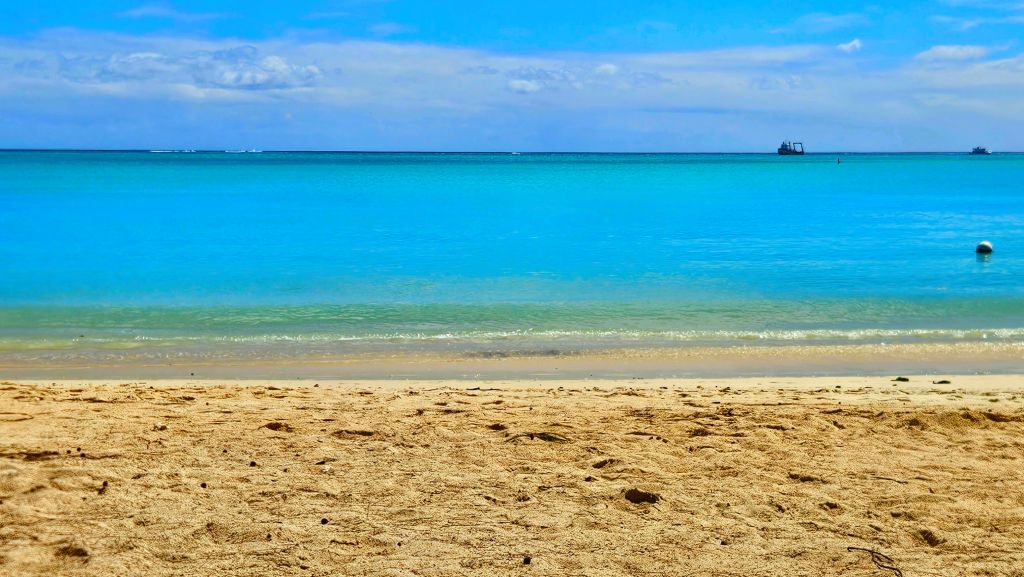
Most of the official public beaches, on the other hand, were beautiful. My favorite was Mont Choisy Public Beach, which stretches for 3 kilometers along the coast, with a superb sandy shoreline and turquoise water.
In general, there are not many things to do on the beaches besides sunbathing, relaxing, and swimming. Mobile food stands offer food and drinks, but I didn’t see any sports facilities, and other water activities are also very limited.

The Seven Cascades
Because of the bad weather and rain, I couldn’t find the right moment to visit the central part of the island. This area has Mauritius’s best natural attractions, besides the beaches. When the opportunity finally came, I took it.
Tamarind Falls is a series of seven waterfalls known as the Seven Cascades. When I met my guide, Manish, at 10:00am, the sun was shining, and it stayed that way for most of the hike. Walking over slippery ground was occasionally dangerous. We were descending from one to another waterfall, with Manish stopping at the most photogenic spots.
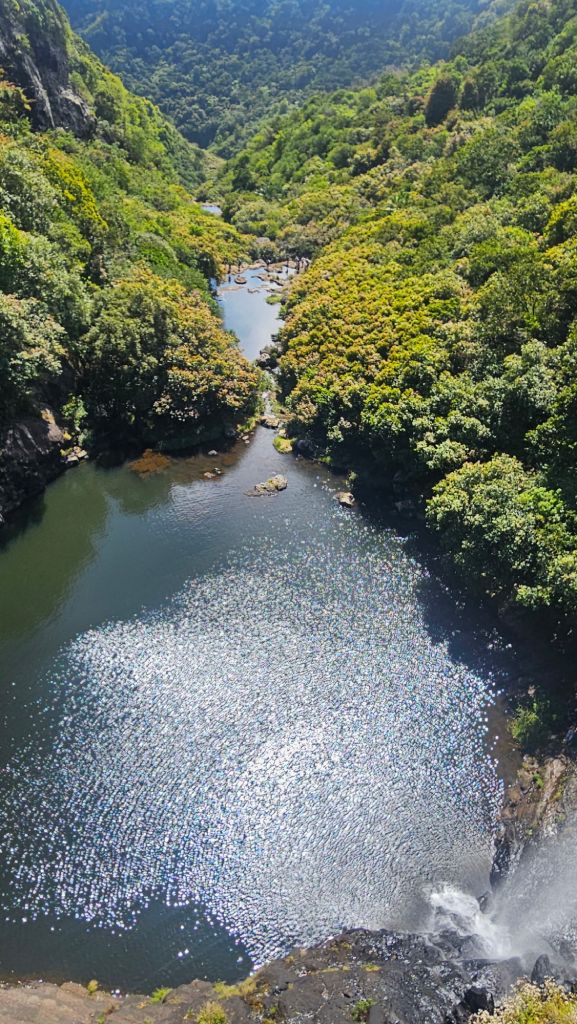
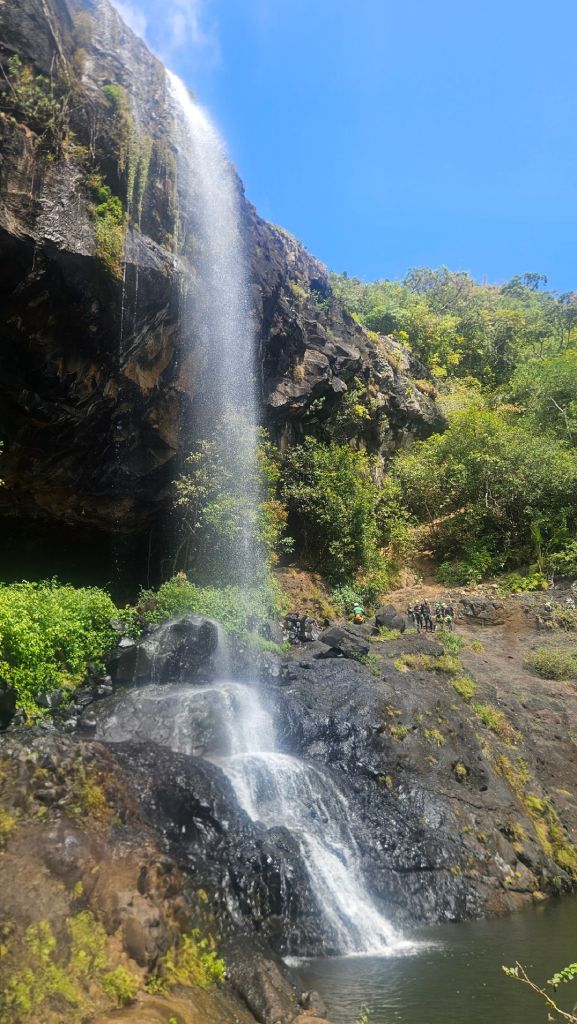
“Here is the first jump – 10 meters,” he said, pointing towards the rocks.
“Of course, I will jump,” I immediately replied, while the other two members of our group shook their heads.
While Manish went down to the lagoon to find a good spot to film me, I had to climb down the rocks to the jumping point.
Looking down made my heart race, but there was no turning back.
I pushed myself as far out as possible, straightened my body and pulled my arms close to my sides. The adrenaline was at its peak as I hit the water deep below.
Later, it was time for another jump from a six-meter-high rock. That one was easy for me. The hardest part was finding the right spot to jump from.

Central Mauritius
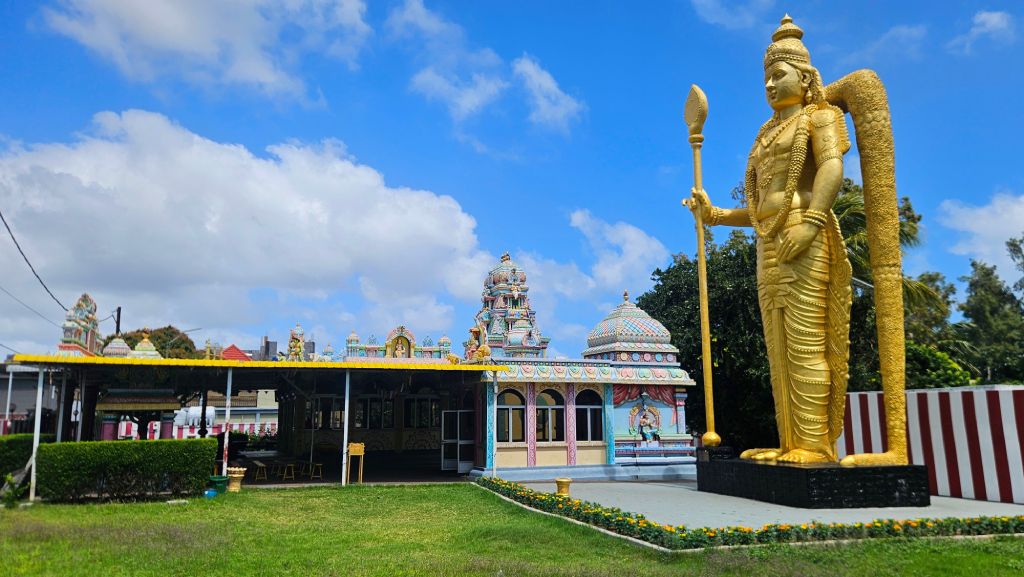
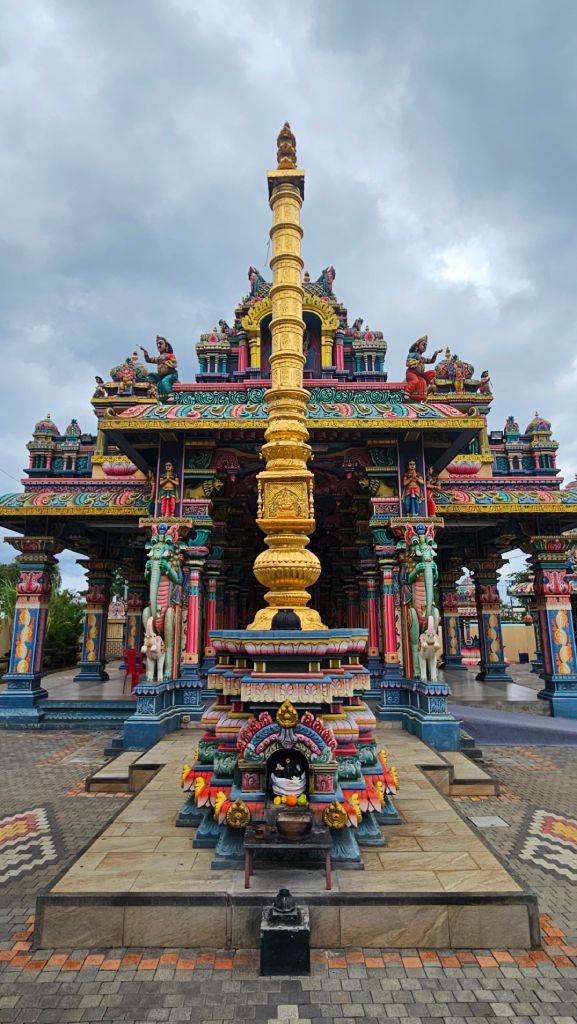
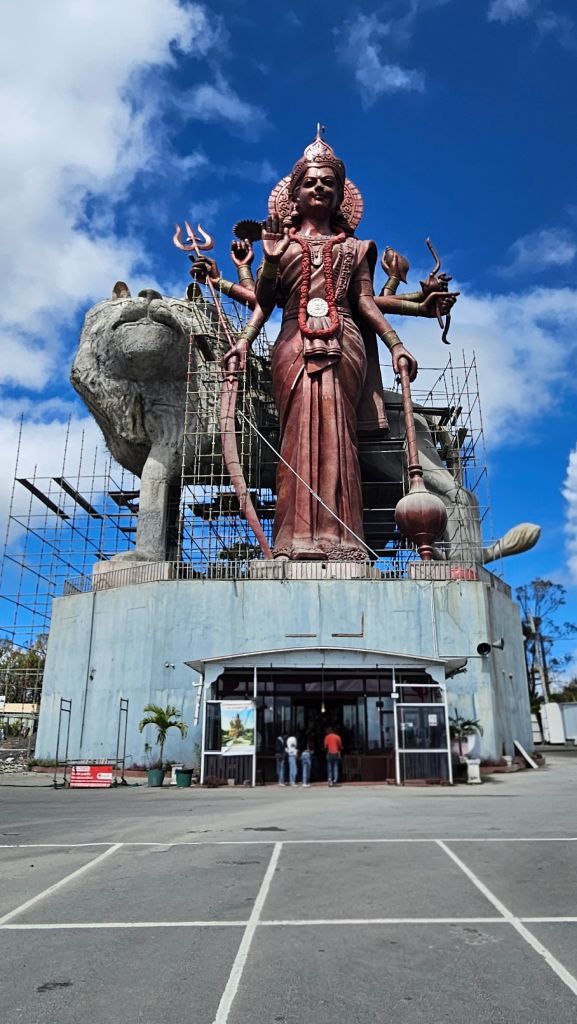
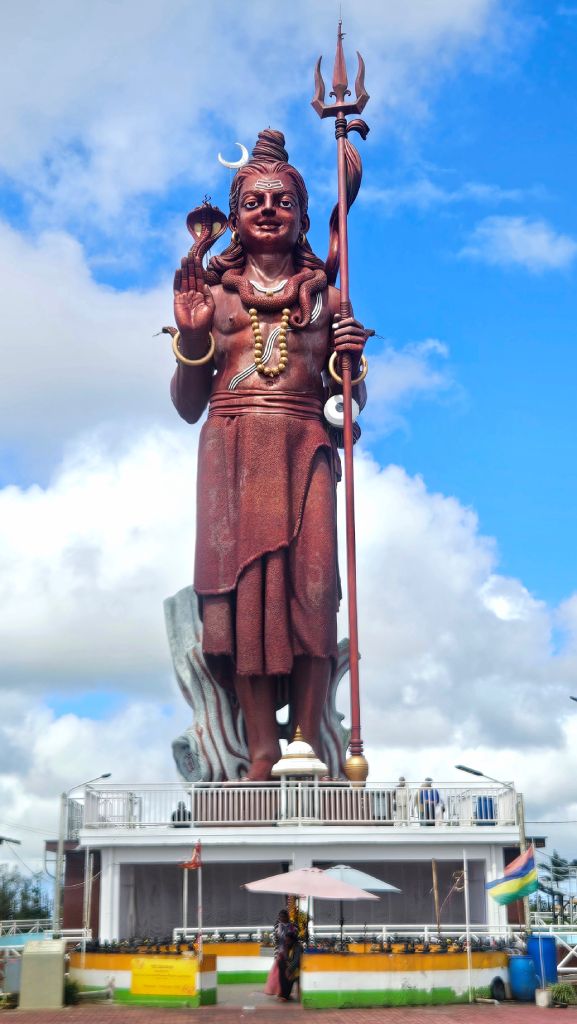
My next stop was Grand Bassin (Ganga Talao), one of the most important Hindu pilgrimage sites in Mauritius. Situated around a sacred lake and surrounded by wooded hills, it is symbolically linked to the Ganges River in India. Large parking areas confirm that the site attracts thousands of pilgrims, especially during the annual Maha Shivaratri festival.
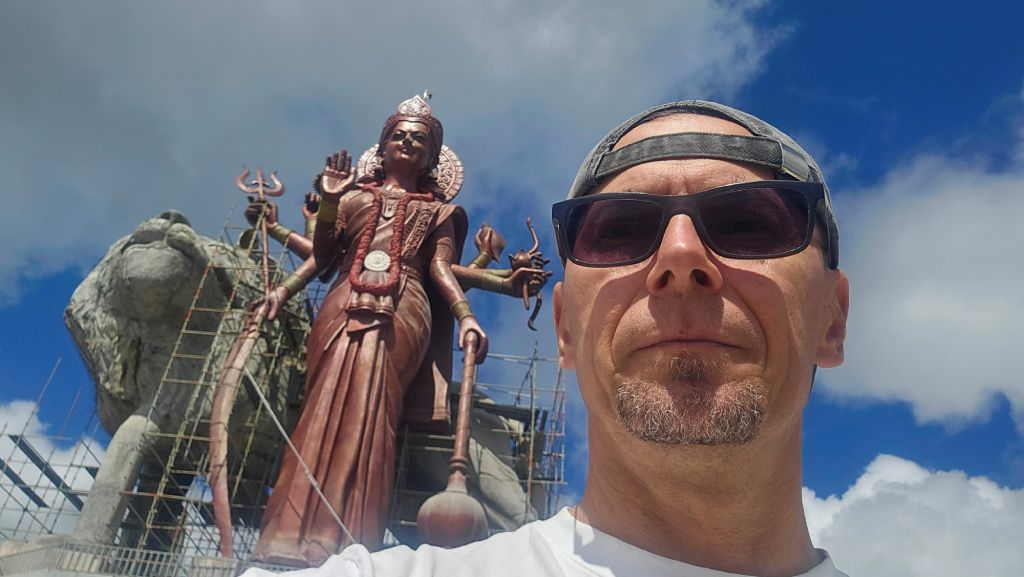
From a distance, I spotted two enormous statues of Shiva and Durga, both standing 33 meters tall.
Durga is depicted with a lion, symbolizing strength and courage, while Shiva holds a trident with a snake coiled around his neck.
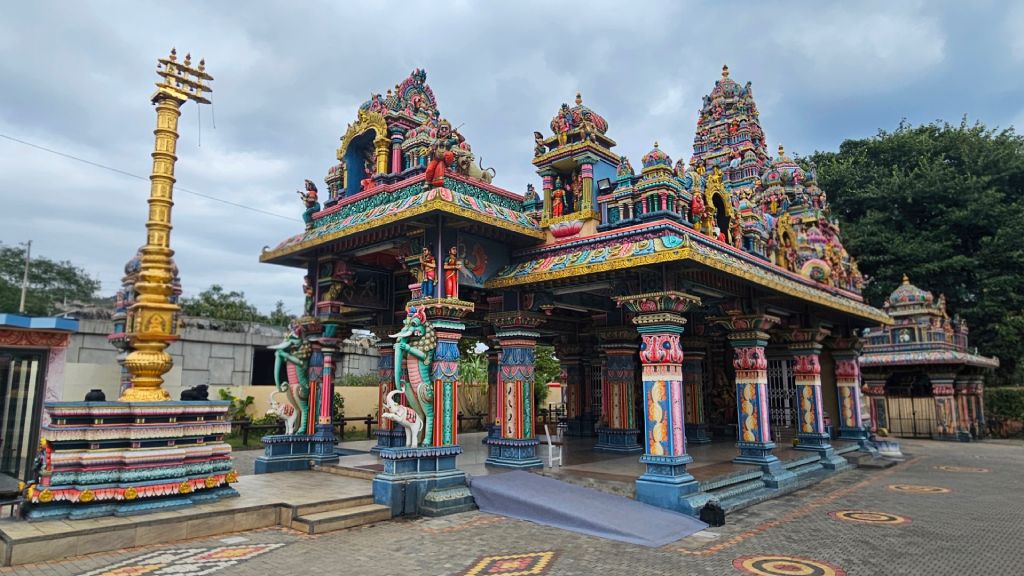
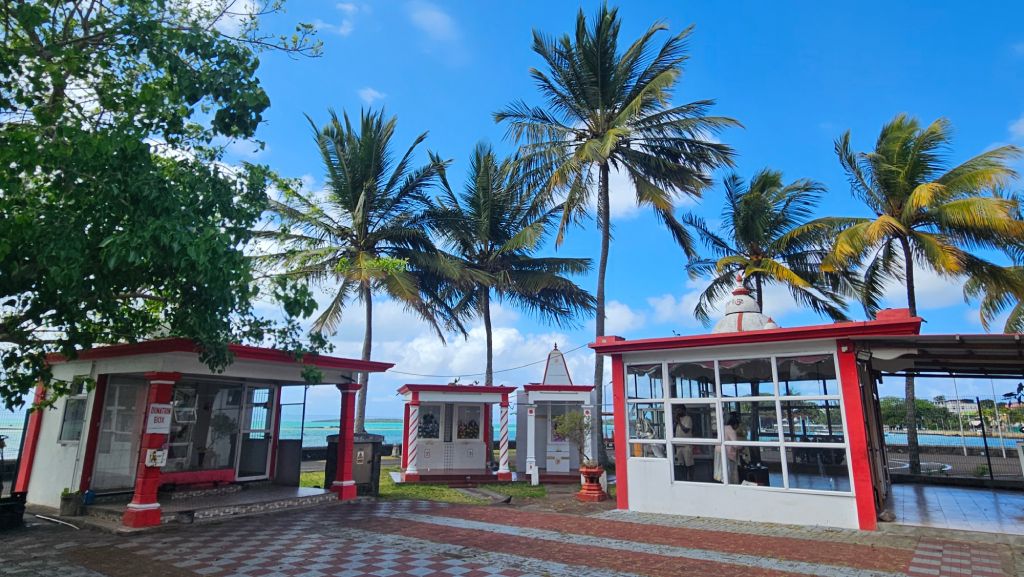
As I walked around the lake, I came across several smaller temples and shrines dedicated to various Hindu deities.
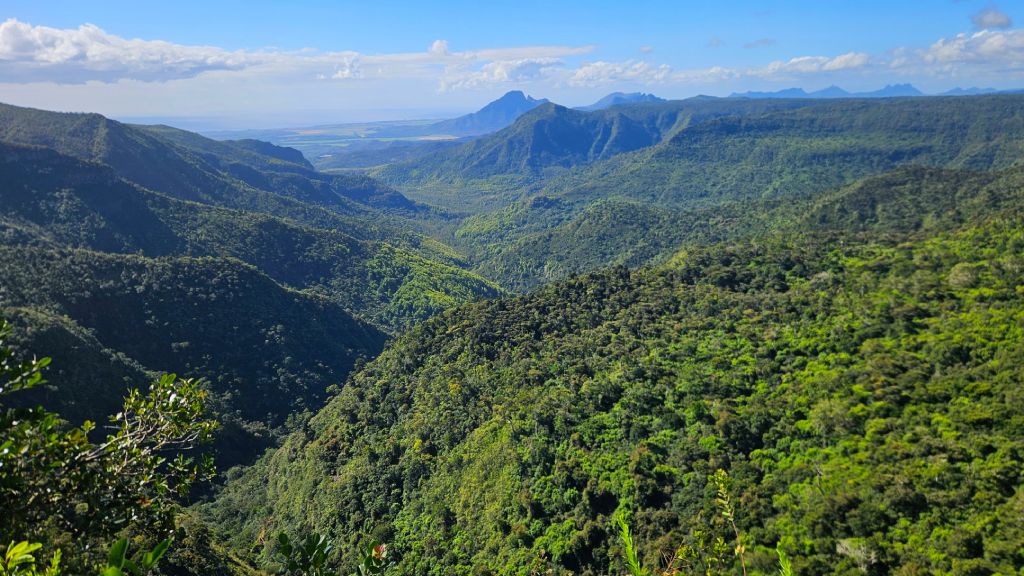
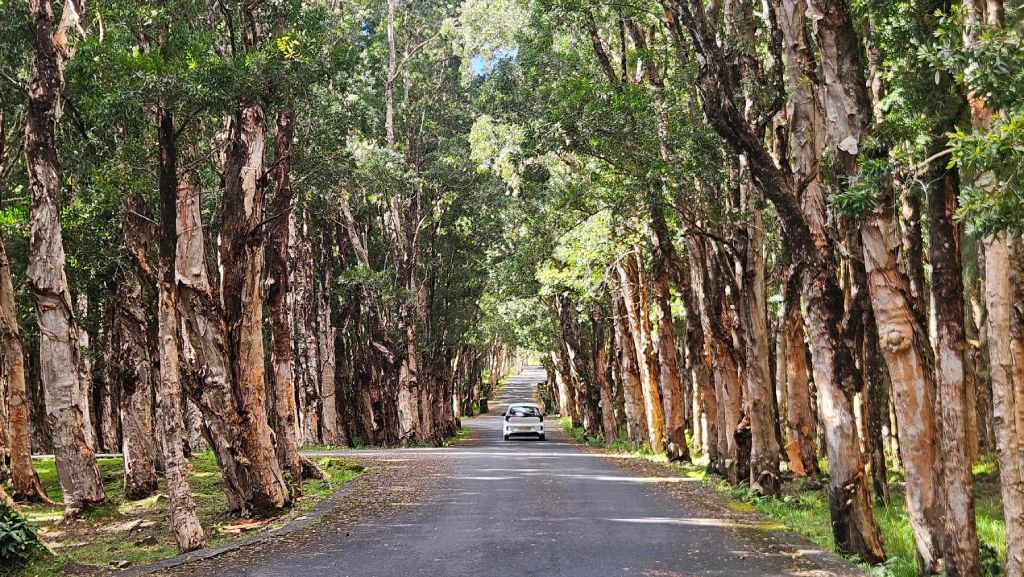
Black River Gorges National Park is the largest protected natural area in Mauritius, with several hiking trails. I only stopped at a few viewpoints along the main road. Although it feels very different from the coastal parts of the island, with its mountains and dense forest, I didn’t find it particularly exciting.
Skipping Chamarel and discovering Le Morne
I deliberately skipped Chamarel Seven Coloured Earth Geopark and Chamarel Waterfall, the only paid natural attractions on my list of places to visit. Already at the entrance, I noticed security guards, a complicated payment system and heavy marketing, which put me off.
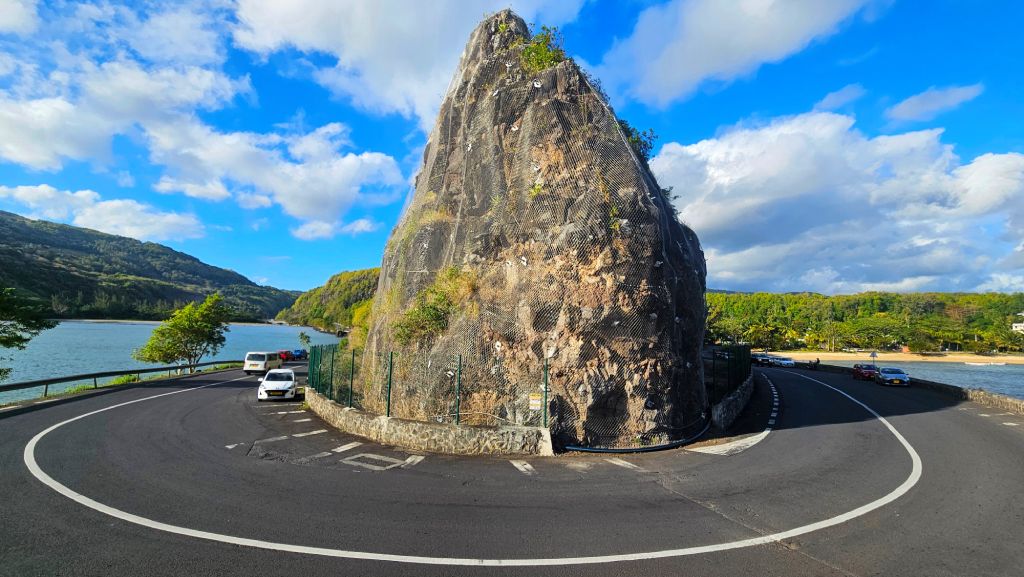
Instead, I drove all the way down to the coast and stopped at Maconde Viewpoint. Despite the strong wind, the spectacular view of the road winding around the high rock was very photogenic. I took a few photos and quickly left the area to move on to the next windy area – kitesurfing spot, Le Morne Kitesurfing Beach.
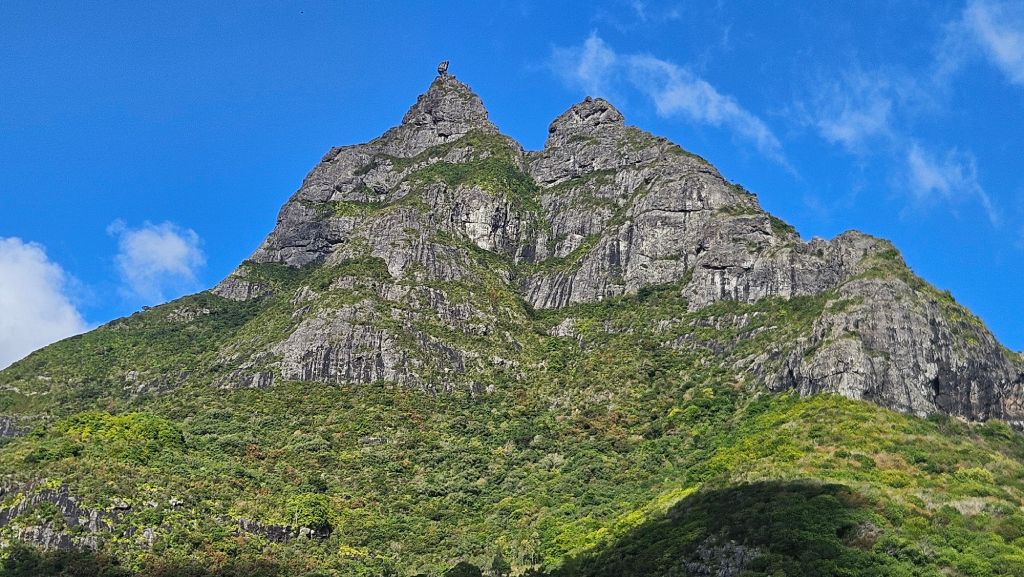
The beach directly below Le Morne Mountain impressed me so much that I almost decided to try kitesurfing for the first time. However, I didn’t have enough time, and the weather conditions the next day were not ideal for beginners.
Perfect sunset in Flic en Flac
My last stop was Flic en Flac, which reminded me quite a lot of Grand Baie. There are many hotels and restaurants, a long sandy public beach with free parking, mobile food and drink vendors. I also saw more tourists here than in other places. The relaxed vibe and many entertainment options attracted quite a few visitors even in the off-season. I imagine it gets really busy during the high season.

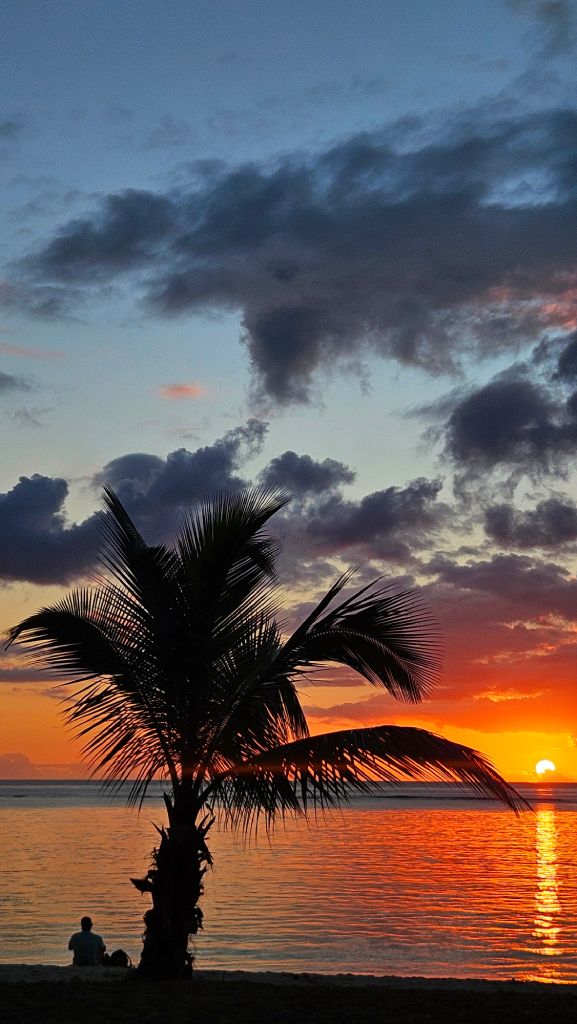
The biggest attraction of Flic en Flac, however, was the sunsets. In the late afternoon, the west-facing beach became a must-visit place. People of different backgrounds, religions and social groups gathered on the sand. Alone, in groups, with their families or as couples, we simply watched the sun go down.
Watching the sunset in Flic en Flac was the perfect ending to my Mauritius travel adventure, just as a dream island deserves.

Reflections on my visit to Mauritius
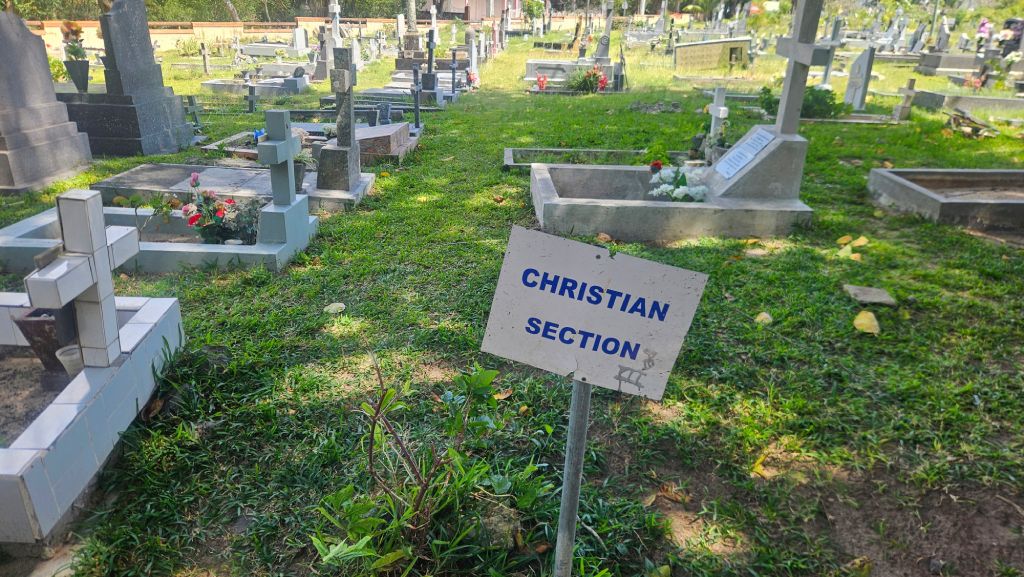
Mauritius is known as a paradise destination with turquoise water, sandy beaches and endless summer. I found out that it is not just a destination for tourists, but also a pleasant home to locals of Indian, African and European descent.
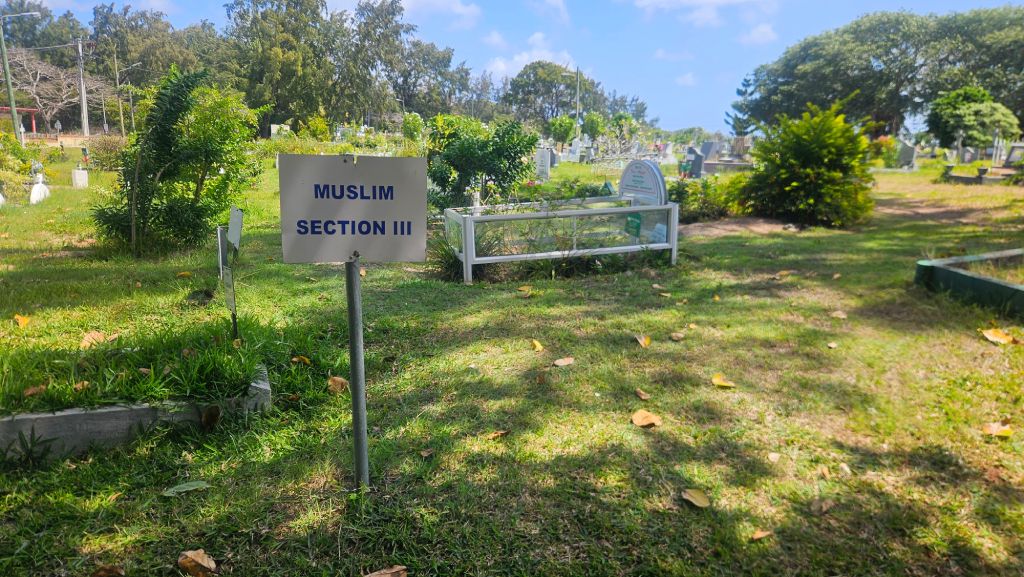
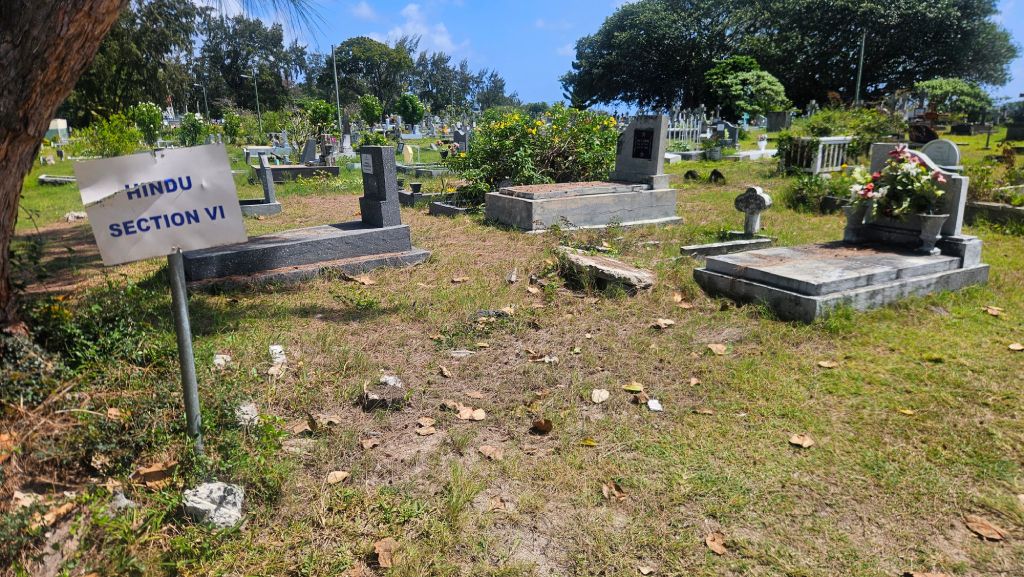
Mountains, waterfalls, sugar-cane fields, coral reefs and beautiful lagoons mix with Hindu temples, churches and mosques. Tourism campaigns still feature the dodo, an endemic flightless bird that disappeared in the late 17th century.
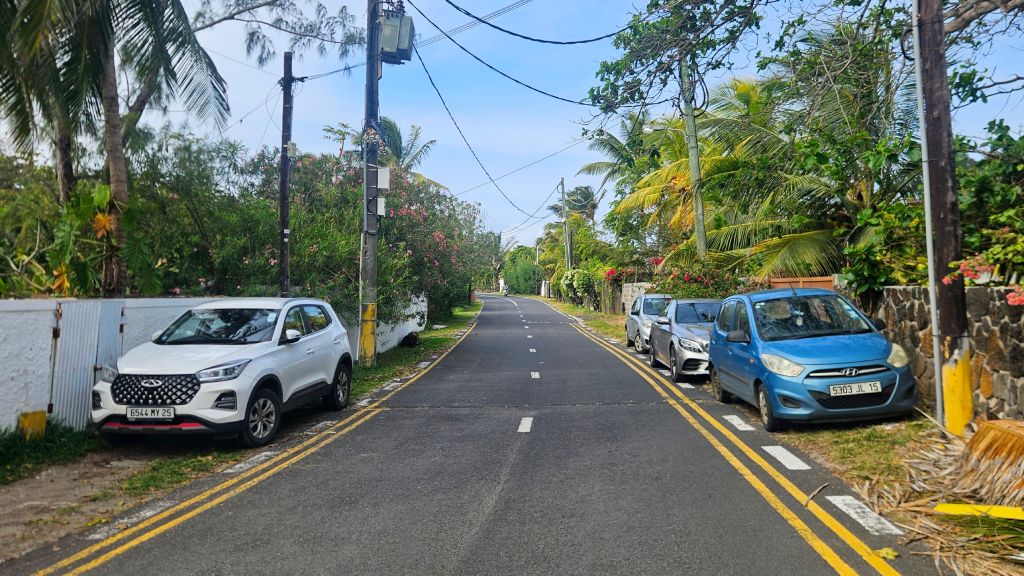
People have built settlements densely; high walls surround many houses and lush tropical vegetation fills the gardens. Cars parked along the roads and fast driving can sometimes make driving challenging.
Although pristine beaches are limited, I found that even some luxury hotels lack the idyllic beaches you might expect. Public beaches, however, offer beautiful sandy shores, free parking and toilets. They are mainly used by locals, who often organize family picnics there, especially at weekends. Visiting these beaches, enjoying the local vibe and relaxing was one of the highlights of my Mauritius travel adventure.
Mauritius Travel Photo Gallery