My Eswatini travel summary:
Visited: August 2026
Duration of visit: 3 days
Capital city: Mbabane
Population: 1,2 million (2026)
Eswatini travel blog reading time: 6 minutes
Attractions and places I visited in Eswatini:
- Mbabane – a capital city with few major attractions or worthwhile landmarks.
- Experiencing traditional village life and local dances in Mantenga Nature Reserve and Cultural Village.
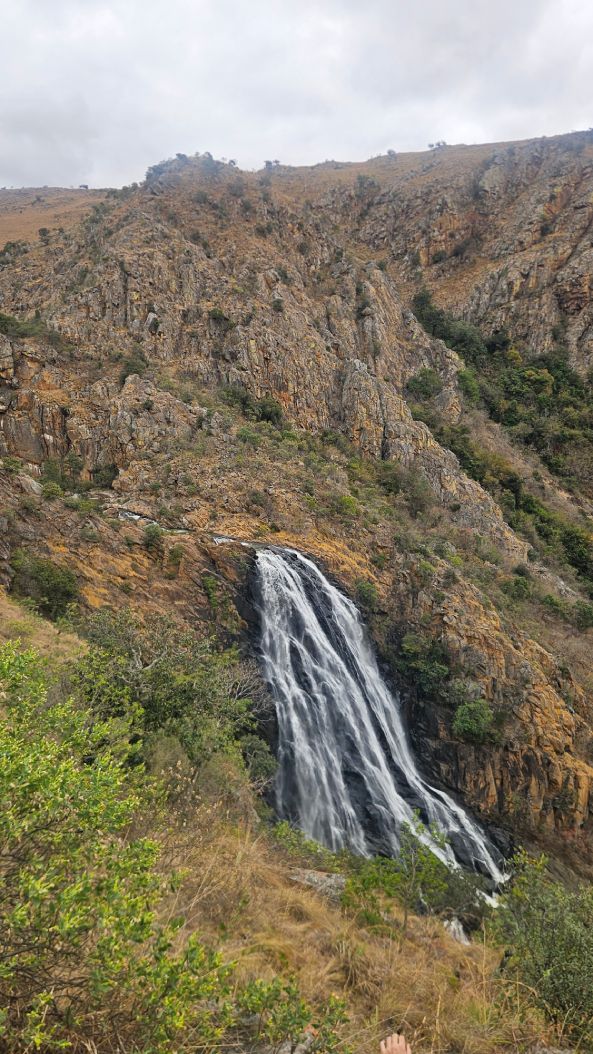
- Trekking to the spectacular Malolotja Falls in Malolotja National Park.
Eswatini travel adventure was part of my two-month journey, which also included Botswana, South Africa, Lesotho, Comoros, Madagascar and Mauritius.
The Kingdom of Eswatini is almost the same size as Slovenia, but with only about half its population. Apart from its name change from Swaziland to Eswatini, I knew very little about the country before visiting.
Eswatini’s best PR is probably its king, famous for his many wives and lavish lifestyle.
The enormous Sibebe Rock is considered the world’s second-largest monolith after Australia’s Uluru, while the traditional Umhlanga (Reed Dance) attracts huge crowds. Unfortunately, during my Eswatini travel adventure, I had no opportunity to experience these well-known Eswatini attractions.
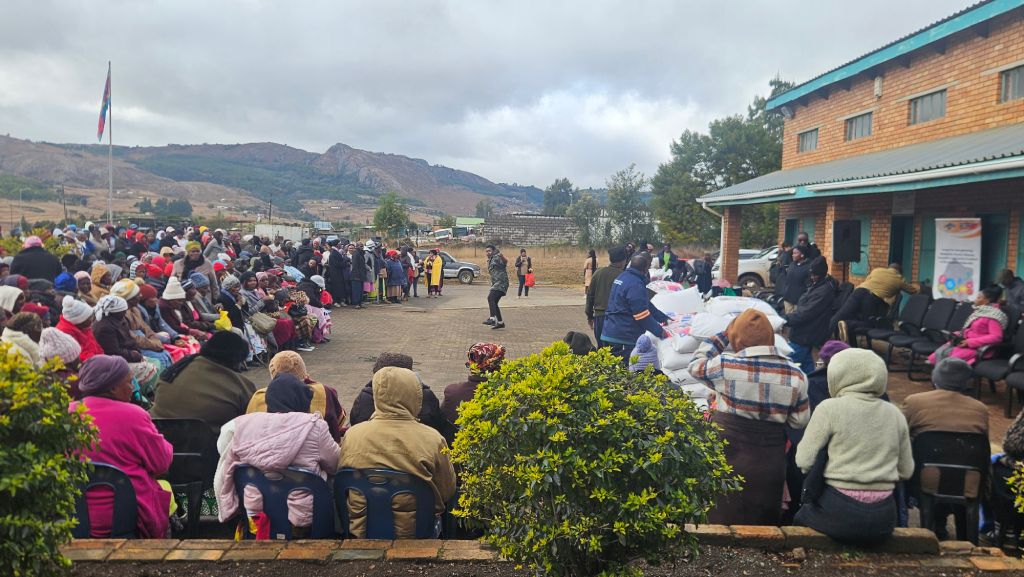
Because my trip was planned well in advance, I couldn’t avoid the unpleasant weather that affected many of my activities. Fortunately, when the skies finally cleared, I managed to visit Malolotja Nature Reserve and trek to the waterfalls. Having already experienced game viewing in other African countries, I decided not to include it in my Eswatini itinerary.
Rain, minibus and beer
After buying a SIM card and some freshly prepared food at SPAR supermarket, I asked the locals how to get to my apartment. It was located outside Mbabane city center.
“You can take a taxi, but we need to call one. There are no taxi apps or taxis driving around the streets like in South Africa. It will be 15USD,” a friendly security guard at the shopping mall explained.
“I believe not everyone travels around by taxi or private car,” I wondered. “What about local buses?”
Once I showed her on the map where my Thula Du Estate guesthouse was, things became easier.
“You can cross the road and take a minibus towards Bahai School, which is a landmark near your guesthouse!”
And I did exactly that. I quickly found a local bus and, for just 50 cents, got off close to the guesthouse.

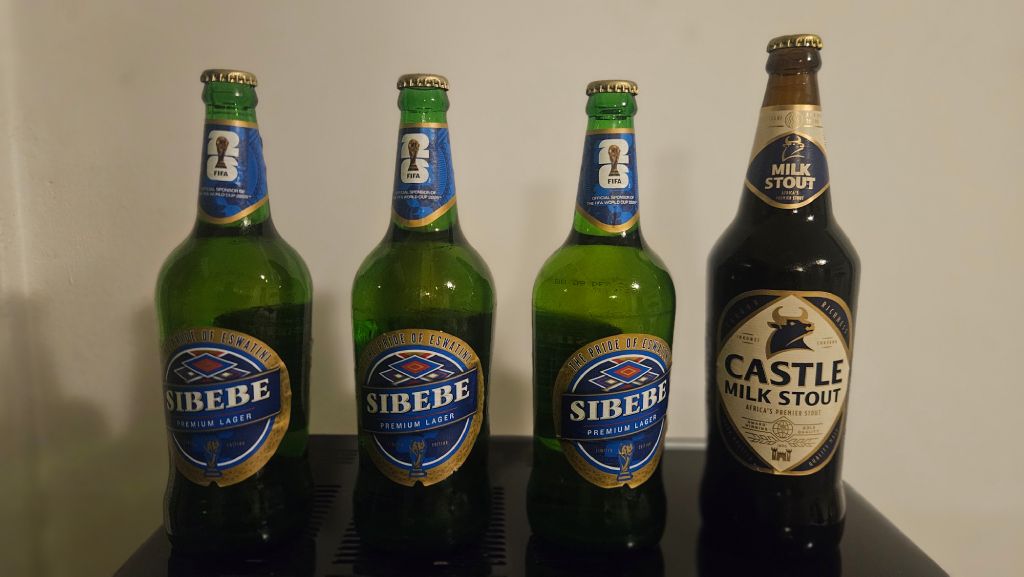
With the help of a small fan heater, I somehow managed to warm up the room, and myself. I messaged the owner and asked if he could bring me some water and an Eswatini beer, as I had no intention of leaving the apartment again that day because of the rain.
A few hours later, he knocked on my door.
“I brought you the beer, but I forgot the water.”
He put four large bottles of beer in front of me and apologized for the late delivery.
“It’s free. My gift to you!”
Driving across Eswatini
The kindness seemed endless. The next day, his wife drove me to the laundry and then to the car rental agency, where I picked up my car.
“Unfortunately, I don’t have the small car you booked. I have to give you a Toyota Corolla Cross SUV,” the employee told me, offering me a much bigger car.
“No problem. I drove the same type of car for two weeks in South Africa.” I was actually happy to have the extra space and the familiar surroundings.
Driving on the left was no problem, while the road rules and signs were almost the same.
Over the next two days, I drove across Eswatini from one end to the other.
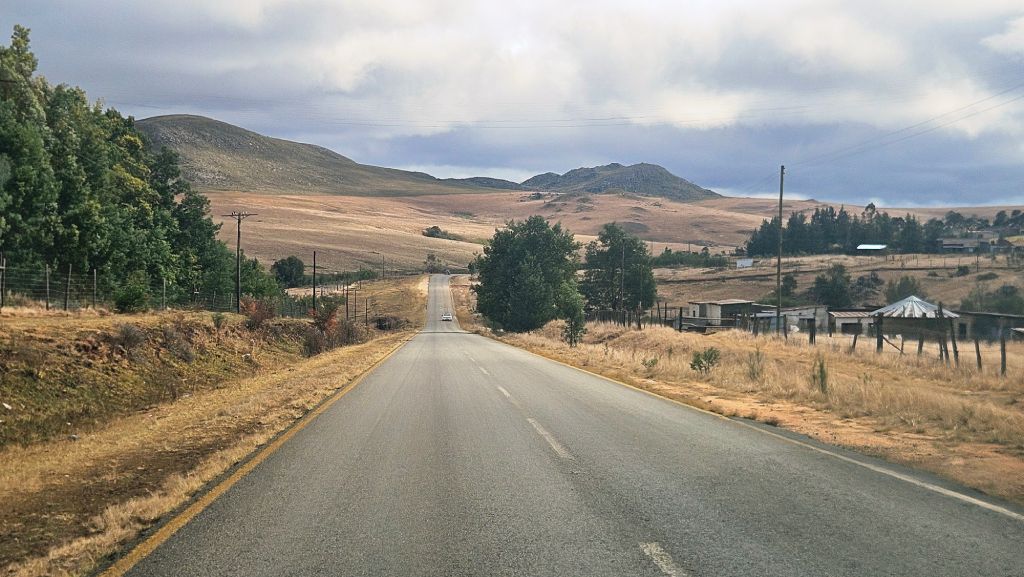
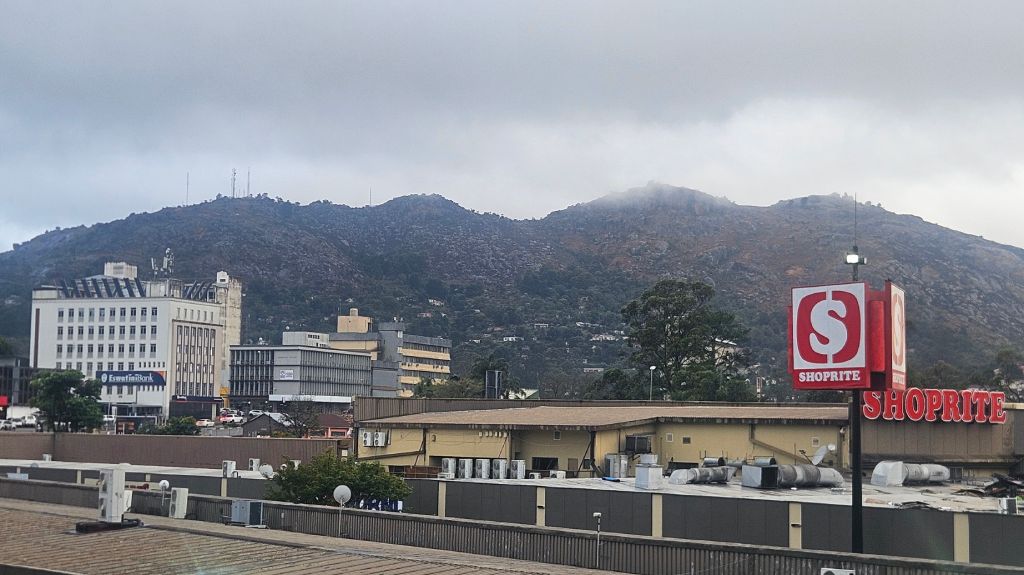
The roads are generally very good, especially the main route from the South African border through Mbabane to Manzini. Even the smaller roads are in good condition. I was surprised, however, by the traffic during rush hour. It seems that in the afternoon everyone leaves work at the same time and heads home. Some roads leading into the city centers are turned into one-way routes to the outskirts.
Another interesting sight is the large number of people walking along the roadside in the same direction, all heading home.
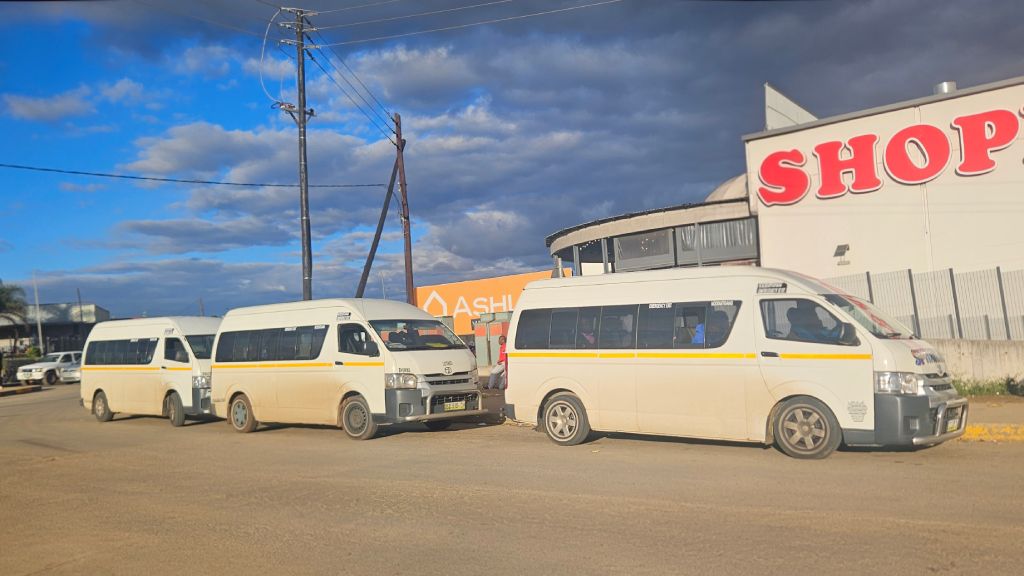
Mbabane: an unremarkable capital
Mbabane has no real city center or historic district worth visiting. It lacks a major museum, monument, or traditional market. Without a modern skyline, the city spreads across the surrounding hills. I didn’t find many exciting places to visit or interesting things to do.
Except during rush hour, driving around is easy, although bad weather limited my walks and I mostly stopped at shopping centers and petrol stations.
Located 1,200 meters above sea level and surrounded by hills, Mbabane has a cool climate, with frequent rain keeping the landscape lush. It is Eswatini’s administrative capital, established by the British because of its proximity to South Africa
The royal and legislative capital, Lobamba, is another unremarkable city and home to Parliament.
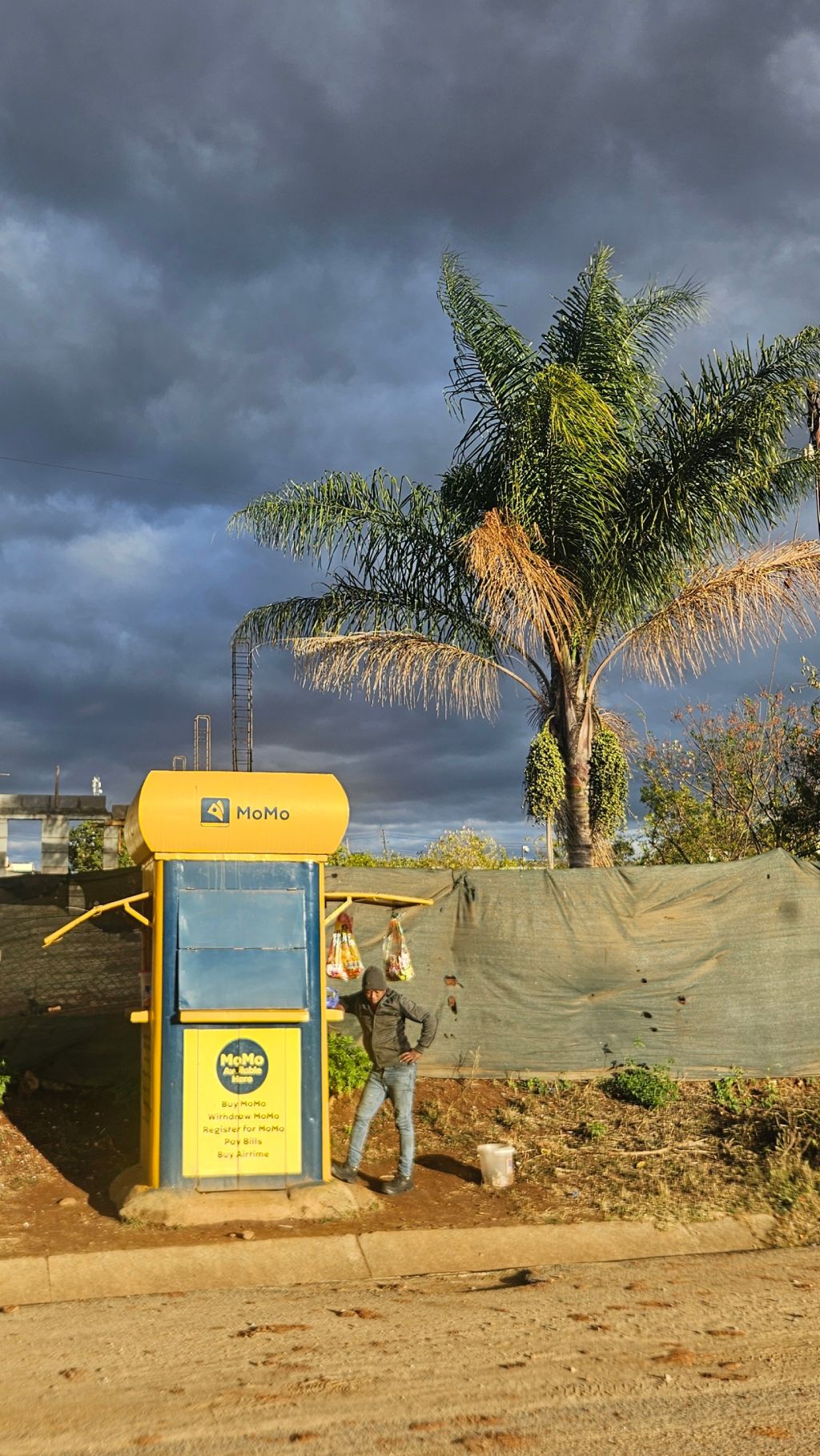
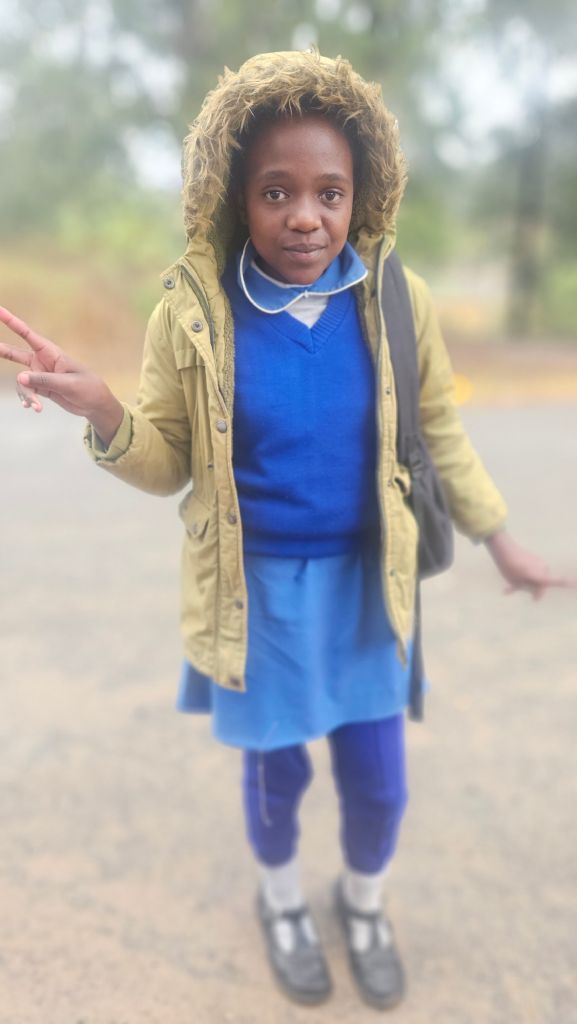

Discovering traditional Eswatini at Mantenga
Mantenga Nature Reserve and Cultural Village is dedicated to showcasing traditional Eswatini culture, ancient ways of life and traditional dances.
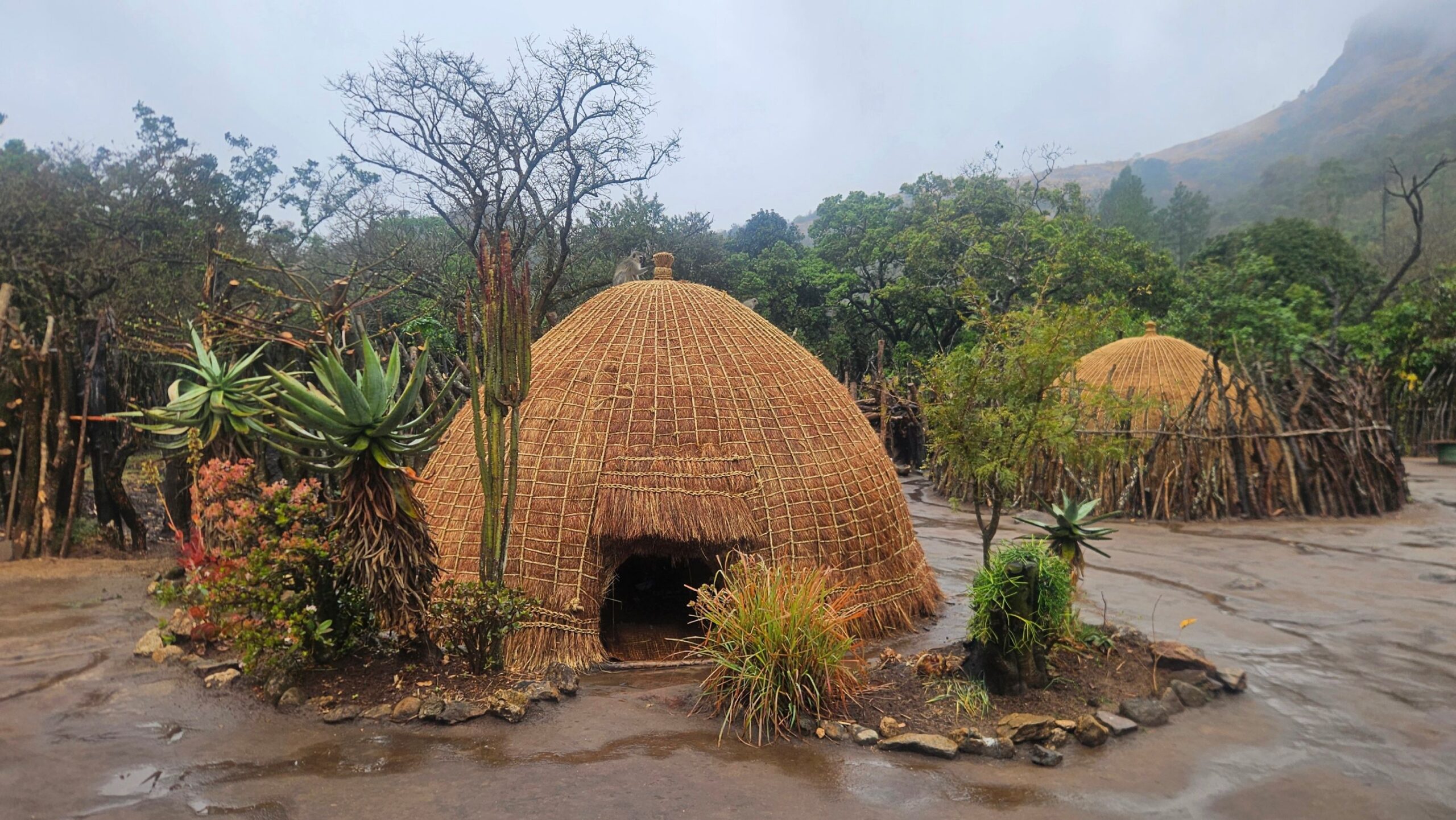
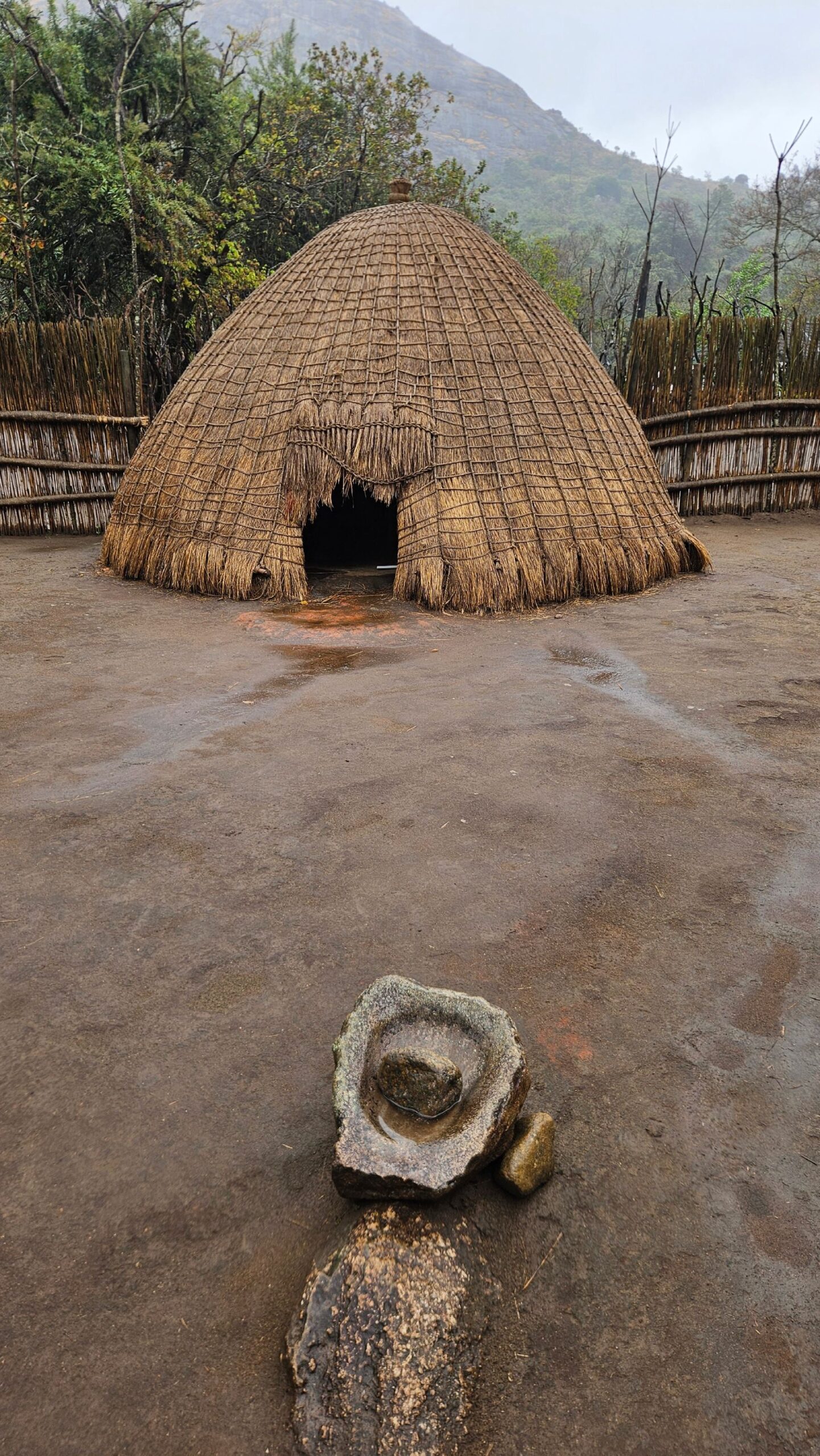
Already in the parking area, I was met by a guide who took us around the traditional Eswatini village. Built from sticks and dry grass, the igloo-shaped houses can last for up to five years. With no windows and low doorways, they are quite dark and smoky when used as kitchens.
The houses follow a strict order reflecting the family hierarchy.
Their size and decoration depend on the status of the occupants. They reflect the roles of children, the head of the family, his wives, and his mother, the most important person in the village.

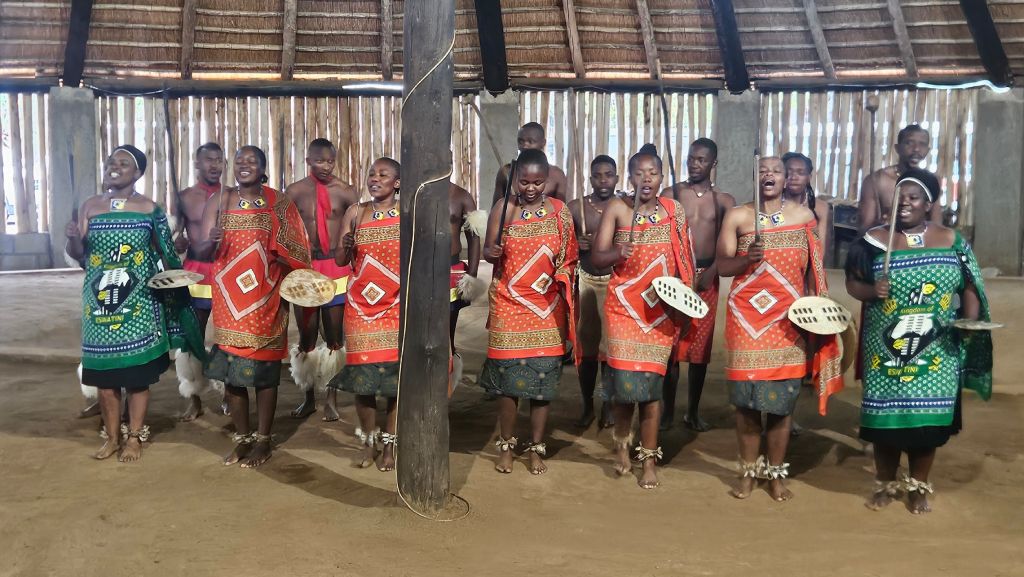
The next stop was a large hut where traditional dancing took place. A group of boys and girls in traditional clothing sang, played drums, whistled and danced. The most impressive was a dance in which they sharply kicked their legs high above their heads. Both, male and female dancers.

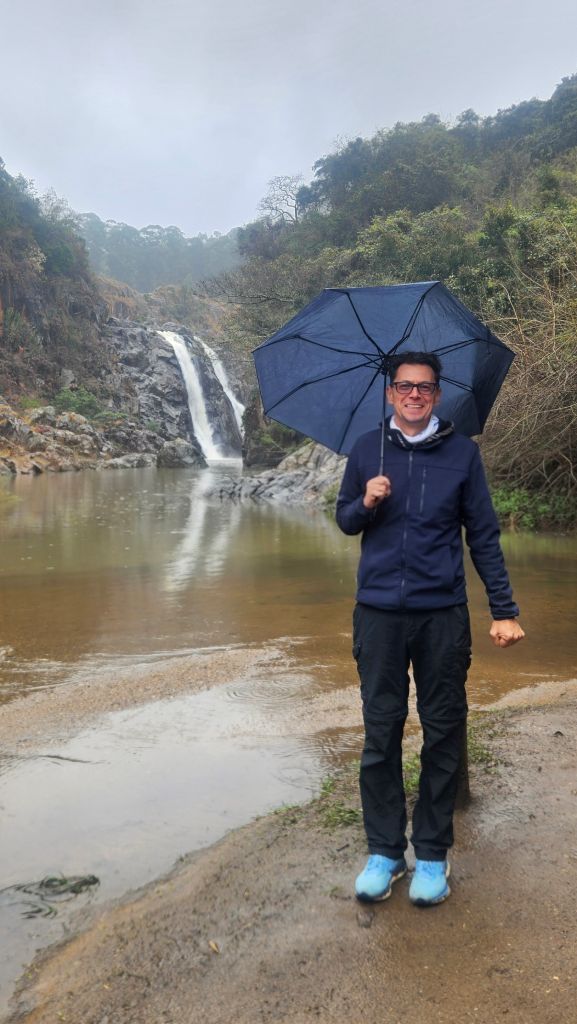
When the rain eased a little, I walked to Mantenga Falls. I followed a poorly marked trail through the trees, holding an umbrella and avoiding overgrown branches. Eventually, I reached the edge of the cliff, where the waterfalls suddenly appeared below me. Eswatini’s largest waterfall by water volume really impressed me when I saw it from above, across a small canyon.
Mantenga Nature Reserve and Cultural Village was one of the highlights of my Eswatini travel adventure.
Malolotja National Park
The weather forecast for the next day still predicted cloudy and cold conditions, but at least the rain was supposed to stop. I planned to visit Malolotja National Park, one of the best places for hiking and scenery. It is easily accessible from Mbabane by a good road.
“Because of the prolonged rain, the road inside the park is slippery, and we don’t recommend driving your vehicle inside,” the park ranger warned me.
With the weather still uncertain, I didn’t feel like walking seven kilometers to the starting point of the trail, so I slowly continued by car. The first section was nicely paved with concrete blocks. When the road became rough and full of potholes, I parked on the side and continued on foot.
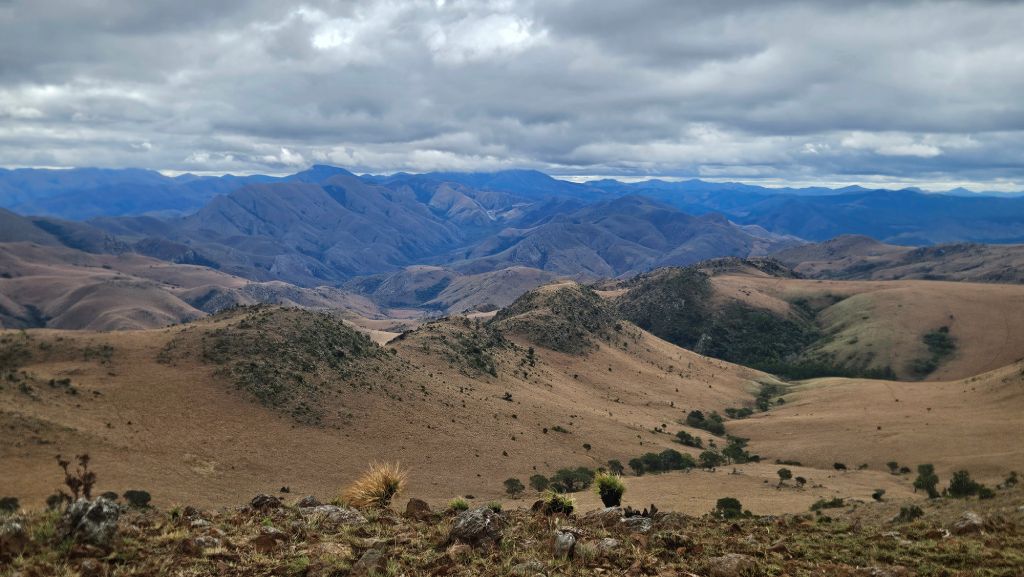
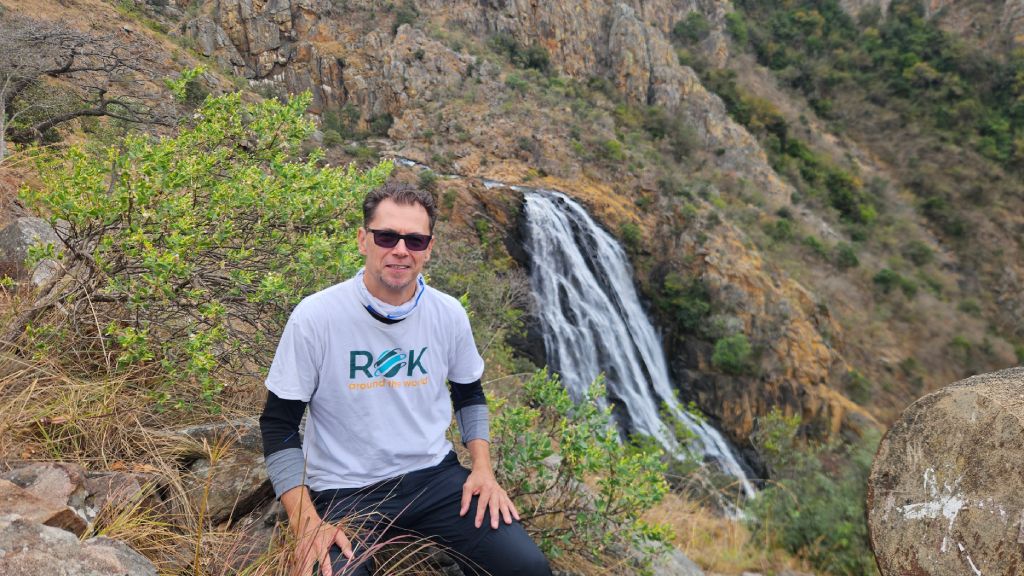
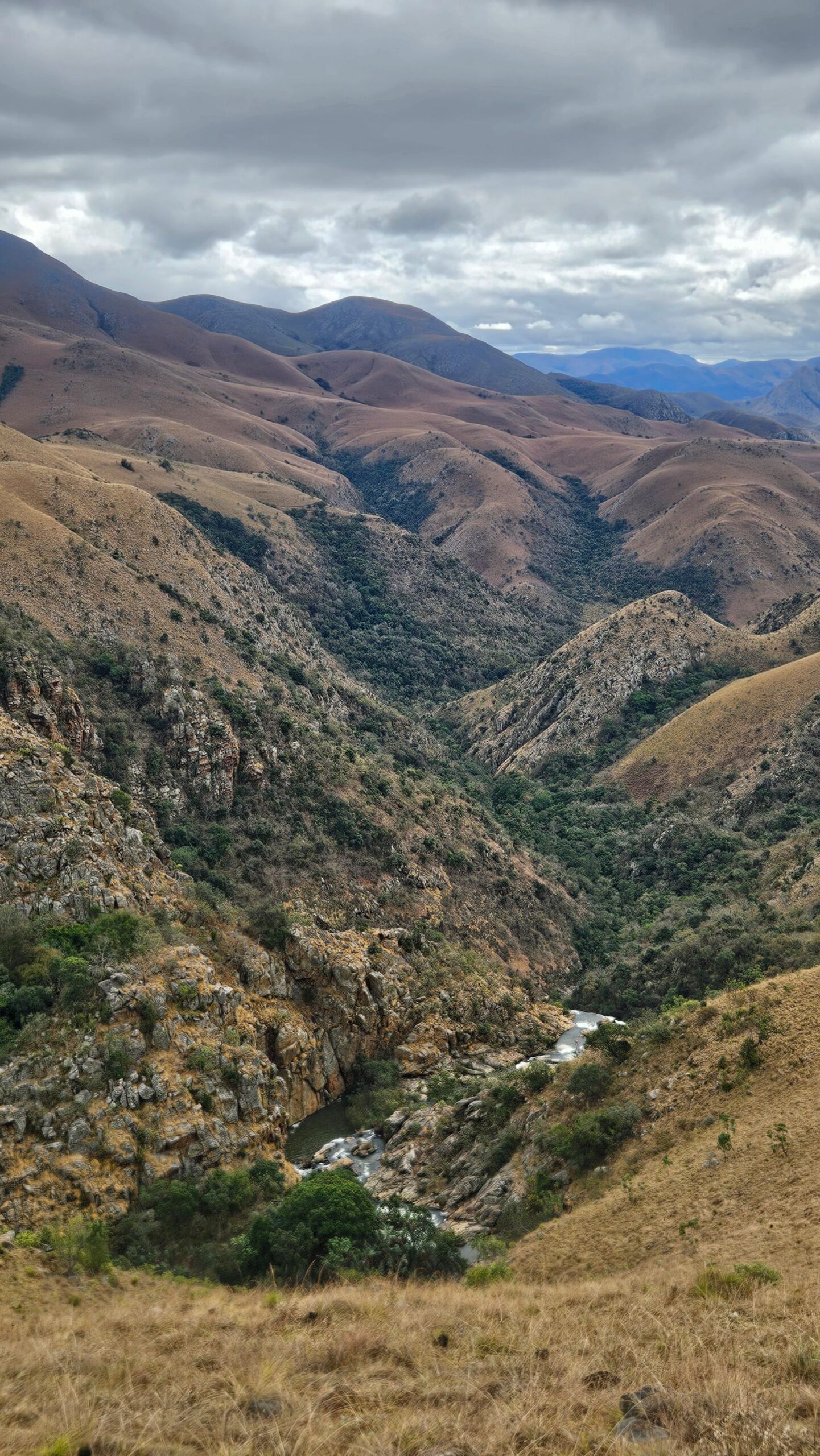
The trail led steeply downhill and seemed to go on forever, before I finally spotted Eswatini’s most famous waterfall below me.
Malolotja Falls is the highest waterfall in Eswatini, with a drop of approximately 95 meters.
Above the main waterfall, numerous smaller cascades and pools add to the beautiful scenery. The mountain landscape and open valleys along the trail were equally beautiful, slowly emerging beneath the grey sky.
Reflections on my visit to Eswatini
Eswatini is a small country mostly surrounded by South Africa, with Mozambique on its eastern border. The influence of its larger neighbor is visible everywhere, from food and currency to infrastructure, shops, and restaurants.
During my short Eswatini travel adventure, I was welcomed by plenty of rain and cold weather, which unfortunately limited my exploration. Nevertheless, I managed to hike to the beautiful Malolotja Waterfall, experience Eswatini’s traditional culture, and witness its vibrant traditional dances.
The biggest Eswatini’s trademark seems to be the King, who has 15 wives.
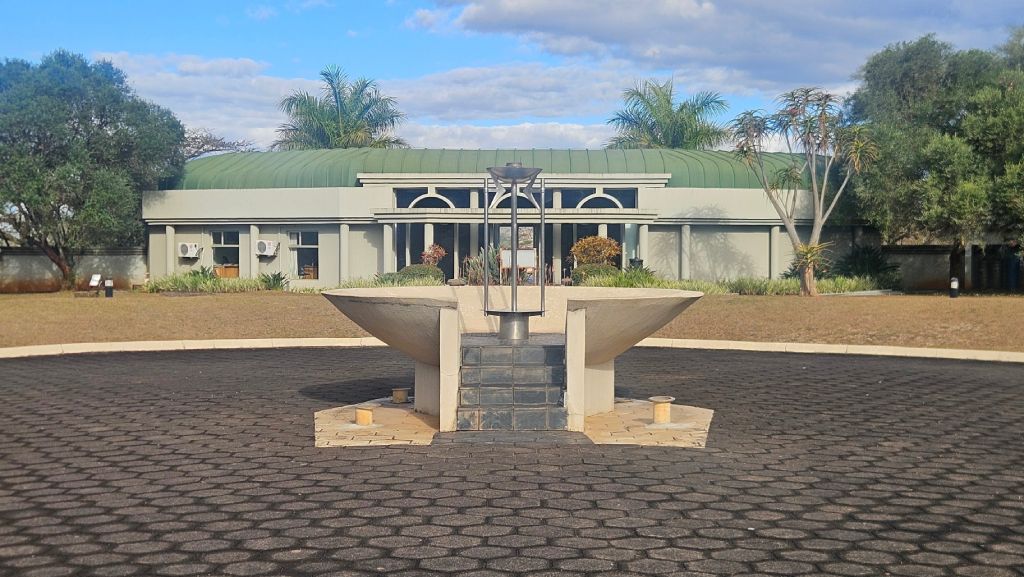
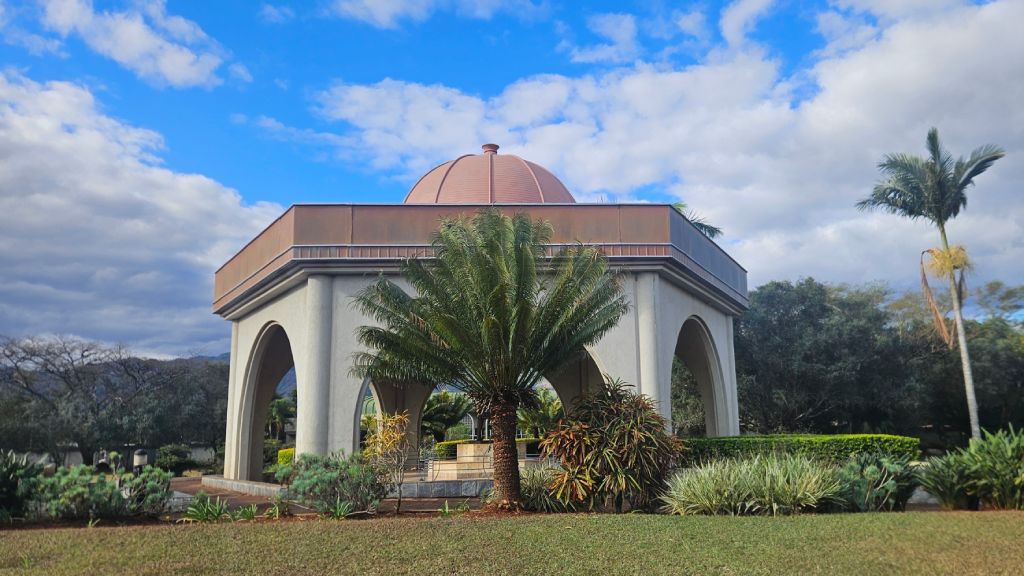
As one of Africa’s last absolute monarchs, he has a strong presence in public life and remains a highly respected and influential figure. I didn’t visit any sites associated with him, but I did visit the memorial dedicated to his father, King Sobhuza II. It offered me a deeper insight into the country’s royal history.
Little remains of traditional African food, replaced by fast food, toast bread, and fizzy drinks. Many adults are overweight, and “Big Mamas” are considered as an ideal of beauty.
Eswatini Travel Photo Gallery